Keeping your cat well-groomed is more than just about appearance—it's essential for their health, comfort, and emotional well-being. For long-haired breeds or cats prone to matting, seasonal shedding, or medical conditions requiring fur reduction, using a clipper or \"buzzing\" your cat’s coat can prevent skin irritation, reduce hairballs, and make daily maintenance easier. However, grooming a cat at home requires patience, the right tools, and a calm approach. Done incorrectly, it can lead to stress, injury, or fear of future handling. This comprehensive guide walks you through every phase of safely grooming and buzzing your cat, helping you turn what could be a stressful chore into a bonding experience.
Understanding Why Grooming and Buzzing Matter
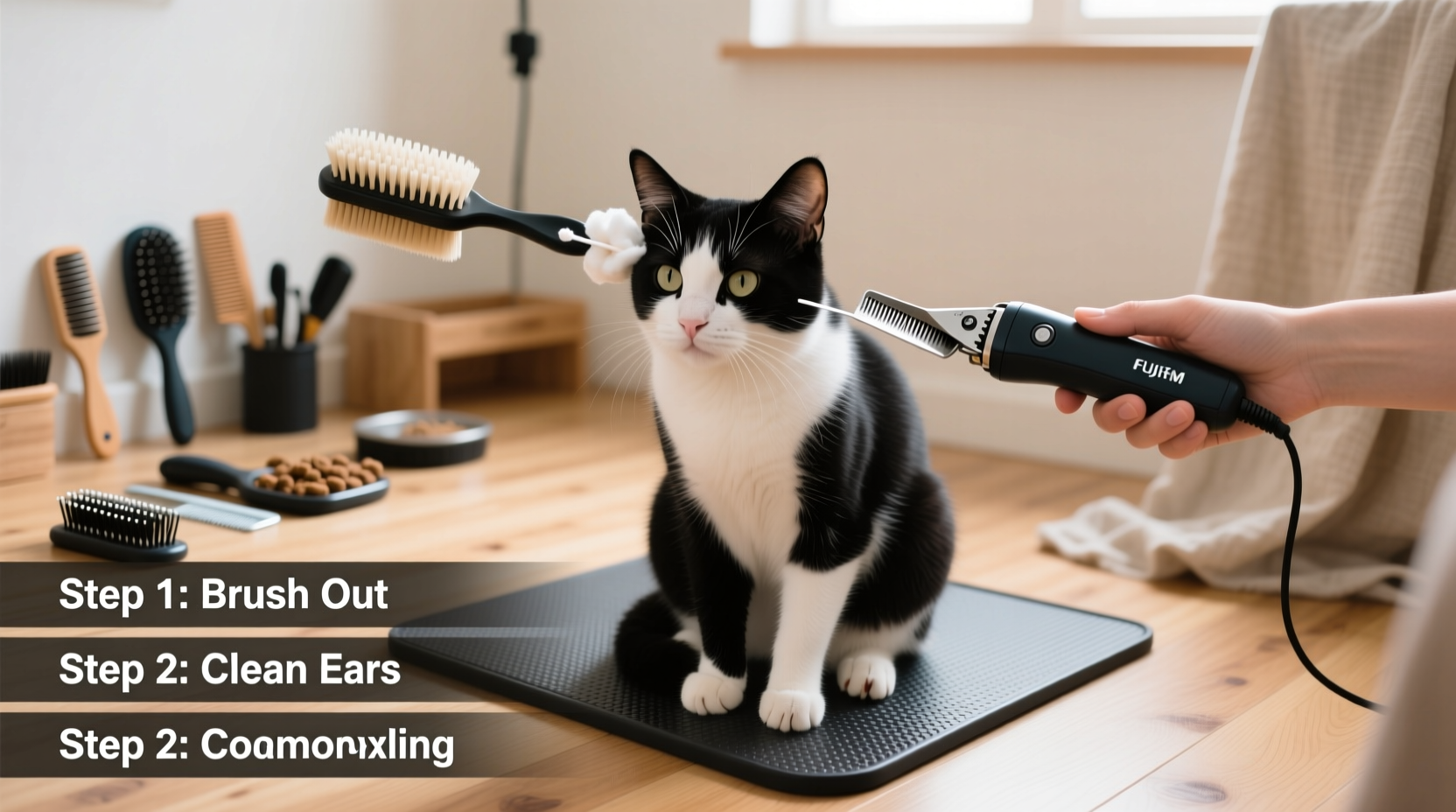
Cats are naturally fastidious animals, spending up to 50% of their waking hours self-grooming. Yet even the most meticulous groomers can’t prevent tangles, especially in long-haired breeds like Persians, Maine Coons, or Ragdolls. Mats trap moisture and debris against the skin, creating hotspots for infection. Excessive shedding can trigger allergies in humans and increase ingestion of fur during licking—leading to frequent hairballs.
Buzzing, or clipping down the coat, isn’t just cosmetic. Veterinarians often recommend it for older cats who struggle to groom themselves, obese cats with limited mobility, or those recovering from surgery. A shorter coat also helps regulate body temperature in summer and makes parasite checks easier.
“Routine grooming isn’t optional for long-haired cats—it’s preventive healthcare.” — Dr. Lena Torres, DVM, Feline Wellness Specialist
Essential Tools and Equipment Checklist
Before starting, gather all necessary supplies. Using improper tools increases the risk of nicks, overheating, or startling your cat mid-session.
Tip: Always use clippers designed specifically for pets. Human trimmers lack the torque and blade durability needed for thick fur.- Pet-safe electric clippers – Look for quiet, low-vibration models (e.g., Andis, Oster)
- Clipper blades – Size #7, #10, or #30 depending on desired length; keep spares
- Safety comb attachment – Prevents direct skin contact with blades
- Stainless steel slicker brush and wide-tooth comb – For detangling before clipping
- Rubber grooming mat – Provides grip and reduces slipping
- Treats and positive reinforcement items – Encourage cooperation
- Scissors with rounded tips – For spot-trimming around sensitive areas
- Damp cloth or pet-safe wipes – To clean skin after clipping
Step-by-Step Guide to Safely Buzz Your Cat
Grooming should never be rushed. Follow this timeline over one or multiple sessions, depending on your cat’s temperament.
- Acclimation (Day 1–3): Let your cat explore the clippers while off. Reward curiosity with treats. Then turn them on nearby—never pointed at the cat—to desensitize them to the sound.
- Dry Brushing (Before Every Session): Use a slicker brush to remove loose hair and break up minor tangles. Work gently from head to tail, avoiding sore spots.
- Inspect Skin Condition: Check for redness, sores, fleas, or lumps. Never clip over inflamed or broken skin.
- Start with Low-Stress Zones: Begin clipping along the back and sides using short, slow strokes in the direction of hair growth. Use a safety comb guard to avoid cutting too close.
- Avoid Sensitive Areas Initially: Skip the face, paws, genitals, and tail base until your cat is relaxed. These require extra caution and may need professional help.
- Maintain Clipper Temperature: Pause every 5–10 minutes to let blades cool. Overheated metal can burn delicate skin.
- Wipe and Soothe: After finishing, wipe the skin with a damp cloth to remove clipped fur. Offer treats and praise.
- Clean Equipment: Remove hair from clippers, oil blades, and store properly.
Common Mistakes and What to Avoid
Even experienced pet owners make errors that compromise safety or comfort. Refer to this table to steer clear of pitfalls.
| Do’s | Don’ts |
|---|---|
| Use sharp, clean blades | Force your cat if they’re panicking |
| Work in small sections | Clip against the grain unless advised by a vet |
| Take breaks every few minutes | Use dull blades that tug on fur |
| Keep treats on hand for encouragement | Attempt facial trims without proper training |
| Brush thoroughly before buzzing | Leave clipped fur on the floor—inhaling it can irritate cats |
Real-Life Example: Managing Matting in a Senior Cat
Sophie, a 12-year-old Himalayan, had become increasingly lethargic and stopped grooming her hindquarters. Her owner, Mark, noticed large mats forming near her tail and consulted his vet, who recommended a sanitary clip and partial body buzz due to early-stage arthritis limiting mobility. Instead of sedation, Mark opted for at-home grooming.
Over four days, he introduced the clippers gradually. On day five, he performed a 15-minute session focusing only on the rear legs and belly, using a #10 blade with a guard. He brushed first, used a non-slip mat, and rewarded Sophie with tuna paste after each stroke. By the third session, she remained still throughout. The result? No more skin infections, reduced hairballs, and renewed affection—Sophie now approaches the grooming area willingly.
When to Seek Professional Help
While many cats adapt well to home grooming, some situations demand expertise:
- Severe matting covering more than 30% of the body
- Aggressive or highly anxious behavior during handling
- Underlying medical conditions (e.g., hyperthyroidism, wounds)
- Need for breed-specific styling (e.g., lion cuts)
Mobile groomers or veterinary clinics offer sedation-free options or light sedation when necessary. They also have high-speed, silent clippers that minimize stress.
“If your cat freezes, growls, or tries to flee repeatedly, pause and reassess. Forcing the process damages trust.” — Rachel Kim, Certified Feline Behavior Consultant
Frequently Asked Questions
Can I use scissors instead of clippers?
Scissors are suitable only for light trimming around ears, paws, or sanitary areas. Never attempt full-body clipping with scissors—they increase the risk of accidental cuts, especially if your cat moves suddenly.
How short should I buzz my cat?
Avoid shaving down to the skin unless medically required. Most owners choose a #7 (¾ inch) or #10 (⅛ inch) blade for summer coats. Consult your vet for ideal length based on breed and climate.
Will my cat’s fur grow back differently?
In most cases, yes—it returns normally. However, repeated buzzing in young cats may alter texture slightly due to follicle stress. Seasonal changes and nutrition also affect regrowth quality.
Final Thoughts: Turning Grooming Into Bonding
Grooming your cat doesn’t have to be a battle. With preparation, empathy, and consistency, buzzing can become a predictable, even comforting ritual. You’ll not only improve your cat’s physical health but also deepen your connection through touch and trust. Start slow, respect your cat’s limits, and celebrate small wins. Whether you handle it entirely at home or partner with a professional for occasional deep sessions, mastering this skill empowers you to provide holistic, stress-free care year-round.
🚀 Ready to transform grooming time into quality time? Begin today with a simple brushing session—your cat will thank you with purrs and fewer hairballs!








