Dog owners today have more options than ever when it comes to pet apparel. From $10 fleece pullovers at big-box retailers to $150 designer coats from boutique brands, the price range is vast. But does spending more actually translate into better protection, comfort, and longevity for your dog? Or are high-end dog clothes just a marketing ploy targeting sentimental pet parents?
The truth lies somewhere in between. While not every luxury garment justifies its price tag, there are clear differences in quality, design, and functionality that can make premium dog clothing a smarter long-term investment—depending on your dog’s needs and lifestyle.
Material Quality: The Foundation of Value
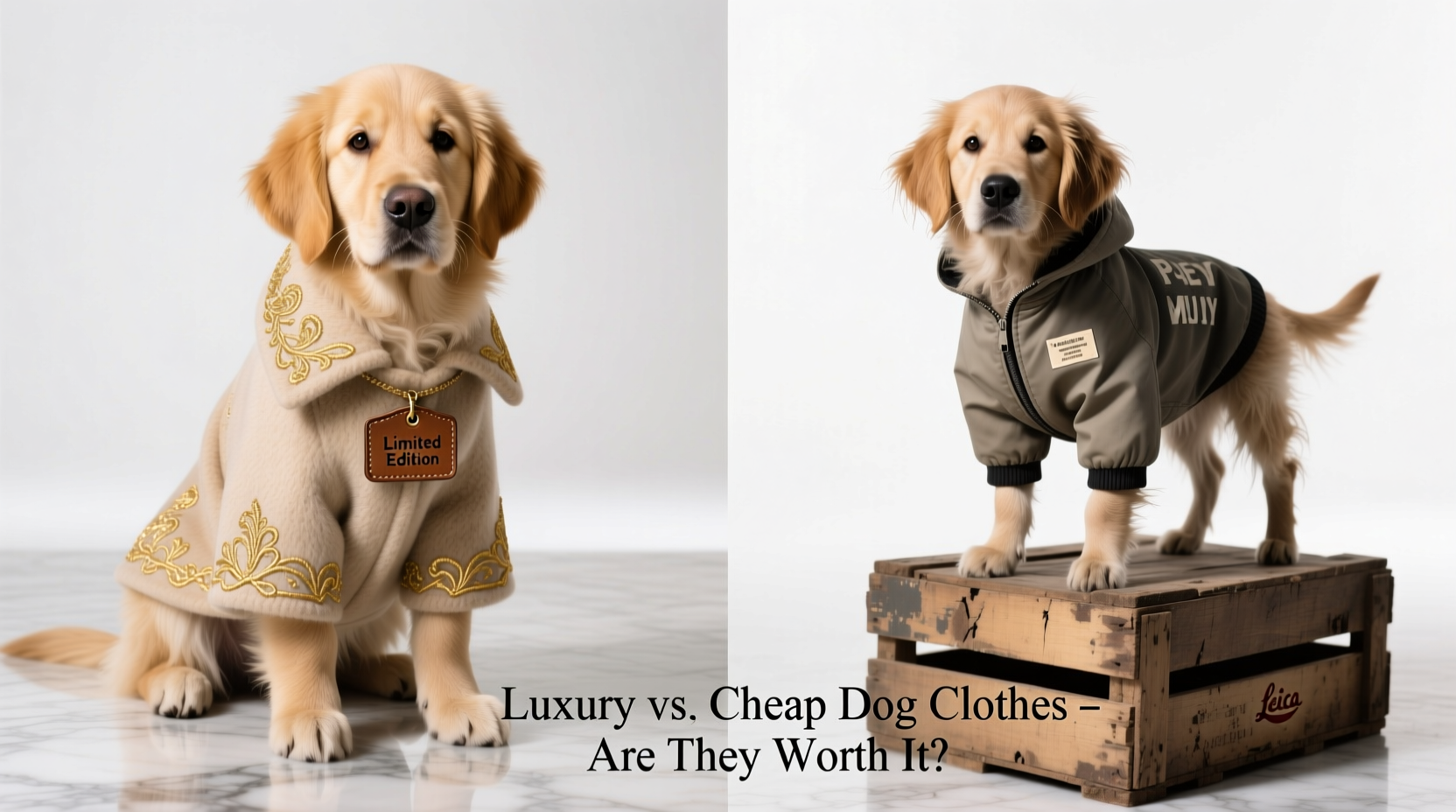
The most significant difference between budget and luxury dog clothes is the material used. Cheap garments often rely on synthetic blends like polyester or low-grade acrylic, which may be prone to pilling, shrinking, or losing shape after just a few washes. These fabrics also tend to trap moisture, leading to discomfort during active wear or in humid conditions.
Luxury brands, by contrast, frequently use natural fibers such as merino wool, organic cotton, or technical performance fabrics like windproof softshell and breathable membranes. These materials regulate temperature, wick moisture, and resist odors far better than their cheaper counterparts.
Tip: Look for garments labeled “machine washable” with care instructions that suggest minimal shrinkage—this often indicates higher fabric integrity.A 2023 study by the Pet Textile Research Group found that premium dog apparel retained 87% of its original insulation properties after 20 washes, while budget alternatives lost over half their warmth within just five cycles.
Durability and Longevity: Cost Per Use Matters
When evaluating whether luxury dog clothes are worth the cost, consider the concept of “cost per use.” A $120 coat worn weekly for two years equates to less than $1.20 per wear. A $25 coat that falls apart after three months costs more per use if replaced multiple times.
Premium brands invest in reinforced stitching, double-lined seams, and durable hardware (like YKK zippers or corrosion-resistant snaps), which significantly extend lifespan. They also conduct wear testing under real-world conditions—walking on pavement, exposure to rain, and repeated laundering.
“Just like human outdoor gear, well-constructed dog apparel pays for itself in durability and performance,” says Dr. Lena Torres, veterinary dermatologist and pet product advisor. “I’ve seen dogs develop skin irritation from fraying seams in cheap clothing—something rare with higher-end designs.”
Fit, Comfort, and Functionality
One of the biggest complaints about inexpensive dog clothes is poor fit. Generic sizing (small, medium, large) rarely accommodates the wide variety of canine body types—from dachshunds to bulldogs to greyhounds. Ill-fitting clothes restrict movement, chafe sensitive areas, or slip off entirely.
Luxury brands often offer breed-specific patterns or adjustable features like belly straps, Velcro closures, and stretch panels. Some even provide custom measuring guides or made-to-order options. This attention to ergonomics ensures the garment moves with the dog, not against them.
Beyond fit, high-end apparel often includes functional details: reflective strips for nighttime visibility, removable hoods, or integration with harnesses and leashes. These features add real safety and convenience, especially for dogs in urban environments or extreme weather.
Real Example: A Winter Walk in New York City
Maria, a dog walker in Brooklyn, outfitted her fleet of 12 dogs in both budget and premium winter coats over two consecutive seasons. She found that the $30 coats began showing wear—loose threads, flattened insulation, broken zippers—by mid-February. In contrast, the $110 technical coats from a Scandinavian brand remained fully functional through March, despite daily use in slush, snow, and sub-freezing temperatures.
“The difference wasn’t just durability,” she notes. “The better coats kept the dogs drier and warmer, and none of them tried to scratch or chew them off. That tells me they were more comfortable.”
Comparison Table: Luxury vs Budget Dog Clothes
| Feature | Luxury Dog Clothes ($80–$200) | Budget Dog Clothes ($10–$40) |
|---|---|---|
| Fabric Quality | Natural fibers, technical textiles, water-resistant membranes | Polyester, acrylic, thin fleece |
| Stitching & Construction | Double-stitched seams, reinforced stress points | Singled-stitched, prone to unraveling |
| Fit Options | Breed-specific cuts, adjustable straps, custom sizing | Generic S/M/L, limited adjustability |
| Durability | 2+ years with regular use | 3–6 months average lifespan |
| Functional Features | Reflective detailing, harness access, wind flaps | Rarely included |
| Wash Performance | Holds shape, color, and insulation after 20+ washes | Pilling, fading, shrinkage common after 3–5 washes |
When Cheap Clothes Make Sense
Luxury doesn’t always mean necessary. There are scenarios where budget-friendly dog clothes are perfectly adequate—or even preferable.
- Fashion-only wear: If you’re dressing your dog for a holiday photo or costume party, a $15 sweater may serve its purpose without needing long-term durability.
- Trial periods: For dogs new to wearing clothes, starting with an affordable option helps assess tolerance before investing heavily.
- Indoor use: Lightweight robes or pajamas for senior dogs don’t require the same ruggedness as outdoor gear.
- Hot climates: In warm regions, simple cotton shirts for sun protection don’t justify high-end pricing.
How to Choose Smartly: A Buyer’s Checklist
Before purchasing any dog garment—cheap or expensive—ask yourself the following:
- What is the primary purpose? (Warmth, fashion, sun protection, medical coverage)
- How often will it be worn? (Daily, occasional, seasonal)
- Will it be exposed to weather, dirt, or heavy activity?
- Does my dog have sensitivities or mobility issues?
- Is the garment easy to clean and maintain?
- Does it allow full range of motion and access to bathroom breaks?
- Are seams smooth and non-irritating?
If most answers point toward frequent, functional use, investing in a higher-quality piece becomes more justifiable.
Frequently Asked Questions
Do all expensive dog clothes perform better?
No. Some luxury brands charge premium prices based on branding rather than function. Always check independent reviews, fabric specs, and return policies before buying. Look for transparency in sourcing and manufacturing.
Can I repair cheap dog clothes to extend their life?
You can mend small tears or replace buttons, but structural flaws—like weak seams or degraded fabric—can’t be fixed permanently. Repairing low-cost items is often a temporary solution.
Are there affordable mid-range options that offer good value?
Yes. Brands like Ruffwear, Canada Pooch, and Outward Hound offer well-designed, durable clothing in the $50–$90 range. These strike a balance between performance and price, making them favorites among trainers and pet professionals.
Final Verdict: It Depends on Your Dog’s Needs
Expensive dog clothes aren’t automatically better—but they often deliver superior materials, construction, and thoughtful design. For dogs with medical conditions, those living in harsh climates, or active companions who spend hours outdoors, luxury apparel can enhance comfort, safety, and well-being.
For casual or decorative use, however, cheaper options are practical and economical. The key is matching the garment to your dog’s lifestyle, not your emotional attachment to pampering them.
🚀 Ready to upgrade your dog’s wardrobe wisely? Start by assessing how, when, and why your dog wears clothes—then choose quality that matches their real-world needs. Share your experience in the comments and help fellow pet owners make smarter choices!








