Dressing up dogs has become a cultural phenomenon, especially in urban areas where pets are treated as family members. From floral-print jackets to sequined sweaters, the market for luxury dog clothing is booming. But beneath the Instagram-worthy photos lies a deeper question: Do these elaborate outfits serve any real purpose for dogs, or are they purely for human enjoyment? To answer this, we need to examine not only function and comfort but also psychology, safety, and animal welfare.
The Rise of Pet Fashion
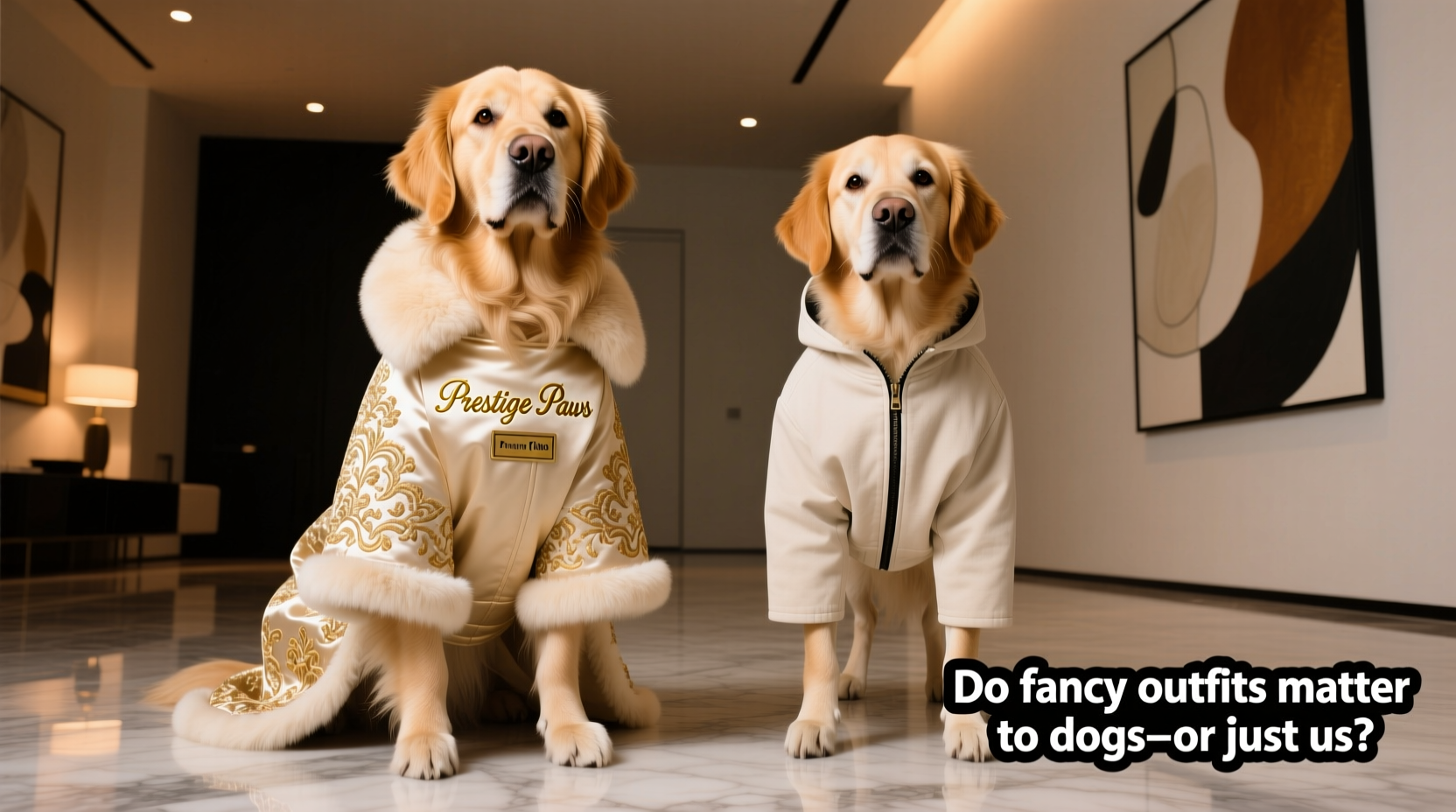
Pet fashion isn't new—historical records show that wealthy families dressed their lapdogs in silk and velvet as early as the 16th century. Today, brands like Gucci, Moschino, and Poldo Dog Couture offer high-end dog apparel with price tags exceeding $300. Social media amplifies this trend, turning stylish pets into influencers with thousands of followers.
Yet while fashion evolves, dogs remain biologically unchanged. Their primary needs—warmth, protection, mobility, and comfort—are unaffected by fabric patterns or designer labels. This raises a critical distinction between aesthetic appeal and practical utility.
Tip: Before buying any dog clothing, assess whether it meets your dog’s environmental or medical needs—not just your sense of style.Funtional Benefits of Dog Clothing
Clothing can be beneficial for certain dogs under specific conditions. Small breeds, senior dogs, or those with thin coats (like Chihuahuas or Greyhounds) often struggle to regulate body temperature in cold weather. In such cases, a well-fitted sweater or jacket provides necessary insulation.
Similarly, dogs with skin sensitivities, allergies, or recovering from surgery may benefit from protective garments that prevent licking or exposure to irritants. UV-protective shirts can help dogs prone to sunburn, especially those with light-colored fur or sparse hair.
However, functionality should not be confused with ornamentation. A flower-patterned hoodie may look charming, but if it restricts movement, causes overheating, or irritates the skin, it fails its basic purpose.
When Clothing Becomes a Risk
Not all dogs tolerate clothing well. Signs of discomfort include excessive scratching, attempts to remove the garment, panting, or freezing in place. Some designs feature embellishments like beads, sequins, or dangling flowers that pose choking hazards or entanglement risks. Tight seams or restrictive cuts can limit natural motion, affecting gait and joint health over time.
“Clothing should never compromise a dog’s ability to move, breathe, or thermoregulate. If it does, it’s not care—it’s costume.” — Dr. Lena Torres, Veterinary Behaviorist
Luxury vs. Plain: A Practical Comparison
To understand the real differences, consider the core aspects of dog apparel: material quality, fit, durability, and purpose. Below is a comparison of typical luxury flower dog clothes versus plain, functional alternatives.
| Feature | Luxury Flower Dog Clothes | Plain Dog Clothes |
|---|---|---|
| Material | Often synthetic blends with decorative prints; may lack breathability | Frequently made from breathable cotton, fleece, or moisture-wicking fabrics |
| Fit | May prioritize style over ergonomics; inconsistent sizing | Designed for comfort and range of motion; standardized sizing |
| Durability | Delicate trims and prints may degrade quickly with washing | Built for repeated use and machine washing |
| Purpose | Mainly aesthetic; suited for photo shoots or short outings | Functional: warmth, protection, medical support |
| Cost | $50–$300+ | $10–$40 |
| Safety | Risk of loose embellishments; potential overheating | Minimal risk; designed with pet safety in mind |
Do Dogs Care About How They Look?
The short answer: no. Dogs don’t possess self-recognition in the way humans do. They don’t admire themselves in mirrors or seek social approval based on appearance. Their emotional responses to clothing stem entirely from how it feels—not how it looks.
A dog might tolerate a floral raincoat because it keeps them dry during walks. But if the same coat rubs under the arms or makes them too hot, they’ll express discomfort through body language. Conversely, a plain thermal vest without frills may go unnoticed because it fits well and serves its purpose seamlessly.
What matters to dogs is sensory experience: texture, weight, freedom of movement, and temperature regulation. Fancy details like embroidered flowers or lace trim mean nothing to them—and may even cause distress if they alter the garment’s comfort profile.
It’s About Us—And That’s Okay
Let’s be honest: most luxury dog clothes exist for human pleasure. We enjoy expressing love through gifts, styling our pets like children, and sharing adorable moments online. There’s nothing inherently wrong with that, provided the dog’s well-being isn’t compromised.
In fact, dressing pets can strengthen bonds when done thoughtfully. The act of gently putting on a jacket, checking for fit, and observing your dog’s reaction fosters attentiveness and connection. It becomes problematic only when human desires override canine comfort.
Tip: Rotate outfits and observe your dog’s behavior in each. If they consistently avoid or react negatively to a particular item, retire it—even if it’s expensive or photogenic.Mini Case Study: Bella the Bichon Frise
Bella, a 4-year-old Bichon Frise living in Portland, Oregon, was gifted a luxury floral sweater by her owner for holiday photos. While the outfit received hundreds of likes on Instagram, Bella began refusing walks whenever it was worn. Her owner noticed she would shiver despite mild temperatures and frequently try to scratch her neck.
After consulting a veterinarian, it was discovered that the sweater’s tight turtleneck and synthetic fabric were causing mild overheating and irritation. Switching to a plain cotton pullover resolved the issue. Bella resumed her normal walking routine—and still looked adorable, just without the roses.
This case illustrates how aesthetics can unintentionally conflict with comfort. Intentions were loving, but outcomes must always be guided by observation and empathy.
Checklist: Choosing Dog Clothes Responsibly
- ✅ Assess your dog’s actual need for clothing (breed, age, climate)
- ✅ Prioritize natural, breathable fabrics like cotton or merino wool
- ✅ Ensure full range of motion—watch your dog walk, sit, and stretch
- ✅ Avoid loose decorations, zippers near sensitive areas, or rough seams
- ✅ Introduce clothing gradually and monitor behavior closely
- ✅ Wash items regularly to prevent odor buildup and skin irritation
- ✅ Remove clothing after use—don’t let dogs sleep in outfits
FAQ
Can dogs get cold without clothes?
Most healthy adult dogs with thick coats regulate body temperature effectively outdoors. However, small breeds, seniors, shaved dogs, or those in extreme climates may benefit from insulated layers during prolonged exposure to cold.
Is it cruel to dress dogs at all?
No—not inherently. Dressing dogs is not cruel if done safely, briefly, and with attention to comfort. Cruelty arises when clothing causes stress, restricts movement, or is left on unsupervised.
How do I know if my dog likes their clothes?
Look for relaxed body language: wagging tail, normal gait, willingness to play or walk. Signs of dislike include hunched posture, excessive grooming, vocalization, or hiding. When in doubt, skip the outfit.
Conclusion: Style With Sensibility
Luxury flower dog clothes may spark joy in owners, but they rarely add value for the dog. What matters most isn’t the pattern or brand, but whether the garment supports your pet’s physical and emotional well-being. Thoughtful choices—favoring comfort, safety, and necessity over trends—reflect true care.
There’s room for fun in pet parenting. A festive sweater at Christmas or a lightweight raincoat during storms can be both useful and endearing. The key is balance: celebrate your dog’s personality without projecting human vanity onto them.
💬 Have you found the perfect balance between style and comfort for your dog? Share your experiences, favorite brands, or lessons learned in the comments below.








