Hair is more than just a feature—it's a part of identity, self-expression, and confidence. For many women, noticing increased shedding or thinning can be distressing. Unlike male-pattern baldness, female hair loss often presents subtly: widening part lines, less volume, or difficulty styling as before. While some degree of daily shedding (50–100 hairs) is normal, persistent or sudden changes warrant attention. The good news is that most causes of hair loss in women are treatable when identified early. Understanding the root causes, adopting preventive habits, and exploring evidence-based treatments can make a significant difference.
Common Causes of Hair Loss in Women
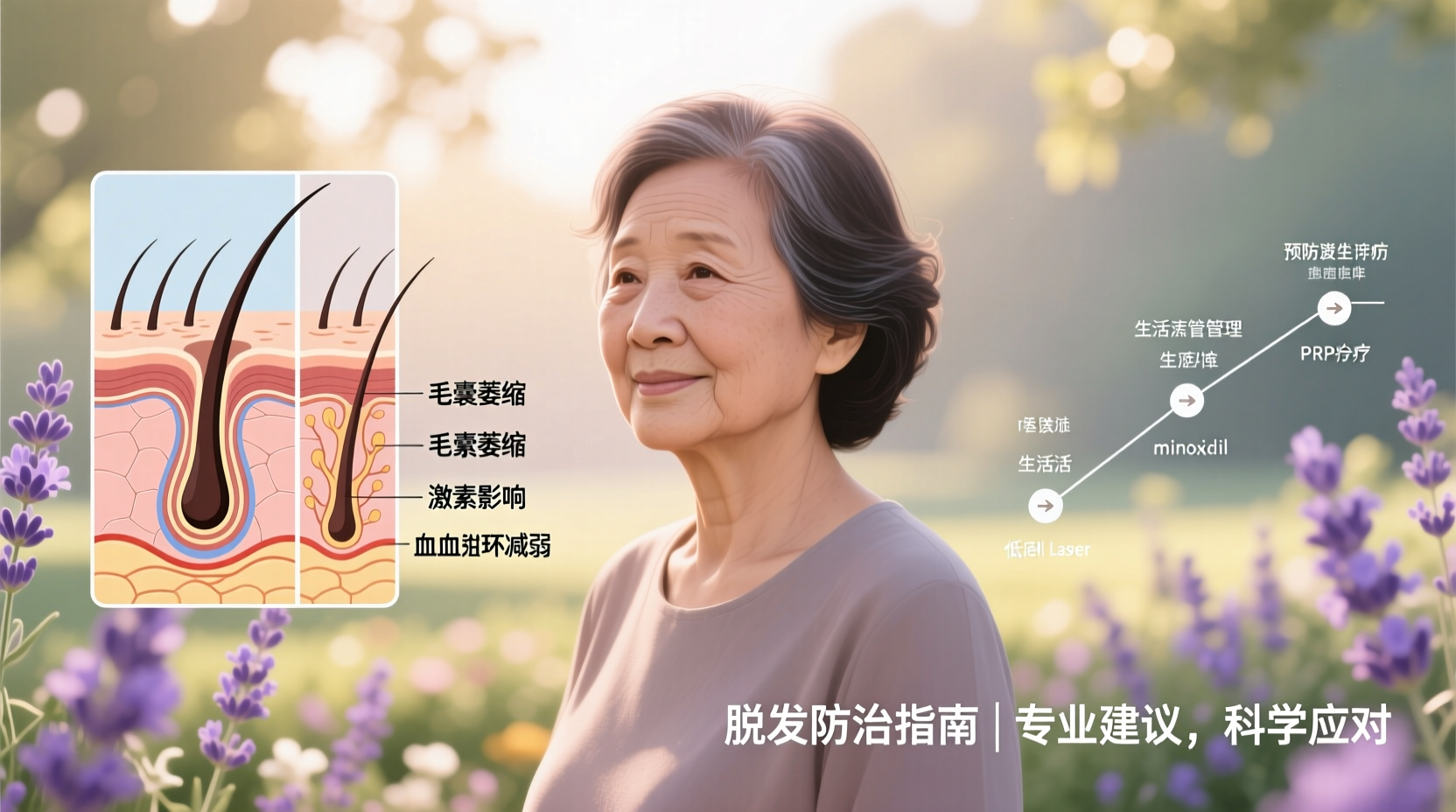
Hair loss in women rarely stems from a single factor. It’s usually the result of interplay between genetics, hormones, lifestyle, and health conditions. Recognizing the underlying cause is essential for choosing the right treatment path.
- Androgenetic alopecia: Also known as female pattern hair loss, this genetic condition affects up to 40% of women by age 50. It typically causes diffuse thinning over the crown and top of the scalp without a receding hairline.
- Hormonal fluctuations: Pregnancy, childbirth, menopause, and thyroid disorders can disrupt hormone balance, triggering temporary or prolonged shedding. Postpartum telogen effluvium, for example, occurs 2–3 months after delivery due to a sharp drop in estrogen.
- Nutritional deficiencies: Low iron (ferritin), vitamin D, zinc, and protein intake are strongly linked to hair thinning. Vegetarians and those with restrictive diets are particularly at risk.
- Chronic stress: Physical or emotional stress can push hair follicles into a resting phase prematurely, leading to excessive shedding weeks later.
- Autoimmune conditions: Alopecia areata causes patchy hair loss when the immune system attacks hair follicles.
- Medications and medical treatments: Chemotherapy, blood pressure drugs, antidepressants, and retinoids may contribute to hair loss as a side effect.
Prevention: Building a Hair-Healthy Lifestyle
Preventing hair loss begins long before visible thinning appears. A proactive approach supports scalp health, strengthens follicles, and reduces avoidable triggers.
- Maintain a nutrient-rich diet: Prioritize foods high in iron (spinach, lentils), omega-3s (salmon, flaxseeds), biotin (eggs, nuts), and lean proteins. Consider a blood test to check ferritin levels; optimal levels for hair health are above 50 ng/mL.
- Manage stress effectively: Chronic cortisol elevation impairs hair growth cycles. Practices like mindfulness, yoga, and regular sleep help regulate stress hormones.
- Avoid damaging hairstyles: Tight ponytails, braids, and extensions can lead to traction alopecia—permanent damage from constant pulling.
- Limit heat and chemical exposure: Reduce use of flat irons, curling wands, bleaching, and permanent dyes. Always apply a heat protectant when styling.
- Use gentle hair care products: Choose sulfate-free shampoos and conditioners formulated for thinning hair. Avoid silicones that build up on the scalp.
Evidence-Based Treatments and Their Effectiveness
Treatment success depends on accurate diagnosis and consistency. What works for one type of hair loss may not help another. Below is a comparison of common interventions based on clinical research.
| Treatment | Best For | Effectiveness | Time to See Results |
|---|---|---|---|
| Topical Minoxidil (Rogaine) | Androgenetic alopecia | Proven to regrow hair in ~60% of users | 3–6 months |
| Spironolactone (oral) | Hormonal hair loss (androgen-related) | Effective in reducing shedding; off-label use | 4–6 months |
| Iron supplementation | Low ferritin levels | Shedding improves within 2–3 months if deficient | 8–12 weeks |
| Platelet-Rich Plasma (PRP) therapy | Early-stage thinning | Emerging evidence shows improved density | After 3 sessions (monthly) |
| Low-Level Laser Therapy (LLLT) | Maintenance and mild regrowth | Moderate support; best combined with other treatments | 4–5 months |
“Hair loss in women is often multifactorial. A comprehensive evaluation—including blood work and scalp analysis—is crucial before starting treatment.” — Dr. Lena Patel, Board-Certified Dermatologist
Real-Life Example: Reversing Postpartum Hair Loss
Sarah, a 34-year-old teacher, began losing large amounts of hair six months after giving birth. Her ponytail halved in thickness, and she avoided brushing her hair to minimize shedding. Concerned, she visited a dermatologist who ordered blood tests. Results showed low ferritin (18 ng/mL) and suboptimal vitamin D. Sarah started taking iron supplements, increased her protein intake, and used minoxidil 2% solution daily. She also incorporated a weekly scalp massage to stimulate circulation. Within five months, shedding slowed significantly, and new baby hairs appeared along her hairline. By month eight, her hair had regained much of its volume.
This case illustrates how combining targeted supplementation, topical treatment, and lifestyle adjustments can reverse non-scarring hair loss even in hormonally sensitive periods.
Step-by-Step Guide to Addressing Hair Loss
If you're experiencing hair thinning, follow this structured approach to identify and manage the issue effectively:
- Document symptoms: Note when shedding started, any recent life changes (stress, illness, diet), and family history of hair loss.
- See a healthcare provider: Request blood tests for iron/ferritin, vitamin D, thyroid function (TSH, T3, T4), and hormone panel if indicated.
- Review medications: Ask your doctor whether any prescriptions could be contributing.
- Start appropriate treatment: Based on diagnosis—e.g., minoxidil for pattern loss, iron for deficiency, spironolactone for hormonal imbalance.
- Adopt supportive habits: Improve nutrition, reduce heat styling, practice stress management, and use gentle hair products.
- Monitor progress: Take photos every 4–6 weeks and reassess with your provider after 3–6 months.
Frequently Asked Questions
Can shampooing every day cause hair loss?
No, daily shampooing does not cause hair loss. In fact, keeping the scalp clean supports healthy follicles. However, aggressive scrubbing or harsh ingredients may irritate the scalp. Use a mild, sulfate-free formula and massage gently.
Is it normal to lose hair after stopping birth control?
Yes. Some women experience shedding 2–3 months after discontinuing oral contraceptives, especially those with a sensitivity to androgens. This is often temporary but should be evaluated if persistent beyond six months.
Will cutting my hair make it grow thicker?
No. Haircuts only affect the ends, not the follicle activity beneath the scalp. However, trimming split ends improves appearance and prevents breakage, making hair look fuller.
Action Plan Checklist
Use this checklist to take practical steps toward healthier hair:
- ✅ Schedule a blood test to check iron, vitamin D, and thyroid levels
- ✅ Switch to a gentle, sulfate-free shampoo
- ✅ Start minoxidil if recommended by a doctor
- ✅ Add iron-rich and protein-rich foods to your daily meals
- ✅ Practice stress-reducing techniques (meditation, walking, journaling)
- ✅ Avoid tight hairstyles and excessive heat styling
- ✅ Take monthly progress photos for comparison
Take Control of Your Hair Health
Hair loss in women is more common than many realize, yet it’s often met with silence or resignation. The truth is, most forms of thinning are manageable—with the right knowledge and actions. Whether your hair loss stems from hormones, nutrition, or stress, there are solutions backed by science and real-world results. Don’t wait until shedding becomes severe. Early intervention offers the best chance for regrowth and restoration. Consult a dermatologist, commit to a holistic care plan, and give your hair the attention it deserves. Your journey to stronger, fuller hair starts today.
💬 Have you experienced hair loss and found a solution that worked? Share your story in the comments to inspire others on their healing journey.








