For cat owners, few chores are as universally disliked as scooping the litter box. It’s messy, time-consuming, and often unpleasant—especially in multi-cat households or homes with sensitive noses. Enter the Litter-Robot: a sleek, self-cleaning device that promises to eliminate the need for daily scooping. But at nearly $500 for the latest model, many pet parents are asking: is this high-tech solution really worth the investment compared to a $20 traditional litter box and scoop?
The answer isn’t simple. While the Litter-Robot delivers undeniable convenience and improved odor control, its upfront cost and maintenance requirements raise valid concerns. To help you decide, we’ll examine real-world performance, long-term costs, health benefits, and user experiences—weighing every advantage against the price tag.
How the Litter-Robot Works: Automation Meets Cat Behavior
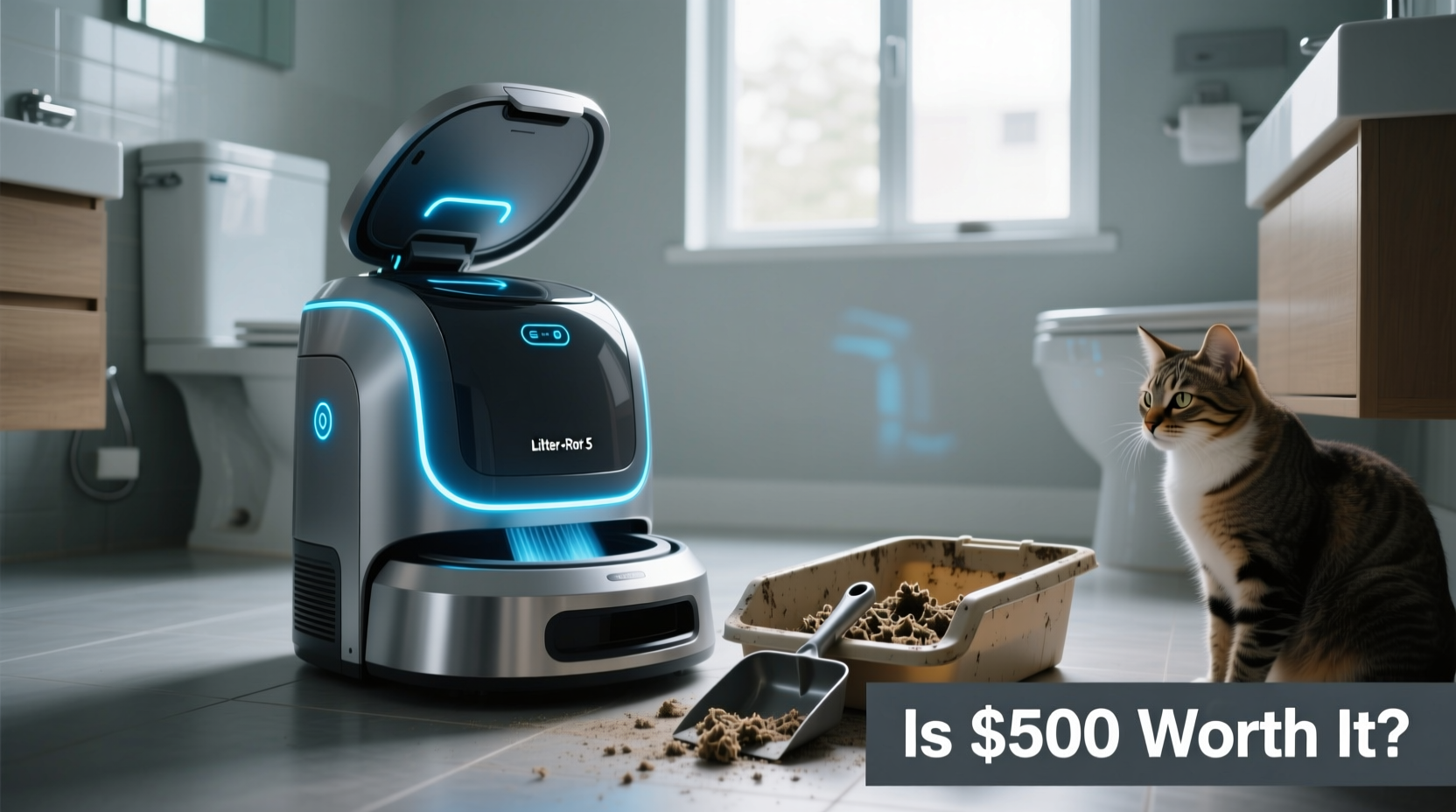
The Litter-Robot operates on a rotating sifting system. After your cat uses the unit and exits, a built-in sensor waits about seven minutes (to avoid interrupting mid-use) before initiating a cleaning cycle. The globe rotates slowly, sifting waste into a sealed drawer while returning clean litter to the main chamber. Once complete, the device resets, ready for the next use.
This automation removes solid waste and clumped urine automatically, drastically reducing manual labor. Unlike traditional boxes, which require daily scooping to stay hygienic, the Litter-Robot only needs the waste drawer emptied every few days, depending on usage. High-end models like the Litter-Robot 4 also include app connectivity, allowing remote monitoring, cycle pausing, and maintenance alerts.
Despite its sophistication, the device mimics natural feline instincts. Cats prefer clean surfaces for elimination, and the consistent cleanliness of the Litter-Robot can reduce litter box avoidance—a common issue in stressed or fastidious cats.
Tip: Introduce the Litter-Robot gradually by leaving it in \"pause\" mode for the first few days so your cat can explore without rotation.Cost Breakdown: Upfront vs. Long-Term Expenses
The most immediate barrier to adoption is price. The Litter-Robot 4 retails for around $495, with older models available slightly cheaper. Compare that to a basic plastic litter box ($10–$20) and a scoop ($5), and the difference is stark. However, evaluating value requires looking beyond initial cost.
Over five years, consider these expenses:
| Item | Initial Cost | 5-Year Estimate | Notes |
|---|---|---|---|
| Litter-Robot 4 | $495 | $495 | Includes 1-year warranty; replacement parts may add cost |
| Traditional Litter Box + Scoop | $25 | $75 | Replace box every 1–2 years due to staining/odor retention |
| Litter (clumping, 2 cats) | - | $1,200 | ~$20/month, less if using Litter-Robot’s efficient design |
| Cleaning Supplies | - | $150 | Bags, sprays, gloves, disinfectants for deep cleaning |
| Maintenance (Litter-Robot) | - | $200 | Replacement filters, liners, occasional part repairs |
While the Litter-Robot adds ~$600–$700 in total ownership cost over five years, users often report using 20–30% less litter due to precise sifting. Additionally, reduced exposure to ammonia and dust improves indoor air quality, potentially lowering health-related expenses for allergy-prone individuals.
“Automation in pet care isn’t just about convenience—it’s about consistency. Devices like the Litter-Robot ensure cats always have access to a clean environment, which supports urinary tract health.” — Dr. Lena Patel, DVM, Feline Wellness Specialist
Hygiene and Health: A Cleaner Solution for Cats and Owners
Traditional litter boxes accumulate waste between scoops. Even with daily cleaning, residual clumps, odor, and bacteria linger. This creates an unhygienic environment that can lead to inappropriate elimination behaviors and increase the risk of urinary infections in cats.
The Litter-Robot addresses this by removing waste within minutes of use. Its enclosed design contains odors effectively, and the sealed waste drawer minimizes airborne particles. For owners with allergies or respiratory sensitivities, this reduction in dust and ammonia exposure is significant.
Moreover, consistent cleanliness encourages cats to use the box regularly. In multi-cat homes, dominant cats may guard dirty boxes, causing subordinates to avoid them altogether. With the Litter-Robot maintaining a pristine state after each use, competition decreases, and all cats feel more comfortable.
However, the device isn’t foolproof. Some cats reject the noise or motion of the rotation cycle. Others may be startled by the confined space. Proper acclimation is critical—and not guaranteed.
Mini Case Study: The Thompson Family’s Experience
The Thompsons adopted two rescue cats and quickly found themselves scooping three times a day. With one cat suffering from chronic cystitis, vet visits were frequent. Their veterinarian suggested improving litter box hygiene as a preventive measure.
After investing in a Litter-Robot 3 Connect, they noticed changes within weeks. Urine accidents stopped, and their sensitive cat’s flare-ups decreased. “We used to dread cleaning the box,” said Sarah Thompson. “Now we empty the drawer every three days. It’s been six months without a single UTI episode.”
Though the $450 price gave them pause, they calculated they’d saved over $200 in vet co-pays and medications alone—making the device pay for itself faster than expected.
Practical Considerations: Who Benefits Most?
The Litter-Robot isn’t ideal for every household. Success depends on lifestyle, cat temperament, and long-term commitment. Below is a checklist to help determine if it’s right for you.
Checklist: Is the Litter-Robot Right for You?- Do you have at least one cat who weighs between 5–20 lbs? (Too small or large may trigger sensor issues)
- Are you willing to spend 10–15 minutes weekly on maintenance?
- Do you live in a space where noise during rotation (~30 seconds) won’t be disruptive?
- Is litter box cleanliness a persistent issue affecting your cat’s behavior or health?
- Can you commit to using compatible clumping litter (not crystal or pellet-based)?
- Do you travel frequently or work long hours, making daily scooping difficult?
If most answers are “yes,” the Litter-Robot likely offers tangible benefits. Conversely, if you have a single, low-maintenance cat or limited floor space, a traditional setup may suffice.
Common Pitfalls and How to Avoid Them
Even satisfied owners encounter challenges. Common issues include:
- Sensor misfires: Cats lingering near the unit can delay cycles. Adjust sensitivity settings or reposition the device.
- Litter tracking: Some models lack built-in mats. Place a washable rug underneath.
- Power dependency: The unit requires constant electricity. Use a surge protector and keep a backup scoop during outages.
- Multiple-cat confusion: If two cats enter simultaneously, the cycle may start too soon. Models with “Wait 15” mode allow longer exit windows.
Regular calibration and firmware updates (for Wi-Fi models) improve reliability. Always follow the manufacturer’s cleaning schedule to prevent mechanical wear.
Alternatives and Budget-Friendly Options
For those hesitant about the $500 price, several alternatives offer partial automation at lower cost:
- Self-cleaning boxes (e.g., PetSafe Scooper): Priced around $150–$200, these use rake systems but are noisier and less reliable.
- Top-entry litter boxes: Reduce odor and tracking; cost under $40.
- Automatic litter mats: Sift waste as cats exit; range from $50–$120.
- Diy modifications: Some owners retrofit traditional boxes with timers and motorized sifters, though results vary.
While none match the Litter-Robot’s seamless integration and app support, they provide stepping stones toward automation without the premium cost.
Frequently Asked Questions
Can kittens or senior cats use the Litter-Robot safely?
Yes, with supervision. Kittens under 5 lbs may not trigger the weight sensor reliably. Senior cats with mobility issues usually adapt well due to the low entry point (7 inches). Monitor initial use to ensure comfort.
Does the Litter-Robot work with all types of litter?
No. It requires medium-grain clumping clay or plant-based litter. Silica crystals, sand, or non-clumping litters will not form proper clumps and can damage the mechanism. Always check compatibility before switching brands.
How loud is the cleaning cycle?
The rotation produces a moderate hum (around 50 decibels)—similar to a refrigerator starting up. Most cats acclimate quickly, especially if introduced gradually. Avoid placing it in bedrooms or quiet spaces if noise is a concern.
Final Verdict: Is the $500 Price Justified?
The Litter-Robot isn’t merely a luxury—it’s a long-term investment in pet health, home hygiene, and personal time. For individuals with demanding schedules, physical limitations, or cats prone to urinary issues, the benefits far outweigh the cost. The ability to go days without touching waste, combined with measurable improvements in feline behavior and indoor air quality, makes it a compelling upgrade.
That said, it’s not essential for every cat owner. If you have one cat, enjoy routine maintenance, or operate on a tight budget, a traditional litter box remains perfectly adequate. The key is aligning the solution with your specific needs.
Consider this: if the Litter-Robot saves you 10 minutes per day, that’s nearly 60 hours regained annually. At minimum wage, that time is worth over $600. When framed as a purchase of freedom—from odor, chore fatigue, and stress—the $500 price begins to look less like an expense and more like a smart trade.
🚀 Ready to reclaim your time and improve your cat’s litter experience? Evaluate your household’s needs, test compatibility with your cat’s habits, and consider starting with a refurbished model to reduce initial cost. Share your thoughts or experiences below—your insights could help another pet parent make the leap.








