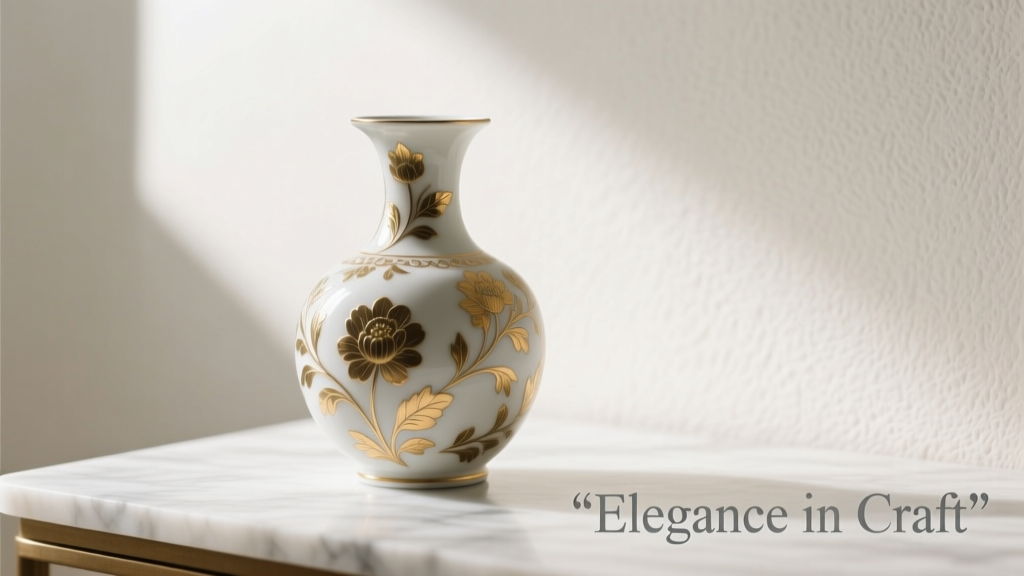
Types of Litter Eggs
A litter egg is an innovative pet supply designed to contain and dispense cat litter efficiently, often used in automatic or semi-automatic litter boxes. These compact, egg-shaped containers help maintain hygiene, reduce waste, and simplify litter management. With various materials available, each type of litter egg offers unique benefits in terms of durability, sustainability, aesthetics, and ease of use.
Plastic Litter Eggs
Durable, lightweight, and waterproof—ideal for everyday use with clumping or moisture-absorbing litters.
Advantages
- Lightweight and easy to handle
- Resistant to moisture and cracking
- Equipped with secure snap or twist mechanisms
- Inexpensive and widely available
- Simple to clean and refill
Limitations
- Less eco-friendly (non-biodegradable)
- Potential to crack under extreme pressure
- May retain odors over time
Best for: Daily use, automatic litter boxes, budget-conscious pet owners
Stainless Steel Litter Eggs
Built for longevity with a sleek, rust-resistant finish that's easy to sanitize.
Advantages
- Extremely durable and long-lasting
- Resists rust, corrosion, and bacterial growth
- Easy to clean and disinfect
- Premium look and feel
- Ideal for high-traffic multi-cat homes
Limitations
- Higher initial cost
- Heavier than plastic alternatives
- Limited design variety
Best for: Long-term use, multi-pet households, owners prioritizing hygiene and durability
Ceramic Litter Eggs
Stylish and decor-friendly, available in a wide range of colors and artistic finishes.
Advantages
- Beautiful designs that complement home interiors
- Heavyweight construction prevents tipping
- Non-porous surface resists odor absorption
- Eco-friendly if made from natural clay
Limitations
- Brittle—can crack if dropped
- More expensive than plastic
- Heavier, making refilling less convenient
Best for: Small to medium-sized pets, stylish homes, owners who value aesthetics
Metal Litter Eggs (Aluminum/Galvanized Steel)
Robust alternatives to stainless steel, offering strength with varied weight and cost options.
Advantages
- Strong and impact-resistant
- Good rust protection (especially galvanized)
- Suitable for large or active pets
- Viable for outdoor or garage use
Limitations
- May corrode over time if coating is damaged
- Heavier than plastic or aluminum
- Surface may chip or degrade with improper care
Best for: Large pets, outdoor setups, industrial or rugged environments
Biodegradable Litter Eggs
Made from sustainable materials like bamboo, cornstarch, or recycled paper for eco-conscious users.
Advantages
- Environmentally friendly and compostable
- Reduces plastic waste and carbon footprint
- Safe for septic systems and landfills
- Appeals to green-minded pet owners
Limitations
- Less durable—may degrade with frequent use
- Limited reusability
- Higher cost per unit due to material sourcing
Best for: Eco-friendly homes, temporary use, environmentally responsible disposal
| Type | Durability | Eco-Friendliness | Weight | Best For |
|---|---|---|---|---|
| Plastic | Good | Fair | Light | Daily use, affordability, automatic systems |
| Stainless Steel | Excellent | Good | Heavy | Longevity, hygiene, multi-cat homes |
| Ceramic | Medium | Good | Heavy | Home decor integration, stability |
| Metal (Other) | Very Good | Fair | Medium to Heavy | Rugged use, larger pets |
| Biodegradable | Fair | Excellent | Light to Medium | Sustainability, short-term or compostable use |
Expert Tip: For optimal performance and longevity, clean your litter egg regularly with mild soap and water. Avoid harsh chemicals that could degrade plastic or damage coatings on metal or ceramic models. If using biodegradable eggs, store them in a dry place to prevent premature breakdown.
Important Features of Litter Eggs: Design, Functionality & Sustainability
Litter eggs are innovative pet hygiene solutions that combine practical functionality with modern design. Designed to serve as enclosed litter boxes, they offer a clean, odor-controlled, and aesthetically pleasing environment for pets—especially cats. Their unique egg-like shape and smart engineering make them a popular choice among pet owners seeking both convenience and style. Below are the key features that define high-quality litter eggs and contribute to a healthier, more enjoyable pet care experience.
Convenient Design
Litter eggs often feature removable tops or side-opening hinges, making it easy to refill litter and perform thorough cleaning. This thoughtful design reduces spillage and minimizes contact with soiled litter, enhancing hygiene for both pets and owners.
The accessibility of these openings encourages regular maintenance, which is essential for odor control and disease prevention. By simplifying the cleaning process, well-designed litter eggs help pet owners maintain a fresh and sanitary environment with minimal effort.
Size and Capacity
Available in various sizes, litter eggs can accommodate pets of different breeds and household needs. Compact models are ideal for small apartments or single-pet homes, while larger versions suit multi-cat households or bigger animals like rabbits or small dogs.
Adequate interior space allows pets to move, turn, and dig comfortably—essential behaviors for natural elimination. Choosing the right size ensures your pet feels secure and unrestricted, promoting consistent litter use and reducing accidents outside the box.
Eco-Friendly Materials
Many litter eggs are crafted from sustainable, biodegradable materials such as bamboo, recycled paper, or plant-based plastics like corn starch. These materials break down naturally over time, significantly reducing environmental impact compared to conventional plastic litter boxes.
For environmentally conscious pet owners, this feature aligns pet care routines with green living principles. Using eco-friendly litter eggs helps minimize plastic waste and supports a circular economy, making pet ownership more sustainable without sacrificing performance.
Non-Slip Base
A stable, non-slip base is critical for safety and cleanliness. High-quality litter eggs are designed with textured or rubberized bottoms that prevent sliding—even during vigorous digging or sudden movements by the pet.
This stability keeps the litter contained within the unit, preventing messes around the home. It also gives pets confidence while using the box, reducing anxiety caused by shifting or unstable surfaces, especially in active or larger animals.
Stylish Appearance
Gone are the days when pet accessories had to clash with home decor. Modern litter eggs come in a variety of elegant colors, patterns, and minimalist designs that blend seamlessly into living rooms, bedrooms, or hallways.
From Scandinavian-inspired whites to bold geometric prints, these litter boxes double as interior design elements. This aesthetic integration allows pet owners to maintain a stylish home without hiding pet essentials in closets or bathrooms.
| Feature | Benefit | Ideal For |
|---|---|---|
| Removable Top / Side Hinge | Easy access for cleaning and refilling | Busy pet owners, multi-pet homes |
| Multiple Size Options | Accommodates different pet breeds and space constraints | Apartment dwellers, large pet families |
| Biodegradable Materials | Reduces environmental footprint | Eco-conscious households, green-certified homes |
| Non-Slip Rubber Base | Prevents spills and maintains stability | Active pets, homes with slippery floors |
| Modern Aesthetic Design | Blends with home interiors | Design-focused spaces, open-plan homes |
Why These Features Matter
Important: When selecting a litter egg, consider your pet’s size, activity level, and temperament. A poorly sized or unstable unit can lead to avoidance behavior or accidents. Always prioritize safety, ease of cleaning, and material quality to ensure long-term satisfaction and pet well-being.
Applications of Litter Eggs
Litter eggs have evolved from simple pet waste solutions into versatile, multi-functional tools that cater to a wide range of needs—from pet care to urban gardening. Their enclosed, compact, and hygienic design makes them ideal for various indoor and mobile applications. Below is a comprehensive breakdown of the primary and creative uses for litter eggs, highlighting their benefits and ideal use cases.
Cat Litter Egg
The primary and most common application of a litter egg is as a modern, enclosed litter box for cats. Unlike traditional open trays, litter eggs provide a private, den-like environment that many felines naturally prefer, reducing stress and encouraging consistent use.
- Enclosed design minimizes litter scatter and contains odors effectively
- Easy-access openings accommodate cats of various sizes while maintaining privacy
- Smooth interior surfaces and removable trays allow for quick, hassle-free cleaning
- Many models include odor-locking vents and carbon filters for enhanced hygiene
Pet Comfort Tip: Cats value cleanliness—regular maintenance of the litter egg helps prevent avoidance and promotes healthy bathroom habits.
Small Dog Breeds
Although designed with cats in mind, litter eggs are increasingly popular among owners of small dog breeds such as Chihuahuas, Pomeranians, and Dachshunds. They offer a clean, indoor potty solution that’s especially valuable in urban or apartment living.
- Provides a consistent, weather-independent potty area for house training
- Reduces the need for frequent outdoor trips, ideal for elderly or disabled pet owners
- Can be paired with real or artificial grass pads for a more natural experience
- Helps prevent accidents during bad weather or late-night hours
Training Advantage: The confined space reinforces the association between the designated area and elimination, speeding up housebreaking.
Indoor Use & Space Efficiency
Litter eggs are engineered for seamless integration into indoor living spaces. Their compact footprint and sleek design make them ideal for homes with limited square footage.
- Fits easily in bathrooms, closets, laundry rooms, or under stairwells
- Odor-containment features maintain air quality in shared or small spaces
- Available in neutral or modern colors to blend with home decor
- Ideal for multi-pet households needing designated, separate potty zones
Urban Living Benefit: Perfect for renters or condo owners where outdoor access is restricted or unavailable.
Travel & Temporary Housing
Portability is one of the standout features of litter eggs, making them excellent companions for travel, vacations, or transitional living situations like moving or renovations.
- Lightweight and durable construction allows for easy transport
- Provides pets with a familiar routine, reducing travel anxiety
- Self-contained design prevents leaks and spills during transit
- Useful in hotel stays, RVs, or temporary shelters where outdoor access is limited
Pro Tip: Keep a travel-sized litter egg stocked with waste bags and cleaning wipes for on-the-go convenience.
Indoor Gardening & Repurposing
Beyond pet care, litter eggs offer a sustainable second life as planters for indoor gardening. Their design supports healthy plant growth and adds functional greenery to homes.
- Drillable or pre-drilled bottoms allow for proper drainage and root health
- Size is ideal for herbs (basil, mint), small vegetables (cherry tomatoes), or succulents
- Durable plastic resists moisture and UV damage, ensuring longevity
- Stackable or decorative models can create vertical gardens or balcony displays
Eco-Friendly Hack: Repurpose old litter eggs to reduce waste and promote urban green spaces—perfect for eco-conscious pet owners.
Additional Creative Uses
The modular and hygienic nature of litter eggs opens the door to innovative applications beyond their original purpose.
- Toy Storage: Keep pet toys organized and dust-free
- Shoe Organizer: Use in entryways or closets for small footwear
- Workshop Container: Store small tools, screws, or crafting supplies
- Emergency Kit Bin: Waterproof and durable for storing first-aid or survival items
Design Flexibility: Their rounded shape and smooth finish make them adaptable to both functional and decorative roles in the home.
Expert Insight: When selecting a litter egg, consider dual-purpose models that support both pet use and easy conversion to gardening or storage. Look for BPA-free, UV-resistant materials and modular designs that enhance versatility. For pet owners, prioritize ease of cleaning and odor control; for gardeners, ensure proper drainage and stability.
| Application | Key Benefit | Ideal For | Recommended Features |
|---|---|---|---|
| Cat Litter Solution | Privacy & odor control | Indoor cats, multi-cat homes | Top-entry design, carbon filter, removable tray |
| Small Dog Potty | Consistent indoor training | Apartments, elderly owners | Side access, grass pad compatibility |
| Travel Companion | Portability & familiarity | Road trips, temporary housing | Lightweight, spill-proof, compact |
| Indoor Gardening | Space-efficient planting | Urban dwellers, herb growers | Drainage holes, UV-resistant material |
| Home Organization | Versatile storage | Minimalist or small-space living | Stackable, easy-clean surface |
Final Considerations
- Material Quality: Choose high-density polyethylene (HDPE) or similar durable plastics for long-term use
- Cleaning Ease: Removable parts and smooth surfaces reduce maintenance time
- Odor Management: Integrated filters or ventilation systems enhance indoor air quality
- Size Variants: Ensure proper fit for your pet’s breed or intended gardening use
- Sustainability: Opt for recyclable or repurposable models to support eco-friendly living
How to Choose the Best Litter Eggs for Your Pet
Selecting the right litter egg is essential for maintaining a clean, comfortable, and stress-free environment for your pet. Whether you have a cat, small dog, or other litter-trained animal, a well-chosen litter egg can make a significant difference in daily hygiene, odor control, and ease of maintenance. This comprehensive guide breaks down the five most important factors to consider when choosing a litter egg: material, size, ease of cleaning, portability, and price.
Important Note: A litter egg is not just a container—it's a key part of your pet’s daily routine. Choosing the wrong one can lead to avoidance, mess, and long-term behavioral issues. Always prioritize your pet’s comfort and safety when making a selection.
Key Factors to Consider When Choosing a Litter Egg
- Material: Durability Meets Lifestyle Needs
The material of a litter egg directly affects its durability, safety, and aesthetic appeal. Common materials include:
- Plastic: Lightweight, affordable, and widely available. Ideal for everyday use, especially for indoor pets. Look for BPA-free, high-density plastic to ensure longevity and resistance to cracking.
- Stainless Steel: Extremely durable and resistant to odors and bacteria. Best suited for larger or more active pets that may scratch or tip over plastic models. Though heavier and more expensive, it offers excellent hygiene and long-term value.
- Ceramic: Offers a sleek, modern look and is easy to clean. Often used in homes where aesthetics matter. However, it can be fragile and may crack if knocked over.
- Natural Fibers (e.g., Woven Grass or Bamboo): Eco-friendly and biodegradable, these are best for small, gentle pets. While visually appealing, they may not withstand heavy use or frequent cleaning.
Pro Tip: For pets that are aggressive diggers or tend to kick litter, opt for reinforced plastic or stainless steel to prevent damage and ensure stability.
- Size: Comfort and Functionality Go Hand in Hand
The size of the litter egg should accommodate your pet’s body comfortably. A general rule is to choose a model that is at least 1.5 times the length of your pet from nose to tail. This allows enough space for natural digging, turning, and burying behaviors.
- Larger pets require spacious litter eggs to avoid waste spilling over the edges.
- Smaller models are ideal for kittens, small dogs, or apartments with limited space—such as bathrooms, closets, or laundry rooms.
- Consider models with high sides for pets that tend to fling litter, but ensure the entry is low enough for easy access, especially for older or arthritic animals.
Always test the fit: Your pet should be able to turn around fully without touching the sides.
- Ease of Cleaning: Hygiene Starts with Design
Regular cleaning is crucial for odor control and your pet’s health. Choose a litter egg designed for hassle-free maintenance:
- Removable Trays: Allow for quick waste removal and deep cleaning without disassembling the entire unit.
- Hinged or Lift-Off Covers: Provide full access to the interior for thorough scrubbing and reduce strain during cleaning.
- Washable Liners or Inserts: Make cleanup faster and help protect the main structure from stains and odors.
- Smooth, Non-Porous Surfaces: Prevent bacteria buildup and make wiping or rinsing easier.
Models with rounded corners and seamless interiors are less likely to trap waste and are simpler to sanitize.
- Portability: Perfect for Travel and Small Spaces
If you travel frequently, live in a temporary residence, or need to move the litter egg between rooms, portability is a key factor:
- Look for lightweight materials like plastic or collapsible designs made from durable fabric or foldable panels.
- Built-in handles or ergonomic cutouts make lifting and carrying much easier.
- Compact or stackable models can be stored in tight spaces when not in use.
- Some travel-friendly litter eggs come with odor-sealing lids and carry straps for on-the-go convenience.
Ideal for RVs, dorms, or multi-pet households where flexibility is essential.
- Price: Balancing Quality and Long-Term Value
Litter eggs range from budget-friendly plastic models to premium stainless steel or designer ceramic units. While cost is important, consider the long-term investment:
- Budget options may save money upfront but could wear out quickly, leading to more frequent replacements.
- Higher-priced models often offer better durability, improved odor control, and enhanced aesthetics.
- Investing in a high-quality litter egg can reduce long-term costs by minimizing litter waste, cleaning supplies, and replacement needs.
Value Tip: Look for models that balance functionality and price—such as reinforced plastic with removable trays—offering durability without breaking the bank.
| Feature | Best For | Recommended Materials | Budget-Friendly Option | Premium Choice |
|---|---|---|---|---|
| Large Pets | Dogs, large cats | Stainless steel, reinforced plastic | Heavy-duty plastic with high walls | Stainless steel with non-slip base |
| Small Spaces | Apartments, bathrooms | Compact plastic, foldable designs | Folding plastic litter box | Space-saving ceramic model |
| Easy Cleaning | Maintenance-focused owners | Removable tray, smooth surfaces | Plastic with washable liner | Hinged ceramic or stainless steel |
| Travel Use | Frequent movers, vacationers | Lightweight, portable designs | Foldable fabric litter egg | Collapsible, odor-sealed model |
| Aesthetic Appeal | Design-conscious homes | Ceramic, bamboo, modern finishes | Painted plastic with lid | Handcrafted ceramic litter egg |
Expert Tip: Introduce your pet to a new litter egg gradually. Place some used litter inside to provide a familiar scent, and position it in a quiet, accessible location. Monitor your pet’s behavior to ensure they adapt comfortably.
Final Recommendations
- Always match the litter egg to your pet’s size, temperament, and habits.
- Choose easy-to-clean models to maintain hygiene and reduce odor buildup.
- Consider future needs—such as aging pets or multi-pet households—when selecting size and accessibility.
- Read customer reviews to learn about real-world durability and performance.
- Replace worn or cracked litter eggs promptly to avoid safety hazards.
By carefully evaluating material, size, cleaning ease, portability, and price, you can select a litter egg that meets both your pet’s needs and your lifestyle. A thoughtful choice today leads to a cleaner home, a happier pet, and fewer maintenance headaches down the road.
Frequently Asked Questions About Litter Eggs
Q1: Can Litter Eggs Be Used Outdoors as Well?While Litter Eggs are primarily designed for indoor use, certain models can be adapted for outdoor environments under the right conditions. However, exposure to weather elements such as rain, direct sunlight, and extreme temperatures can affect both the structure of the unit and the performance of the litter inside.
- Weather Resistance: Look for models made with UV-resistant, durable plastics if planning to place the Litter Egg outside.
- Sheltered Placement: Placing the unit under a covered patio, porch, or pet enclosure helps protect it from moisture and temperature fluctuations.
- Portability: Compact or travel-friendly Litter Eggs are often better suited for temporary outdoor use due to their lightweight design and ease of relocation.
- Drainage & Ventilation: Ensure proper airflow to prevent odor buildup and consider elevated placement to avoid water pooling during rain.
For long-term outdoor use, especially in variable climates, investing in a weatherproof litter station or custom shelter is recommended to extend the life of the product and maintain hygiene.
Q2: How Often Should the Litter in the Litter Egg Be Changed?The frequency of litter changes depends on several factors, including the number of pets using the unit, the type of litter (clumping, silica, recycled paper, etc.), and your pet’s bathroom habits. On average, most owners find that cleaning schedules range from every few days to once a month.
- Single Cat Households: Clumping litter typically needs full changes every 2–4 weeks, with daily scooping to remove waste.
- Multiple Pets: With two or more animals, more frequent changes (every 7–10 days) may be necessary to control odor and bacteria.
- Litter Type Impact: Silica gel crystals can last up to a month, while natural or biodegradable litters may break down faster and require earlier replacement.
- Deep Cleaning: Each time you change the litter, thoroughly wash the Litter Egg with mild, pet-safe detergent and warm water to eliminate residual odors and maintain a sanitary environment.
Regular maintenance not only improves hygiene but also encourages consistent use by your pet, reducing the likelihood of accidents outside the box.
Q3: Are Litter Eggs Suitable for Large Dogs?Litter Eggs are primarily engineered for cats and small animals, but specially designed larger models can accommodate small to medium-sized dogs trained for indoor potty solutions. However, for large or giant dog breeds, standard Litter Eggs may not provide sufficient space or structural support.
- Size Considerations: Choose an extra-large (XL) model with ample interior dimensions—ideally allowing your dog to turn around and dig comfortably.
- Weight Capacity: Check manufacturer specifications for maximum weight limits; reinforced bases and thicker plastics are essential for durability.
- Entry Design: A low, wide entryway is crucial for older or mobility-challenged dogs to access the unit safely.
- Training Compatibility: Dogs must be trained to use the Litter Egg consistently, which may take time and positive reinforcement.
For very large breeds like Labradors, German Shepherds, or Great Danes, consider alternative indoor potty systems such as artificial grass pads or custom-built pee pads with containment trays, unless an XL-rated Litter Egg specifically supports their size.
Q4: Do Cats Really Like Litter Eggs, or Are They Hard to Get Used To?Most cats adapt well to Litter Eggs because they offer a private, enclosed space that mimics a secure den-like environment—ideal for sensitive felines who value privacy during elimination. The dome design also helps contain litter scatter and reduce odors, which many cats prefer.
- Transition Tips: Introduce the Litter Egg gradually by placing it beside the old litter box and transferring some used litter into the new unit to create familiarity.
- Positive Reinforcement: Reward your cat with treats, praise, or playtime after successful use to build a positive association.
- Scent Neutralization: Clean the unit with odor-free, non-ammonia-based cleaners to avoid repelling your cat with strong chemical smells.
- Multiple Cats: In multi-cat homes, provide one Litter Egg per cat plus an additional unit to prevent territorial issues and ensure accessibility.
Some cats, especially those resistant to change or with anxiety, may need several days or even weeks to adjust. Patience and consistency are key to a smooth transition.
Q5: Are Litter Eggs Easy to Assemble and Disassemble?Assembly and disassembly ease varies by model, but most modern Litter Eggs are designed with user convenience in mind. Many feature intuitive, tool-free setups that make installation quick and hassle-free.
| Design Feature | Benefits | Considerations |
|---|---|---|
| Snap-On Covers | Secure fit with no tools required; easy to attach and remove for cleaning. | May wear over time with frequent handling. |
| Removable Trays | Allows for simple litter dumping and thorough washing without disassembling the entire unit. | Ensure tight seal to prevent leaks or odor escape. |
| Hinged Tops | Provides top access for scooping and maintenance without removing the cover completely. | Hinges may degrade with prolonged exposure to moisture or harsh cleaners. |
| Modular Panels | Enables full breakdown for deep cleaning or storage. | May require careful reassembly to maintain structural integrity. |
When shopping, prioritize models labeled as “easy-clean” or “quick-release” if you plan to clean frequently. Reading customer reviews can also provide real-world insights into how straightforward the process is for everyday pet owners.









