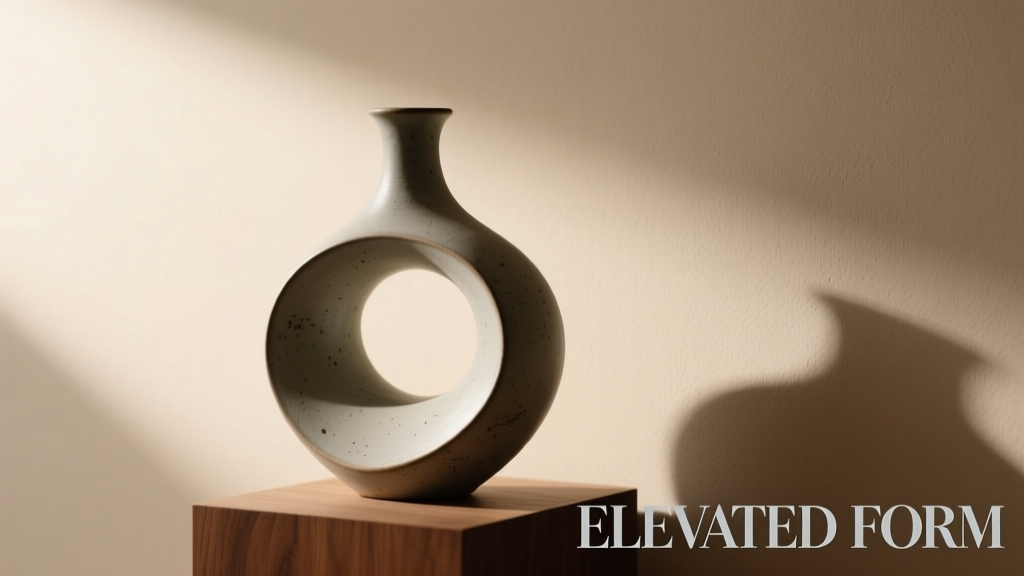
Types of Liquor Bowls: A Comprehensive Guide
Liquor bowls are more than just serving vessels—they are a blend of functionality, craftsmanship, and style. Available in a wide range of materials and designs, liquor bowls cater to diverse tastes, occasions, and settings. Whether you're hosting a formal dinner, a casual outdoor party, or simply enhancing your home bar decor, selecting the right type of liquor bowl can elevate both the experience and the ambiance.
Each type of liquor bowl offers unique benefits in terms of durability, aesthetics, maintenance, and suitability for different environments. Below is a detailed breakdown of the most popular types available today.
Ceramic Liquor Bowls
Pristine, elegant, and highly functional, ceramic liquor bowls combine beauty with practicality. Often glazed with intricate patterns or minimalist finishes, they add a refined touch to any table setting.
Advantages
- Resistant to scratches and everyday wear
- Non-reactive surface preserves liquor flavor
- Dishwasher safe for easy cleaning
- Versatile for both food and drink service
- Available in a wide range of artistic designs
Limitations
- Can chip or crack if dropped
- Heavier than plastic or metal alternatives
- May absorb odors if unglazed or poorly sealed
Best for: Indoor entertaining, dinner parties, home bars with a classic or rustic aesthetic
Traditional (Handcrafted) Liquor Bowls
Crafted from natural materials like wood, bamboo, or terracotta, these artisanal bowls celebrate heritage and craftsmanship. Often hand-carved or engraved, they bring warmth and cultural richness to any space.
Advantages
- Unique, one-of-a-kind designs with cultural significance
- High collectible and resale value
- Eco-friendly and sustainable materials
- Adds authentic, vintage charm to decor
- Excellent conversation pieces at gatherings
Limitations
- Requires careful maintenance to prevent drying or cracking
- Not dishwasher safe—hand washing recommended
- Premium pricing due to craftsmanship
- May impart subtle natural aroma to contents
Best for: Vintage-themed bars, cultural events, collectors, and those seeking meaningful home accents
Stainless Steel Liquor Bowls
Engineered for resilience and modern appeal, stainless steel liquor bowls are ideal for high-traffic or outdoor use. Their sleek, polished finish resists corrosion and maintains hygiene with minimal effort.
Advantages
- Extremely durable and impact-resistant
- Does not absorb flavors or odors
- Weatherproof and suitable for outdoor events
- Easy to sanitize and maintain
- Modern, professional appearance
Limitations
- Can feel cold or industrial in casual settings
- May show fingerprints and water spots
- Lacks the decorative flair of ceramic or glass
Best for: Outdoor parties, commercial bars, buffets, and rugged environments
Cut Glass Liquor Bowls
Synonymous with luxury and sophistication, cut glass liquor bowls feature precisely etched patterns that refract light beautifully. These heavyweight pieces are often heirloom-quality and make a bold statement.
Advantages
- Exceptional visual elegance and sparkle
- Premium weight and feel conveys quality
- Ideal for showcasing premium spirits or cocktails
- Perfect for formal events and upscale venues
- Can become family heirlooms with proper care
Limitations
- Fragile—susceptible to chipping or breaking
- Labor-intensive cleaning (often hand wash only)
- Higher cost due to craftsmanship and material
- Not suitable for rough handling or outdoor use
Best for: Luxury homes, high-end restaurants, weddings, holiday gatherings, and special occasions
| Type | Durability | Aesthetics | Maintenance | Best Use Case |
|---|---|---|---|---|
| Ceramic | Good | Excellent | Low (dishwasher safe) | Everyday use, indoor entertaining |
| Traditional (Wood/Bamboo/Terracotta) | Fair | Outstanding (artisanal) | High (hand care required) | Vintage decor, cultural events |
| Stainless Steel | Excellent | Good (modern) | Low (easy to clean) | Outdoor events, commercial use |
| Cut Glass | Fair | Exceptional (luxurious) | High (delicate care) | Formal occasions, luxury settings |
Expert Tip: When using traditional wooden or bamboo liquor bowls, occasionally treat them with food-safe mineral oil to prevent drying and cracking. Avoid soaking in water to preserve their integrity and longevity.
In conclusion, the choice of a liquor bowl should align with your lifestyle, aesthetic preferences, and intended use. Whether you value timeless craftsmanship, rugged utility, or refined elegance, there's a perfect liquor bowl type to match your needs. Investing in the right one enhances not only your serving experience but also the overall atmosphere of your gatherings.
Design of Liquor Bowls: Aesthetic and Functional Considerations
Liquor bowls are more than just serving vessels—they are a fusion of form and function, designed to enhance both the visual appeal and usability of drink presentation. Whether used in home bars, upscale restaurants, or festive events, a well-designed liquor bowl contributes to the overall ambiance while ensuring practicality. The ideal design balances artistic expression with ergonomic functionality, catering to diverse tastes and settings. Below is an in-depth exploration of key design elements that define modern and traditional liquor bowls.
Colorful Patterns and Prints
Ceramic and glass liquor bowls often feature vibrant patterns and artistic prints, making them popular choices among younger audiences and those who enjoy bold interior statements. These designs range from classic motifs like floral arrangements and intricate geometric shapes to contemporary illustrations inspired by pop art, cultural themes, or seasonal trends.
Such bowls serve as conversation starters and focal points in social gatherings. Bright hues and unique artwork not only elevate the aesthetic of the space but also reflect the personality of the host. For example, a hand-painted Moroccan-style ceramic bowl can add exotic flair to a cocktail party, while a neon-graphics glass bowl might suit a modern lounge setting. These designs are especially effective when paired with colorful liquors or garnishes, creating a visually cohesive and dynamic presentation.
Minimalist and Modern Designs
Minimalist liquor bowls emphasize clean lines, smooth surfaces, and understated elegance. Typically crafted in monochromatic tones—such as matte black, pure white, brushed silver, or transparent glass—these bowls focus on shape and material rather than ornamentation. Their sleek profiles align perfectly with contemporary, Scandinavian, or industrial interior styles.
The strength of minimalist design lies in its ability to highlight the contents rather than the container. By reducing visual clutter, these bowls allow the rich colors and textures of liquors, ice, and fruit infusions to take center stage. This approach is ideal for sophisticated events or high-end hospitality environments where subtlety and refinement are valued. Additionally, their timeless appearance ensures long-term relevance, making them a durable investment for both personal and commercial use.
Engraving and Personalization
Engraved liquor bowls, particularly those made from wood, brass, or crystal, offer a touch of tradition and exclusivity. Custom engravings such as names, special dates, family crests, or meaningful quotes transform a functional item into a cherished keepsake. These personalized touches make engraved bowls highly sought after as wedding gifts, anniversary presents, or corporate memorabilia.
Techniques like laser etching, hand carving, or sandblasting allow for precise detailing on various materials. For instance, a walnut wood bowl with a couple’s initials and wedding date adds warmth and sentimentality to a home bar, while a stainless steel punch bowl with a company logo enhances brand presence at events. Beyond aesthetics, personalization fosters emotional connection, turning everyday objects into legacy pieces passed down through generations.
Elegant Rim and Base Details
The rim and base of a liquor bowl play crucial roles in both design and functionality. Decorative rims—such as gold-leaf edging, silver inlay, or beveled crystal borders—not only add luxury but also protect against chipping and improve grip. These refined finishes elevate the bowl’s perceived value and make it suitable for formal occasions.
Equally important is the base design. A weighted, non-slip base ensures stability, preventing accidental spills during service. Crafted from materials like polished stone, metal, or dense wood, these bases provide balance and durability. Some high-end models even incorporate LED lighting within the base to create a dramatic glowing effect, enhancing visual impact in dimly lit environments. Together, elegant rim and base details contribute to both safety and style, reinforcing the bowl’s role as a centerpiece.
Mixed Materials Design
Innovative liquor bowls increasingly combine multiple materials to achieve distinctive looks and enhanced performance. Examples include a transparent glass bowl mounted on a carved wooden stand, a ceramic body accented with copper trim, or a stone base fused with a tempered glass reservoir. This hybrid approach blends the best qualities of each material—such as the clarity of glass, the warmth of wood, and the strength of metal.
Mixed-material designs appeal to those seeking uniqueness and craftsmanship. They often reflect eclectic or fusion design philosophies, drawing inspiration from global traditions and modern innovation. For instance, a Japanese-inspired sake bowl with a bamboo frame and porcelain interior combines natural elements with artisanal precision. These combinations not only enrich visual texture but also improve insulation, weight distribution, and tactile experience, offering a multi-sensory enhancement to drink service.
| Design Feature | Best For | Material Compatibility |
|---|---|---|
| Colorful Patterns | Casual parties, themed events, youthful decor | Ceramic, glass, melamine |
| Minimalist Style | Modern interiors, upscale venues, professional settings | Tempered glass, stainless steel, matte ceramics |
| Engraving & Personalization | Gifts, weddings, commemorative events | Wood, metal, crystal, stone |
| Elegant Rims/Bases | Formal gatherings, luxury bars, display pieces | Crystal, metal-trimmed glass, weighted composites |
| Mixed Materials | Artistic spaces, fusion themes, custom collections | Wood-glass, metal-ceramic, stone-acrylic combinations |
Design Tips for Choosing the Right Liquor Bowl
Important: When selecting a liquor bowl, always ensure that decorative elements (like paint or plating) are non-toxic and safe for contact with food and beverages. Avoid bowls with rough edges or unstable bases that could pose safety risks. Proper care and storage will maintain the bowl’s beauty and extend its lifespan, preserving both its functional and sentimental value.
Specification & Maintenance of Liquor Bowls
Understanding the specifications and proper maintenance of liquor bowls is essential for preserving their longevity, aesthetic appeal, and functionality across various environments—whether used for serving at home, in hospitality settings, or during outdoor events. Different materials offer unique benefits and require specific care routines to prevent damage and maintain their pristine condition over time.
Material-Specific Care Guidelines
The maintenance of a liquor bowl largely depends on its construction material. Each material reacts differently to moisture, cleaning agents, and prolonged exposure to alcohol, so tailored care is crucial.
- Ceramic & Glass: Generally dishwasher-safe (unless hand-painted or decorated). Use mild detergent and avoid sudden temperature changes to prevent thermal shock and cracking.
- Wooden Bowls: Never submerge in water or place in a dishwasher. Clean with a slightly damp cloth and immediately dry. Apply food-safe mineral oil monthly to prevent drying and cracking.
- Metallic Bowls (Stainless Steel, Brass, Copper): Wipe with a soft, damp cloth. Avoid abrasive pads or harsh chemicals that can scratch or tarnish the surface. Dry thoroughly to prevent water spots or oxidation.
- Silicone Bowls: Highly resilient and dishwasher-safe. Resistant to stains and odors, making them ideal for frequent use.
Important: Always empty the bowl after use—prolonged contact with alcoholic beverages, citrus, or acidic mixers can degrade wood finishes or corrode certain metals over time.
Storage & Protection
Proper storage prevents physical damage and environmental degradation. Whether used occasionally or regularly, how you store your liquor bowl impacts its lifespan.
- Wrap delicate glass or ceramic bowls in soft cloth or bubble wrap before storing.
- Store wooden bowls with breathable fabric covers to prevent moisture buildup while allowing airflow.
- Keep metal bowls in airtight containers with anti-tarnish strips, especially in humid climates.
- Use padded dividers or individual compartments in cabinets to avoid contact between bowls.
- Avoid stacking unless using felt or silicone protectors between layers.
Pro tip: Label storage boxes by material type to ensure correct handling and prevent accidental damage during retrieval.
Preventing Chipping & Scratching
Brittle materials like glass and ceramic are especially prone to chipping and scratching, which not only affect appearance but can compromise structural integrity.
- Always handle by the base or sturdy sides—never by the rim.
- Place on stable, flat surfaces free of grit or debris that could scratch the bottom.
- Use felt pads, silicone coasters, or rubber rings on the base to minimize friction and absorb minor impacts.
- During storage, place soft padding between nested bowls to avoid micro-scratches.
- Avoid using metal serving utensils that may gouge softer surfaces like wood or ceramic glaze.
Critical reminder: Even small chips can expand under stress or temperature changes, leading to cracks or breakage.
Durability by Environment
Choosing the right liquor bowl for the setting ensures both safety and longevity. Consider the environment when selecting or advising on use.
- Indoor Use: Glass, ceramic, and decorative metal bowls are ideal for formal dinners or display. Handle with care and keep away from high-traffic areas.
- Outdoor Events: Opt for stainless steel, silicone, or BPA-free plastic bowls. These resist breakage, withstand temperature fluctuations, and are easier to clean on-site.
- Travel & Picnics: Collapsible silicone or lightweight metal bowls are practical and durable choices.
- Commercial Settings: Prioritize easy-to-clean, durable materials like stainless steel or tempered glass with commercial-grade finishes.
Smart choice: For mixed environments, consider owning multiple bowls tailored to different use cases.
Preventing Discoloration & Staining
Exposure to sunlight, air, and strong liquids can lead to fading, yellowing, or staining—especially in organic or reactive materials.
- Avoid prolonged exposure to direct sunlight, which can fade painted designs or darken wooden finishes.
- Rinse immediately after serving citrus-based cocktails, red wine, or dark liquors that may leave residues.
- Do not leave liquids sitting in the bowl for extended periods—especially overnight.
- Store in closed cabinets or display cases away from windows and heat sources.
- For stubborn stains on non-porous surfaces, use a paste of baking soda and water with a soft sponge.
Note: Natural wood may darken over time—this is normal patina, but excessive moisture can cause mold or warping.
Cleaning & Shine Maintenance
Regular, appropriate cleaning keeps your liquor bowl looking elegant and hygienic.
- Glass/Ceramic: Use vinegar-water solution (1:1) for streak-free shine. Avoid ammonia-based cleaners on painted finishes.
- Stainless Steel: Wipe with soapy water, then buff with a microfiber cloth. For stubborn smudges, use a stainless steel cleaner.
- Copper/Brass: Clean with lemon juice and salt or commercial metal polish to restore luster. Reapply protective wax coating monthly.
- Wood: Never soak. Clean with a damp cloth and dry immediately. Condition every 4–6 weeks.
- Silicone: Soak in warm, soapy water; stains can be removed with diluted bleach (rinse thoroughly).
Eco-friendly tip: Use reusable cleaning cloths instead of paper towels to reduce waste and prevent lint residue.
Expert Recommendation: Invest in high-quality, material-appropriate liquor bowls based on your intended use. While decorative glass or hand-carved wooden bowls make stunning centerpieces, they require more meticulous care. For everyday or outdoor use, prioritize function with durable materials like stainless steel or food-grade silicone. Regular maintenance not only extends life but also ensures a safe, attractive presentation every time.
| Material | Dishwasher Safe? | Liquid Exposure Limit | Cleaning Method | Best Use Case |
|---|---|---|---|---|
| Tempered Glass | Yes | Up to 8 hours | Mild detergent, soft sponge | Indoor entertaining |
| Ceramic (Glazed) | Yes (if no paint) | 4–6 hours | Hand wash recommended | Formal dinners |
| Stainless Steel | Yes | Unlimited | Soap & water, steel polish | Outdoor/events |
| Wood (Teak, Bamboo) | No | 30 minutes max | Damp cloth, oil conditioning | Decorative serving |
| Silicone (Food-Grade) | Yes | Unlimited | Dishwasher or bleach soak | Travel, kids’ events |
Additional Maintenance Tips
- Inspect Regularly: Check for cracks, warping, or loose finishes before each use.
- Rotate Usage: Avoid overusing one bowl—rotate between multiple pieces to extend overall lifespan.
- Avoid Extreme Temperatures: Do not place cold bowls directly into hot environments or vice versa.
- Use Liners: For added protection, use removable silicone or glass liners inside decorative bowls.
- Follow Manufacturer Instructions: Always refer to care labels or brand guidelines, especially for antique or artisanal pieces.
Scenarios of Liquor Bowls: Elegance Meets Functionality
Liquor bowls are more than just serving vessels—they are a fusion of art, culture, and utility. Used across various settings, these elegant containers enhance both the aesthetic and functional aspects of beverage service. From intimate home gatherings to grand cultural ceremonies, liquor bowls serve as a symbol of hospitality, refinement, and tradition. Below is a detailed exploration of where and how liquor bowls can be used to elevate any occasion.
Did You Know? The use of decorative liquor bowls dates back centuries in many cultures, where they were often handcrafted and passed down as family heirlooms, symbolizing prosperity and celebration.
Home Bars and Liquor Cabinets
In private residences, liquor bowls serve as both functional tools and stylish decor elements in home bars and liquor storage areas. Their design can complement or even define the overall theme of the bar space, whether it's modern, vintage, or eclectic. A well-chosen liquor bowl not only holds spirits but also becomes a centerpiece that sparks conversation.
- Cut glass bowls: Exude timeless elegance and are ideal for upscale, traditional home bars. Their intricate patterns refract light beautifully, adding a luxurious ambiance.
- Stainless steel bowls: Offer a sleek, minimalist look that fits seamlessly into contemporary or industrial-style interiors. They are durable, resistant to tarnishing, and easy to maintain.
- Crystal or artisanal bowls: Perfect for collectors who value craftsmanship. These can be used to serve signature cocktails or aged spirits during dinner parties.
For spirit enthusiasts, using a liquor bowl transforms casual entertaining into a refined experience, allowing hosts to present drinks with flair and sophistication.
Outdoor Events
When hosting gatherings in open-air environments, durability and practicality are key. Metal liquor bowls—particularly those made from stainless steel—are excellent choices for outdoor use due to their resilience and low maintenance.
- Resistant to breakage from accidental drops or temperature fluctuations, making them ideal for picnics, barbecues, beach parties, and tailgating events.
- Easy to clean on-site with water and mild detergent, ensuring hygiene during extended events.
- Retain their polished appearance over time, resisting rust and corrosion even with frequent outdoor exposure.
Their sturdy construction ensures they remain both functional and visually appealing, no matter the setting. Whether serving chilled cocktails at a summer garden party or warming spiced wine at a winter bonfire, stainless steel liquor bowls perform reliably while enhancing the event’s ambiance.
Formal Dining Settings
In high-end restaurants, hotels, and banquet halls, presentation is paramount. Cut glass, crystal, or fine ceramic liquor bowls are often used to serve premium spirits, dessert liqueurs, or after-dinner drinks, adding a touch of class to formal occasions.
- Commonly featured at weddings, galas, corporate dinners, and holiday receptions.
- Used to serve liqueurs like amaretto, Grand Marnier, or flavored brandies alongside desserts.
- Enhance tablescapes when paired with proper lighting, linens, and glassware.
A beautifully arranged liquor bowl can elevate even a simple dessert course into a memorable experience. The reflective quality of crystal or cut glass adds sparkle to dining tables, creating a sense of occasion and refinement that guests appreciate.
Cultural or Traditional Ceremonies
In many cultures around the world, liquor bowls hold deep symbolic meaning and are integral to rituals and celebrations. Crafted from natural materials such as wood, gourd (calabash), clay, or bronze, these traditional vessels connect people to heritage and ancestry.
- Calabash bowls: Used in African and Caribbean traditions during libation ceremonies, symbolizing unity, remembrance, and spiritual offering.
- Wooden sake boats (Masu): In Japanese culture, wooden boxes are used to serve sake during festivals and weddings, representing purity and gratitude.
- Ceremonial silver or brass bowls: Found in Middle Eastern and South Asian cultures, often used in weddings or religious feasts to serve spiced wines or herbal infusions.
Using traditional liquor bowls in cultural events not only honors customs but also enriches the sensory experience of food and drink, making moments more meaningful and memorable.
Gifts or Personal Collections
Liquor bowls make exceptional gifts and prized additions to personal collections. Their combination of beauty, utility, and emotional value sets them apart from ordinary presents.
- Engraved or custom-designed bowls: Ideal for weddings, anniversaries, retirements, or housewarming gifts. Personalization (e.g., names, dates, quotes) turns them into lasting keepsakes.
- Limited edition or artisan-crafted bowls: Sought after by collectors of barware, antiques, or cultural artifacts. These pieces often appreciate in value over time.
- Themed sets: Such as vintage-style decanters with matching bowls, perfect for cocktail enthusiasts or connoisseurs of fine spirits.
For collectors, a curated selection of liquor bowls from different regions or eras serves as both a display of taste and a tribute to global drinking traditions. Each piece tells a story, blending artistry with everyday enjoyment.
| Setting | Recommended Material | Primary Benefit | Suggested Use |
|---|---|---|---|
| Home Bars | Cut glass, Crystal, Stainless Steel | Decorative appeal and versatility | Serving cocktails, displaying spirits |
| Outdoor Events | Stainless Steel, Polished Metal | Durability and ease of cleaning | Chilled drinks, punch bowls, tailgating |
| Formal Dining | Cut Glass, Ceramic, Crystal | Visual elegance and sophistication | Dessert liqueurs, wedding receptions |
| Cultural Ceremonies | Wood, Calabash, Brass, Clay | Symbolic and traditional significance | Libations, rituals, festivals |
| Gifts & Collections | Engraved Metal, Artisan Glass, Vintage | Personalization and collectible value | Keepsakes, heirlooms, display pieces |
Expert Tip: When selecting a liquor bowl for any occasion, consider both its aesthetic compatibility with your space and its practical functionality. A balance between form and function ensures the bowl enhances your experience every time it's used.
Final Thoughts
Liquor bowls are far more than mere serving dishes—they are expressions of style, culture, and hospitality. Whether you're designing a home bar, hosting an outdoor party, celebrating a cultural tradition, or giving a meaningful gift, the right liquor bowl can transform the ordinary into the extraordinary. By choosing the appropriate material and design for each setting, you ensure not only visual impact but also lasting utility and emotional resonance.
Explore the world of liquor bowls with intention, and let each piece become a vessel not just for drink, but for memory, tradition, and connection.
Frequently Asked Questions About Liquor Bowls
Q1: How to decide the right liquor bowl to use?Choosing the ideal liquor bowl involves balancing aesthetics, functionality, and material durability. The decision should be guided by the setting, intended use, and personal style. Here’s a breakdown to help you select the perfect bowl:
- Outdoor Use: For barbecues, pool parties, or camping, opt for shatter-resistant materials like stainless steel or food-grade silicone. These are durable, lightweight, and easy to clean—perfect for active environments.
- Indoor & Formal Events: Elevate your decor with elegant options such as cut crystal glass, handcrafted ceramic, or polished wooden bowls. These materials add sophistication and serve as statement pieces during dinner parties or holiday gatherings.
- Practical & Casual Settings: For everyday use or informal get-togethers, prioritize functionality. Look for bowls that are easy to handle, spill-resistant, and dishwasher-safe. A medium-sized glass or acrylic bowl often strikes the right balance.
- Capacity & Design: Consider how much liquor or cocktail you’ll serve. Smaller bowls (2–4 cups) work well for neat spirits or tastings, while larger ones (6+ cups) suit mixed drinks. Handles, stands, or engraved designs can enhance both utility and visual appeal.
Ultimately, the best liquor bowl complements your lifestyle—whether it's a rugged companion for adventures or a refined centerpiece for elegant soirées.
Q2: Can liquor bowls be used for other purposes?Absolutely! Liquor bowls are highly versatile and can serve multiple roles beyond holding spirits. Their elegant design and sturdy construction make them excellent multi-functional pieces for home and entertaining:
- Decorative Centerpieces: Fill with seasonal fruits, floating candles, fresh flowers, pinecones, or decorative stones to create eye-catching table displays for weddings, holidays, or dinner parties.
- Food Serving: Glass or ceramic liquor bowls are perfect for serving salads, fruit platters, desserts (like parfaits or mousses), or even appetizers like nuts and olives.
- Storage Solutions: Use them to organize small items like keys, jewelry, or office supplies on countertops or entryway tables.
- Heavy-Duty Use: Stainless steel or thick ceramic bowls can hold heavier objects like rolled-up napkins, utensils, or even small potted plants.
- DIY Projects: Repurpose them as candle holders, bath salt containers, or sensory bins for kids with safe fillers like rice or beans.
By repurposing your liquor bowl, you maximize its value and reduce the need for additional servingware—making it a smart, sustainable choice for modern living.
Q3: What is the difference between a liquor bowl and a punch bowl?While both are used for serving beverages, liquor bowls and punch bowls differ significantly in size, purpose, and typical usage context:
| Feature | Liquor Bowl | Punch Bowl |
|---|---|---|
| Size | Small to medium (1–4 quarts), designed for individual or small-group servings. | Large (5–20+ quarts), built to serve crowds at parties or events. |
| Purpose | Serving neat spirits, liqueurs, or small cocktails (e.g., whiskey, brandy, or shooters). | Serving mixed drinks, fruit-infused punches, sangria, or non-alcoholic beverages in bulk. |
| Design | Often features a stemmed base or decorative stand; may include ladles or spoons. | Typically includes a large ladle, sometimes an ice ring or chiller insert to keep drinks cold. |
| Occasion | Intimate gatherings, tastings, or upscale bars. | Weddings, holiday parties, buffets, or large social events. |
| Material | Commonly glass, crystal, ceramic, or metal for elegance and durability. | Usually glass, acrylic, or stainless steel to accommodate volume and frequent use. |
In short, a liquor bowl is about precision and presentation, while a punch bowl is about volume and variety—each serving a unique role in beverage service.
Q4: Are liquor bowls dishwasher-safe?The dishwasher safety of a liquor bowl depends entirely on its material and construction. Always check the manufacturer’s care instructions, but here’s a general guide:
- Stainless Steel & Silicone: Typically fully dishwasher-safe and resistant to heat, stains, and odors. Ideal for low-maintenance use.
- Tempered Glass & Some Ceramics: Often dishwasher-safe, especially if labeled as such. However, sudden temperature changes or harsh detergents may cause cracking over time.
- Cut Crystal or Hand-Blown Glass: Should be hand-washed only to preserve intricate details and prevent clouding or chipping.
- Wooden Bowls: Never put in the dishwasher. Moisture can warp, crack, or damage the finish. Clean gently with a damp cloth and dry immediately.
- Coated or Painted Finishes: May degrade in high heat or strong detergents. Hand washing is recommended to maintain appearance.
Pro Tip: To extend the life of your liquor bowl, avoid extreme temperature shocks (like placing a cold bowl directly into hot water), and always allow it to air-dry fully before storage. When in doubt, hand washing is the safest option.









