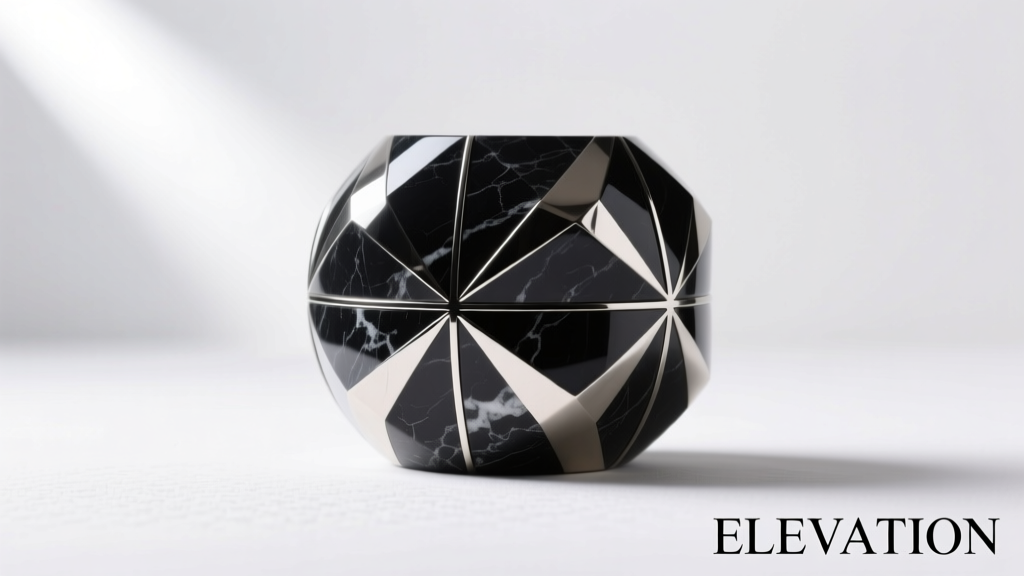
Types of Lipstick Packaging Backgrounds for Different Uses
A lipstick’s packaging background plays a crucial role in brand perception, product appeal, and consumer engagement. The design, color scheme, and texture of the background are carefully chosen to reflect the lipstick's finish, target audience, and overall brand identity. From soft gradients to bold neon effects, each background style enhances the product's visual narrative and influences purchasing decisions.
Whether it's a delicate aesthetic for everyday wear or a luxurious marble pattern for high-end collections, the right background elevates the lipstick from a cosmetic item to a statement piece. Below is a detailed breakdown of popular lipstick background styles, their characteristics, and ideal use cases.
Aesthetic & Soft Gradient
Featuring gentle pastels, blurred transitions, and minimalist designs, this background emphasizes elegance and modern femininity.
Advantages
- Appeals to younger demographics and Gen Z consumers
- Perfect for social media and influencer marketing
- Enhances the perception of smooth, silky texture
- Ideal for everyday and casual makeup looks
Limitations
- May appear too subtle for bold products
- Less effective for luxury or dramatic positioning
- Can blend into similar designs in saturated markets
Best for: Everyday lipsticks, K-beauty brands, soft matte and satin finishes
Luxury & Elegant (Marble, Gold, Jewel Tones)
Rich textures like marble patterns, gold foil accents, and deep jewel tones (emerald, sapphire, amethyst) convey exclusivity and sophistication.
Advantages
- Projects premium quality and high value
- Enhances brand prestige and perceived craftsmanship
- Perfect for gift packaging and limited editions
- Attracts consumers seeking indulgence and elegance
Limitations
- Higher production and design costs
- May feel outdated if not modernized
- Less relatable to budget-conscious buyers
Best for: High-end brands, matte lipsticks, bridal collections, and luxury gift sets
Glossy & Reflective
Designed with shimmer, light reflections, and wet-look effects to mirror the high-shine finish of gloss lipsticks.
Advantages
- Accurately represents the product’s glossy texture
- Creates visual interest and catches the eye
- Enhances the perception of moisture and plumpness
- Ideal for digital ads and e-commerce thumbnails
Limitations
- Can appear overly flashy if overdone
- May distract from the actual lipstick shade
- Requires high-quality rendering for realism
Best for: Lip glosses, plumping formulas, and youthful, vibrant collections
Matte & Muted Lighting
Uses soft, diffused lighting and neutral tones to highlight the velvety, non-reflective finish of matte lipsticks.
Advantages
- Accurately showcases true color without glare
- Emphasizes long-wear and sophisticated appeal
- Complements minimalist and modern branding
- Reduces visual noise, focusing on product purity
Limitations
- May appear flat or dull if lighting is too dim
- Less engaging for audiences seeking boldness
- Requires careful color balancing for accuracy
Best for: Long-wear matte lipsticks, editorial campaigns, and clean beauty brands
Neon & Vibrant
Bold, electric colors and high-contrast backgrounds designed to highlight vibrant lipstick shades and attract youthful consumers.
Advantages
- Grabs attention instantly on shelves and online
- Perfect for bold, unconventional lipstick colors
- Resonates with Gen Z and trend-driven markets
- Ideal for limited-edition and seasonal releases
Limitations
- Can feel overwhelming if overused
- Less suitable for classic or subtle product lines
- May not translate well in print or low-resolution formats
Best for: Youth-oriented brands, summer collections, and experimental color lines
Metallic (Gold, Silver, Chrome)
Shimmering metallic finishes that enhance the perception of quality and modernity, especially for chrome or metallic lipstick shades.
Advantages
- Amplifies the luxurious and futuristic appeal
- Complements metallic and holographic lipstick formulas
- Increases perceived product value
- Works well in both digital and physical retail
Limitations
- Can be costly to produce at scale
- May clash with natural or organic brand identities
- Risk of looking dated if trends shift
Best for: Metallic lipsticks, futuristic collections, and high-impact advertising
| Background Type | Best For | Lipstick Finish | Target Audience | Visual Impact |
|---|---|---|---|---|
| Aesthetic & Soft Gradient | Daily wear, social media | Satin, Sheer, Soft Matte | Youth, Casual Users | Delicate, Modern |
| Luxury & Elegant | Premium branding, Gifts | Matte, Cream | Adults, Luxury Seekers | Sophisticated, Royal |
| Glossy & Reflective | Lip glosses, Plumping | Gloss, High-Shine | Young Adults, Trendy | Sparkling, Eye-Catching |
| Matte & Muted | Long-wear, Editorial | Matte, Velvet | Minimalist, Professional | Clean, Focused |
| Neon & Vibrant | Seasonal, Bold Colors | Shimmer, Bright Matte | Gen Z, Fashion-Forward | High-Energy, Bold |
| Metallic | Chrome, Futuristic | Metallic, Holographic | Innovative, Edgy | Lustrous, Modern |
Expert Tip: When designing lipstick packaging, always align the background style with the product’s finish and target demographic. For example, pair glossy backgrounds with high-shine formulas and use soft gradients for natural, wearable shades to enhance authenticity and consumer connection.
Designs of Lipsticks in the Beauty Industry
Lipstick is more than just a cosmetic—it's a transformative beauty essential capable of elevating confidence, defining personal style, and making a bold fashion statement. As one of the most iconic products in the beauty industry, lipstick has undergone a remarkable evolution in both formulation and design, driven by innovation, sustainability, and inclusivity. From classic bullet formats to futuristic smart lip colors, the modern lipstick landscape reflects a dynamic blend of science, art, and consumer values.
Evolution of Lipstick Formulations
Bullet Lipsticks
The traditional bullet lipstick remains a staple in makeup routines worldwide. Known for its creamy texture and precise application, this format offers rich pigmentation and long-lasting wear. Modern versions now include added skincare benefits like shea butter, vitamin E, and SPF protection, merging makeup with moisturization and sun defense.
Liquid Matte Lipsticks
Gaining popularity for their high-impact finish and extended wear, liquid matte lipsticks are ideal for those seeking a bold, smudge-proof look. Advances in polymer technology have improved comfort, reducing the dryness traditionally associated with matte finishes. Many brands now offer transfer-resistant formulas that maintain vibrancy throughout the day.
Tinted Lip Balms & Glosses
Perfect for a natural, everyday look, tinted balms and glosses combine hydration with a subtle wash of color. These formulations are especially popular among skincare-conscious consumers who prioritize lip health. Infused with ingredients like hyaluronic acid and botanical oils, they provide nourishment while enhancing natural lip tone.
Lip Capsules & Solid Lipsticks
Emerging as a compact and mess-free alternative, lip capsules feature solid lipstick in a sealed pod, often made with sustainable materials. They melt upon contact with the skin, delivering intense color with minimal waste. This innovative format appeals to eco-conscious users and travelers seeking convenience without compromising performance.
Sustainable Packaging Innovations
The beauty industry is undergoing a green revolution, with lipstick packaging leading the charge. Consumers are increasingly rejecting single-use plastics in favor of refillable, recyclable, and biodegradable designs. Brands are responding with creative solutions that align luxury with environmental responsibility.
Smart & Adaptive Lipstick Technology
Technology is reshaping the lipstick experience with intelligent formulations that react to individual biology. Smart lipsticks utilize pH-sensitive dyes or temperature-reactive pigments to transform color upon application, creating a personalized shade unique to each user. These innovations bridge beauty and science, appealing to tech-savvy consumers and those seeking customizable cosmetics.
| Technology | How It Works | Brand Examples |
|---|---|---|
| pH-Responsive Color Change | Reacts to skin’s acidity level to develop a custom pink or red hue | LLC Lipstick, Dior Addict Lip Glow |
| Temperature-Sensitive Pigments | Shifts shade based on body heat or ambient temperature | NYX Color Change Lip Butter, Lime Crime |
| Photochromic Dyes | Changes color under UV light (sunlight) | Experimental/limited edition releases |
Inclusivity in Shade Range & Branding
The push for diversity has revolutionized lipstick offerings. No longer limited to a narrow spectrum, modern brands now provide expansive shade ranges catering to all skin tones, undertones, and cultural preferences. Urban Decay stands out with its inclusive philosophy, offering over 50 lipstick shades across warm, cool, neutral, and deep pigments—ensuring that individuals with deeper complexions or unique undertones can find a perfect match.
Other brands like Fenty Beauty, MAC, and Glossier have also championed inclusivity, launching collections with universal appeal and representation in advertising. This shift not only broadens market reach but also fosters emotional connection and brand loyalty.
Marketing, Trends, and Social Influence
Lipstick success today hinges as much on storytelling as on product quality. Strategic marketing plays a pivotal role in driving desirability and sales:
Did You Know? The global lipstick market is projected to exceed $20 billion by 2027, fueled by innovation, digital marketing, and growing demand for ethical beauty. As consumer expectations evolve, brands must balance aesthetics, functionality, and sustainability to remain competitive. The future of lipstick lies not just in color, but in conscience, customization, and connection.
Conclusion: The Cyclical Nature of Lipstick Innovation
The relationship between the beauty industry and lipstick is a continuous cycle of innovation and adaptation. Consumer demands inspire new formulations and eco-conscious designs, which in turn shape trends and expectations. From sustainable packaging to smart color-changing technology and inclusive shade ranges, lipstick has evolved into a symbol of personal expression and social responsibility. As long as creativity and customer needs drive development, lipstick will remain a timeless, indispensable element of beauty culture across the globe.
Effects of Lipsticks on Lips: Beauty, Health, and Protection
Lipsticks are more than just cosmetic tools for enhancing beauty—they play a multifaceted role in lip care, offering hydration, protection, and even therapeutic benefits. While traditionally valued for their color and finish, modern lipstick formulations have evolved to support overall lip health, combining aesthetic appeal with functional skincare benefits.
Hydration and Nourishment
Many contemporary lipsticks are enriched with deeply moisturizing ingredients that help combat dryness and maintain soft, supple lips. These formulations are especially beneficial when using long-wearing or matte finishes, which can otherwise be drying.
- Hyaluronic Acid: Attracts and retains moisture, plumping lips and reducing the appearance of fine lines.
- Vitamin E: A powerful antioxidant that nourishes and repairs damaged skin, preventing chapping and flaking.
- Essential Oils (e.g., jojoba, argan, coconut): Provide natural emollients that condition the lips and reinforce the skin barrier.
- Shea Butter and Lanolin: Create a protective layer to lock in moisture and shield against environmental stressors.
Key benefit: Regular use of moisturizing lipsticks can improve lip texture and reduce dryness over time.
Sun Protection and Environmental Defense
UV exposure can lead to premature aging, discoloration, and increased risk of lip damage, including actinic cheilitis and skin cancer. Many lipsticks now include SPF to protect this sensitive area.
- Lipsticks with SPF 15–30 offer effective daily protection against UVA and UVB rays.
- Ingredients like zinc oxide and titanium dioxide provide physical sunblock benefits.
- Antioxidants such as green tea extract and vitamin C neutralize free radicals caused by pollution and sun exposure.
- Some formulas include ceramides to strengthen the lip’s natural barrier against wind, cold, and dry air.
Pro tip: Reapply SPF lipsticks every 2 hours during prolonged sun exposure for continuous protection.
Exfoliation and Skin Renewal
Some advanced lipsticks and lip treatments contain mild exfoliating agents that help remove dead skin cells, promoting smoother application and healthier-looking lips.
- Alpha Hydroxy Acids (AHAs): Gently exfoliate the lip surface, improving texture and enhancing color payoff.
- Enzymatic Exfoliants (e.g., papain from papaya): Break down dead skin without irritation.
- Micro-polishing beads: Found in some tinted balms, they provide gentle physical exfoliation during application.
- Regular exfoliation helps prevent flaking and ensures even pigment distribution.
Note: Avoid over-exfoliating; use such products 2–3 times per week for best results.
Therapeutic and Medicinal Benefits
Certain lipsticks are formulated with pharmaceutical-grade ingredients, blurring the line between cosmetics and dermatological treatments. These are often labeled as “lip treatments” or “medicated lip balms.”
- For Cold Sores: Lipsticks with docosanol or acyclovir can help shorten outbreaks and reduce transmission risk.
- For Cracked or Chapped Lips: Products containing petrolatum, allantoin, or panthenol accelerate healing.
- Anti-inflammatory Agents: Ingredients like licorice root extract soothe irritation and redness.
- Prescription Options: In severe cases (e.g., chronic cheilitis or precancerous lesions), dermatologists may recommend medicated lip formulations.
Important: While cosmetic lipsticks support lip health, persistent issues like sores, discoloration, or lumps should be evaluated by a healthcare professional.
Expert Insight: When selecting a lipstick, consider both its cosmetic and skincare benefits. For daily wear, opt for formulas with SPF and hydrating ingredients. For sensitive or frequently chapped lips, prioritize balms or treatments with healing components. Remember, consistent use of nourishing lip products can transform lip health over time—beautiful lips start with healthy ones.
| Lip Condition | Recommended Lipstick Type | Key Ingredients | Benefits |
|---|---|---|---|
| Dry or chapped lips | Hydrating balm or treatment lipstick | Shea butter, lanolin, hyaluronic acid | Restores moisture, repairs barrier |
| UV exposure (daily sun) | SPF-infused lipstick | Zinc oxide, titanium dioxide, antioxidants | Prevents sun damage, reduces darkening |
| Frequent cold sores | Medicated or antiviral lipstick | Docosanol, lysine, tea tree oil | Reduces outbreak frequency and duration |
| Desire for smooth texture | Exfoliating or plumping lipstick | AHAs, peppermint oil, hyaluronic filler | Improves lip surface, enhances fullness |
Additional Considerations for Optimal Lip Health
- Allergen Awareness: Check for potential irritants like fragrances, dyes, or lanolin if you have sensitive skin.
- Longevity vs. Comfort: Long-wearing formulas may be drying; balance with hydrating primers or nighttime treatments.
- Nighttime Care: Use intensive lip masks or balms overnight to maximize repair and hydration.
- Diet & Hydration: Healthy lips start from within—drink plenty of water and consume foods rich in vitamins A, C, and E.
- Application Tools: Use lip brushes or applicators to ensure even coverage and reduce product waste.
The Ultimate Guide to Choosing the Perfect Lipstick
Selecting the right lipstick goes far beyond simply picking a color you like. The perfect lipstick enhances your natural beauty, complements your overall look, and suits your lifestyle. This comprehensive guide explores the essential factors to consider when choosing a lipstick, from skin undertones to occasion-specific shades and long-wearing formulas. Making an informed decision ensures you achieve a flattering, confident look that lasts throughout the day.
Pro Tip: Always test lipstick shades in natural light when possible. Artificial lighting can dramatically alter how a color appears on your skin, leading to disappointing results once you're outdoors.
Key Factors to Consider When Choosing Lipstick
- Skin Tone and Undertone Matching
Your skin's undertone is the most critical factor in determining which lipstick shades will look naturally flattering on you. Understanding whether you have cool, warm, or neutral undertones can transform your makeup game.
- Cool Undertones: If your veins appear blue or purple and silver jewelry complements your skin best, you likely have cool undertones. Opt for lipstick shades with blue or pink bases such as pinks, plums, berries, and classic blue-reds.
- Warm Undertones: If your veins look greenish and gold jewelry enhances your complexion, you probably have warm undertones. Choose lipsticks with orange, coral, or golden bases like terracotta, warm reds, peachy nudes, and brick shades.
- Neutral Undertones: If you can wear both silver and gold jewelry equally well, you likely have neutral undertones. This gives you more flexibility to experiment with a wide range of colors from both cool and warm families.
- Occasion and Time of Day
The event and time of day should influence your lipstick choice to ensure your look is appropriately balanced and context-appropriate.
- Daytime & Professional Settings: Natural-looking shades like rosy pinks, soft nudes, sheer tints, and mauves create a polished, approachable appearance without being distracting.
- Evening & Formal Events: Bold, dramatic colors such as deep reds, wine tones, burgundies, and rich plums make a powerful statement and photograph beautifully under low lighting.
- Casual Weekend Wear: Experiment with fun, trendy shades like soft corals, berry tints, or glossy finishes that reflect your personal style.
- Lipstick Formulas and Finishes
The texture and finish of a lipstick dramatically affect both appearance and wearability. Different formulas serve different needs and preferences.
- Mattes: Provide intense color payoff with a velvety, non-shiny finish. Long-lasting but can be drying—ideal for special occasions.
- Cremes: Offer balanced hydration with medium to full coverage and a subtle sheen. Great for everyday wear.
- Glosses: Deliver high shine and plumping effect with sheer to medium color. Perfect for a youthful, fresh look but require frequent reapplication.
- Sheers & Tints: Provide a natural "my-lips-but-better" effect with light coverage and hydration. Excellent for low-maintenance days.
- Long-Wearing/Transfer-Proof: Designed to resist eating, drinking, and smudging. Ideal for busy lifestyles, though some may feel less comfortable over time.
- Lifestyle and Wearability
Your daily routine should influence your lipstick choice. A formula that suits a 9-to-5 office job may not work for a fitness instructor or parent on the go.
- Active individuals benefit from smudge-proof, long-lasting formulas that withstand movement and minimal touch-ups.
- Those in air-conditioned environments may prefer hydrating formulas to prevent dryness.
- Frequent eaters or coffee drinkers should consider transfer-resistant or balm-like tints that maintain color without constant reapplication.
- Personal Style and Confidence
Your lipstick should reflect who you are and how you want to feel. Makeup is a form of self-expression.
- Classic lovers may gravitate toward timeless reds and nudes.
- Trendsetters enjoy experimenting with bold purples, browns, or even blackened shades.
- Minimalists often prefer natural tints and balms that enhance rather than transform.
| Skin Undertone | Recommended Shades | Shades to Approach Carefully | Best Finish Types |
|---|---|---|---|
| Cool | Pink, Berry, Plum, Blue-Red | Orange-based corals, warm browns | Mattes, Creams, Satins |
| Warm | Corals, Terracotta, Brick Red, Peach Nude | Cool pinks, blue-based reds | Creams, Glosses, Sheers |
| Neutral | Most shades including rose, mauve, cherry red | Few limitations—test to confirm | All finishes—choose by preference |
Expert Tip: Create a versatile lipstick collection with three core shades: a daytime nude, a classic red, and a bold evening color. This trio covers 90% of makeup needs and simplifies your routine.
Additional Selection Tips
- Always swatch lipstick on your lips, not your hand—skin tone and pH can alter the color.
- Check ingredients if you have sensitive skin; avoid allergens like lanolin or fragrance if needed.
- Consider seasonal changes—lighter pinks in spring, vibrant corals in summer, deep berries in fall, and rich reds in winter.
- Invest in quality lip liners to prevent feathering and extend wear.
- Keep a mini version of your favorite shade in your bag for quick touch-ups.
Choosing the perfect lipstick is a thoughtful process that combines science (skin tone), practicality (lifestyle), and artistry (personal style). By considering all these elements—from undertone harmony to formula longevity—you can select lipsticks that not only look beautiful but also enhance your confidence and daily experience. The right lipstick doesn't just color your lips; it completes your look and expresses your personality.
Frequently Asked Questions About Lipstick and Lip Care
Q1: How to remove all lip stains from the lips?Many long-wearing lip products, especially lip tints and liquid matte formulas, are designed to resist smudging and fading, making them difficult to remove with regular cleansers. These pigments often bind to the skin and require targeted removal techniques.
- Oil-Based Makeup Removers: Oils such as coconut oil, jojoba oil, or dedicated oil-based removers break down stubborn pigments effectively due to their ability to dissolve long-wear formulas.
- Micellar Water: A gentle yet effective option, especially for sensitive skin. Saturate a cotton pad and hold it on the lips for 10–15 seconds before wiping gently to lift color without abrasion.
- Dedicated Lip Stain Removers: Products specifically formulated for lip color removal often contain emollients and mild surfactants that target pigment without drying the delicate lip skin.
- Double-Cleansing Method: For complete removal, start with an oil-based cleanser followed by a gentle facial wash to ensure no residue remains.
Always follow up with a hydrating lip balm after cleansing to restore moisture, as some removers can be drying. Avoid scrubbing harshly, which may cause irritation or micro-tears on the lips.
Q2: Can lipsticks expire?Yes, lipsticks have a limited shelf life and can expire, which affects both their performance and safety. Most cosmetics contain preservatives to prevent bacterial and fungal growth, but these degrade over time.
- Typical Shelf Life: Unopened lipstick can last up to 3–5 years, while opened products should be replaced every 12–24 months depending on usage and storage conditions.
- Signs of Expiration: Changes in smell (rancid or chemical odor), texture (dry, crumbly, or overly waxy), color shifts, or separation of ingredients indicate spoilage.
- Health Risks: Using expired lipstick increases the risk of lip infections, allergic reactions, or breakouts due to microbial contamination, especially if applied with fingers or shared applicators.
- Storage Tips: Keep lipstick away from heat, humidity, and direct sunlight to prolong its lifespan. Clean the surface lightly with alcohol before use if not used for months.
As a best practice, label your lipstick with the purchase or opening date to track freshness and ensure safe, hygienic use.
Q3: Are lipsticks safe for the skin?Most commercially available lipsticks are considered safe when used as directed and purchased from reputable brands that comply with regulatory standards. However, safety depends on ingredient quality, concentration, and individual sensitivity.
- Common Concerns: Some lipsticks may contain trace amounts of heavy metals like lead, which is not intentionally added but can occur as a contaminant in color pigments. The FDA and other global agencies monitor and set acceptable limits (e.g., 10 ppm of lead in lipstick).
- Harmful Additives: Ingredients such as phthalates (plasticizers), parabens (preservatives), and synthetic fragrances may cause allergic reactions or endocrine disruption in sensitive individuals.
- Regulatory Oversight: In the U.S., the FDA regulates cosmetics under the Federal Food, Drug, and Cosmetic Act, though pre-market approval is not required. Consumers should look for products tested for safety and labeled as dermatologically tested or hypoallergenic.
- Natural & Organic Options: Many brands now offer cleaner formulations with plant-based waxes, oils, and mineral pigments, reducing exposure to synthetic chemicals.
If you experience tingling, redness, or swelling after use, discontinue immediately and consult a dermatologist. Patch testing new products is recommended for those with sensitive skin or known allergies.
Q4: What is the difference between matte lipstick and cream lipsticks?The primary differences between matte and cream lipsticks lie in their formulation, finish, wearability, and effect on lip hydration. Choosing between them depends on desired look, comfort, and occasion.
| Feature | Matte Lipstick | Cream Lipstick |
|---|---|---|
| Finish | Dull, non-reflective, velvety appearance | Smooth, shiny, luminous finish |
| Texture | Thicker, drier formula with high pigment concentration | Soft, buttery texture with emollients for glide |
| Moisturization | Low—can emphasize dryness or flakiness | High—often contains oils and butters for hydration |
| Longevity | Long-wearing, often transfer-resistant | Shorter wear time, requires frequent reapplication |
| Best For | Dramatic looks, photography, all-day wear | Everyday wear, natural appearance, dry lips |
For optimal results with matte lipsticks, always exfoliate and moisturize lips beforehand. Cream formulas are ideal for achieving a youthful, plump look but may need blotting to reduce shine. Hybrid options like satin or semi-matte finishes offer a balance between comfort and durability.









