Bringing a kitten into your home is an exciting milestone, but it also comes with important responsibilities—especially when it comes to nutrition. One of the most common questions new cat owners face is: When should I switch from kitten food to adult cat food? The answer isn’t just about age—it involves understanding developmental needs, monitoring physical changes, and recognizing behavioral cues. Feeding a kitten adult food too soon can stunt growth, while keeping an adult cat on kitten food can lead to weight gain and health complications. This guide breaks down the key differences between kitten and adult cat food, outlines the ideal transition window, and highlights the signs that indicate your cat is ready for the change.
Nutritional Differences: Why Kitten Food Isn't Just \"Small Cat Food\"
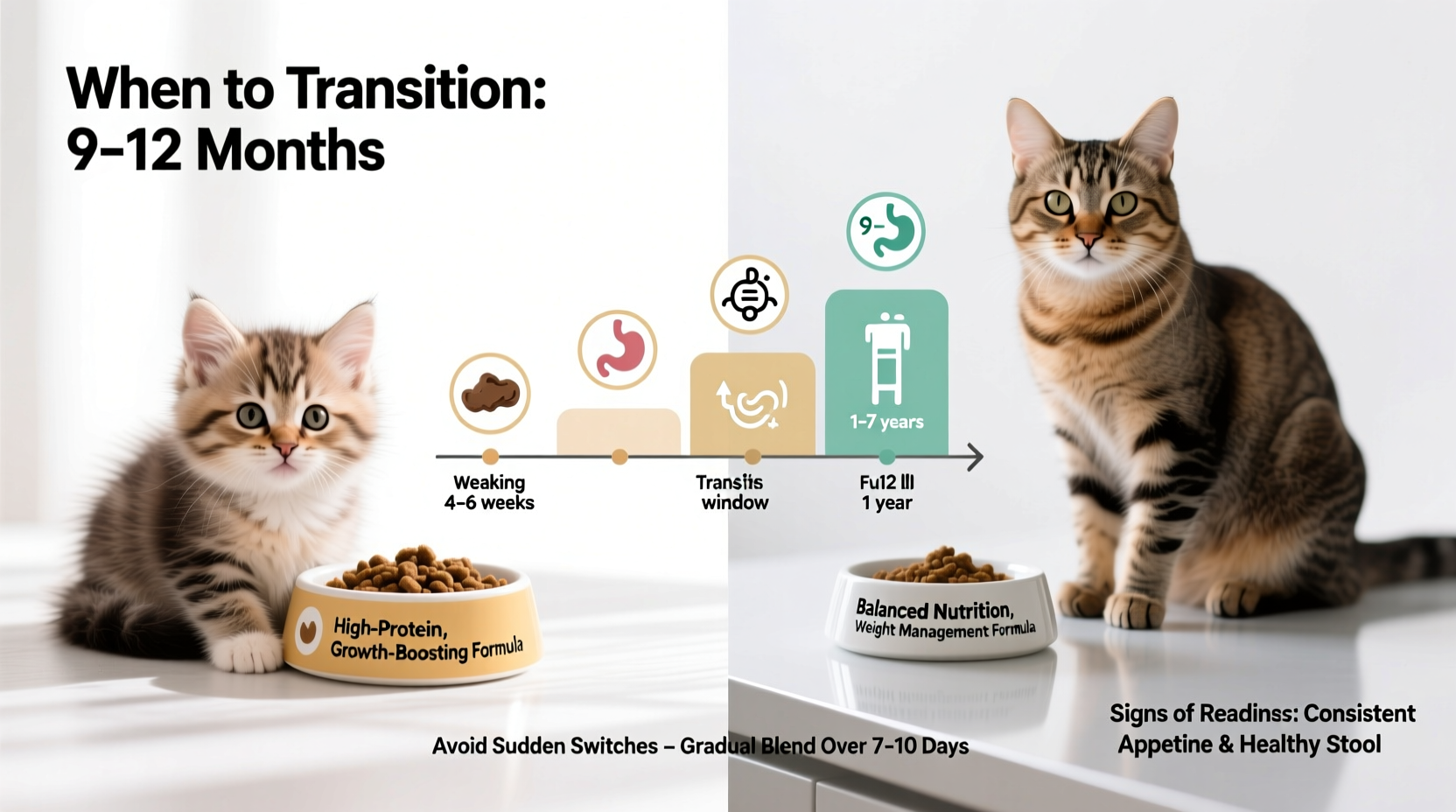
Kittens grow rapidly in their first year, gaining muscle, bone mass, and neurological development at an astonishing rate. To support this intense growth phase, kitten food is specially formulated to be more calorie-dense and nutrient-rich than adult cat food. It contains higher levels of protein, fat, and essential vitamins and minerals such as taurine, calcium, and DHA (an omega-3 fatty acid crucial for brain and vision development).
In contrast, adult cat food is balanced for maintenance rather than growth. It provides sufficient energy and nutrients to sustain daily activity without promoting excess weight gain. While both life stages require high-quality animal-based protein, the concentration and caloric density are significantly lower in adult formulas.
Tip: Always check the label for AAFCO (Association of American Feed Control Officials) statements confirming the food is \"formulated for growth\" (kitten) or \"maintenance\" (adult).The metabolic demands of kittens are up to two to three times higher per pound of body weight compared to adult cats. This means they need frequent meals—often three to four times a day—while adults typically do well with one or two feedings. Overfeeding an adult cat with kitten food can result in excessive calorie intake, leading to obesity, joint stress, and even diabetes over time.
When to Transition: A Timeline Based on Development
Most veterinarians recommend transitioning from kitten to adult food between 10 and 12 months of age. However, this timeline isn't one-size-fits-all. Some larger breeds, like Maine Coons or Norwegian Forest Cats, may continue growing until 18 to 24 months and benefit from staying on kitten food longer. Conversely, smaller breeds may reach maturity earlier and be ready for adult food by 9 or 10 months.
The transition should never be abrupt. Sudden dietary changes can cause gastrointestinal upset, including vomiting, diarrhea, or appetite loss. Instead, a gradual shift over 7 to 10 days allows the cat’s digestive system to adapt smoothly.
Step-by-Step Transition Timeline
- Days 1–2: Mix 75% kitten food with 25% adult food.
- Days 3–4: Use a 50/50 blend of both foods.
- Days 5–7: Shift to 75% adult food and 25% kitten food.
- Day 8 onward: Feed 100% adult cat food if no digestive issues arise.
If your cat shows signs of discomfort—such as loose stools or refusal to eat—slow down the process. Extend each phase by a few days before progressing. Patience ensures a successful transition without unnecessary stress for your pet.
Signs Your Cat Is Ready for Adult Food
Age is a guideline, but physical and behavioral indicators provide more accurate signals that your cat has reached adulthood. Watch for these key signs:
- Slowed growth rate: If your cat hasn’t gained noticeable weight or length in several weeks, growth has likely plateaued.
- Decreased appetite: Kittens often seem perpetually hungry. A reduced interest in food or fewer requests for extra meals may suggest lower energy demands.
- Calmer behavior: While personality varies, many cats become less hyperactive after their first birthday, spending more time resting and grooming.
- Dental maturity: By 6–7 months, all permanent teeth have usually erupted. Though not a direct indicator for diet change, full dentition aligns with overall physical maturation.
- Body condition score improvement: If your cat begins to look slightly overweight on kitten food despite normal portion sizes, it may be time to switch.
Monitoring your cat’s body condition using a standardized scale (from underweight to obese) can help determine readiness. A healthy adult cat should have a visible waist when viewed from above and easily palpable ribs with a thin layer of fat.
“Nutrition must match life stage. Feeding kitten food beyond 12 months to a healthy domestic shorthair increases obesity risk by nearly 40%.” — Dr. Linda Osborne, DVM, Board-Certified Veterinary Nutritionist
Choosing the Right Adult Food: What to Look For
Not all adult cat foods are created equal. The market offers a wide range of options, from budget kibble to premium grain-free formulas. To ensure your cat receives optimal nutrition, consider the following criteria:
| Nutrient | Kitten Food Requirement | Adult Cat Food Requirement | Notes |
|---|---|---|---|
| Protein | 30–35% (minimum) | 26–30% | Source matters—animal-based proteins are superior. |
| Fat | 8–10% | 9–15% | Kittens need more fat for energy; adults need balance. |
| Calories per cup | ~400–500 kcal | ~300–400 kcal | Check packaging—density varies widely. |
| Taurine | 0.1% minimum | 0.1% minimum | Critical for heart and eye health at all life stages. |
Look for whole meat ingredients listed first—such as chicken, turkey, or salmon—rather than by-products or plant-based fillers. Avoid foods with artificial preservatives like BHA or ethoxyquin. Wet food can be an excellent addition to a dry-food diet, especially for cats prone to urinary tract issues, as it increases hydration.
Tip: Rotate protein sources occasionally (e.g., chicken, fish, duck) to prevent food sensitivities and provide a broader nutrient profile.Common Mistakes to Avoid During the Transition
Even with good intentions, cat owners often make errors that compromise their pet’s health during the switch from kitten to adult food. Here are the most frequent missteps—and how to avoid them:
- Mixing brands without research: Not all foods are compatible. Combining different formulations may imbalance nutrient intake or cause digestive distress.
- Transitioning too quickly: Rushing the process leads to soft stools or refusal to eat. Stick to the 7–10 day plan.
- Free-feeding kitten food indefinitely: Unlimited access to high-calorie food encourages overeating, especially in indoor, less active cats.
- Ignoring individual needs: Neutered/spayed cats have lower metabolic rates and may need adult food sooner. Senior cats (7+ years) have different requirements altogether.
- Assuming “all life stages” food is ideal: These formulas meet minimum standards for both kittens and adults but may not be optimal for either. They’re convenient but not always best.
Mini Case Study: Bella the British Shorthair
Bella, a female British Shorthair, was weaned onto a high-quality kitten kibble at 8 weeks. Her owner, Sarah, diligently followed feeding guidelines and noticed rapid growth and shiny coat development. At 10 months, however, Bella began gaining weight despite consistent portions. She slept more and showed little interest in play.
Sarah consulted her vet, who assessed Bella’s body condition score at 6/9 (overweight) and recommended transitioning to adult food. Following a 10-day gradual switch, Bella’s appetite stabilized, her energy improved, and she lost excess weight within two months. The vet emphasized that early spaying had reduced Bella’s caloric needs, making continued kitten food inappropriate.
This case illustrates how individual factors—like breed, metabolism, and reproductive status—must inform feeding decisions, not just calendar age.
Frequently Asked Questions
Can I keep my cat on kitten food forever if they seem to like it?
No. While some cats enjoy the taste and texture of kitten food, long-term use can lead to obesity, liver strain, and nutrient imbalances. Kitten food is designed for growth, not lifelong maintenance. Continuing it past 12–18 months increases health risks unnecessarily.
What if my adult cat refuses to eat adult food?
Start by mixing a small amount of adult food with the familiar kitten formula. Warm the food slightly or add a teaspoon of low-sodium broth to enhance aroma. If refusal persists beyond a week, consult your veterinarian—there may be underlying dental pain or gastrointestinal sensitivity.
Should I switch to senior food after adult food?
Typically around age 7, cats enter their senior years and may benefit from specialized senior formulas. These often include joint support (glucosamine), kidney-friendly phosphorus levels, and enhanced antioxidants. However, healthy seniors may thrive on quality adult food with adjusted portions.
Final Checklist: Transitioning with Confidence
- ✅ Assess your cat’s age and breed:
- Know whether your cat matures early or late.
- ✅ Monitor growth and behavior:
- Look for slowed growth, reduced appetite, and increased rest.
- ✅ Choose a high-quality adult food:
- Prioritize animal-based protein and balanced nutrients.
- ✅ Plan a 7–10 day transition:
- Mix increasing amounts of adult food gradually.
- ✅ Watch for digestive issues:
- Diarrhea, vomiting, or appetite loss mean you should slow down.
- ✅ Schedule a vet checkup:
- Get professional confirmation that your cat is ready for the switch.
Conclusion: Nourish Each Life Stage Appropriately
Understanding the difference between kitten and adult cat food is fundamental to responsible pet ownership. Kittens need fuel for explosive growth, while adult cats require balanced nutrition for sustained health. The transition isn’t merely a date on the calendar—it’s a thoughtful process guided by observation, science, and veterinary insight. By paying attention to your cat’s physical development, energy levels, and eating habits, you can make the switch at the right time and set the foundation for a long, vibrant life.
💬 Have experience transitioning your cat? Share your story or tips in the comments—your insights could help another pet parent make the right choice!








