Choosing the right dog food isn’t just about brand recognition or marketing claims—it’s about understanding what goes into the kibble and how it affects your dog’s long-term health. With growing interest in clean-label pet foods, brands like Kindfull have emerged as transparent alternatives to established names like Blue Buffalo. But how do they stack up? And more importantly, is Blue Buffalo actually a good choice for your dog?
This comparison dives deep into ingredient quality, nutritional balance, safety history, and real-world feeding results to give you a clear picture of both brands—so you can make an informed decision based on science, not slogans.
Understanding the Brands: Philosophy and Transparency
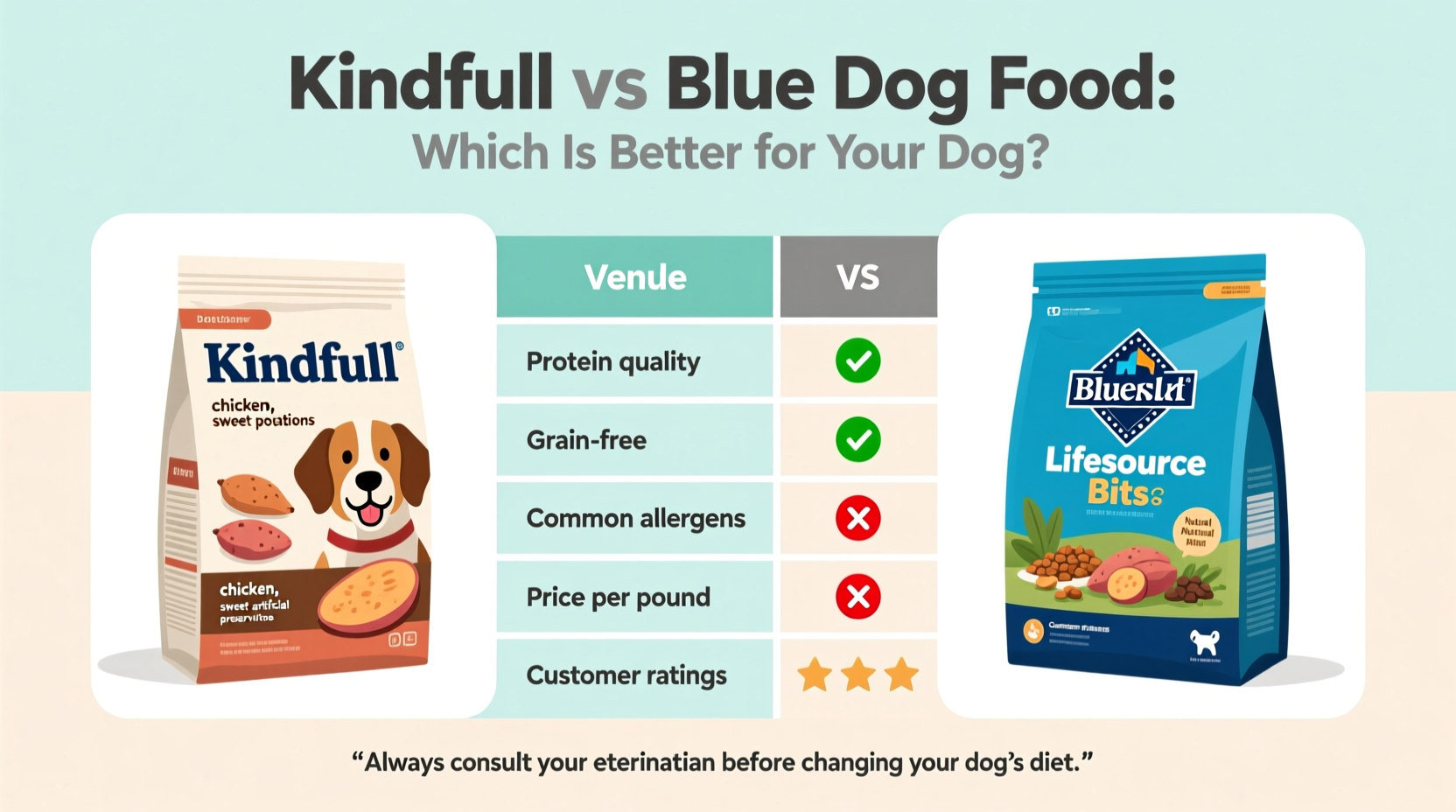
Blue Buffalo launched in 2002 with a mission to offer “natural” pet food using real meat, whole grains, and added life-source bits—a proprietary blend of vitamins and antioxidants. It quickly gained popularity through emotional advertising and strong retail presence. However, over the years, it has faced scrutiny over ingredient sourcing and litigation related to its “no poultry by-products” claim.
In contrast, Kindfull is a newer direct-to-consumer brand focused on radical transparency. Every recipe lists exact ingredient sources, including farm locations where possible. The brand avoids synthetic additives and emphasizes human-grade components. Unlike many legacy brands, Kindfull discloses third-party testing results and manufacturing facility audits online.
“Transparency isn’t a trend—it’s becoming a baseline expectation among informed pet owners.” — Dr. Lena Patel, Veterinary Nutritionist, UC Davis School of Veterinary Medicine
Ingredient Comparison: What’s Really in the Bag?
The foundation of any dog food evaluation lies in its ingredient list. While marketing may highlight “grain-free” or “high-protein,” what matters most is nutrient bioavailability, ingredient quality, and absence of fillers.
| Factor | Blue Buffalo | Kindfull |
|---|---|---|
| Primary Protein Source | Deboned chicken, lamb, or fish (varies by line) | Named animal proteins (e.g., USDA-inspected chicken breast) |
| Grain-Free Options | Yes (Life Protection, Freedom lines) | |
| Artificial Additives | No artificial flavors/colors, but uses some preservatives (mixed tocopherols + rosemary extract) | None—preserved only with natural antioxidants |
| Fillers & By-Products | No poultry by-products claimed; uses brewers rice, pea starch | No fillers, no by-products, no generic meals |
| Sourcing Transparency | Limited—ingredients listed generally | High—farm origins disclosed per batch |
While Blue Buffalo avoids artificial colors and flavors, its use of ingredients like corn gluten meal and brewers rice raises concerns for dogs with sensitivities. Kindfull opts for whole-food carbohydrates such as sweet potatoes and chickpeas, which are easier to digest and lower on the glycemic index.
Tip: Always check the first five ingredients. If they’re all protein-rich meats or whole vegetables, you're likely looking at a high-quality formula.Safety and Recall History
A brand’s track record matters. Even premium formulations lose credibility if compromised by contamination or mislabeling.
Blue Buffalo has had multiple recalls since 2007, including:
- 2007: Melamine contamination during the widespread pet food crisis
- 2011: Potential salmonella risk due to dried egg product
- 2015: Inconsistent nutrient levels (too much vitamin D)
- 2017: Legal settlement over false \"no poultry by-products\" claims
Kindfull, being newer and operating under stricter batch-control protocols, has zero recalls to date. Each production run undergoes third-party lab testing for pathogens, heavy metals, and nutrient consistency before release.
Manufacturing also plays a role. Blue Buffalo uses co-packers across the U.S., which can lead to variability. Kindfull produces in a single FDA-registered, SQF-certified kitchen with full traceability from raw material to finished product.
Real-World Feeding Outcomes: A Mini Case Study
Sophia, a Boston Terrier owner from Portland, OR, switched her 4-year-old dog Max from Blue Buffalo Life Protection Chicken & Brown Rice to Kindfull’s Turkey & Sweet Potato formula after noticing chronic ear infections and dull coat quality.
Within six weeks:
- Shedding decreased significantly
- Ear inflammation reduced (confirmed by vet visit)
- Energy levels improved during walks
- Stool became firmer and less odorous
Her veterinarian noted better skin hydration and suggested the change might have eliminated a low-grade food sensitivity. While individual results vary, Sophia’s experience reflects broader trends seen in dogs transitioning from conventional to transparent, minimal-ingredient diets.
Nutritional Adequacy and AAFCO Standards
Both brands meet AAFCO (Association of American Feed Control Officials) standards for maintenance diets. However, meeting minimum requirements doesn’t guarantee optimal nutrition.
Blue Buffalo formulates to AAFCO profiles using synthetic vitamin premixes. This ensures compliance but may result in lower bioavailability compared to nutrients derived from whole foods.
Kindfull incorporates many nutrients through natural sources—such as egg yolks for choline, seaweed for iodine, and organ meats for B12—reducing reliance on synthetic additives. Their approach aligns more closely with ancestral canine diets while still passing all regulatory thresholds.
For dogs with medical conditions like kidney disease or pancreatitis, veterinary guidance is essential. Neither brand offers prescription-level therapeutic diets, though Kindfull’s limited ingredient options may be suitable for elimination trials under supervision.
Checklist: How to Evaluate Any Dog Food Brand
- Review the first five ingredients—do they include named animal proteins?
- Look for artificial preservatives (BHA, BHT, ethoxyquin) or synthetic dyes
- Check for common allergens if your dog has sensitivities (corn, soy, wheat)
- Research recall history via the FDA database
- Verify manufacturing location and whether facilities are audited
- Determine if ingredient sourcing is transparent (not just “chicken meal” but origin details)
- Assess cost per ounce and factor in caloric density—not just price per bag
Frequently Asked Questions
Is Blue Buffalo considered a premium dog food?
Blue Buffalo markets itself as a premium brand, and it sits above economy labels in terms of ingredient selection. However, compared to truly high-end or fresh-food brands, it relies heavily on processed ingredients and has a problematic recall and litigation history. Many veterinarians classify it as mid-tier rather than premium.
Can I switch my dog from Blue Buffalo to Kindfull safely?
Yes, but transition gradually over 7–10 days. Start with 25% new food mixed into 75% old food, increasing the ratio every two days. Sudden changes can cause digestive upset. Monitor stool quality, energy, and appetite throughout.
Why is Kindfull more expensive than Blue Buffalo?
Kindfull uses higher-cost ingredients (human-grade meat, organic produce), invests in third-party testing, and operates with smaller batch sizes. You’re paying for traceability, freshness, and cleaner formulations—not mass-market convenience.
Final Verdict: Is Blue Buffalo Good for Your Dog?
Blue Buffalo is not inherently harmful and can support basic health in many dogs. It’s certainly better than low-cost grocery store brands filled with corn and rendered fats. However, its inconsistent quality control, past legal issues, and reliance on processed ingredients make it a less-than-ideal long-term choice, especially for dogs with allergies, sensitivities, or high-performance needs.
Kindfull represents a new generation of pet food brands built on honesty, science, and accountability. While pricier, its commitment to purity, digestibility, and measurable health outcomes makes it a compelling upgrade for owners seeking better nutrition.
If your dog thrives on Blue Buffalo with no adverse reactions, there may be no urgent need to change. But if you’ve noticed recurring skin issues, gastrointestinal problems, or lackluster energy, exploring a cleaner alternative like Kindfull could yield meaningful improvements.
💬 Have you tried switching from Blue Buffalo to Kindfull—or another clean-label brand? Share your story in the comments to help fellow pet parents make confident choices.








