Itchy elbows are a surprisingly common complaint that can range from a mild annoyance to a persistent, disruptive condition. While occasional itching may not be concerning, chronic or severe discomfort often signals an underlying skin issue or environmental trigger. Understanding the root causes—and knowing how to respond—can make a significant difference in managing symptoms and restoring comfort.
Common Causes of Itchy Elbows
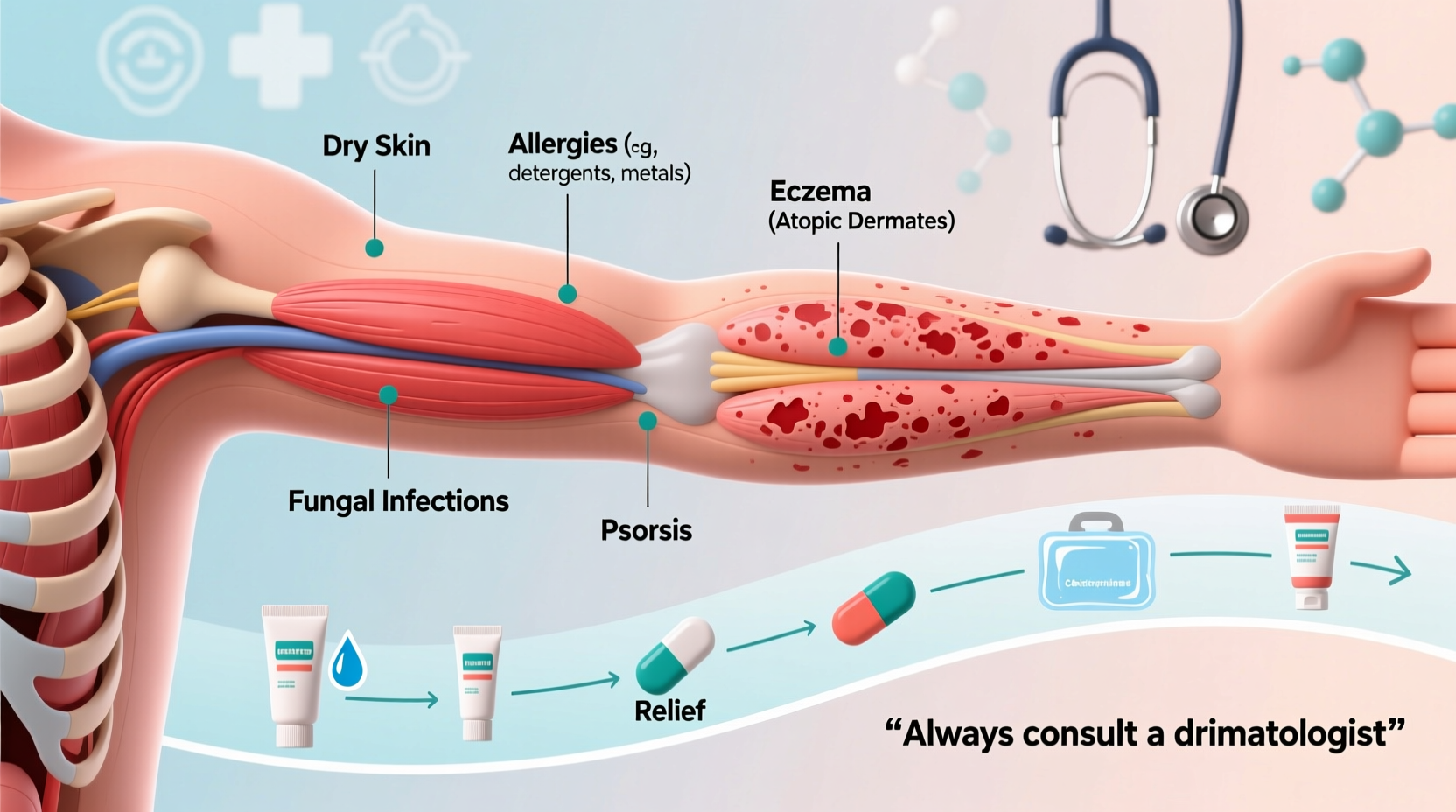
The elbow’s unique position and skin structure make it prone to irritation. Frequent bending, friction from clothing or surfaces, and thicker skin with fewer oil glands contribute to dryness and sensitivity. Several conditions frequently manifest as itchiness in this area.
- Dry Skin (Xerosis): Especially prevalent in winter or low-humidity environments, dry skin on the elbows can crack and become intensely itchy.
- Atopic Dermatitis (Eczema): A chronic inflammatory skin condition often affecting joints like elbows. It presents with red, scaly, and extremely itchy patches.
- Psoriasis: An autoimmune disorder causing rapid skin cell buildup. Elbows are a common site for thick, silvery plaques that itch or burn.
- Contact Dermatitis: Triggered by allergens or irritants such as soaps, detergents, metals, or synthetic fabrics rubbing against the elbow.
- Keratosis Pilaris: Often called \"chicken skin,\" this harmless condition causes small, rough bumps due to blocked hair follicles, commonly on elbows and arms.
- Insect Bites or Scabies: Localized bites or parasitic infestations can cause intense itching, sometimes concentrated on exposed areas like elbows.
- Fungal Infections: Conditions like tinea corporis (ringworm) may appear on the elbows as circular, red, itchy rashes.
Relief Strategies for Immediate Comfort
When the urge to scratch strikes, immediate relief is essential. These practical steps can reduce irritation and soothe the skin without medication.
- Cool Compresses: Apply a clean, damp cloth chilled in the refrigerator for 10–15 minutes to calm inflamed skin.
- Oatmeal Soaks: Colloidal oatmeal baths or compresses help reduce itching and inflammation naturally.
- Moisturize Frequently: Use fragrance-free, hypoallergenic lotions or creams immediately after bathing to lock in moisture.
- Wear Soft Fabrics: Choose loose-fitting cotton clothing to minimize friction and allow the skin to breathe.
- Avoid Hot Showers: Hot water strips natural oils. Opt for lukewarm showers under 10 minutes.
“Persistent itching on the elbows should never be ignored. Early intervention prevents complications like lichenification—the thickening of skin from repeated scratching.” — Dr. Lena Patel, Board-Certified Dermatologist
Treatment Options Based on Cause
Effective treatment depends on accurately identifying the underlying condition. Misdiagnosis can lead to ineffective or even harmful interventions.
| Condition | Symptoms | Recommended Treatment |
|---|---|---|
| Dry Skin | Flaky, tight, non-inflammatory skin | Emollients (e.g., ceramide creams), humidifiers, gentle cleansers |
| Eczema | Red, cracked, oozing patches; intense itch | Topical corticosteroids, moisturizers, antihistamines |
| Psoriasis | Thick, silvery scales; well-defined borders | Topical vitamin D analogs, phototherapy, systemic medications |
| Contact Dermatitis | Itching, redness, blistering after exposure | Avoid irritant, topical steroids, barrier creams |
| Keratosis Pilaris | Small, painless bumps; sandpaper texture | Exfoliants (lactic acid, urea), regular moisturizing |
| Fungal Infection | Circular rash with raised edges, spreading | Antifungal creams (clotrimazole, terbinafine) |
Step-by-Step Guide to Managing Chronic Itchy Elbows
If your symptoms persist beyond a few days or worsen, follow this structured approach to regain control.
- Assess the Pattern: Note when the itching started, any triggers (soaps, stress, weather), and whether it affects other body parts.
- Eliminate Irritants: Switch to fragrance-free laundry detergent, avoid wool clothing, and use mild, soap-free cleansers.
- Begin a Skincare Routine: Apply a thick moisturizer twice daily, especially after bathing. Look for ingredients like glycerin, ceramides, or shea butter.
- Try Over-the-Counter Treatments: Use hydrocortisone cream (1%) for up to one week if eczema is suspected. For fungal concerns, apply antifungal cream as directed.
- Monitor Progress: Track changes over 7–10 days. If no improvement—or signs of infection (oozing, warmth, fever)—consult a healthcare provider.
- Seek Professional Diagnosis: A dermatologist can perform patch testing, skin scraping, or biopsy to confirm the cause and recommend targeted therapy.
Real-Life Example: Sarah’s Story
Sarah, a 34-year-old office worker, noticed her elbows becoming increasingly itchy and scaly during winter. She initially dismissed it as dry skin and applied hand lotion occasionally. However, the itching worsened at night, disrupting her sleep. After using a steroid cream from her medicine cabinet for two weeks with only temporary relief, she visited a dermatologist.
Upon examination, the doctor diagnosed mild psoriasis exacerbated by indoor heating and frequent hand-washing with harsh soaps. Sarah was prescribed a calcipotriene cream and advised to install a humidifier at home. She also switched to a sulfate-free body wash and began applying a thick emollient daily. Within three weeks, her symptoms improved significantly. The key, she noted, was consistency and professional guidance—not guesswork.
Prevention Checklist
To reduce the likelihood of future flare-ups, follow this actionable checklist:
- ✅ Moisturize elbows daily, especially after showering
- ✅ Use lukewarm water and limit shower time to under 10 minutes
- ✅ Wear soft, breathable clothing to reduce friction
- ✅ Identify and avoid personal skin irritants (e.g., nickel, fragrances)
- ✅ Maintain indoor humidity between 40–60%
- ✅ Avoid scratching; trim nails and wear cotton gloves at night if needed
- ✅ Re-evaluate skincare products every 6 months for potential sensitization
Frequently Asked Questions
Can stress cause itchy elbows?
Yes, stress can exacerbate conditions like eczema and psoriasis by triggering inflammatory responses in the body. Managing stress through mindfulness, exercise, or therapy may help reduce flare-ups.
Is it safe to use hydrocortisone cream on the elbows long-term?
No. Prolonged use of topical steroids on thick skin areas like elbows can lead to thinning, discoloration, or telangiectasia (visible blood vessels). Limit over-the-counter use to one week unless directed otherwise by a doctor.
Why do my elbows itch more at night?
Nighttime itching is common due to reduced distractions, lower cortisol levels, and increased skin temperature under bedding. Applying a thick moisturizer before bed and wearing soft pajamas can help minimize discomfort.
Take Control of Your Skin Health
Itchy elbows are more than just a minor nuisance—they can signal deeper skin issues that benefit from timely care. Whether the cause is dryness, an immune response, or an environmental trigger, effective relief begins with understanding and action. By adopting consistent skincare habits, recognizing warning signs, and seeking expert advice when needed, you can restore comfort and confidence in your skin.
💬 Have you found a solution that works for your itchy elbows? Share your experience in the comments to help others find relief.








