For years, the battle between Apple’s iPhone and Samsung’s Galaxy lineup has defined the premium smartphone market. When comparing two devices from their respective 2021 flagship ranges — the iPhone 13 (a fair counterpart to the S21 Plus) and the Samsung Galaxy S21 Plus — the question isn’t just about specs. It’s about real-world experience, longevity, ecosystem integration, and whether the premium price of an iPhone truly delivers more value than its Android rival.
This isn’t a fanboy debate. It’s a grounded, practical look at what each phone offers, where they fall short, and who should actually consider one over the other.
Performance and Longevity: Beyond Raw Speed
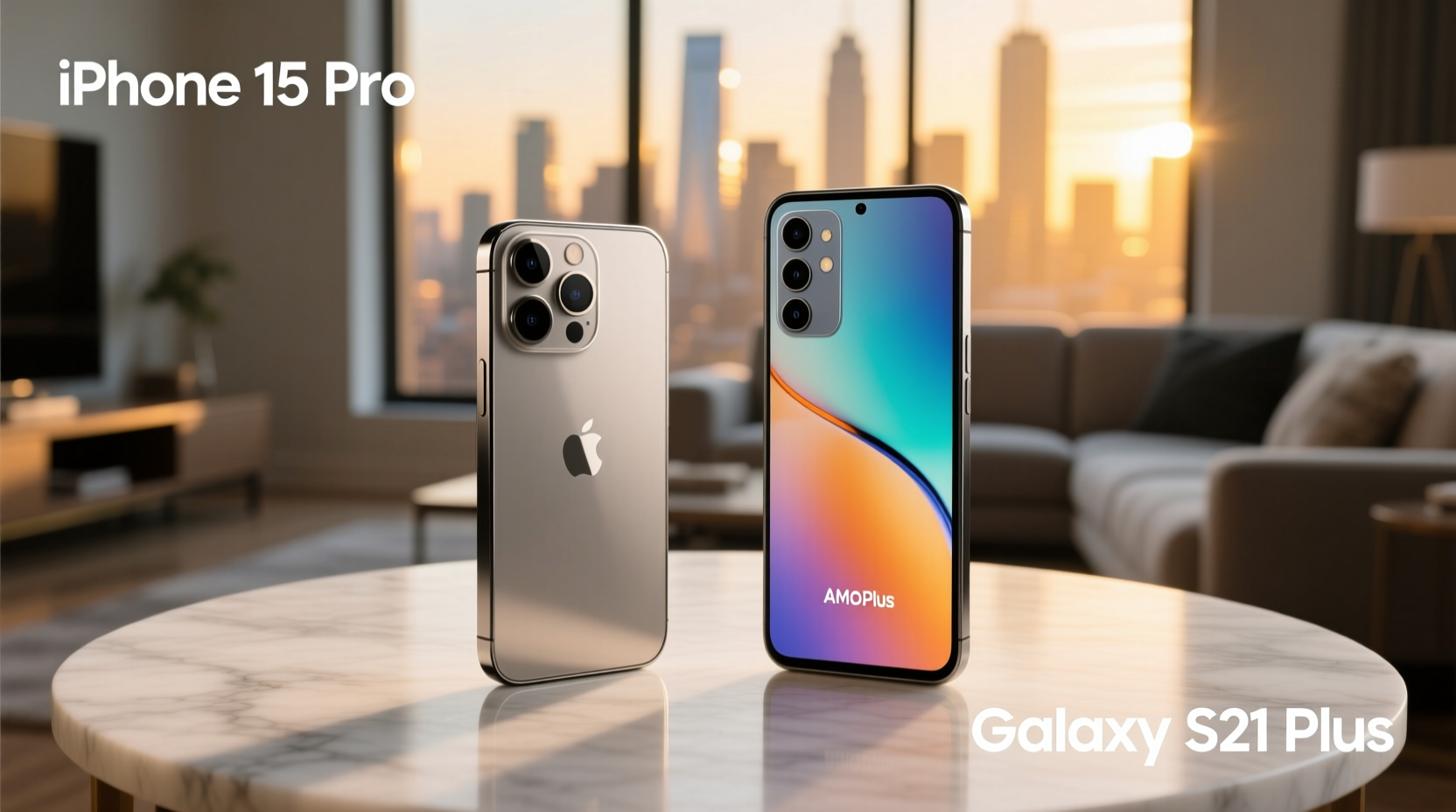
The iPhone runs on Apple’s A15 Bionic chip, while the S21 Plus uses either the Exynos 2100 or Snapdragon 888, depending on region. On paper, both are powerful. In practice, the A15 consistently outperforms its rivals in CPU and GPU benchmarks, but real-life usage reveals more nuance.
iOS is optimized tightly with Apple’s hardware. This means smoother animations, fewer background hiccups, and longer-term software support. iPhones typically receive five to six years of OS updates — a major advantage for users who keep devices long-term.
In contrast, Samsung promises four years of OS upgrades and five years of security patches — strong by Android standards, but still behind Apple. After three years, some S21 Plus users report minor lag during multitasking or app launches, especially if using heavier apps like video editors or cloud-based productivity tools.
Tip: If you plan to keep your phone beyond three years, the iPhone’s update policy gives it a clear edge in long-term usability.Camera: Philosophy Over Megapixels
Samsung pushes high-resolution sensors, variable apertures, and AI enhancements. The S21 Plus features a 64MP telephoto, 12MP wide, and 12MP ultrawide setup. Apple, meanwhile, sticks with a dual 12MP system on the iPhone 13 (no dedicated telephoto), relying on computational photography.
In daylight, both capture excellent photos. The S21 Plus offers more flexibility with zoom (up to 3x hybrid, 30x digital), making it better for distant subjects. However, color science can be inconsistent — skies sometimes appear oversaturated, and skin tones occasionally lean too warm.
The iPhone excels in consistency. Photos look natural, dynamic range is superb, and Smart HDR handles tricky lighting gracefully. Video quality is where the iPhone pulls far ahead — Dolby Vision recording at 4K/60fps is unmatched in the Android world, even on newer models.
“Apple treats the camera as part of a larger storytelling tool, not just a spec sheet feature.” — David Kim, Mobile Photographer & Tech Journalist
Ecosystem Integration: The Invisible Advantage
This is where the iPhone separates itself — not through hardware, but through ecosystem synergy. If you own a Mac, iPad, or Apple Watch, the iPhone becomes the central hub. AirDrop, Handoff, Universal Clipboard, and seamless iCloud syncing make switching between devices effortless.
Messages sync across devices. Calls and texts can be answered from a MacBook. Your iPad can use your iPhone’s personal hotspot automatically. These small conveniences compound over time, reducing friction in daily workflows.
Samsung offers Galaxy Ecosystem perks too — Quick Share, Phone Link with Windows, and SmartThings — but they’re less polished and inconsistently supported. For example, Samsung Messages doesn’t sync across tablets unless you use third-party apps, and cross-device file transfer lacks the speed and reliability of AirDrop.
Display and Design: Different Priorities
The S21 Plus has a 6.7-inch Dynamic AMOLED 2X display with a 120Hz refresh rate — smooth, bright, and adaptive. The iPhone 13, despite being slightly smaller at 6.1 inches, uses a 60Hz OLED panel. That difference is noticeable; scrolling feels snappier on Samsung.
But Apple compensates with superior color accuracy and brightness calibration. True Tone adjusts white balance based on ambient light, which reduces eye strain indoors. The iPhone also has a ceramic shield front cover, proven to resist drops better than most competitors.
Design-wise, the S21 Plus feels sleeker and lighter, but its plastic back (despite the glass-like finish) doesn’t convey the same premium feel as the iPhone’s matte aluminum and glass build. Some users report the S21 Plus picks up scratches more easily, especially around the camera housing.
| Feature | iPhone 13 | Samsung S21 Plus |
|---|---|---|
| Display Size | 6.1” OLED | 6.7” Dynamic AMOLED 2X |
| Refresh Rate | 60Hz | Adaptive 120Hz |
| Chipset | A15 Bionic | Snapdragon 888 / Exynos 2100 |
| Rear Cameras | Dual 12MP | Triple: 12MP+12MP+64MP |
| Video Recording | 4K Dolby Vision HDR | 8K@24fps (no HDR in 8K) |
| Software Support | ~6 years | ~4 years |
| Battery Life | Excellent (all-day) | Very Good (heavy users may need recharge) |
| Water Resistance | IP68 (6m, 30min) | IP68 (1.5m, 30min) |
Battery and Charging: Practical Realities
The S21 Plus has a 4,800mAh battery versus the iPhone 13’s 3,240mAh. On paper, that’s a big gap. In practice, both last a full day under moderate use, thanks to aggressive power management.
However, the S21 Plus drains faster when using 120Hz mode or 5G connectivity. Also, Samsung doesn’t include a charger in the box — same as Apple — but supports faster charging (25W vs. iPhone’s 20W). Neither supports wireless charging speeds above 10W without proprietary accessories.
Tip: To maximize battery life on either device, disable unnecessary background app refresh and reduce screen brightness manually instead of relying on auto-brightness.Mini Case Study: Sarah, Freelance Designer
Sarah used the S21 Plus for nine months before switching to an iPhone 13. She loved the screen and zoom camera for client photo reviews, but struggled with app crashes during video calls and inconsistent file syncing across her Windows laptop and Samsung tablet. After moving to an iPhone and MacBook Air, she noticed immediate improvements: files updated instantly, FaceTime calls were stable, and her design apps ran smoother. “The hardware isn’t always better,” she said, “but everything just works together now.”
FAQ
Is the iPhone more expensive in the long run?
Initially, yes — iPhones often cost more upfront. But with longer software support and higher resale value (often 10–20% higher after two years), the total cost of ownership can be lower if you upgrade every 3–4 years.
Can the S21 Plus compete with the iPhone in daily use?
Absolutely. For most tasks — browsing, social media, messaging, streaming — both phones perform flawlessly. The differences emerge in ecosystem integration, long-term updates, and video quality, not basic functionality.
Which phone is better for photographers?
It depends. The S21 Plus offers more zoom versatility and manual controls via Pro Mode. But the iPhone produces more consistent, natural-looking photos with minimal editing. For casual and professional videographers, the iPhone remains the top choice.
Checklist: Choosing Between iPhone and S21 Plus
- ✅ Need seamless integration with Mac or iPad? → iPhone
- ✅ Want the smoothest scrolling and highest resolution display? → S21 Plus
- ✅ Plan to keep the phone for 4+ years? → iPhone (longer updates)
- ✅ Frequently record videos? → iPhone (Dolby Vision, better stabilization)
- ✅ Prefer customizable software and expandable features? → S21 Plus
- ✅ Use Windows or non-Samsung devices? → Either, but iPhone may still offer better cross-platform tools
Conclusion: Worth the Hype? Only If It Fits Your Life
The iPhone isn’t inherently “better” than the Samsung S21 Plus. But for many users, it’s more *cohesive*. The hype exists because Apple delivers a tightly controlled experience — predictable, reliable, and deeply integrated. You’re not just buying a phone; you’re buying into a lifestyle where devices communicate effortlessly.
The S21 Plus is a technically impressive device with cutting-edge hardware and greater flexibility. But unless you’re someone who values customization, high-refresh displays, or Samsung-specific features like DeX or Knox security, the advantages diminish over time.
🚀 Ready to decide? Ask yourself: Do I want the best standalone phone, or the best part of a connected ecosystem? Your answer will tell you which device is truly worth the hype.








