Facial steaming is a time-honored skincare ritual praised for opening pores, loosening debris, and enhancing product absorption. While the method itself is simple—exposing your face to warm, moist air—the choice of water used can significantly impact both effectiveness and safety. Many people assume that any clean water will do, often reaching for tap water without a second thought. But is that truly the best option? With growing awareness about environmental pollutants, mineral buildup, and skin sensitivities, the debate between tap water and distilled water for facial steaming has gained traction among dermatologists and skincare enthusiasts alike.
The answer isn't a simple yes or no—it depends on your skin type, local water quality, and long-term skincare goals. Understanding the differences between tap and distilled water, their effects on the skin, and potential risks associated with each can help you make an informed decision that supports radiant, irritation-free skin.
Understanding Tap Water Composition
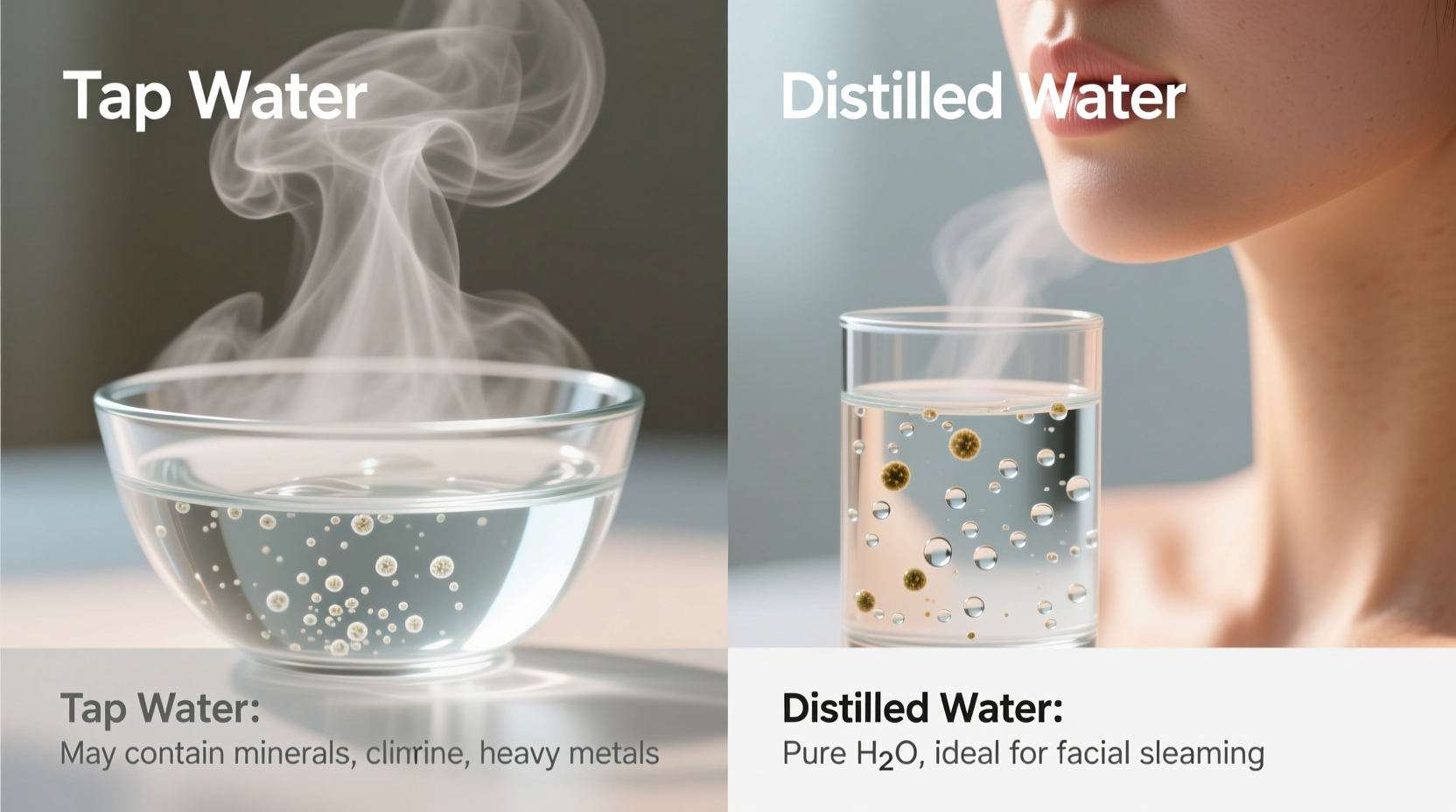
Tap water varies dramatically depending on geographic location, municipal treatment processes, and plumbing infrastructure. In most urban areas, tap water undergoes filtration and disinfection to meet public health standards. However, it still contains a range of dissolved substances, including:
- Minerals: Calcium, magnesium, and iron—commonly referred to as “hard water” components.
- Chlorine and chloramines: Used to kill bacteria but can be drying or irritating to sensitive skin.
- Fluoride: Added in many regions to support dental health, though its topical effects are debated.
- Trace metals: Lead, copper, or aluminum may leach from aging pipes.
- Sediment and microplastics: Emerging concerns in modern water supplies.
When tap water is heated during facial steaming, these impurities don’t disappear—they vaporize along with the steam and come into direct contact with your skin. For individuals with sensitive, acne-prone, or compromised skin barriers, this exposure can lead to redness, dryness, or even breakouts over time.
Tip: If you're unsure about your tap water quality, request a Consumer Confidence Report (CCR) from your local water provider—it’s legally required in the U.S. and offers detailed contaminant analysis.What Makes Distilled Water Different?
Distilled water is produced through a process of boiling water and condensing the steam back into liquid form, effectively removing nearly all minerals, chemicals, and contaminants. The result is ultra-pure H₂O with no added ions or particulates. This purity makes it ideal for applications where mineral deposits or chemical residues are undesirable—including laboratory settings, medical devices, and high-end skincare routines.
Because distilled water lacks chlorine, fluoride, and heavy metals, it minimizes the risk of introducing irritants to the skin during steaming. It also prevents mineral buildup in facial steamers, extending the life of the device and ensuring consistent performance.
While more expensive than tap water and less environmentally sustainable due to packaging and production energy, distilled water offers a controlled, predictable experience—especially valuable for those managing conditions like rosacea, eczema, or reactive acne.
“Using distilled water eliminates variables that could compromise skin tolerance. For patients with inflammatory skin disorders, I always recommend avoiding tap water in steaming.” — Dr. Lena Torres, Board-Certified Dermatologist
Comparing Safety, Efficacy, and Practicality
To better understand the trade-offs, consider the following comparison:
| Factor | Tap Water | Distilled Water |
|---|---|---|
| Purity | Contains minerals, chlorine, possible contaminants | Nearly 100% pure H₂O |
| Skin Sensitivity Risk | Moderate to high (varies by region) | Very low |
| Device Maintenance | High mineral content leads to scaling and clogs | Prevents limescale; extends steamer lifespan |
| Cost | Minimal (already available at home) | Higher per liter (requires purchase) |
| Environmental Impact | Low (no packaging) | Moderate to high (plastic bottles, energy-intensive distillation) |
| Accessibility | Immediate and universal | Requires store purchase or home distiller |
This table highlights a key insight: while tap water wins on convenience and cost, distilled water excels in safety, consistency, and equipment longevity. For casual users with resilient skin and soft water, tap may suffice. But for optimal results and minimal risk, especially in daily or clinical routines, distilled water is superior.
Step-by-Step Guide to Safe Facial Steaming
Regardless of which water type you choose, proper technique ensures maximum benefit and minimal irritation. Follow this science-backed routine:
- Cleanse First: Wash your face with a gentle cleanser to remove makeup, oil, and surface dirt.
- Heat the Water: Bring 2–3 cups of distilled (or filtered tap) water to a simmer. Do not boil excessively—just until steam forms steadily.
- Transfer Safely: Pour hot water into a heat-resistant bowl. Never place your face over a stove or kettle.
- Position Correctly: Sit comfortably, lean over the bowl at a distance of 8–12 inches. Drape a towel over your head to trap steam.
- Steam Duration: Limit exposure to 5–7 minutes. Prolonged steaming can weaken the skin barrier.
- Follow Up: Pat dry gently, then apply toner, serum, or moisturizer while pores are open.
- Hydrate: Drink water afterward to support internal hydration and skin recovery.
Real-World Example: A Case of Reactive Skin
Sophia, a 32-year-old esthetician in Phoenix, Arizona, began experiencing persistent facial redness and small pustules around her cheeks despite using a consistent, clean skincare regimen. She visited a dermatologist who ruled out hormonal acne and allergic reactions to her products. Upon reviewing her routine, the doctor asked about her facial steaming habits. Sophia admitted she used tap water daily, believing it was harmless.
Phoenix has some of the hardest water in the U.S., rich in calcium and magnesium. The dermatologist explained that repeated exposure to mineral-laden steam likely contributed to clogged pores and low-grade inflammation. After switching to distilled water and reducing steaming frequency to twice weekly, Sophia noticed significant improvement within three weeks—less redness, fewer breakouts, and smoother texture.
This case illustrates how seemingly minor choices—like water source—can have outsized effects on skin health, particularly in regions with aggressive water profiles.
When Tap Water Might Be Acceptable
Not every situation demands distilled water. In certain cases, tap water can be a reasonable alternative—if precautions are taken:
- You live in an area with soft, well-filtered water (confirmed via CCR).
- Your skin is non-reactive and shows no signs of sensitivity.
- You use a built-in facial steamer with a demineralization filter.
- You’re steaming infrequently (once a week or less).
If you opt for tap water, consider filtering it first through a reverse osmosis or activated carbon system. While not as pure as distilled, filtered tap water removes chlorine, sediment, and some heavy metals, offering a middle ground between convenience and safety.
Checklist: Choosing the Right Water for Your Steam Routine
Use this checklist to determine the best option for your needs:
- ☐ Check your local water hardness level (grains per gallon or ppm).
- ☐ Assess your skin’s sensitivity—do you react to hard water showers?
- ☐ Inspect your facial steamer for mineral buildup (white crust = hard water residue).
- ☐ Consider cost and sustainability: Can you afford regular distilled purchases?
- ☐ Evaluate frequency: Daily steaming demands higher purity than weekly.
- ☐ Test both options: Try one week with tap, one with distilled—note any changes.
Frequently Asked Questions
Can I use bottled spring water instead of distilled?
No. Spring water contains natural minerals and trace elements that can deposit on skin and damage steamers. Only distilled or deionized water is recommended for facial devices.
Does distilled water strip moisture from the skin?
No. This is a common myth. Distilled water doesn’t \"pull\" minerals from your body or dehydrate skin. It simply lacks additives. Any temporary tightness after use is due to evaporation, not extraction.
How often should I replace the water in my facial steamer?
Always use fresh water each time. Reusing water promotes bacterial growth and reduces steam efficiency. Empty the tank immediately after use and allow it to dry completely.
Final Recommendations and Best Practices
For most people seeking optimal skin clarity and long-term device performance, distilled water is the smarter, safer choice. It eliminates exposure to chlorine, metals, and scale-forming minerals that can compromise both skin integrity and appliance function. While tap water may seem economical, its hidden costs—potential irritation, frequent device cleaning, and reduced efficacy—often outweigh the savings.
If distilled water isn’t practical for daily use, consider rotating: reserve tap water for quick refresh sessions and use distilled for deeper treatments. Alternatively, invest in a home water distiller to reduce plastic waste and ensure a steady supply.
Ultimately, facial steaming should enhance—not compromise—your skincare journey. By choosing the right water, you protect your skin’s delicate balance and maximize the benefits of this ancient practice in a modern world.
💬 Have you noticed a difference in your skin after switching water types? Share your experience in the comments and help others make informed choices for healthier, clearer skin.








