Dog owners today are more invested than ever in their pets' health, and nutrition sits at the heart of that concern. As interest in natural diets grows, raw feeding—comprising uncooked meat, bones, organs, and sometimes fruits and vegetables—has surged in popularity. But is it actually safer or healthier than traditional kibble? The answer isn't straightforward, and veterinary professionals remain divided. While some advocate for raw diets as biologically appropriate, others warn of serious health risks. This article examines the scientific evidence, weighs expert opinions, and breaks down the real-world implications of both feeding methods.
The Rise of Raw Feeding: A Natural Appeal
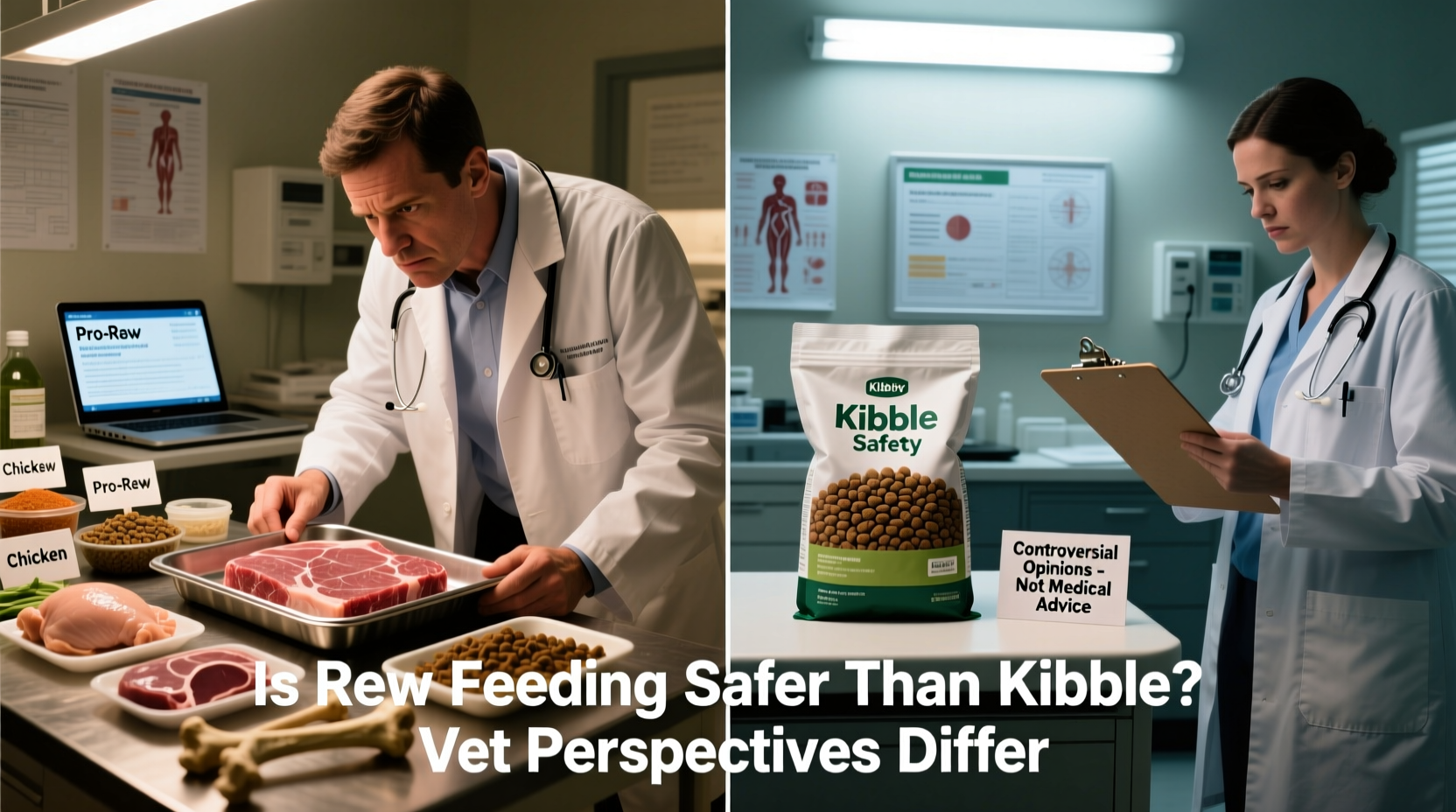
Proponents of raw feeding often cite evolutionary biology as justification: dogs descended from wolves, so their digestive systems must be best suited to raw prey. Advocates claim benefits such as shinier coats, cleaner teeth, higher energy levels, and improved digestion. Social media is filled with testimonials from pet parents who swear by the transformation they’ve seen after switching from kibble.
Raw diets typically follow one of several models: the BARF diet (Biologically Appropriate Raw Food), which includes bones, meat, offal, and plant matter; or a whole-prey approach, mimicking what a wild canine might consume. These diets emphasize fresh, minimally processed ingredients, appealing to those skeptical of commercial pet food manufacturing.
Tip: If transitioning to raw, do so gradually over 7–10 days to minimize digestive upset.Veterinary Concerns: Why Many Vets Oppose Raw Diets
Despite growing popularity, many veterinarians remain cautious—or outright opposed—to raw feeding. Their concerns are rooted in documented health risks, nutritional imbalances, and public safety issues.
A 2019 report by the American Veterinary Medical Association (AVMA) emphasized that raw meat-based diets pose significant risks of bacterial contamination, including Salmonella, Listeria, and E. coli. These pathogens can affect not only dogs but also humans in the household, particularly children, elderly individuals, or immunocompromised family members.
“While some dogs thrive on raw diets, the risk of pathogen transmission and nutritional deficiencies makes them inappropriate for most households.” — Dr. Jennifer Graham, Chief of Clinical Sciences, Tufts University School of Veterinary Medicine
Nutritional imbalances are another major concern. A 2022 study published in Frontiers in Veterinary Science analyzed 95 commercially available raw dog foods and found that 60% failed to meet AAFCO (Association of American Feed Control Officials) nutrient profiles. Deficiencies in calcium, phosphorus, vitamin D, and essential fatty acids were common, while others contained excessive levels of certain nutrients, risking long-term organ damage.
Comparing Safety: Raw vs. Kibble
To assess safety, it's important to evaluate both diet types across key criteria: nutritional adequacy, contamination risk, dental health, and digestibility.
| Criteria | Raw Diet | Kibble |
|---|---|---|
| Nutritional Balance | Frequently inconsistent; requires careful formulation | Generally balanced if AAFCO-compliant |
| Bacterial Contamination | High risk (raw meat handling) | Low risk (heat-processed) |
| Dental Health | Mixed evidence; chewing may reduce plaque | Some formulas designed to clean teeth |
| Digestibility | Varies; some dogs show improvement | Consistently high in quality brands |
| Convenience | Time-consuming; requires storage & prep | Easy to store and serve |
Kibble undergoes extrusion—a high-heat process that kills pathogens and increases shelf stability. Reputable brands formulate diets to meet life-stage requirements, ensuring puppies, adults, and seniors receive appropriate nutrition. However, lower-tier kibbles may contain fillers like corn, soy, or by-products, leading some owners to question their quality.
When Raw Might Be Justified: Medical and Behavioral Considerations
Despite the risks, there are scenarios where a veterinarian might cautiously support a raw diet. Dogs with severe food allergies, inflammatory bowel disease, or chronic skin conditions sometimes respond better to limited-ingredient, species-appropriate meals. In these cases, a custom-formulated raw diet—developed with veterinary nutritionist oversight—can offer relief when conventional diets fail.
Dr. Susan Wynn, a board-certified veterinary nutritionist, notes: “For select patients, a carefully balanced raw diet can be therapeutic. But it’s not a one-size-fits-all solution, and it demands rigorous monitoring.”
Behaviorally, some working dogs and high-energy breeds appear more satisfied on raw diets, possibly due to increased satiety from fat and protein. However, this is anecdotal and not yet supported by large-scale studies.
Mini Case Study: Max, the German Shepherd with Chronic Itching
Max, a 3-year-old German Shepherd, suffered from persistent ear infections and skin irritation despite multiple hypoallergenic kibble trials. His owner, frustrated and concerned, consulted a veterinary dermatologist. After ruling out environmental allergens, the specialist recommended a novel-protein raw diet under supervision. Over eight weeks, Max transitioned to a vet-approved raw formula with duck, rabbit, and added supplements.
Within three months, his coat improved significantly, and ear flare-ups decreased. Blood work showed stable organ function, and no pathogens were detected in fecal tests. While not a cure-all, the diet change—combined with regular vet checkups—marked a turning point in Max’s health.
This case illustrates that raw feeding can have a place in veterinary medicine—but only when guided by expertise, monitored closely, and tailored to individual needs.
Expert Recommendations and Practical Guidelines
If you're considering raw feeding, proceed with caution and professional guidance. Here’s a checklist to help ensure safety and balance:
Raw Feeding Checklist
- Consult a board-certified veterinary nutritionist before starting.
- Choose commercially prepared raw diets that undergo pathogen testing.
- Avoid feeding raw if you have young children, elderly individuals, or immune-compromised people at home.
- Practice strict hygiene: wash hands, sanitize surfaces, and freeze raw portions until use.
- Monitor stool quality, weight, and energy levels regularly.
- Schedule biannual bloodwork and fecal exams to detect deficiencies or infections early.
Step-by-Step: Transitioning from Kibble to Raw (If Medically Advised)
- Consult your vet: Discuss your dog’s health history and get approval for dietary change.
- Select a reputable raw brand: Look for companies that publish nutritional analyses and conduct pathogen testing (e.g., USDA-inspected facilities).
- Start slow: Mix 25% raw with 75% kibble for 2–3 days.
- Increase proportion gradually: Move to 50% raw by day 5, then 75% by day 8.
- Complete transition by day 10–14, provided no vomiting, diarrhea, or lethargy occurs.
- Schedule a follow-up: Have your dog evaluated within four weeks to check for nutrient levels and digestive adaptation.
Abandon the transition immediately if your dog shows signs of gastrointestinal distress, allergic reactions, or behavioral changes.
Frequently Asked Questions
Can raw diets make my dog aggressive?
No scientific evidence links raw feeding directly to aggression. However, some dogs become possessive over raw meat or bones, increasing resource guarding behavior. Proper training and feeding in a quiet space can mitigate this.
Is homemade raw food better than commercial raw?
Not necessarily. Homemade diets are more likely to be nutritionally incomplete unless formulated by a veterinary nutritionist. Commercial raw diets, especially those certified by AAFCO, are more consistently balanced and tested for safety.
Does kibble cause cancer or shorten lifespan?
There is no conclusive evidence that kibble causes cancer. Longevity depends on genetics, overall care, and quality of diet—not just form. High-quality kibble from reputable brands supports healthy aging in dogs.
Conclusion: Balancing Risk, Reward, and Responsibility
The debate over raw feeding versus kibble isn’t likely to end soon. What’s clear is that both approaches have strengths and limitations. Kibble offers convenience, consistency, and safety for most households. Raw diets may benefit specific dogs under veterinary supervision but carry real risks if improperly managed.
The safest choice isn’t defined by trend or ideology—it’s determined by science, individual health needs, and responsible implementation. Rather than choosing sides, pet owners should prioritize collaboration with veterinary professionals, demand transparency from pet food manufacturers, and stay informed through credible sources.
💬 Have experience with raw feeding or kibble? Share your story or questions in the comments—your insights could help another pet parent make a safer, smarter decision.








