For owners of active dogs—whether agility athletes, working canines, or high-energy companions—the question of optimal nutrition is constant. Many are turning to raw feeding as a natural alternative to commercial kibble, believing it offers superior energy, coat health, and digestive performance. But is this shift truly beneficial, or does it come with hidden dangers? The debate between raw feeding and kibble isn’t black and white. It involves balancing nutritional science, lifestyle practicality, and individual dog needs.
Active dogs require more calories, higher protein levels, and balanced micronutrients to support muscle repair, endurance, and recovery. While kibble has long been the default choice due to convenience and regulatory oversight, raw diets have gained traction for mimicking ancestral eating patterns. However, veterinary opinions remain divided. This article examines both sides, evaluates the evidence, and provides actionable guidance for pet owners navigating this critical decision.
The Case for Raw Feeding in Active Dogs
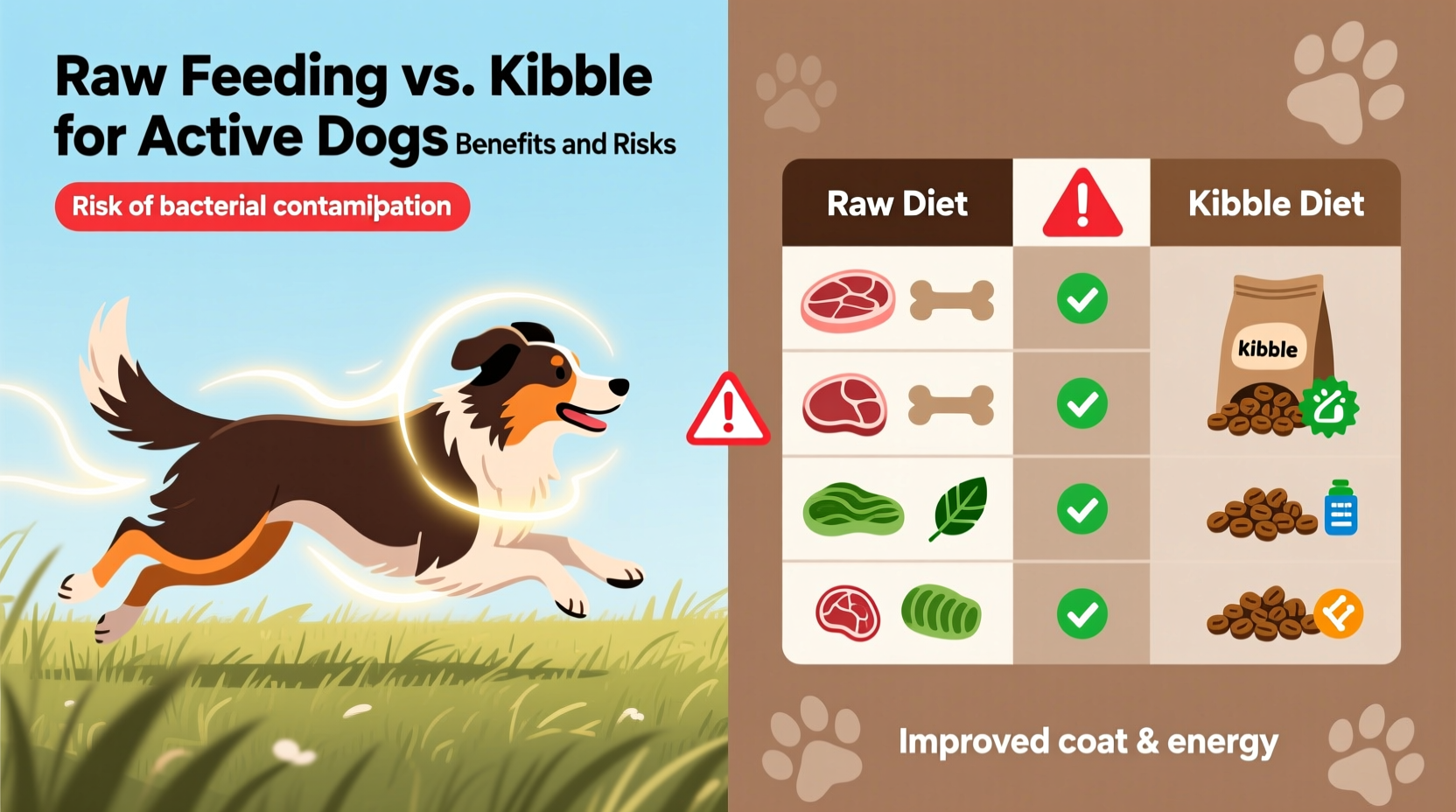
Proponents of raw feeding argue that domestic dogs are biologically adapted to consume raw meat, bones, organs, and some vegetation—similar to their wild ancestors. For highly active dogs, this diet may offer several perceived advantages:
- Higher protein bioavailability: Raw meat contains complete amino acid profiles in forms more readily absorbed than processed proteins in many kibbles.
- Improved coat and skin condition: Natural fats like omega-3s from raw fish or organ meats often result in shinier coats and reduced itching.
- Better stool quality: Many owners report smaller, less odorous stools on raw diets, suggesting more efficient digestion and nutrient absorption.
- Sustained energy levels: Without carbohydrate spikes common in grain-inclusive kibble, blood sugar remains stable, supporting consistent performance.
- Dental benefits: Chewing raw meaty bones may help reduce plaque buildup, though this benefit is debated.
A study published in the *Journal of Animal Physiology and Animal Nutrition* (2020) found that sled dogs on a raw diet showed improved hematological markers and lower inflammation compared to those on conventional kibble. While not definitive proof, such findings fuel interest among performance dog handlers.
Kibble: Science, Safety, and Practicality
Despite growing popularity of raw diets, commercial kibble remains the most widely used dog food globally—and for good reasons. Modern kibble formulations are developed with input from veterinary nutritionists and undergo rigorous testing to meet AAFCO (Association of American Feed Control Officials) standards for complete and balanced nutrition.
Key strengths of high-quality kibble include:
- Nutritional consistency: Each batch is formulated to deliver precise levels of protein, fat, vitamins, and minerals.
- Convenience: No preparation required; ideal for busy owners or travel.
- Shelf stability: Properly stored kibble lasts months without refrigeration.
- Targeted formulas: Many brands offer specialized kibble for active breeds, joint support, weight management, or sensitive digestion.
- Predictable calorie control: Essential for managing energy output in working or competition dogs.
Dr. Karen Becker, a proactive veterinarian and advocate for species-appropriate nutrition, acknowledges kibble's role but cautions: “Not all kibble is created equal. Ultra-processed, carb-heavy formulas can lead to inflammation and metabolic stress—especially in dogs with high physical demands.”
“Feeding a working dog requires precision. Whether raw or kibble, the diet must match the dog’s workload, breed physiology, and life stage.” — Dr. Jennifer Summers, Veterinary Sports Medicine Specialist
Risks and Realities of Raw Diets
While raw feeding may offer benefits, it carries significant risks if not managed properly. These concerns are especially relevant for active dogs whose immune systems may be taxed by intense training.
Pathogen Contamination
Raw meat can harbor dangerous bacteria such as *Salmonella*, *Listeria*, and *E. coli*. A 2018 FDA study found that nearly 10% of raw pet food samples tested positive for *Salmonella*. These pathogens pose risks not only to dogs but also to human family members through cross-contamination.
Nutritional Imbalances
Homemade raw diets often lack essential nutrients unless carefully formulated. Deficiencies in calcium, phosphorus, zinc, or vitamin D can lead to bone disorders, poor recovery, and weakened immunity—critical issues for active dogs.
Bone Hazards
While proponents praise raw bones for dental health, cooked bones can splinter and cause internal injuries. Even raw bones carry risks of tooth fractures or intestinal blockages if improperly sized or overfed.
| Risk Factor | Raw Diet | Kibble |
|---|---|---|
| Bacterial contamination | High (if unhandled properly) | Very low |
| Nutrient imbalance | Moderate to high (homemade) | Low (commercially balanced) |
| Digestive upset during transition | Common | Rare |
| Cost per day | $$$ (typically $4–$8 for large active dogs) | $–$$ ($1.50–$4) |
| Time investment | High (prep, storage, cleanup) | Low |
Real Example: A Herding Dog’s Dietary Shift
Tucker, a 3-year-old Border Collie used in sheep herding trials, began showing signs of fatigue and dull coat despite eating a premium performance kibble. His owner, Sarah, consulted a canine nutritionist who suggested evaluating Tucker’s protein sources and overall digestibility.
After ruling out medical causes, Sarah transitioned Tucker to a commercially prepared raw diet formulated for active dogs. Over six weeks, she introduced the new food gradually, monitoring stool quality and energy levels. By week eight, Tucker’s stamina improved noticeably, his coat regained shine, and post-workout recovery shortened.
However, Sarah quickly learned the logistical challenges: storing frozen patties while traveling to competitions, disinfecting feeding areas daily, and the increased cost—nearly triple her previous kibble expense. She now uses a hybrid model: raw meals during training and competition seasons, switching to a high-protein, grain-free kibble during downtime.
This balanced approach allowed her to reap some benefits of raw feeding while maintaining safety and affordability.
Step-by-Step Guide to Evaluating Your Dog’s Diet
If you're considering a change for your active dog, follow this structured process to minimize risk and maximize results:
- Assess current performance: Track energy levels, recovery time, stool quality, coat condition, and weight over two weeks.
- Consult a veterinary nutritionist: Get professional input before making major dietary changes, especially for dogs with health conditions.
- Choose a diet type: Decide whether to explore raw, kibble, or a mixed approach based on your dog’s needs and your lifestyle.
- Select a reputable brand or recipe: For raw, choose USDA-inspected, pathogen-tested products. For kibble, look for named meat sources and minimal fillers.
- Transition slowly: Mix increasing amounts of new food with old over 7–10 days to avoid GI upset.
- Monitor closely: Watch for vomiting, diarrhea, lethargy, or allergic reactions. Keep a log.
- Reassess after 6–8 weeks: Compare baseline metrics. Adjust portion sizes or protein sources as needed.
Checklist: Is Raw Feeding Right for Your Active Dog?
Use this checklist to determine if raw feeding aligns with your situation:
- ✅ I have time to prepare, store, and clean up after raw meals daily.
- ✅ My dog has no history of pancreatitis, immune disorders, or digestive sensitivities.
- ✅ I’m willing to invest in high-quality, tested raw products or work with a nutritionist on homemade recipes.
- ✅ My household has no infants, elderly individuals, or immunocompromised members at risk from pathogens.
- ✅ I can afford the higher ongoing cost of raw feeding.
- ✅ I’m committed to proper hygiene practices (separate utensils, frequent disinfection).
- ✅ I’ve consulted a vet or animal nutritionist about my dog’s specific needs.
If three or more items are unchecked, kibble—or a partial raw supplement—may be a safer, more sustainable option.
Frequently Asked Questions
Can I mix raw food with kibble?
Yes, many owners successfully combine raw and kibble. However, because they digest at different rates (raw takes longer), some dogs experience mild bloating or gas. To minimize this, feed them separately—raw in the evening, kibble in the morning—or choose gently cooked or dehydrated foods that bridge the gap.
Does raw feeding make dogs aggressive?
No scientific evidence supports the claim that raw diets increase aggression. However, some dogs become protective of raw meaty bones, displaying resource guarding behavior. This is behavioral, not dietary, and can be managed with training.
How do I ensure my raw-fed dog gets enough calcium?
Calcium is crucial, especially for active dogs. In raw diets, calcium primarily comes from edible bones (e.g., ground chicken necks or wings) or supplements like calcium carbonate. A general rule is 8.5–10 mg of calcium per kcal. Commercial raw diets usually balance this; homemade diets require careful calculation.
Conclusion: Balancing Performance, Safety, and Lifestyle
There is no universal answer to whether raw feeding is better than kibble for active dogs. The best choice depends on the individual dog, the owner’s capacity for food management, and access to quality products. Raw diets can enhance performance and vitality when implemented correctly—but they demand diligence, knowledge, and resources. Kibble, especially high-end formulas designed for working dogs, offers reliable, safe nutrition with far less effort.
The goal isn’t to chase trends but to support your dog’s health and peak function. Whether you choose raw, kibble, or a strategic blend, prioritize transparency in ingredients, consistency in feeding, and regular veterinary checkups. Nutrition is foundational to performance, and informed decisions yield the best outcomes.
💬 Have experience with raw feeding or performance kibble? Share your story or tips in the comments below—your insights could help another dedicated dog owner make a smarter choice.








