
Indoor cats are often seen as low-risk pets. They don’t roam streets, fight with strays, or dart into traffic. Because of this, many owners assume they don’t need pet insurance. But while indoor cats face fewer external dangers, they’re still vulnerable to serious health issues—many of which can be sudden, expensive, and unpredictable. The question isn’t just whether pet insurance is useful; it’s whether the financial protection outweighs the ongoing cost.
This article breaks down the true value of pet insurance for indoor cats by analyzing average premiums, common medical expenses, policy limitations, and real-world outcomes. Whether you’re considering a plan or questioning your current one, this guide provides clarity on what you’re paying for—and what you might save.
Understanding Pet Insurance for Indoor Cats
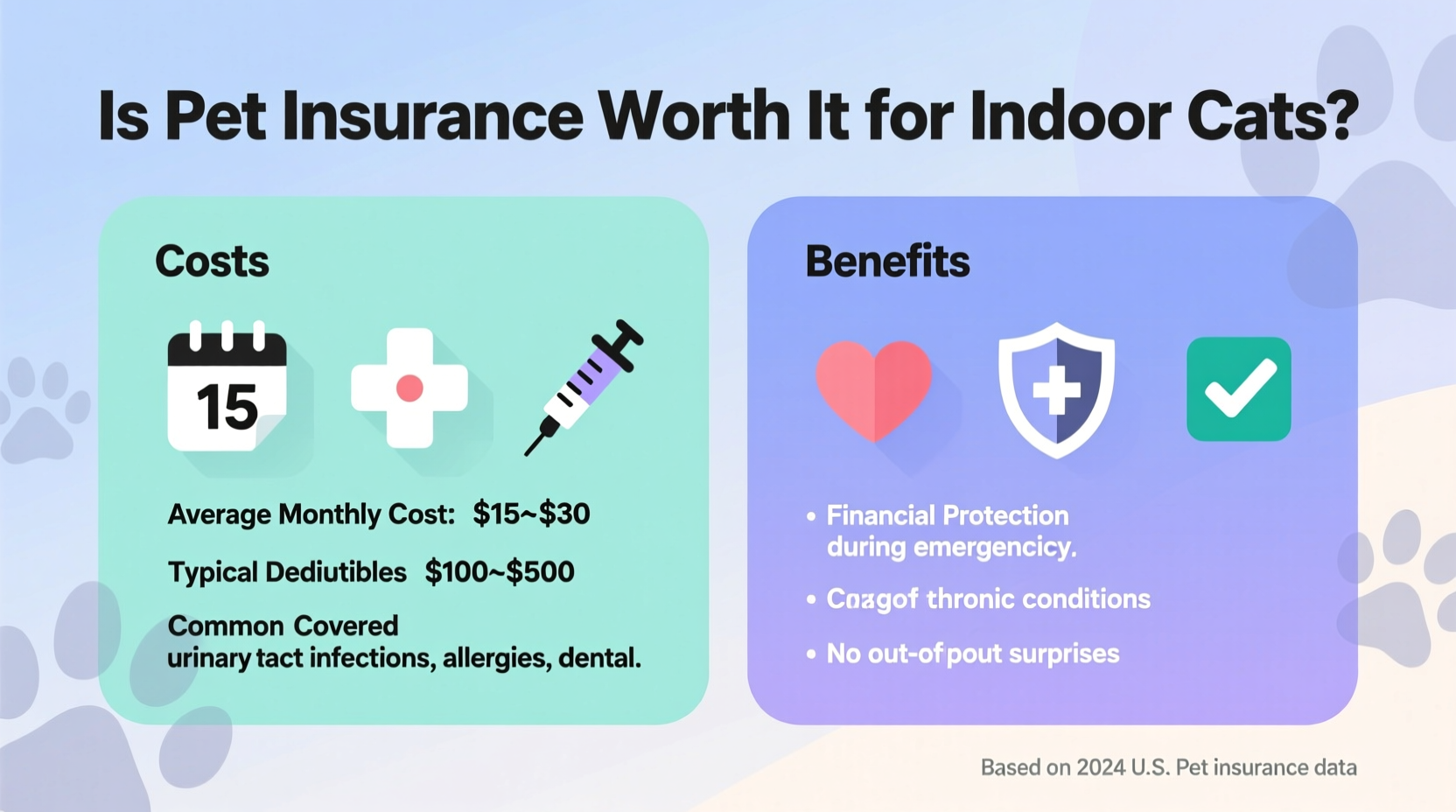
Pet insurance functions similarly to human health insurance: you pay a monthly premium, and in return, the insurer covers a portion of eligible veterinary costs. For indoor cats, most policies cover accidents, illnesses, hereditary conditions, and sometimes routine care like vaccinations or dental cleanings—depending on the plan.
Unlike humans, pets don’t have government-backed healthcare. Veterinary care is almost entirely out-of-pocket. A single visit for vomiting or lethargy can cost $300–$600. More complex diagnoses—like kidney disease, diabetes, or hyperthyroidism—can run into thousands. Without insurance, these bills fall entirely on the owner.
For indoor cats, insurers typically offer lower premiums than outdoor cats because their risk profile is considered lower. However, age, breed, location, and pre-existing conditions still heavily influence pricing and coverage eligibility.
Tip: Enroll your cat before they turn one year old to avoid higher rates and maximize coverage for future conditions.Cost Breakdown: Premiums vs. Out-of-Pocket Expenses
To determine if pet insurance is worth it, compare long-term premiums against potential medical costs. Below is a realistic 10-year projection for an average indoor domestic shorthair cat.
| Expense Type | Average Cost | Notes |
|---|---|---|
| Monthly Premium (Accident & Illness) | $20–$35 | Varies by provider, deductible, and reimbursement rate |
| Annual Premium (Mid-range) | $300 | Based on $25/month × 12 months |
| 10-Year Total Premiums | $3,000 | Assumes no rate increases (actual may be higher) |
| Common Condition: UTI Treatment | $400–$800 | Frequent in indoor cats due to stress or diet |
| Chronic Issue: Hyperthyroidism | $1,500–$3,000/year | Medication, bloodwork, vet visits |
| Emergency Surgery: Intestinal Blockage | $2,500–$5,000 | From ingesting string, hair ties, etc. |
| Diagnostic Workup (e.g., kidney disease) | $800–$1,200 | Blood tests, ultrasounds, specialist consults |
The data shows that even one major incident can exceed a decade of premiums. For example, if your cat develops hyperthyroidism at age 10, annual treatment costs could surpass $2,500—more than eight years’ worth of average premiums. With insurance covering 70–90% after deductible, your out-of-pocket could drop to $500–$750 per year.
However, not all plans are equal. Reimbursement rates (typically 70%, 80%, or 90%), annual deductibles ($100–$500), and benefit limits (per condition or annually) dramatically affect value. Always read the fine print.
Key Benefits of Insuring an Indoor Cat
While indoor cats are safer from trauma, they aren’t immune to illness. In fact, some conditions are more prevalent in indoor environments.
- Urinary Tract Issues: Stress, dehydration, and litter box avoidance contribute to frequent UTIs and blockages—especially in males.
- Dental Disease: Over 70% of cats over age three have some form of periodontal disease, often requiring anesthesia-based cleaning.
- Obesity-Related Conditions: Lack of exercise indoors increases risks for diabetes, arthritis, and heart disease.
- Chronic Kidney Disease (CKD): One of the leading causes of death in older cats, CKD requires lifelong management.
Insurance helps offset these predictable yet costly realities. Beyond emergencies, many plans now offer optional wellness riders that reimburse routine care—vaccinations, fecal exams, flea prevention—adding further value.
“Even indoor cats develop serious illnesses. I’ve treated perfectly pampered housecats with life-threatening pancreatitis or cancer. Insurance gives owners options instead of impossible choices.” — Dr. Lena Torres, DVM, Feline Internal Medicine Specialist
When Pet Insurance May Not Be Worth It
Insurance isn’t universally beneficial. Certain situations reduce its value:
- Late Enrollment: Older cats (7+ years) face higher premiums and exclusion of age-related conditions.
- Pre-Existing Conditions: These are never covered, so enrolling after diagnosis offers limited benefit.
- High Deductibles + Low Claims History: If your cat stays healthy, you may pay more in premiums than you ever claim back.
- Exclusion-Heavy Policies: Some insurers exclude common breed-specific issues (e.g., hypertrophic cardiomyopathy in Maine Coons).
If you have the financial cushion to absorb a $3,000 emergency without hardship, self-insuring—setting aside money monthly—could be more cost-effective. But discipline is required. Most people underestimate how quickly vet bills accumulate when faced with a sick pet.
Mini Case Study: Bella, the 8-Year-Old Siamese
Bella lived exclusively indoors. Her owner, Maria, thought she was safe—until Bella stopped eating and became lethargic. At the vet, tests revealed a partial intestinal blockage from swallowing a small rubber band. Surgery was needed immediately.
Total cost: $4,200.
Maria had a pet insurance policy with a $300 deductible and 80% reimbursement.
After submitting the claim, she received $3,120 back.
Net cost: $1,080—plus $280 in annual premiums over the past four years.
Without insurance, Maria would have paid $4,200 out of pocket. Instead, she spent $2,200 total over five years—including coverage for two minor UTIs. She calls the policy “the best decision I didn’t think twice about.”
How to Choose the Right Plan: A Step-by-Step Guide
Selecting a pet insurance plan requires research and comparison. Follow these steps to find the best fit for your indoor cat.
- Evaluate Your Financial Risk Tolerance: Can you afford a $2,000 emergency? If not, insurance provides essential protection.
- Compare Multiple Providers: Use side-by-side tools from sites like PetInsuranceReview or NerdWallet to compare top insurers (e.g., Nationwide, Embrace, Lemonade, ASPCA).
- Check Coverage Details: Look beyond marketing claims. Confirm if hereditary conditions, chronic illnesses, and behavioral treatments are included.
- Analyze Deductible & Reimbursement Options: A $100 deductible with 90% reimbursement may cost more monthly but pays back faster during claims.
- Read Exclusions Carefully: Some plans cap payouts per condition or exclude alternative therapies like acupuncture.
- Enroll Early: Sign up before your cat turns one to avoid exclusions based on age or early symptoms.
- Track Claims Easily: Choose a provider with mobile app support and fast reimbursement (ideally under 10 business days).
Checklist: Is Pet Insurance Right for Your Indoor Cat?
Use this checklist to make an informed decision:
- ☐ My cat is under 6 years old (younger = better rates)
- ☐ I cannot comfortably cover a $3,000 vet bill
- ☐ I want access to specialists or advanced diagnostics without financial hesitation
- ☐ My cat is a breed prone to genetic conditions (e.g., Persians, Bengals, Ragdolls)
- ☐ I prefer predictable monthly costs over unpredictable lump-sum payments
- ☐ I’m willing to file claims and manage paperwork or use digital tools
- ☐ I’ve compared at least three providers and reviewed sample policies
Frequently Asked Questions
Do indoor cats really need insurance?
Not every indoor cat needs insurance, but many benefit from it. While they avoid car accidents or fights, indoor cats still face urinary issues, kidney disease, diabetes, and ingestion of household objects. Insurance protects against high-cost surprises, especially as cats age.
Can I get insurance if my cat already has a health issue?
You can still enroll, but any pre-existing condition will be excluded from coverage. For example, if your cat has been diagnosed with asthma, inhalers and related treatments won’t be covered. However, new unrelated conditions (e.g., a sprained leg) likely will be.
Are routine vet visits covered?
Basic accident-and-illness plans don’t cover routine care. However, most companies offer add-on wellness plans for an extra $10–$25/month. These typically reimburse annual exams, vaccines, parasite prevention, and dental cleanings—making them valuable for proactive owners.
Final Verdict: Is It Worth It?
For most owners of indoor cats, pet insurance is a financially sound decision—not because cats are accident-prone, but because illness is inevitable with age. The average indoor cat lives 14–18 years. Over that span, the odds of facing at least one major health event exceed 60%, according to industry claims data.
Premiums may seem unnecessary during years of perfect health. But when a crisis hits, having insurance transforms a stressful financial burden into a manageable co-pay. It allows you to focus on your cat’s recovery—not the invoice.
That said, timing and plan quality matter. Enrolling early, choosing comprehensive coverage, and understanding limitations are key to maximizing value. If you're young, budget-conscious, or have a senior cat with existing conditions, weigh the costs carefully.
Ultimately, pet insurance isn't about predicting accidents—it's about preserving choice. It ensures that when your indoor cat gets sick, you can say yes to the treatment they need, not just the one you can afford.
🚀 Ready to protect your feline companion? Compare three top-rated pet insurance plans today and lock in lower rates while your cat is young and healthy. Your future self—and your cat—will thank you.








