Indoor cats are generally safer than their outdoor counterparts. Without exposure to traffic, predators, or infectious diseases from other animals, they tend to live longer and healthier lives. But even the most cautious indoor feline can fall ill or suffer a sudden injury. When that happens, veterinary bills can escalate quickly—sometimes reaching thousands of dollars for diagnostics, surgery, or extended treatment. This raises a critical question: Is pet insurance actually worth it for indoor cats with no pre-existing conditions?
The answer isn’t universal. For some owners, pet insurance is a financial safety net that pays for itself during emergencies. For others, it feels like an unnecessary monthly expense. The truth lies in understanding how coverage works, assessing your cat’s risk profile, and evaluating your own financial comfort level with unexpected vet costs.
How Pet Insurance Works for Cats
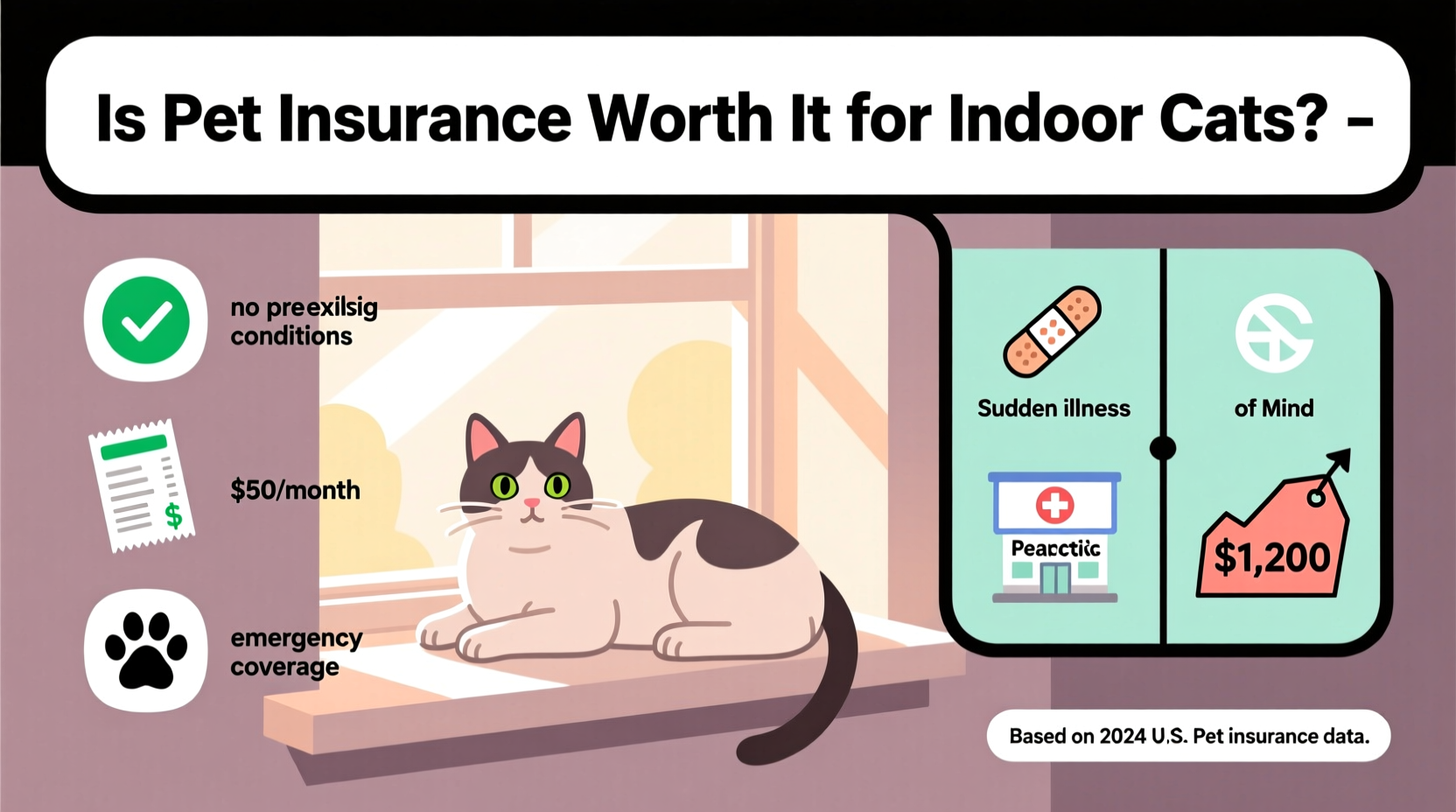
Pet insurance operates differently from human health insurance. Instead of paying providers directly, you typically pay the veterinarian upfront and then submit a claim to your insurer for reimbursement. Most plans cover accidents, illnesses, hereditary conditions, and sometimes wellness care if added as an optional rider.
Plans vary widely in terms of deductibles, reimbursement rates (usually 70%–90%), annual limits, and covered services. Some insurers exclude certain conditions or breed-specific issues, while others offer comprehensive coverage at higher premiums.
For an indoor cat with no pre-existing conditions, enrollment is usually straightforward. Insurers look favorably on young, healthy pets because they represent lower immediate risk. However, once a condition is diagnosed, it becomes excluded from future coverage—making early enrollment crucial.
Tip: Enroll your indoor cat in pet insurance before any health issues arise. Even minor symptoms can be flagged as pre-existing and void future claims.Cost vs. Value: Breaking Down the Numbers
Average monthly premiums for cat insurance range from $15 to $40, depending on the provider, location, age of the cat, and level of coverage. Higher-tier plans that include wellness visits, dental cleanings, and chronic condition management may cost more but offer broader protection.
To evaluate whether the cost is justified, consider potential veterinary expenses over your cat’s lifetime. While indoor cats avoid many dangers, they’re still susceptible to common health issues such as:
- Urinary tract infections or blockages (especially in males)
- Kidney disease (common in older cats)
- Dental disease requiring extractions
- Hypertrophic cardiomyopathy (a genetic heart condition)
- Diabetes mellitus
- Ingestion of household objects or toxins
A single emergency visit for a urinary blockage—a relatively common issue—can cost $1,000 to $3,000. Surgery for intestinal obstruction after swallowing string or plastic could exceed $5,000. Chronic conditions like kidney disease require ongoing medication, lab tests, and fluid therapy, adding up to hundreds per month over several years.
“Pet insurance isn't about covering routine care—it's about protecting against catastrophic costs that could otherwise force tough decisions about treatment.” — Dr. Laura Greensmith, DVM, Veterinary Financial Advisor
Real-Life Example: A Sudden Illness in an Indoor Cat
Mia, a 4-year-old domestic shorthair, lived exclusively indoors in a quiet suburban home. Her owner, Sarah, considered her low-risk and initially passed on pet insurance, believing vet visits would remain minimal. Then, Mia stopped eating, became lethargic, and began vomiting.
After bloodwork and an ultrasound at an emergency clinic, she was diagnosed with hepatic lipidosis—a potentially fatal liver condition often triggered by stress-induced fasting. Treatment required hospitalization, IV fluids, feeding tube placement, and weeks of follow-up care. Total cost: $4,800.
Sarah paid out of pocket, draining her savings. She later enrolled Mia in a pet insurance plan—but the diagnosis was now considered pre-existing, so any future liver-related care would not be covered.
This scenario illustrates both the unpredictability of feline illness and the importance of timing when purchasing insurance. Had Sarah signed up when Mia was a kitten, the entire episode might have been reimbursed at 80%–90%, reducing her burden significantly.
When Pet Insurance Makes the Most Sense
Not every cat owner needs pet insurance, but certain situations strongly favor having it:
- You have limited emergency savings. If a $2,000 vet bill would strain your budget, insurance can prevent difficult choices between care and cost.
- Your cat is young and healthy. Premiums are lowest at this stage, and you lock in coverage before any conditions develop.
- You want peace of mind. Knowing you won’t have to decline life-saving treatment due to cost provides emotional security.
- You plan to keep your cat long-term. Over 15+ years, the odds of facing at least one major medical event increase substantially.
Conversely, if you're financially prepared to handle large vet bills or view insurance as redundant given your cat’s lifestyle, going without may be reasonable. But remember: “low risk” doesn’t mean “no risk.”
Comparison Table: Self-Funding vs. Pet Insurance
| Factor | Self-Funding (No Insurance) | Pet Insurance |
|---|---|---|
| Monthly Cost | $0 (unless saving intentionally) | $15–$40/month |
| Emergency Coverage | Out-of-pocket; depends on available funds | Reimburses 70%–90% after deductible |
| Pre-existing Conditions | No impact—you pay regardless | Permanently excluded |
| Long-Term Value | High if no major issues occur | High if one major claim occurs |
| Peace of Mind | Lower—financial stress during crises | Higher—predictable coverage |
| Flexibility in Vet Choice | Unlimited | Most plans allow any licensed vet |
Step-by-Step Guide to Choosing the Right Plan
If you decide pet insurance is right for your indoor cat, follow this process to select the best option:
- Assess Your Budget – Determine how much you can afford monthly and what deductible level fits your cash flow (higher deductibles lower premiums).
- Research Top Providers – Look at companies like Nationwide, Trupanion, Embrace, ASPCA Pet Health Insurance, and Lemonade. Read customer reviews and BBB ratings.
- Compare Coverage Details – Don’t just compare prices. Check what’s included: diagnostic tests, prescription meds, specialist referrals, alternative therapies, etc.
- Check Reimbursement Models – Some insurers reimburse based on benefit schedules (capped payments), while others use actual charges (better value).
- Review Exclusions and Waiting Periods – Most plans have a 14-day waiting period for illnesses and 48 hours for accidents. Ensure there are no hidden exclusions for common conditions.
- Enroll Early – Sign up as soon as possible, ideally before your cat’s first birthday, to maximize eligibility and minimize future exclusions.
- Monitor and Adjust Annually – As your cat ages or healthcare needs evolve, revisit your plan. You may need to upgrade coverage or switch providers.
Frequently Asked Questions
Can I get pet insurance for an older indoor cat?
Yes, but premiums will be higher, and the likelihood of pre-existing condition exclusions increases. Some insurers impose upper age limits for new enrollments, so act sooner rather than later.
Does pet insurance cover routine checkups?
Basic accident/illness plans typically do not. However, many insurers offer optional wellness add-ons that cover vaccinations, flea prevention, dental cleanings, and annual exams—for an additional fee.
What happens if I move or change vets?
Most pet insurance policies are portable nationwide. You can visit any licensed veterinarian, including specialists and emergency clinics, and still file claims. There’s no network restriction like in human HMOs.
Expert Insight: Why Veterinarians Recommend Insurance
An increasing number of veterinarians advocate for pet insurance—not because they profit from it, but because they see the consequences of delayed or denied care due to cost.
“We’ve had patients whose owners wanted to pursue advanced treatments like chemotherapy or surgery, but couldn’t afford it. With insurance, those conversations shift from ‘Can you pay?’ to ‘What’s best for your pet?’ That’s a huge difference.” — Dr. Rajiv Mehta, Board-Certified Veterinary Internist
Insurance empowers owners to choose medically appropriate care instead of being constrained by finances. It also supports better compliance with long-term treatment plans, improving outcomes.
Final Verdict: Is It Worth It?
For most owners of indoor cats with no pre-existing conditions, pet insurance is a smart investment. The combination of low initial premiums, high potential payout during emergencies, and growing veterinary costs makes it a form of financial prudence—not luxury.
Consider this: Paying $25 per month ($300 annually) for 10 years totals $3,000. If your cat ever faces a single $5,000 emergency, and insurance covers 80%, you’d receive $4,000 back—more than covering a decade of premiums. Even two moderate claims could justify the expense.
Moreover, the psychological benefit—the ability to say “yes” to recommended care without hesitation—is invaluable. You adopt a pet expecting companionship, not crisis management. Insurance helps preserve that bond by removing financial barriers to healing.
💬 Ready to protect your indoor cat’s health and your peace of mind? Compare top-rated pet insurance plans today and lock in coverage while your cat is young and healthy. Your future self—and your feline friend—will thank you.








