When it comes to choosing a healthy, sustainable fish for regular meals, two white-fleshed options often rise to the top: perch and tilapia. Both are mild in flavor, widely available, and commonly found on restaurant menus and grocery shelves. But a growing conversation among health-conscious eaters centers on whether perch is truly a superior choice—nutritionally, environmentally, and even culinarily—compared to tilapia. So, is perch really that much healthier than tilapia, and why are so many people talking about it?
The answer isn’t as simple as “yes” or “no.” It depends on how you define “healthier”—whether through the lens of nutrient density, fat profile, farming practices, or environmental impact. Let’s break down the facts, examine consumer sentiment, and see what experts have to say.
Nutritional Comparison: Perch vs. Tilapia
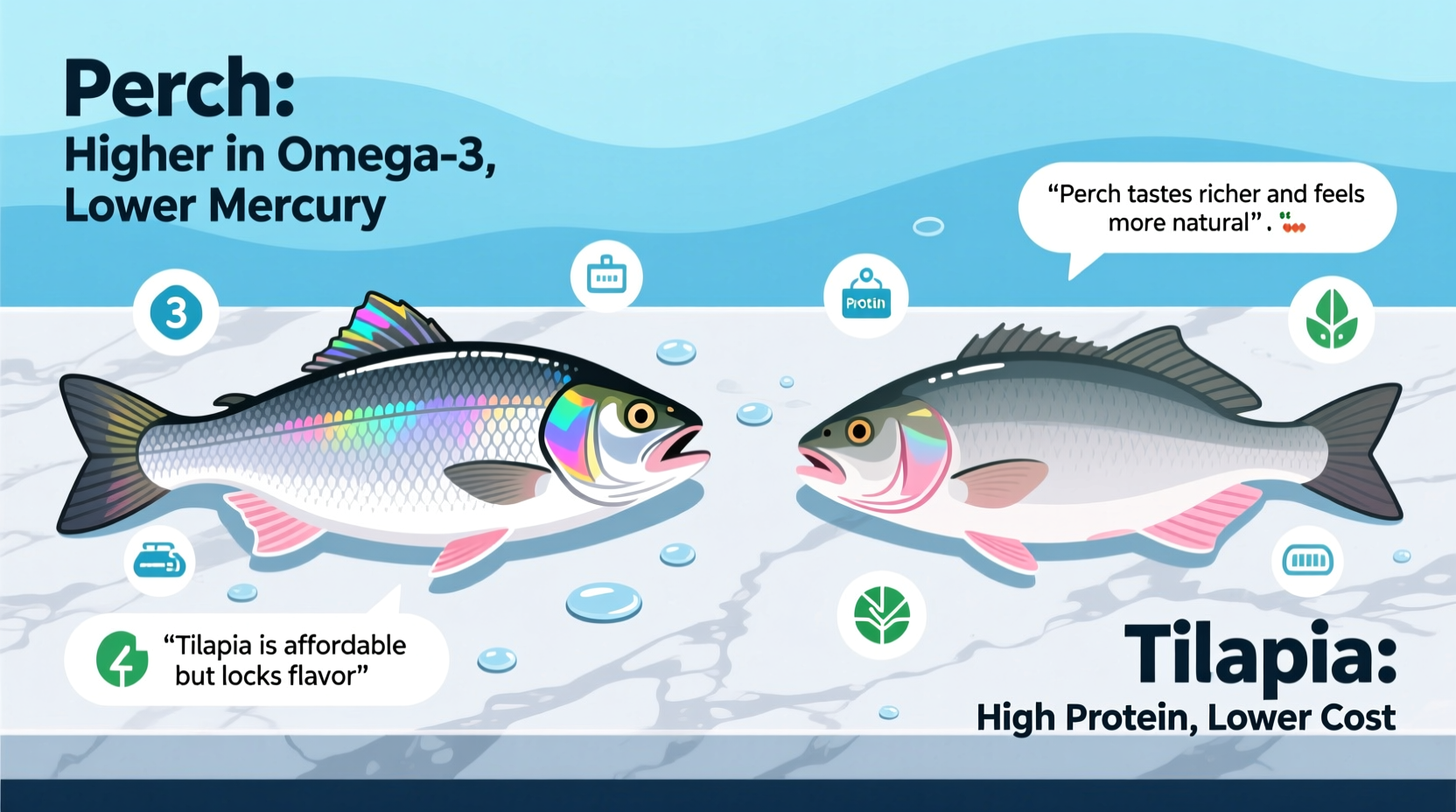
At first glance, both fish appear similar: lean, low-calorie protein sources with mild flavors. But their nutritional profiles differ in subtle yet meaningful ways.
| Nutrient (per 3 oz cooked) | Perch (Yellowfin) | Tilapia |
|---|---|---|
| Calories | 105 | 110 |
| Protein | 21g | 23g |
| Total Fat | 2.5g | 2.7g |
| Saturated Fat | 0.6g | 0.9g |
| Omega-3 Fatty Acids (EPA+DHA) | 0.3g | 0.2g |
| Cholesterol | 60mg | 57mg |
| Vitamin D | 15% DV | 5% DV |
| Selenium | 40% DV | 30% DV |
Perch edges ahead in key areas: it contains slightly more omega-3s, significantly more vitamin D, and higher selenium levels—all crucial for immune function, brain health, and inflammation control. While tilapia offers marginally more protein, it also carries a higher ratio of omega-6 to omega-3 fatty acids, which some researchers caution could contribute to inflammation when consumed in excess.
Tip: For optimal anti-inflammatory benefits, pair either fish with omega-3-rich sides like walnuts, flaxseed, or leafy greens.Farming Practices and Sustainability Concerns
The way fish are raised dramatically impacts their health profile and environmental footprint. Tilapia has faced criticism over the years due to its common farming conditions, especially in large-scale operations overseas.
Many farmed tilapia come from crowded ponds where antibiotics and poor feed quality can affect the final product. Though not universally true, some studies have found elevated levels of inflammatory fats and contaminants in intensively farmed tilapia. In contrast, perch—especially wild-caught varieties like yellow perch from the Great Lakes—are typically harvested from cleaner, colder waters with fewer pollutants.
According to the Monterey Bay Aquarium Seafood Watch program:
- Wild-caught perch (Great Lakes, US): Listed as a \"Best Choice\" for sustainability.
- Farmed tilapia (US, Canada): Rated \"Good Alternative.\"
- Farmed tilapia (Asia, especially China): Often rated \"Avoid\" due to pollution and antibiotic use.
This distinction matters not just for ecological reasons but also for human health. Cleaner water and better farming standards generally mean lower toxin accumulation and higher-quality fats.
“Choosing wild-caught perch over imported tilapia isn’t just about nutrition—it’s about reducing exposure to unnecessary additives and supporting more responsible fisheries.” — Dr. Lena Torres, Marine Nutrition Researcher, Oregon State University
What Are People Saying?
Online forums, Reddit threads, and health blogs are buzzing with debates. A recurring theme is skepticism toward tilapia’s reputation as a “healthy” fish. Many consumers report switching to perch after reading about its superior omega-3 content and cleaner sourcing.
One popular thread on r/nutrition titled *“Why I stopped eating tilapia”* amassed over 1,200 comments. Users cited concerns ranging from “feed made of corn and waste” to “tastes watery and bland compared to perch.” Others praised perch for its firmer texture and richer flavor, especially when pan-seared or baked with herbs.
Dietitians and wellness influencers have echoed these sentiments. On Instagram, registered dietitian @CleanPlateMelissa posted: “If you’re choosing between tilapia and perch, go for perch. You’ll get more nutrients, better fats, and likely a cleaner product.”
Still, not everyone agrees. Some budget-conscious families defend tilapia for its affordability and accessibility. At around $5–$7 per pound, it remains one of the cheapest fish options in supermarkets, compared to perch, which can cost $12–$18 per pound, especially if wild-caught.
Mini Case Study: The Johnson Family’s Fish Swap
The Johnsons, a family of four in Madison, Wisconsin, used to buy tilapia twice a week. After watching a documentary on industrial fish farming, they decided to try wild-caught perch from a local co-op. Over three months, they tracked changes in energy levels, meal satisfaction, and grocery costs.
Results:
- Children preferred the taste of seasoned perch over breaded tilapia.
- Parents noticed less post-meal sluggishness, possibly linked to reduced omega-6 intake.
- Grocery bill increased by $15 weekly, but they offset this by reducing red meat consumption.
“We didn’t expect to enjoy it this much,” said Sarah Johnson. “It feels like we’re feeding our kids something truly nourishing—not just cheap protein.”
How to Make the Healthiest Choice: A Practical Checklist
Whether you stick with tilapia or switch to perch, these steps ensure you’re making the best possible decision for your health and the planet.
- Check the label: Look for “wild-caught” or “sustainably farmed” designations.
- Avoid imported tilapia from unknown sources, especially if it’s labeled “farm-raised” without country details.
- Opt for US- or Canada-raised tilapia if you prefer to keep costs down.
- Choose wild perch from clean sources like the Great Lakes or Canadian freshwater systems.
- Cook smart: Use olive oil, herbs, and lemon instead of heavy breading to preserve nutritional value.
- Budget hack: Buy frozen fillets in bulk or look for seasonal sales at local fish markets.
FAQ
Is tilapia bad for you?
No, tilapia isn’t inherently “bad,” but its nutritional value depends on how and where it’s raised. Farmed tilapia high in omega-6 fats and low in omega-3s may contribute to inflammation if eaten frequently. However, responsibly farmed tilapia can still be part of a balanced diet—especially when paired with other sources of omega-3s.
Can I get the same benefits from frozen perch?
Yes. Flash-frozen perch retains nearly all its nutrients and flavor, especially if processed soon after catch. Just ensure packaging is intact and free of ice crystals, which indicate freezer burn or prolonged storage.
Why is perch more expensive than tilapia?
Perch is often wild-caught in smaller quantities, making it less scalable than tilapia, which is mass-farmed. Additionally, perch has a shorter harvesting season and requires more labor-intensive processing, contributing to higher prices.
Conclusion: Making an Informed Decision
So, is perch really that much healthier than tilapia? The evidence suggests yes—especially when comparing wild perch to conventionally farmed tilapia. With better omega-3 content, fewer inflammatory fats, and stronger sustainability credentials, perch earns its reputation as the more nutritious and eco-friendly option.
That said, tilapia still has a place in a diverse diet, particularly when sourced responsibly and consumed in moderation. The real takeaway isn’t to vilify one fish over another, but to prioritize transparency in sourcing, variety in seafood choices, and awareness of how food production affects both health and environment.
🚀 Ready to upgrade your seafood game? Start by swapping one tilapia meal this week for wild perch—or explore other nutrient-rich options like trout or cod. Share your experience in the comments and help others make smarter, healthier choices.








