When your dog suffers a small cut or scrape during a walk in the woods or while playing at home, your instinct may be to reach for the nearest antiseptic—often hydrogen peroxide. It's a common household staple known for its bubbling action and germ-killing reputation. But just because it’s readily available doesn’t mean it’s appropriate for your pet. While hydrogen peroxide has been used in first aid for decades, its safety and effectiveness on dogs’ wounds are now being questioned by veterinarians and animal care professionals.
Understanding how to properly treat minor injuries in dogs is essential for preventing infection and promoting healing. Missteps in wound care can delay recovery, cause pain, or even lead to more serious complications. This article explores the risks and realities of using hydrogen peroxide on canine wounds, reviews safer alternatives, and provides a practical guide for responsible at-home treatment.
Why Hydrogen Peroxide Was Once Commonly Used
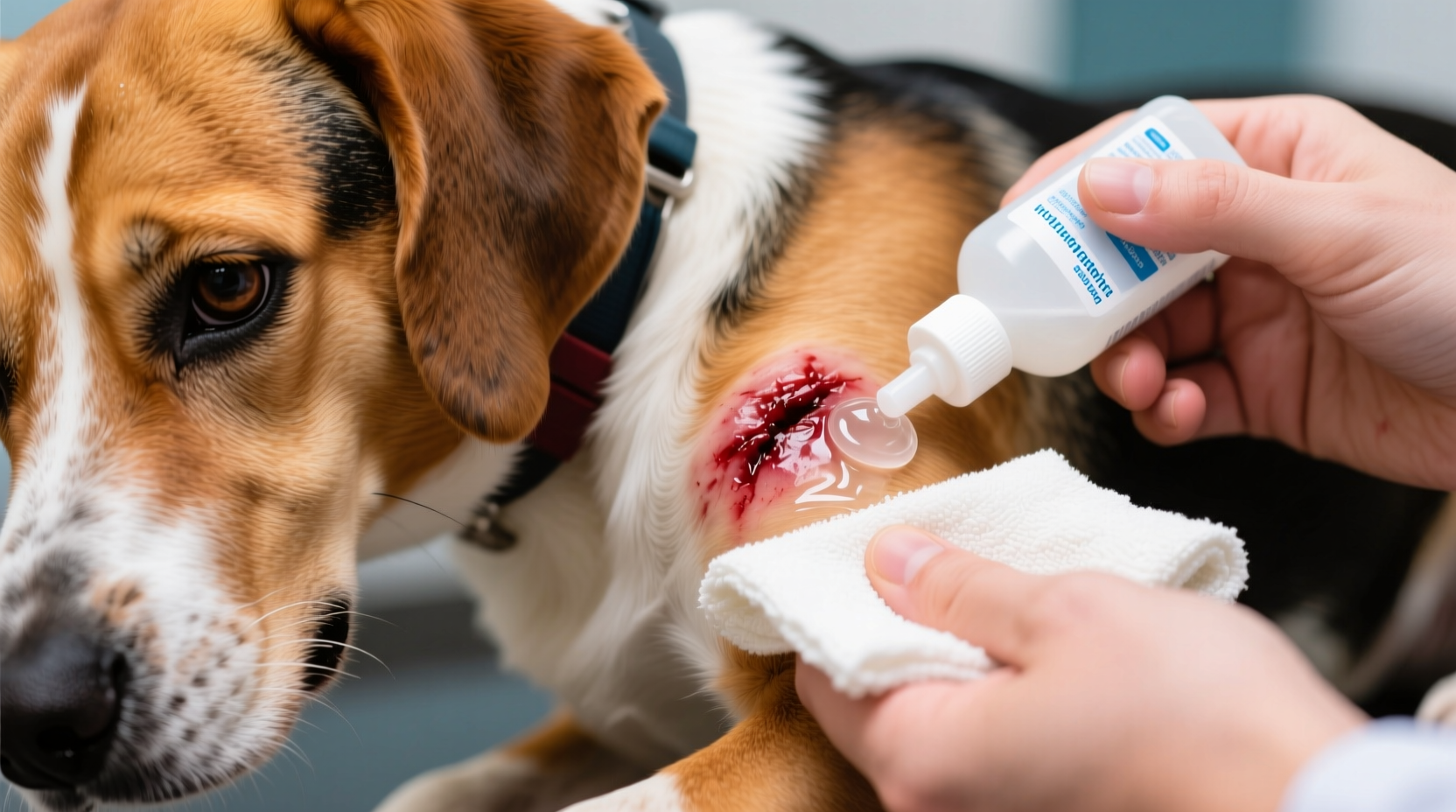
In the past, hydrogen peroxide (typically a 3% solution) was widely recommended for cleaning minor cuts and abrasions in both humans and animals. Its oxidative properties cause it to bubble upon contact with organic material, which visually suggests that it’s “cleaning” the wound by killing bacteria and lifting debris.
This foaming effect made it appealing for quick first aid use. Many pet owners kept a bottle in their medicine cabinet, assuming it was a harmless way to disinfect a dog’s scrape or puncture wound. However, modern veterinary science has revealed significant drawbacks to this practice—especially when applied directly to open tissue.
The same chemical reaction that kills surface bacteria also damages healthy cells. In fact, hydrogen peroxide is non-selective: it destroys not only pathogens but also fibroblasts and other cells critical to the healing process. This means that while it may reduce initial contamination, it simultaneously impairs the body’s ability to repair itself.
“Hydrogen peroxide can be cytotoxic to healing tissues. We now know it delays wound closure and increases the risk of local irritation.” — Dr. Laura Bennett, DVM, Veterinary Dermatology Specialist
Risks of Using Hydrogen Peroxide on Dogs’ Wounds
Despite its historical popularity, applying hydrogen peroxide directly to a dog’s wound poses several risks:
- Tissue damage: The chemical breaks down cell membranes, harming newly forming tissue and slowing the healing process.
- Pain and discomfort: Application can cause stinging, especially in sensitive areas like paws or face.
- Irritation and inflammation: Repeated use may lead to redness, swelling, or dermatitis around the wound site.
- Delayed healing: By destroying essential repair cells, peroxide prolongs the inflammatory phase of wound healing.
- Toxicity if ingested: Dogs often lick their wounds. If peroxide residue remains, ingestion can cause vomiting, drooling, or gastrointestinal upset.
In some cases, particularly with deep or contaminated wounds, improper cleaning can create a false sense of security. A wound may appear clean due to foaming, but underlying bacteria could still thrive beneath damaged tissue.
Tip: Never use hydrogen peroxide on deep puncture wounds, surgical incisions, or burns. These require professional evaluation.Safer Alternatives for Cleaning Minor Dog Wounds
Luckily, there are effective and gentle options for cleaning minor injuries on dogs. The goal is to remove dirt and bacteria without compromising the skin’s natural healing mechanisms.
Saline Solution (0.9% Sodium Chloride)
Plain sterile saline is one of the safest and most effective ways to flush out debris from a wound. It mimics the body’s natural fluids, so it doesn’t irritate tissue. You can purchase pre-made saline wound washes or make your own by dissolving 1 teaspoon of non-iodized salt in 1 cup of boiled, cooled water.
Diluted Chlorhexidine (0.05% to 0.1%)
This antiseptic is commonly used in veterinary clinics because it effectively kills bacteria without damaging tissue at proper concentrations. Avoid higher strengths, as they can be irritating. Do not mix chlorhexidine with iodine or hydrogen peroxide, as chemical reactions may reduce efficacy or increase toxicity.
Povidone-Iodine (Diluted to Tea Color)
Also known as Betadine, this solution can be used sparingly after dilution. It should be mixed with water until it resembles weak tea—about a 1:10 ratio. Overuse or undiluted application can impair healing and stain fur.
| Cleaning Agent | Safe for Dogs? | Recommended Use | Caution |
|---|---|---|---|
| Hydrogen Peroxide (3%) | No – Not Recommended | Avoid direct wound application | Damages tissue; toxic if licked |
| Sterile Saline | Yes | Flushing dirt and debris | None when sterile |
| Chlorhexidine (0.05–0.1%) | Yes | Antiseptic cleansing | Avoid eyes and ears; don't mix with peroxide |
| Povidone-Iodine (diluted) | Yes (with caution) | Surface disinfection | Must be diluted; avoid prolonged use |
| Alcohol (Isopropyl) | No | Do not use on open wounds | Extremely painful; delays healing |
Step-by-Step Guide to Treating Minor Wounds at Home
If your dog sustains a minor cut, scrape, or abrasion, follow these steps to promote healing and prevent infection—without resorting to harmful chemicals.
- Restrain your dog safely: Gently hold or have someone assist you to keep the dog still. Use a muzzle if necessary, especially if the injury is painful.
- Examine the wound: Look for depth, foreign objects, bleeding severity, and signs of infection (pus, swelling, foul odor).
- Trim surrounding hair: Use blunt-tipped scissors to carefully clip fur around the area. This prevents contamination and allows better visibility.
- Flush with saline: Use a bulb syringe or clean squeeze bottle to gently irrigate the wound. Repeat until debris is removed.
- Apply mild antiseptic (if needed): After flushing, dab diluted chlorhexidine or povidone-iodine around—not inside—the wound edges.
- Pat dry and assess: Use a clean gauze pad to gently blot the area. Do not rub.
- Monitor for healing: Check twice daily for redness, swelling, discharge, or increased pain.
- Prevent licking: Use an Elizabethan collar (cone) or protective sleeve to stop your dog from chewing or licking the site.
Mini Case Study: A Backyard Injury and the Wrong Choice
Maria noticed her Labrador, Max, limping after returning from the backyard. Upon inspection, she found a small thorn embedded in his paw pad with minor bleeding. Wanting to act quickly, Maria cleaned the area with hydrogen peroxide from her bathroom cabinet. The bubbling reassured her, but over the next two days, Max became increasingly lame, and the area swelled.
At the vet clinic, the veterinarian explained that while the thorn had been removed, the peroxide had damaged delicate tissue in the paw pad, delaying healing and increasing inflammation. Additionally, Max had licked the area, ingesting some residue, which caused mild stomach upset. The vet flushed the wound with sterile saline, prescribed a topical antibiotic ointment, and advised against future use of peroxide.
Within a week of proper care, Max improved significantly. Maria learned that immediate visual results don’t always mean better outcomes—and that gentler methods are often more effective.
When to See a Veterinarian
Not all wounds can be managed at home. Certain situations require prompt professional attention:
- Deep lacerations or punctures (e.g., bite wounds, nail through pad)
- Heavy or persistent bleeding
- Signs of infection: pus, heat, swelling, foul smell
- Embedded foreign objects (glass, thorns, splinters)
- Bites from other animals (high infection risk)
- Burns, chemical exposure, or large surface-area injuries
- Wounds near eyes, ears, mouth, or genitals
Veterinarians may perform debridement, prescribe antibiotics, or recommend sutures depending on the injury. Early intervention often prevents costly complications.
Frequently Asked Questions
Can I ever use hydrogen peroxide on my dog?
Yes—but only under specific circumstances and never on open wounds. Veterinarians sometimes recommend small amounts of 3% hydrogen peroxide to induce vomiting in dogs who’ve ingested toxins. However, this should only be done on veterinary advice, as improper dosing can cause severe gastric irritation or aspiration pneumonia. For wound cleaning, safer alternatives exist.
What should I do if my dog licks hydrogen peroxide?
If your dog licks a small amount of diluted peroxide from a wound, monitor for drooling, nausea, or vomiting. Most cases resolve within a few hours. However, if large quantities were consumed or symptoms persist, contact your vet immediately. Foaming in the mouth is common but can lead to aspiration if excessive.
Are there over-the-counter ointments safe for dogs?
Some human triple antibiotic ointments (like those containing bacitracin, neomycin, and polymyxin B) are safe in small amounts, but many contain ingredients toxic if ingested in quantity. Dogs will inevitably lick treated areas. Veterinarian-recommended products such as silver sulfadiazine or prescription topical treatments are preferable. Always consult your vet before applying any ointment.
Checklist: Safe At-Home Wound Care for Dogs
- ☐ Assess the wound for depth, bleeding, and foreign objects
- ☐ Restrain your dog gently to prevent movement
- ☐ Trim hair around the wound with blunt scissors
- ☐ Flush with sterile saline solution
- ☐ Apply diluted chlorhexidine or povidone-iodine only around edges
- ☐ Pat dry with sterile gauze
- ☐ Prevent licking with a cone or protective wrap
- ☐ Monitor daily for signs of infection
- ☐ Contact your vet if redness, swelling, or discharge develops
- ☐ Keep a pet first aid kit stocked with safe supplies
Conclusion: Prioritize Healing Over Disinfection
Caring for a dog’s minor wound doesn’t require harsh chemicals or aggressive cleaning. The priority should always be supporting the body’s natural healing process, not merely achieving a dramatic visual reaction. Hydrogen peroxide, despite its widespread availability, fails this standard by damaging healthy tissue and offering limited antimicrobial benefit compared to safer alternatives.
By using sterile saline, diluted chlorhexidine, and proper wound management techniques, you can effectively clean and protect your dog’s injury without causing unintended harm. Remember, when in doubt, consult your veterinarian. Responsible at-home care begins with informed choices—choices that put your pet’s long-term health ahead of outdated habits.
💬 Have experience with pet wound care? Share your story or tips in the comments to help fellow dog owners make safer choices.








