In recent years, grain-free dog food has surged in popularity, marketed as a more natural, ancestral diet for canines. Many pet owners believe that removing grains like corn, wheat, and soy improves digestion, reduces allergies, and supports overall vitality. However, growing concerns from veterinary cardiologists and regulatory agencies suggest a potential link between grain-free diets and an increase in canine dilated cardiomyopathy (DCM), a serious heart condition. This article examines the evidence, explores the nutritional science, and helps pet owners make informed decisions about whether grain-free dog food is truly beneficial—or potentially harmful.
The Rise of Grain-Free Dog Food
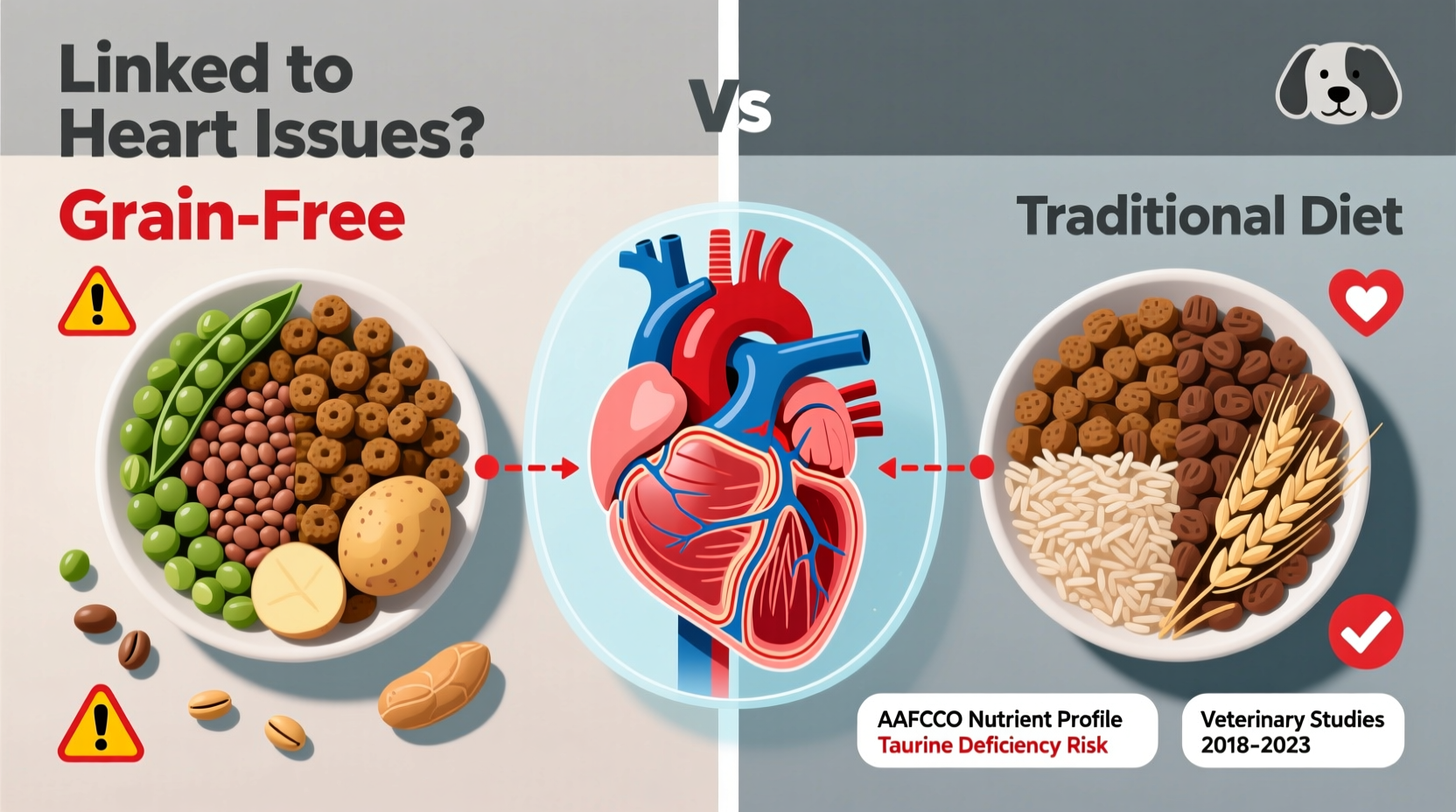
Grain-free diets emerged as part of a broader human trend toward low-carb and paleo-inspired eating. Pet food manufacturers adapted this philosophy, promoting grain-free kibble and wet food as superior alternatives to traditional formulas. These products often replace grains with legumes (like peas and lentils), potatoes, and other starchy vegetables. Marketing emphasizes “clean ingredients,” “no fillers,” and “higher protein content,” appealing to owners seeking premium nutrition for their pets.
However, while some dogs genuinely benefit from grain-free formulations—particularly those with diagnosed grain allergies—the majority do not require grain elimination. In fact, whole grains provide essential nutrients such as fiber, B vitamins, and complex carbohydrates that support sustained energy and digestive health.
Tip: Just because a food is labeled \"grain-free\" doesn’t mean it’s healthier—always check the full ingredient list and guaranteed analysis.Understanding Dilated Cardiomyopathy (DCM) in Dogs
Dilated cardiomyopathy (DCM) is a disease of the heart muscle that causes the chambers to enlarge and weaken, reducing the heart's ability to pump blood effectively. It can lead to congestive heart failure, arrhythmias, and sudden death. While DCM has long been recognized in certain breeds—such as Doberman Pinschers, Great Danes, and Boxers—veterinarians have observed an increasing number of cases in breeds not genetically predisposed to the condition.
In 2018, the U.S. Food and Drug Administration (FDA) launched an investigation into reports of DCM in dogs consuming grain-free diets. As of 2023, over 1,000 cases have been reported, many involving foods high in legumes and potatoes. The FDA has not issued a formal ban but continues to caution pet owners and veterinarians about potential dietary links.
“While genetics play a role, we’re seeing DCM in atypical breeds that eat primarily grain-free diets rich in peas, lentils, and potatoes. We can’t ignore the pattern.” — Dr. Lisa Freeman, Board-Certified Veterinary Nutritionist, Tufts University
Nutritional Gaps and Taurine Deficiency
One leading theory behind the grain-free/DCM connection involves taurine, an amino acid critical for heart function. Dogs can synthesize taurine from other amino acids like cysteine and methionine, which are typically found in animal proteins. However, some grain-free diets rely heavily on plant-based proteins, which may be lower in these precursors.
Additionally, certain legumes and potatoes contain compounds that may interfere with taurine absorption or metabolism. Studies have shown that some dogs diagnosed with diet-associated DCM have low blood taurine levels, and in some cases, cardiac function improves when taurine is supplemented and the diet is changed.
It's important to note that not all dogs on grain-free diets develop taurine deficiency or DCM. Individual factors—including breed, age, underlying health conditions, and genetic predisposition—play significant roles. Still, the correlation warrants caution.
| Factor | Potential Risk in Grain-Free Diets | Mitigation Strategy |
|---|---|---|
| High legume content | May reduce taurine bioavailability | Choose formulas with balanced animal protein sources |
| Low methionine/cysteine | Limits taurine synthesis | Look for meat-first ingredient lists |
| Excessive potato or sweet potato | High glycemic load; unknown cardiac effects | Limit starch-heavy alternatives |
| Premade raw or boutique brands | Less regulated; variable nutrient profiles | Opt for AAFCO-compliant, tested formulas |
Are Grain-Free Diets Ever Beneficial?
Despite the concerns, grain-free food can be appropriate—and even necessary—for specific dogs. True grain allergies are rare but real. Symptoms include chronic ear infections, skin irritation, gastrointestinal upset, and poor coat condition. If a veterinarian confirms a sensitivity to grains through elimination trials, switching to a grain-free diet may resolve these issues.
Moreover, some performance dogs, working breeds, or highly active pets may benefit from higher protein and fat content, which many grain-free formulas provide. However, the absence of grains should not be equated with higher quality. What matters most is the overall nutritional balance, digestibility, and suitability for the individual dog.
Many mainstream brands now offer grain-inclusive formulas with high-quality, easily digestible grains such as brown rice, barley, and oats. These ingredients are not “fillers” but valuable sources of energy, fiber, and micronutrients. In contrast, poorly formulated grain-free diets may simply substitute one inexpensive ingredient for another without improving nutritional value.
Mini Case Study: Max, the Golden Retriever
Max, a 5-year-old Golden Retriever, was thriving on a popular grain-free kibble until he began showing signs of lethargy and coughing after walks. His veterinarian detected a heart murmur and referred him to a cardiologist. An echocardiogram revealed early-stage DCM. Blood tests showed borderline low taurine levels.
Max’s owner had chosen the grain-free diet believing it was “healthier,” based on marketing claims. The formula listed lamb as the first ingredient but contained over 30% legumes by volume. Under veterinary guidance, Max was transitioned to a grain-inclusive, AAFCO-approved diet with adequate animal protein and supplemented with taurine.
After six months, follow-up imaging showed improved heart function, and Max regained his energy. His case highlights how well-intentioned dietary choices—without professional input—can have unintended consequences.
How to Choose a Safe, Balanced Diet for Your Dog
Selecting the right food requires looking beyond labels and buzzwords. Here’s a step-by-step approach to making a safe and informed decision:
- Consult your veterinarian or a board-certified veterinary nutritionist. They can assess your dog’s health, activity level, and any existing conditions.
- Review the ingredient list critically. Look for named animal protein sources (e.g., “chicken,” not “meat meal”) as the first ingredients. Avoid diets where legumes or potatoes dominate the first five ingredients.
- Check for AAFCO compliance. Foods labeled as meeting AAFCO (Association of American Feed Control Officials) standards have undergone feeding trials or nutrient profile validation.
- Avoid “boutique” or exotic ingredient trends. Brands using kangaroo, bison, or camel without robust research backing may lack nutritional consistency.
- Monitor your dog’s response. Watch for changes in energy, coat quality, stool consistency, and weight. Schedule regular bloodwork, especially if feeding a non-traditional diet.
Checklist: Evaluating a Dog Food for Heart Health Safety
- ✅ First ingredient is a high-quality animal protein (e.g., chicken, beef, fish)
- ✅ Legumes (peas, lentils, chickpeas) appear below animal proteins in the list
- ✅ Contains taurine-supportive nutrients (methionine, cysteine, vitamin E)
- ✅ Meets AAFCO nutrient profiles for your dog’s life stage
- ✅ Manufactured by a company with in-house veterinary nutritionists
- ✅ No excessive use of potatoes, tapioca, or pea protein isolates
- ✅ Supported by feeding trials or published research
Frequently Asked Questions
Is grain-free dog food bad for all dogs?
No, not all dogs are affected. Grain-free diets can be safe and appropriate when properly formulated and fed to dogs with specific needs. However, due to the potential link with DCM, they should not be chosen arbitrarily based on marketing alone. Always consult a veterinarian before making significant dietary changes.
Can dogs digest grains?
Yes, dogs can digest cooked grains efficiently. Modern dogs have evolved to process starches, thanks to increased numbers of the AMY2B gene, which produces amylase. Whole grains like oats, barley, and brown rice are nutritious and provide sustained energy, fiber, and essential fatty acids.
What should I do if my dog is already on a grain-free diet?
If your dog has been on a grain-free diet without issues, don’t panic—but stay vigilant. Monitor for symptoms like fatigue, coughing, difficulty breathing, or reduced exercise tolerance. Consider discussing a taurine level test with your vet, especially if your dog is a breed not traditionally prone to DCM. Transitioning to a balanced, grain-inclusive diet may be advisable as a preventive measure.
Conclusion: Prioritize Science Over Trends
The debate over grain-free dog food underscores a larger issue in pet nutrition: the influence of human dietary trends on animal care. While some dogs benefit from grain-free diets, the blanket assumption that “grain-free equals healthier” is not supported by science—and may pose serious risks.
The growing body of evidence linking certain grain-free formulations to dilated cardiomyopathy demands caution. Pet owners must look beyond packaging and prioritize nutritional adequacy, ingredient quality, and veterinary guidance. A dog��s diet should be tailored to its biology, not human fads.
Heart health is too important to gamble on unproven claims. Whether you choose grain-free or grain-inclusive food, ensure it’s backed by sound science, meets AAFCO standards, and supports your dog’s long-term well-being.
💬 Have questions about your dog’s current diet? Talk to your veterinarian today—your pet’s heart depends on it.








