
Glitter has long been a symbol of celebration, creativity, and self-expression. From festival makeup to craft projects and holiday decor, its shimmer brings joy. But as awareness grows about plastic pollution, traditional glitter—made from microplastics like PET or PVC—has come under scrutiny. In response, “biodegradable glitter” has emerged as a popular eco-friendly alternative. Marketed as sustainable and skin-safe, it promises all the sparkle without the environmental guilt. But is this claim entirely accurate? The answer isn’t as simple as a yes or no. Understanding what biodegradable glitter is made of, how it degrades, and under what conditions reveals a more nuanced reality.
What Makes Glitter Biodegradable?
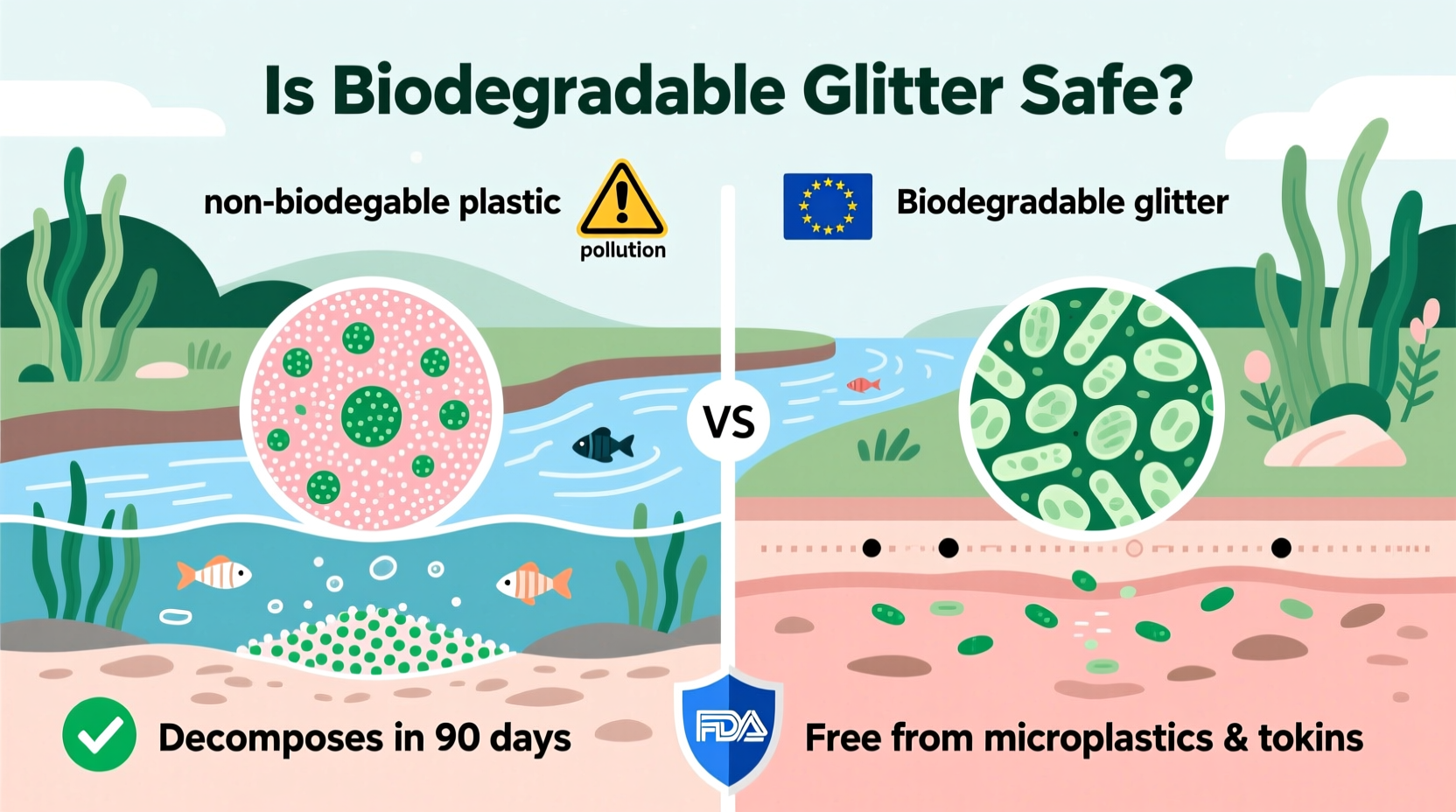
Traditional glitter consists of tiny pieces of aluminum-coated plastic, typically polyethylene terephthalate (PET), which can persist in the environment for decades. In contrast, biodegradable glitter is usually made from cellulose film derived from plant sources such as eucalyptus or sustainably farmed hardwoods. This film is metallized with a thin layer of aluminum or other reflective materials to create shine, but the base material is designed to break down naturally under specific conditions.
The key difference lies in the substrate. While conventional glitter fragments into microplastics that pollute oceans and harm marine life, biodegradable glitter is engineered to decompose into water, carbon dioxide, and biomass when exposed to microbial activity in industrial composting environments. However, the term \"biodegradable\" can be misleading if not qualified by context—just because something *can* biodegrade doesn't mean it will do so quickly or safely in all settings.
“Not all biodegradation happens equally. A product labeled ‘biodegradable’ might require high heat, moisture, and microbial density only found in industrial facilities.” — Dr. Lena Torres, Environmental Microbiologist
Conditions Required for Breakdown
One of the most critical misconceptions about biodegradable glitter is that it will dissolve harmlessly in rivers, soil, or home compost bins. In reality, most certified biodegradable glitters need specific conditions to degrade effectively:
- Temperature: Sustained heat above 50°C (122°F)
- Moisture: High humidity or constant water exposure
- Microbial Activity: Presence of bacteria and fungi capable of breaking down cellulose
- Oxygen: Aerobic conditions (not anaerobic landfills)
In natural environments like freshwater lakes or ocean waters, these conditions are rarely met consistently. Studies have shown that some biodegradable glitter particles can remain intact for months in aquatic ecosystems, posing similar risks to wildlife as microplastics during that time. For instance, fish may ingest glitter particles mistaking them for food, leading to internal blockages or chemical leaching.
Tip: Always check whether your biodegradable glitter is certified for home composting or requires industrial processing. Look for certifications like OK Compost INDUSTRIAL or TÜV Austria’s Seedling logo.Skin Safety: Are Natural Ingredients Always Safer?
On the surface, biodegradable glitter appears gentler on the skin due to its plant-based origin. Many brands also market their products as non-toxic, hypoallergenic, and suitable for sensitive skin or children. While this is often true, it's important not to assume safety purely based on labeling.
The primary components—cellulose and aluminum—are generally considered low-risk. However, additional ingredients such as dyes, fragrances, or preservatives can still trigger allergic reactions or irritation in some individuals. Some colored glitters use synthetic pigments that aren’t inherently “natural,” even if the base film is.
A patch test is recommended before full facial or body application, especially for those with eczema, rosacea, or known sensitivities. Additionally, fine glitter particles can potentially clog pores or cause micro-abrasions if rubbed aggressively into delicate skin around the eyes.
Common Skin Reactions to Watch For
- Redness or inflammation after use
- Itching or stinging sensation
- Breakouts near application areas
- Swelling or rash (signs of allergy)
Manufacturers who prioritize transparency will list full ingredient disclosures and conduct dermatological testing. Opt for brands that avoid parabens, phthalates, and artificial fragrances to minimize risk.
Environmental Impact Compared: Traditional vs. Biodegradable Glitter
To better understand the trade-offs, consider the following comparison between traditional and biodegradable glitter across key environmental and health metrics.
| Metric | Traditional Glitter | Biodegradable Glitter |
|---|---|---|
| Base Material | Polyester film (PET/PVC) | Cellulose from eucalyptus or wood pulp |
| Decomposition Time | Centuries (persistent microplastic) | Weeks to months (in industrial compost) |
| Marine Toxicity | High – harms plankton, fish, seabirds | Moderate – low toxicity but physical hazard if ingested |
| Home Compostable? | No | Rarely – most require industrial facilities |
| Skin Irritation Risk | Low (inert plastic) | Low to moderate (depends on additives) |
| Carbon Footprint | High (fossil fuel–based) | Lower (renewable source, but processing energy varies) |
This table highlights that while biodegradable glitter represents a significant improvement over conventional options, it is not a zero-impact solution. Its benefits are maximized only when disposed of correctly and used mindfully.
Real-World Example: Festival Waste Management Challenge
At a major European music festival promoting sustainability, organizers encouraged attendees to use biodegradable glitter instead of plastic versions. Despite clear signage and educational campaigns, post-event waste audits revealed glitter residue in soil samples and nearby streams. Laboratory analysis showed that much of the glitter remained physically intact after six weeks in wet, temperate conditions resembling natural decomposition environments.
The issue wasn’t the product itself, but the gap between consumer expectations and actual degradation requirements. Attendees assumed “biodegradable” meant “disappears quickly in nature,” leading to improper disposal. The festival later partnered with a waste management company to install collection bins for glitter-contaminated wipes and launched a campaign emphasizing proper disposal methods. This case illustrates that even well-intentioned eco-alternatives require systemic support to deliver real environmental benefits.
How to Use Biodegradable Glitter Responsibly
Choosing biodegradable glitter is a positive step, but responsible usage determines its ultimate impact. Follow this practical checklist to ensure you're minimizing harm to both people and the planet.
✅ Responsible Glitter Use Checklist
- Verify Certification: Choose glitter certified by independent bodies like TÜV Austria (OK Compost) or DIN CERTCO.
- Avoid Waterways: Never rinse glitter off in sinks, showers, or natural bodies of water.
- Capture Waste: Remove glitter with a damp cloth or wipe and dispose of it in organic waste or compost (if accepted locally).
- Store Properly: Keep in sealed containers to prevent accidental spills.
- Limit Quantity: Use sparingly—less glitter means less environmental load.
- Check Local Composting Rules: Confirm whether your municipal compost accepts biodegradable glitter.
- Support Transparent Brands: Buy from companies that disclose sourcing, manufacturing, and breakdown timelines.
Step-by-Step Guide to Safe Removal and Disposal
Proper cleanup is essential to prevent glitter from entering wastewater systems or being scattered into the environment. Follow these steps:
- Prepare Your Tools: Have a soft cloth, cotton pad, or reusable wipe ready. Use oil-based remover or gentle cleanser if needed.
- Wipe, Don’t Rinse: Gently remove glitter from skin using the cloth. Avoid scrubbing to prevent micro-tears.
- Collect Residue: Fold the wipe inward to trap particles and place it in a sealed bag or container.
- Dispose Appropriately: If your area has industrial composting, label and submit the waste accordingly. Otherwise, treat it as residual waste until better infrastructure exists.
- Clean Surfaces: Use tape or a lint roller to pick up stray particles from mirrors, floors, or furniture.
- Wash Reusable Items: Launder cloths separately to avoid contaminating other fabrics.
This method ensures that glitter doesn’t wash into drains where it could eventually reach rivers and oceans, bypassing controlled composting systems entirely.
Frequently Asked Questions
Can biodegradable glitter go down the drain?
No. Even if labeled biodegradable, glitter should never be rinsed down the sink or shower. Wastewater treatment plants are not designed to capture small particulates efficiently, and many end up in aquatic ecosystems before they can break down.
Is biodegradable glitter edible?
No. Despite some marketing claims suggesting “food-grade” materials, biodegradable glitter is not intended for consumption. While cellulose is used in some food products as a filler, glitter contains metallic coatings and binders unsuitable for ingestion.
How long does biodegradable glitter take to decompose?
In ideal industrial composting conditions (58°C, high humidity, microbial activity), certified biodegradable glitter can break down within 6 months. In cold, dry, or low-microbe environments like oceans or backyard gardens, decomposition may take years—or not occur at all.
Conclusion: Making Informed Choices Matters
Biodegradable glitter is a meaningful advancement over traditional plastic glitter, but it is not a perfect solution. It offers reduced persistence in the environment and lower reliance on fossil fuels, provided it is manufactured responsibly and disposed of correctly. However, calling it “safe” without qualification overlooks the realities of decomposition timelines, disposal infrastructure, and potential skin sensitivities.
The responsibility extends beyond manufacturers to consumers, event organizers, and policymakers. Until widespread access to industrial composting becomes standard, even the best-intentioned eco-glitter risks contributing to pollution if mismanaged. The most sustainable choice may sometimes be to embrace minimalism—using less glitter overall or exploring reusable alternatives like metallic powders in closed crafts or LED accessories for temporary sparkle.
💬 Have you switched to biodegradable glitter? What challenges have you faced with disposal or skin sensitivity? Share your experience and help build a more informed community around sustainable beauty choices.








