Glitter has long been a staple of celebration—adorning makeup, crafts, festival outfits, and holiday decor. But as awareness grows about plastic pollution, traditional PET-based glitter has come under scrutiny. In response, “biodegradable” glitter has surged in popularity, marketed as an eco-friendly alternative. Yet behind the shimmer lies a complex environmental story. Is biodegradable glitter truly safe for the planet, or is it another case of greenwashing? Research suggests the answer isn’t as simple as the packaging implies.
What Makes Glitter Biodegradable?
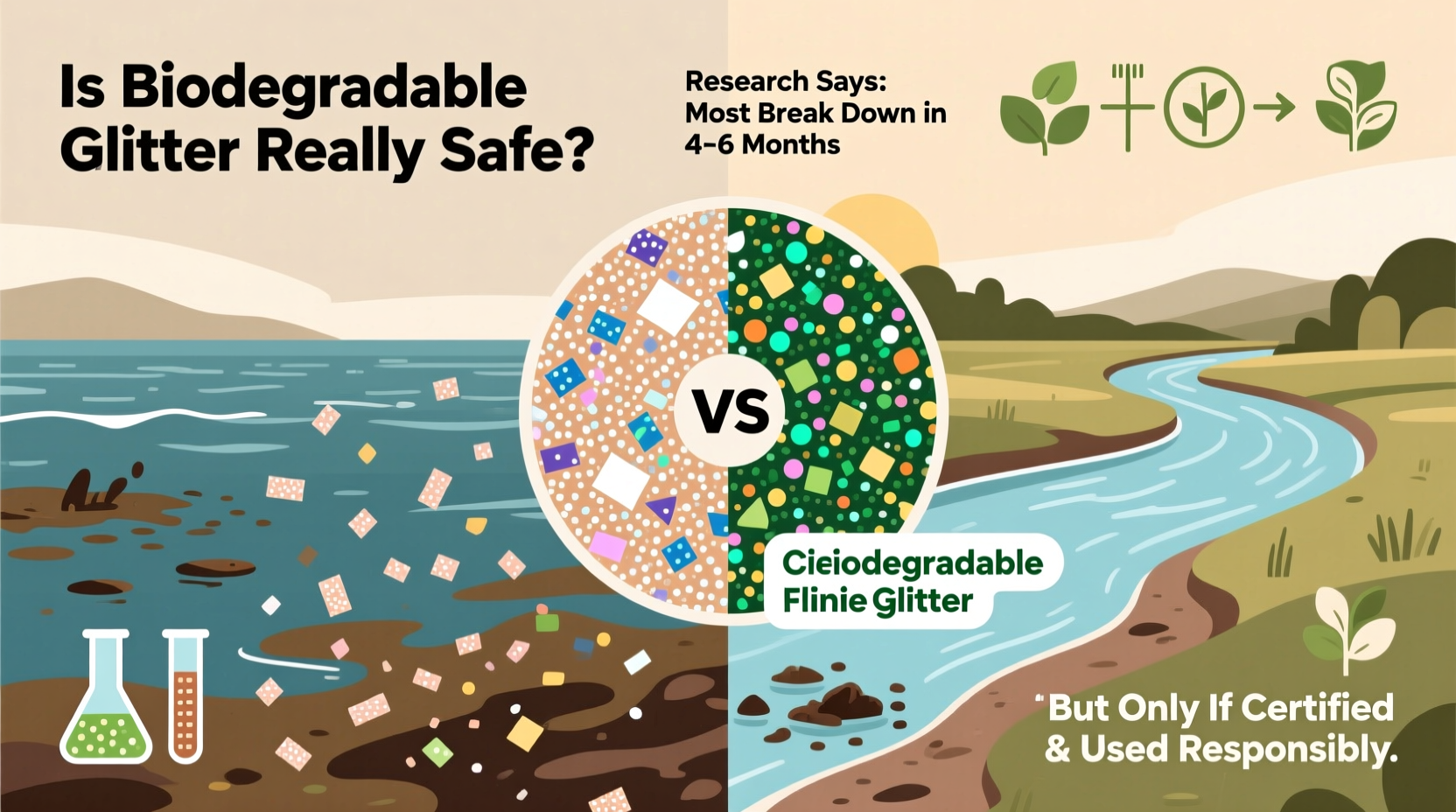
Traditional glitter is made from polyethylene terephthalate (PET), a type of plastic that can persist in the environment for hundreds of years. When washed down drains, these microplastics enter waterways, harming aquatic life and entering the food chain.
Biodegradable glitter aims to solve this issue by replacing plastic with materials derived from natural sources. Most commonly, it uses cellulose film—often sourced from eucalyptus or other sustainably managed forests. This film is coated with aluminum for reflectivity and may include plant-based dyes. The claim is that under the right conditions, this material will break down into harmless organic compounds.
However, not all biodegradable glitters are created equal. Some products use misleading terminology such as “plant-based” or “eco-glitter” without meeting recognized biodegradation standards. True biodegradability depends on specific criteria: the rate and extent of decomposition, the byproducts formed, and the environment in which breakdown occurs.
“Just because something is labeled ‘biodegradable’ doesn’t mean it breaks down quickly or safely in natural ecosystems.” — Dr. Sarah Dudas, Marine Ecotoxicologist, University of Victoria
The Science Behind Biodegradation: Lab vs. Real World
Many biodegradable glitter brands cite certifications like OK Biodegradable WATER or ISO 14855, which test degradation in controlled laboratory settings. These tests typically simulate wastewater treatment plants or marine environments with optimized microbial activity, temperature, and oxygen levels.
In ideal lab conditions, certified biodegradable glitter can break down within weeks. For example, a 2021 study published in *Environmental Science & Technology* found that certain cellulose-based glitters achieved over 90% biodegradation in marine simulation tanks within 28 days—meeting OECD 306 standards.
But real-world conditions are far less predictable. In cold rivers, deep ocean waters, or soil with low microbial activity, the same glitter may degrade slowly—or not at all. A 2023 field study by Plymouth University revealed that while biodegradable glitter broke down rapidly in warm, aerated sewage systems, its degradation slowed significantly in cooler coastal waters, remaining visible for up to four months.
This discrepancy highlights a critical gap: biodegradation claims often reflect best-case scenarios rather than typical environmental exposure.
Tip: Look for third-party certifications like TÜV Austria’s OK Biodegradable WATER, which verify breakdown in aquatic environments—not just industrial composters.Comparing Traditional and Biodegradable Glitter
| Feature | Traditional Glitter | Biodegradable Glitter |
|---|---|---|
| Base Material | Polyethylene terephthalate (PET) | Cellulose (e.g., eucalyptus) |
| Decomposition Time | Centuries | Weeks to months (under optimal conditions) |
| Breakdown Environment | Does not meaningfully degrade | Aerobic aquatic systems, compost |
| Toxicity of Byproducts | Releases microplastics and additives | Generally non-toxic; cellulose becomes biomass |
| Certifications | None | OK Biodegradable WATER, ISO 17088 |
| Microplastic Classification | Yes | No (if fully certified) |
Hidden Environmental Trade-offs
While biodegradable glitter avoids persistent plastic pollution, it introduces other ecological considerations. The production of cellulose film requires land, water, and energy. Eucalyptus, though fast-growing, is sometimes cultivated in monoculture plantations that reduce biodiversity and strain local water resources, particularly in regions like Portugal and Brazil.
Additionally, the aluminum coating used for shine raises concerns. Although minimal in quantity, aluminum can leach into water and affect aquatic organisms at high concentrations. One 2022 study in *Aquatic Toxicology* noted mild toxicity in daphnia exposed to high doses of degraded biodegradable glitter, primarily due to metal residues.
Furthermore, consumer behavior undermines even the best-designed product. Many people assume “biodegradable” means “safe to scatter,” leading to intentional release into parks, lakes, and oceans. But unless the environment supports rapid microbial breakdown, glitter particles can still harm wildlife. Fish and birds may ingest glitter, mistaking it for food—just as they do with microplastics.
“We’re seeing a shift from plastic pollution to potential biochemical pollution if we don’t manage biodegradable materials responsibly.” — Dr. Elena Moreno, Environmental Chemist, Barcelona Institute for Global Health
How to Use Biodegradable Glitter Responsibly
Choosing biodegradable glitter is a step forward, but responsible use is equally important. The following checklist outlines practical actions to minimize environmental impact:
Checklist: Using Biodegradable Glitter Sustainably- ✅ Choose glitter certified as biodegradable in freshwater and marine environments (look for OK Biodegradable WATER).
- ✅ Avoid products with synthetic dyes or excessive metal coatings.
- ✅ Use sparingly—less glitter means less environmental load.
- ✅ Apply indoors and clean up thoroughly with a damp cloth or vacuum (not rinsed down the drain).
- ✅ Dispose of glitter waste in organic or industrial compost where available.
- ❌ Do not scatter glitter outdoors, even at festivals or weddings.
- ❌ Don’t assume home composting will break it down—most backyard piles lack the necessary microbes and heat.
Real-World Example: The Glastonbury Festival Shift
In 2019, the Glastonbury Festival in the UK banned all glitter to combat microplastic pollution. While well-intentioned, the policy faced backlash from performers and attendees who relied on glitter for artistic expression. In response, organizers partnered with EcoStardust, a UK-based biodegradable glitter company, to pilot a “Glitter Amnesty” campaign in 2022.
They provided certified biodegradable glitter at select stalls and installed collection bins for post-use disposal. Participants were encouraged to wipe off glitter and deposit it in compostable bags. Independent monitoring showed a 68% reduction in glitter residue in nearby water samples compared to previous years—though trace amounts were still detected in soil near popular camping areas.
The case illustrates both progress and limitations: switching to biodegradable glitter reduces long-term pollution, but behavioral change and proper disposal infrastructure are essential for real impact.
Step-by-Step Guide to Choosing Safer Glitter
- Read the Label Carefully: Avoid vague terms like “eco” or “green.” Look for specific claims backed by certifications.
- Check for Third-Party Certification: Verify logos such as OK Biodegradable WATER, Seedling (for compostability), or DIN CERTCO.
- Research the Brand: Reputable companies publish transparency reports, sourcing details, and independent lab results.
- Assess the Ingredients: Opt for products using plant cellulose, natural pigments, and minimal metallic content.
- Plan Your Cleanup: Before applying, decide how you’ll remove and dispose of the glitter—preferably without water.
- Dispose Properly: Place used glitter in a sealed container for industrial composting if available, or in general waste (better than contaminating water systems).
Frequently Asked Questions
Can I flush biodegradable glitter down the toilet?
No. Even biodegradable glitter should not be flushed. Wastewater treatment plants vary in their ability to process organic films, and many particles may pass through untreated. Always wipe or sweep glitter off and dispose of it in solid waste or compost.
Is biodegradable glitter safe for marine life?
It’s safer than plastic glitter, but not risk-free. Under optimal conditions, it breaks down without releasing microplastics. However, ingestion before degradation can still cause physical blockages in small organisms. The safest approach is to prevent release into natural ecosystems altogether.
Does biodegradable glitter decompose in landfills?
Unlikely. Most landfills are anaerobic (low-oxygen) environments, which inhibit the microbial activity needed for biodegradation. In such conditions, even certified biodegradable materials can persist for years. This reinforces the need for proper disposal pathways beyond throwing it in the trash.
Toward a Truly Sustainable Sparkle
The rise of biodegradable glitter reflects a growing demand for sustainable alternatives to single-use plastics. Scientific evidence confirms that, under the right conditions, these products do break down more completely and safely than traditional glitter. However, certification gaps, inconsistent disposal methods, and consumer misconceptions limit their environmental benefits.
True sustainability requires more than material substitution—it demands systemic changes in how we design, use, and dispose of products. Until municipal composting infrastructure improves and public awareness grows, even the most eco-labeled glitter carries risks if misused.
For now, the most environmentally sound choice is to minimize glitter use overall. Consider reusable sequins, metallic paints with washable bases, or digital effects for photography and performance. When glitter is necessary, opt for certified biodegradable versions and treat them as carefully as any chemical product—with thoughtful application and responsible cleanup.
💬 What’s your experience with biodegradable glitter? Have you seen it break down in real life? Share your thoughts and tips with our community to help others make informed, eco-conscious choices.








