Glitter has long been a symbol of celebration—adorning festival outfits, holiday crafts, and cosmetics. But as awareness of plastic pollution grows, so does scrutiny over its environmental cost. Traditional glitter is made from microplastics, which persist in ecosystems for centuries. In response, “biodegradable” glitter has emerged as a greener alternative. Marketed as eco-friendly and earth-safe, these products promise to sparkle without harming the planet. But how truthful are these claims? Behind the shimmering surface lies a complex reality involving misleading labeling, inconsistent standards, and environmental trade-offs that consumers rarely see.
This article examines the science, regulations, and real-world performance of biodegradable glitter. It separates marketing hype from measurable impact and equips you with the knowledge to make informed choices—because sustainability isn’t just about intention; it’s about outcomes.
What Is Biodegradable Glitter Made Of?
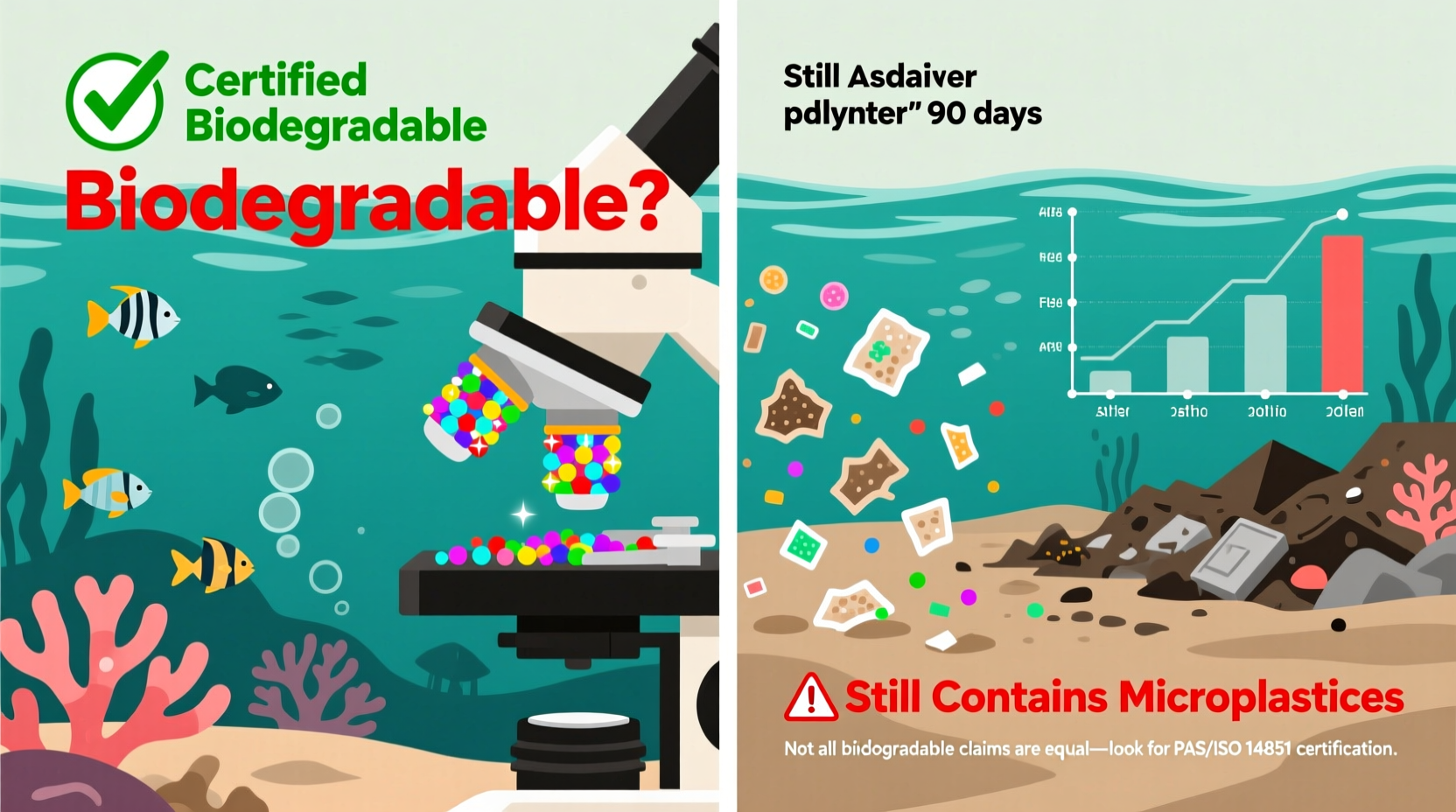
Unlike conventional glitter, which typically consists of polyethylene terephthalate (PET) or aluminum-coated plastics, biodegradable glitter is usually derived from cellulose—a natural polymer found in plants. The most common source is eucalyptus trees, processed into a thin film and coated with non-toxic pigments and reflective minerals like mica. This cellulose base is technically biodegradable under specific conditions.
The key difference lies in molecular structure. While synthetic plastics resist microbial breakdown, cellulose can be digested by certain bacteria and fungi when exposed to moisture, warmth, and oxygen. However, this doesn’t mean it breaks down quickly—or at all—in every environment.
Tip: Look beyond the term \"biodegradable\"—check whether the product specifies compostability standards such as OK Biodegradable WATER or EN 13432.The Problem with the Term “Biodegradable”
The word “biodegradable” sounds reassuring, but it lacks a universal legal definition in many countries. Without strict regulation, companies can use it loosely—even if decomposition takes years or requires industrial facilities not accessible to most consumers.
In the UK, for example, the Advertising Standards Authority (ASA) cracked down on misleading green claims in 2021 after several glitter brands advertised their products as “eco-friendly” without sufficient evidence. One company was forced to withdraw ads claiming its glitter would “degrade in your garden.” In reality, degradation only occurred under controlled laboratory conditions simulating wastewater treatment plants—not backyard soil.
Environmental scientist Dr. Jane Thompson explains:
“Just because something is labeled biodegradable doesn’t mean it will break down in your local river or forest. The environment matters as much as the material.” — Dr. Jane Thompson, Environmental Microbiologist, University of Exeter
Conditions Required for Real Biodegradation
For biodegradable glitter to fully decompose, three main factors must align:
- Aerobic Environment: Oxygen must be present, ruling out landfills where anaerobic (oxygen-free) conditions dominate.
- Microbial Activity: Specific microbes capable of breaking down cellulose need to be present in sufficient numbers.
- Optimal Temperature and Moisture: Most certified biodegradation occurs at temperatures above 50°C (122°F), typical of industrial composters, not oceans or gardens.
This means tossing biodegradable glitter into a lake or washing it down the drain may still contribute to microplastic-like pollution, especially if municipal water systems lack advanced filtration.
Comparing Glitter Types: A Reality Check
| Type of Glitter | Base Material | Biodegrades in Soil? | Biodegrades in Water? | Certifications | Typical Breakdown Time |
|---|---|---|---|---|---|
| Traditional Plastic Glitter | PET, PVC, aluminum | No | No (persists >100 years) | None | Centuries |
| \"Biodegradable\" Glitter (uncertified) | Cellulose + synthetic coatings | Limited | Only in lab settings | None or vague claims | Unknown / up to years |
| Certified Biodegradable Glitter | Plant-based cellulose (e.g., eucalyptus) | No (but degrades in wastewater) | Yes (in STP conditions*) | OK Biodegradable WATER, TÜV Austria | 1–6 months |
*STP = Sewage Treatment Plant conditions (aerobic, warm, microbial-rich).
As shown, only certified biodegradable glitters meet independently verified standards. Even then, they don't degrade in natural environments like soil or seawater—they require the high microbial activity and temperature of wastewater treatment infrastructure.
Case Study: Festival Waste and the Glitter Fallout
In 2022, Glastonbury Festival in the UK implemented a ban on all glitter—including biodegradable versions—due to concerns over aquatic contamination. Despite efforts by attendees to choose “eco-glitter,” researchers found microscopic residues in nearby streams months after the event.
A study conducted by Plymouth University analyzed sediment samples downstream from the festival grounds. They detected trace amounts of cellulose-based glitter particles, some intact, others partially fragmented. While less persistent than PET glitter, these fragments were still present in the ecosystem, raising questions about long-term accumulation.
Festival organizers concluded: while biodegradable glitter is an improvement, it's not a zero-impact solution. Their decision to ban glitter entirely reflected a precautionary approach—prioritizing protection of sensitive habitats over convenience or aesthetics.
This case underscores a crucial point: even well-intentioned alternatives can have unintended consequences when used at scale in uncontrolled environments.
How to Choose Truly Sustainable Glitter
Not all biodegradable glitters are created equal. To avoid falling for greenwashing, follow this checklist before purchasing:
Eco-Friendly Glitter Checklist
- ✅ Look for third-party certifications: OK Biodegradable WATER, TÜV Austria, or DIN CERTCO.
- ✅ Avoid products that say “plant-based” or “natural” without proof of certification.
- ✅ Check ingredient transparency: Should list cellulose (often from eucalyptus or birch), not “proprietary blends.”
- ✅ Confirm it’s free from synthetic polymers like PVA or acrylates, which slow degradation.
- ✅ Prefer loose glitter in reusable containers over single-use applicators.
- ❌ Steer clear of anything labeled “compostable” unless it meets EN 13432 (industrial compost standard).
Step-by-Step Guide to Responsible Glitter Use
If you choose to use biodegradable glitter, follow these steps to minimize environmental harm:
- Research the Brand: Visit the manufacturer’s website and look for downloadable test reports or certification logos linked to verification bodies like TÜV.
- Buy in Bulk: Reduce packaging waste by choosing larger containers rather than individual mini pots.
- Apply Mindfully: Use glue or adhesive to fix glitter in place, reducing shedding during wear.
- Clean Up Carefully: Wipe off glitter with a damp cloth instead of washing it down the sink. Dispose of wipes in general waste (not flushing).
- Never Scatter Outdoors: Avoid using glitter in outdoor festivals, gardens, or near waterways—even if labeled biodegradable.
- Dispose Properly: Do not compost at home. If wastewater-certified, small residues washed down the drain may break down in treatment plants—but only if your local facility supports aerobic digestion.
Are There Better Alternatives?
While certified biodegradable glitter is a step forward, truly sustainable options go beyond substitution. Consider these eco-conscious alternatives:
- Natural Mica Flakes: Sourced responsibly (look for ethical mining certifications), mica provides subtle shimmer without polymers. Ensure it’s solvent-free and untreated with plasticizers.
- Mineral-Based Powders: Iron oxides and titanium dioxide offer color and reflectivity in cosmetics and crafts, commonly used in clean beauty products.
- Edible Glitter: Made from sugar, gum arabic, and food-grade dyes, edible glitter dissolves completely and is safe if ingested—ideal for cake decorating.
- Reusable Decorations: Swap glitter for sequins, beads, or fabric scraps that can be collected and reused.
For large-scale events, LED body paint or UV-reactive makeup offers dazzling effects without physical residue. These innovations signal a shift toward circular design—where beauty doesn’t come at nature’s expense.
Frequently Asked Questions
Can I compost biodegradable glitter at home?
No. Most biodegradable glitters require industrial composting conditions (high heat, specific microbes) not found in backyard bins. Home compost piles rarely exceed 30°C, far below the 50–60°C needed for efficient breakdown. Composting such glitter at home risks leaving undecomposed fragments in soil.
Does biodegradable glitter harm marine life?
Preliminary studies suggest lower toxicity than plastic glitter, but any particulate matter poses ingestion risks to plankton and small aquatic organisms. While certified glitters degrade faster in wastewater systems, direct release into rivers or oceans should be avoided. Even fast-degrading materials can cause short-term ecological stress.
Is there a global standard for biodegradable glitter?
Not yet. However, the European standard EN 17033 for biodegradability in aqueous environments is emerging as a benchmark. Products bearing the OK Biodegradable WATER mark from TÜV Austria undergo rigorous testing to confirm complete mineralization within 28 days in simulated wastewater. This remains the gold standard for environmental credibility.
Conclusion: Rethinking Sparkle in the Age of Sustainability
Biodegradable glitter is not a magic bullet. While it represents progress over conventional microplastic-laden versions, its environmental safety depends heavily on context, certification, and disposal methods. Without proper verification, the label “biodegradable” can mislead even conscientious consumers.
True sustainability demands more than swapping one material for another—it requires rethinking our relationship with disposability. Every speck of glitter, no matter how eco-friendly, contributes to particulate load in ecosystems if used carelessly.
The future of festive beauty lies not in perfect replacements, but in mindful consumption. Choose certified products when necessary, explore durable alternatives, and prioritize reuse over novelty. By demanding transparency and thinking critically about labels, we can enjoy moments of sparkle without dimming the health of our planet.
🚀 Ready to make a difference? Share this article to help others understand the truth behind biodegradable glitter—and inspire smarter, kinder choices for celebrations ahead.








