The iPhone SE lineup has always stood out as Apple’s answer to budget-conscious users who still want flagship-level performance. The first-generation iPhone SE, released in 2016, was praised for packing an A9 chip into a compact, affordable body. Six years later, in 2020, Apple launched the second-generation iPhone SE—visually identical to its predecessor but with significant internal upgrades. But does that mean the upgrade from the 1st to the 2nd gen is truly worthwhile, or are consumers simply paying for a newer model number?
This comparison dives deep into the tangible differences between the two models, focusing on real-world usability, longevity, and value—not just specs on paper.
Design and Build: Almost Identical, But Not Quite
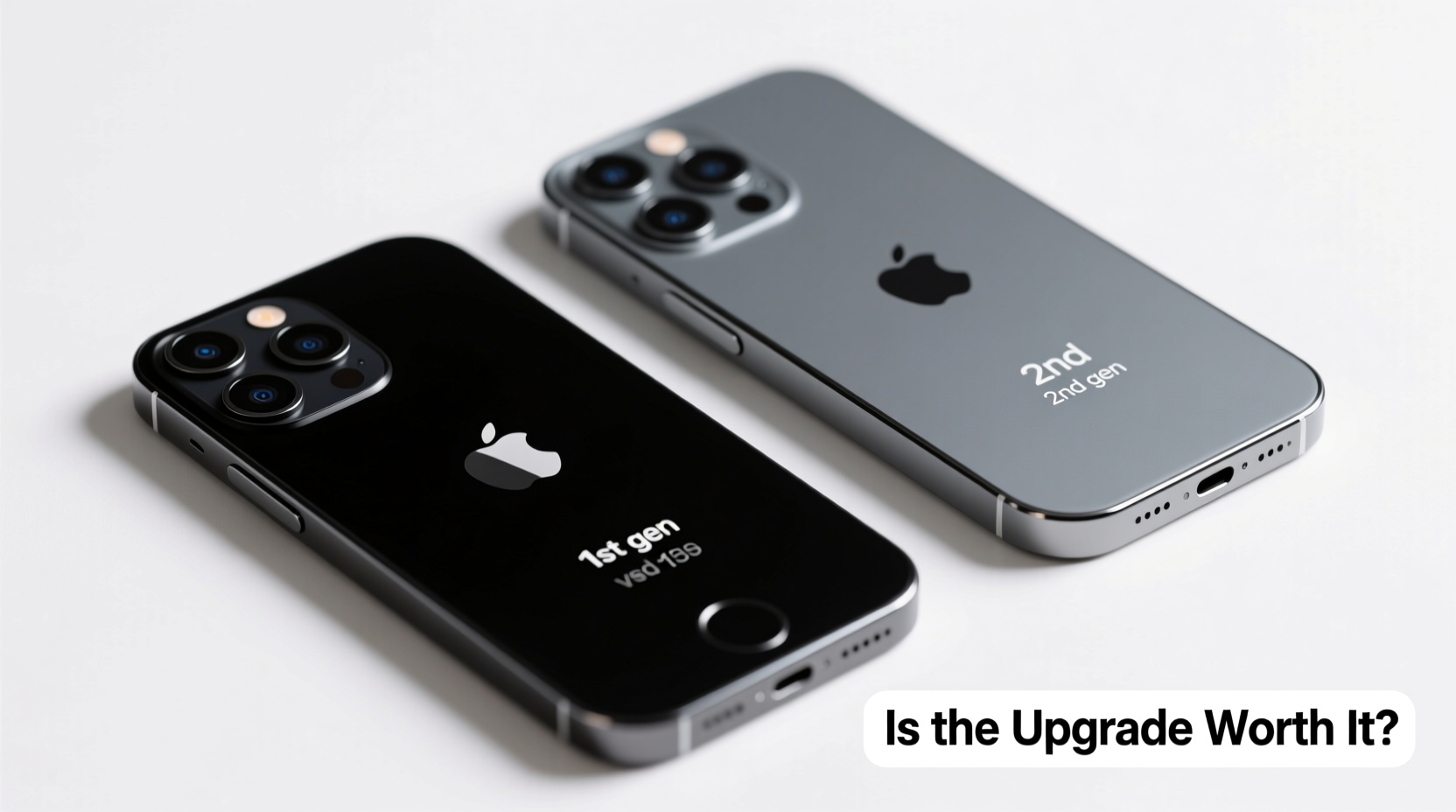
At first glance, both iPhones look nearly identical. They share the same 4.7-inch Retina HD display, Touch ID home button, and overall footprint. Both devices use glass front and back with an aluminum frame, making them feel premium despite their lower price points. However, subtle improvements in build quality and materials separate the two.
The 2nd-gen SE uses a slightly more durable glass (ion-exchanged) and supports IP67 water resistance—meaning it can survive up to 1 meter of water for 30 minutes. The original SE lacks any official water resistance rating, making it far more vulnerable to spills or rain.
Tip: If you frequently use your phone outdoors or near liquids, the 2nd-gen SE’s IP67 rating adds meaningful protection absent in the first generation.Performance: A Generational Leap Under the Hood
This is where the 2nd-gen SE pulls ahead decisively. While the 1st-gen model came with the A9 chip—a powerhouse in 2016—the 2nd-gen SE features the A13 Bionic, the same processor found in the iPhone 11 series at the time of its release.
The difference isn’t just theoretical. In real-world usage, the A13 delivers approximately 2.5x faster CPU performance and up to 4x better graphics processing. Apps launch quicker, multitasking is smoother, and modern iOS versions run without lag. The 1st-gen SE maxed out at iOS 15, while the 2nd-gen continues to receive updates (as of 2024, running iOS 17), ensuring longer software support and security patches.
“Processor longevity is often more important than screen size or camera megapixels. The A13 gives the 2nd-gen SE a five-year lifespan; the A9 struggles beyond three.” — David Lin, Mobile Hardware Analyst at TechPulse
Camera Comparison: More Than Just Megapixels
Both phones feature a 12MP rear camera, but the similarities end there. The 2nd-gen SE benefits from advanced image signal processing thanks to the A13 chip, enabling Smart HDR, better noise reduction, and improved dynamic range. It also supports Portrait mode via software algorithms—even without a secondary lens—something the original SE cannot do.
On the front, both have a 7MP FaceTime camera, but again, the 2nd-gen applies better tonal balance and low-light enhancements through computational photography.
In practical terms, photos taken in daylight appear sharper and more vibrant on the 2nd-gen model, while indoor shots show noticeably less grain and better color accuracy.
Battery Life and Charging: Incremental Gains
Apple never published official battery capacities, but real-world testing shows modest improvements. The 2nd-gen SE offers about 1–1.5 hours more screen-on time under mixed usage. This gain comes not from a larger battery, but from the A13’s superior power efficiency.
More importantly, the 2nd-gen SE supports faster charging with an 18W adapter (sold separately), reaching 50% in around 30 minutes. The original SE charges slowly, topping out at 5W with the included charger—fully charging in over 2.5 hours.
It also supports Qi wireless charging, which the 1st-gen lacks entirely. For users invested in wireless charging pads or car mounts, this is a major convenience upgrade.
Detailed Feature Comparison
| Feature | iPhone SE (1st Gen) | iPhone SE (2nd Gen) |
|---|---|---|
| Release Year | 2016 | 2020 |
| Chipset | A9 | A13 Bionic |
| RAM | 2GB | 3GB |
| Storage Options | 16GB, 32GB, 64GB, 128GB | 64GB, 128GB, 256GB |
| Rear Camera | 12MP (no Portrait Mode) | 12MP (Smart HDR, Portrait Mode) |
| Front Camera | 1.2MP | 7MP (better processing) |
| Water Resistance | None | IP67 (1m for 30 min) |
| Charging | 5W wired only | 18W fast charging, Qi wireless |
| iOS Support | Up to iOS 15 | Up to iOS 17+ (ongoing) |
| Price at Launch | $399 | $399 |
Real-World Example: Maria’s Upgrade Dilemma
Maria bought her first iPhone SE in 2017. By 2021, she noticed apps like Instagram and Google Maps were becoming sluggish. iOS updates took longer to install, and the phone occasionally froze during video calls. She considered buying a newer Android device but decided to test the 2nd-gen SE at an Apple Store.
After using it for 20 minutes, she felt the difference immediately: instant app launches, smooth scrolling, and clearer Zoom calls. She upgraded and has used the same phone daily since—without slowdowns. “I thought I was just getting the same design,” she said. “But it’s like night and day inside.”
Her experience reflects a broader trend: for long-term ownership, the internal components matter far more than external design changes.
Is the Upgrade Worth It?
If you're still using the 1st-gen SE and considering a switch, the answer depends on your needs:
- You’re experiencing slowdowns: Yes, upgrade. The A13 ensures smoother performance and future-proofing.
- You rely on your phone for work or communication: Yes. Better cameras, faster charging, and water resistance improve reliability.
- You only use basic functions (calls, texts, light browsing): Maybe not. The 1st-gen still works—but may struggle with newer apps or OS demands.
- You’re buying used or secondhand: Always choose the 2nd-gen if price is similar. Its longer software support makes it a smarter investment.
Checklist: Should You Upgrade?
- Is your current phone struggling with app crashes or slow performance?
- Do you want to keep your device for more than two years?
- Have you experienced issues due to lack of water resistance?
- Would faster charging improve your daily routine?
- Are you missing features like Portrait Mode or better low-light photos?
If you answered “yes” to two or more, the 2nd-gen SE is a justified upgrade—not just a new sticker.
Frequently Asked Questions
Can the iPhone SE 1st gen run iOS 16 or later?
No. The 1st-gen SE stopped receiving updates after iOS 15. It does not support iOS 16 or any later versions, limiting app compatibility over time.
Does the 2nd-gen SE have a headphone jack?
No, neither model includes a headphone jack. Both require Lightning-connected or Bluetooth headphones.
Is the screen the same on both models?
Virtually identical in size and resolution (1334x750), though the 2nd-gen benefits from slightly better color calibration and brightness due to improved display drivers.
Final Verdict: Beyond the Sticker
The iPhone SE 2nd generation isn’t just a rebranded old design—it’s a strategic evolution. While Apple reused the chassis for cost efficiency, the internal upgrades are substantial: a modern processor, better camera software, faster charging, and extended iOS support.
Paying $399 for either model gets you the same look, but the 2nd-gen delivers a significantly better user experience and longevity. Calling it “just a new sticker” overlooks the critical advancements that affect daily usability and long-term value.
For anyone clinging to the original SE out of sentiment or frugality, consider this: technology evolves not just in form, but in function. And sometimes, the most powerful upgrades happen beneath the surface.
🚀 Ready to make the switch? Evaluate your current device using the checklist above and decide whether true performance matters more than nostalgia. Share your thoughts—have you upgraded? Was it worth it?








