Choosing between the iPhone 14 and the Galaxy S23 isn’t just about brand loyalty—it’s about how each phone fits your daily life. Apple continues to refine its ecosystem with seamless integration and long-term software support, while Samsung pushes boundaries with hardware innovation and Android flexibility. But beyond marketing slogans and fan debates, which device actually delivers a better experience in 2024?
This isn’t a battle of specs on paper. It’s about real-world performance, camera quality in everyday lighting, battery longevity, update policies, and whether switching ecosystems is worth the friction. Let’s cut through the noise and compare these two flagships where it counts.
Design and Build: Premium Feel, Different Philosophies
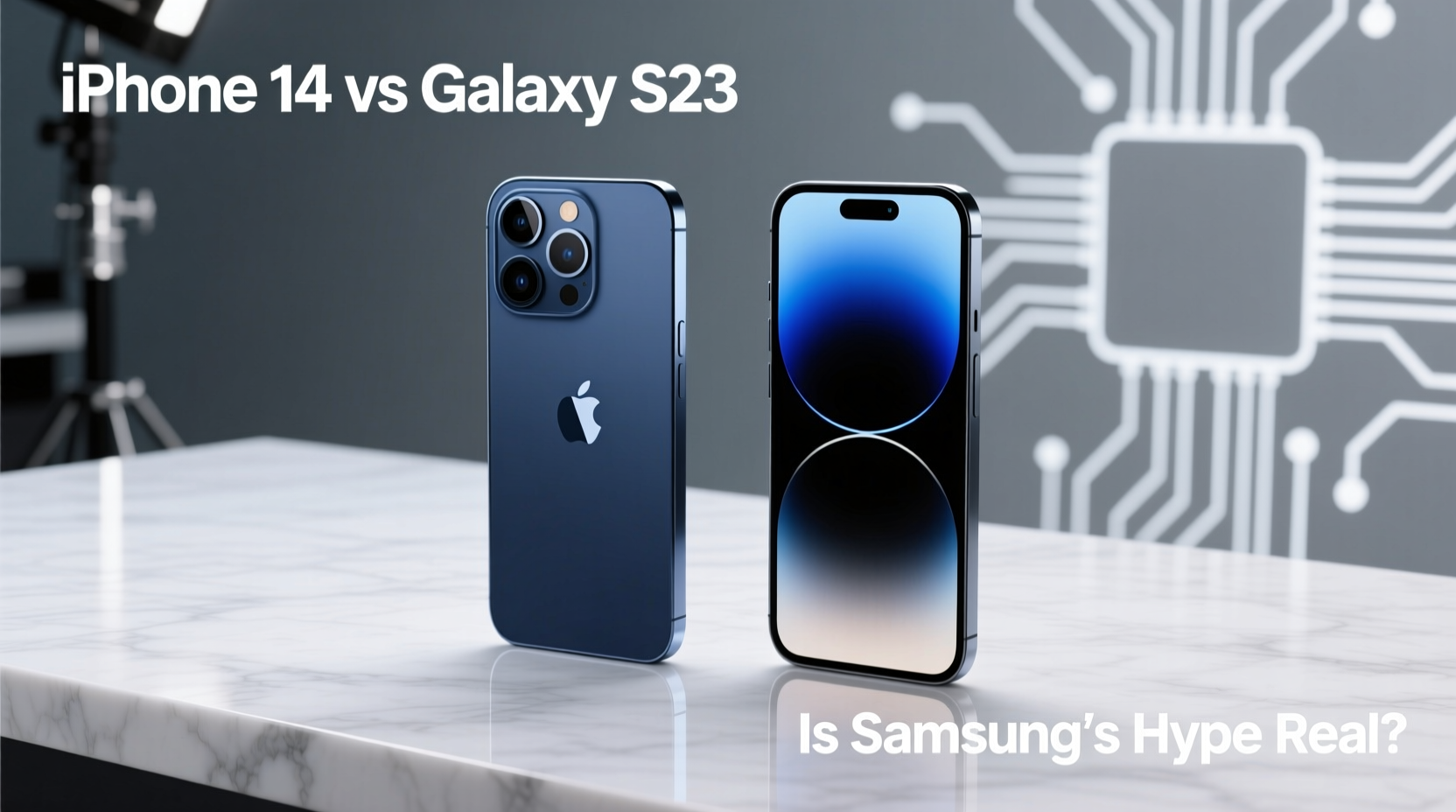
The iPhone 14 sticks to Apple’s familiar aerospace-grade aluminum frame with Ceramic Shield front cover. It’s durable, water-resistant (IP68), and available in five colors. The design hasn’t changed dramatically from previous models, but it remains ergonomic and pocket-friendly at 172 grams.
The Galaxy S23, meanwhile, uses Armor Aluminum and Gorilla Glass Victus 2, also rated IP68. At 168 grams, it’s slightly lighter and features flatter edges for a more modern aesthetic. Samsung’s design language feels bolder, with a symmetrical camera layout and narrower bezels.
Tip: If you prioritize drop resistance, consider that Apple’s Ceramic Shield performs well in front impacts, while Samsung’s back glass is more prone to cracking—use a case regardless.Both phones feel premium, but the S23 offers a fresher visual identity. Apple wins on consistency across devices; Samsung wins on standing out.
Display and Screen Experience
The iPhone 14 uses a 6.1-inch Super Retina XDR OLED display with a 60Hz refresh rate. Colors are accurate, brightness peaks at 1200 nits, and True Tone adapts to ambient light. However, the lack of high refresh rate stands out in 2024, especially when scrolling through social feeds or playing games.
In contrast, the Galaxy S23 boasts a 6.1-inch Dynamic AMOLED 2X panel with a 120Hz adaptive refresh rate. This means smoother animations, faster touch response, and more fluid multitasking. Peak brightness hits 1750 nits, making it significantly more readable in direct sunlight.
“High refresh rate displays have become a baseline expectation for flagship UX. Once you go 120Hz, going back feels like stepping into slow motion.” — David Kim, Mobile UX Analyst at TechPulse Insights
If you value screen fluidity and outdoor visibility, the S23 has a clear edge. But if you’re used to iOS and don’t notice the difference, the iPhone 14’s display is still excellent for media and general use.
Performance and Software Longevity
The iPhone 14 runs on the A15 Bionic chip—still one of the fastest mobile processors available. Apps launch instantly, multitasking is flawless, and even demanding games run without throttling. iOS 17 ensures smooth performance over time thanks to tight hardware-software integration.
The Galaxy S23 is powered by the Qualcomm Snapdragon 8 Gen 2 (custom for Samsung), which delivers top-tier Android performance. It handles heavy workloads efficiently, though sustained gaming can lead to slight thermal throttling compared to Apple’s more consistent cooling.
Where Apple truly dominates is software support. iPhones typically receive 5–6 years of OS updates. The iPhone 14 will likely be supported through 2028 or beyond. Samsung promises 4 major Android upgrades and 5 years of security patches—a solid commitment, but still one year behind Apple.
| Feature | iPhone 14 | Galaxy S23 |
|---|---|---|
| Processor | A15 Bionic | Snapdragon 8 Gen 2 (for Galaxy) |
| RAM | 6GB | 8GB |
| Storage Options | 128GB, 256GB, 512GB | 128GB, 256GB |
| OS Update Promise | ~6 years | 4 OS + 5 security |
| Expandable Storage | No | No |
Camera Comparison: Real-World Results Matter
The iPhone 14 features a dual-camera system: 12MP main and 12MP ultrawide. Photographic Styles allow customization, and Smart HDR 4 produces natural skin tones and balanced exposures. Video recording remains best-in-class—especially Dolby Vision HDR at 4K/30fps.
The Galaxy S23 also has a 50MP main sensor (with pixel binning), a 12MP ultrawide, and a 10MP telephoto with 3x optical zoom. Its AI-powered processing enhances detail in low light, and the zoom capability gives it an advantage for distant subjects.
In daylight, both phones produce stunning results. The S23 tends to oversharpen and oversaturate slightly, appealing to social media users who want punchy images. The iPhone favors realism, preserving true-to-life color grading.
At night, the S23’s larger sensor and advanced Night Mode often capture brighter scenes with less noise. However, Apple’s computational photography preserves more shadow detail and avoids unnatural halos around lights.
Tip: For vloggers and content creators, the iPhone 14’s video stabilization and audio clarity are unmatched. For still photographers who shoot in varied conditions, the S23 offers more versatility.Mini Case Study: Travel Photographer’s Dilemma
Maya, a freelance travel photographer, used an iPhone 13 for years. When she upgraded, she tested both the iPhone 14 and Galaxy S23 during a week-long trip through Morocco. In Marrakech’s bustling markets, the S23’s 3x zoom helped her isolate street performers without getting too close. But when editing footage later, she found the iPhone’s Log video profile easier to grade in post-production. Ultimately, she chose the S23 for photo flexibility but admitted she missed iOS’s simplicity and continuity features like AirDrop and iCloud Photos syncing.
Battery Life and Charging: Practical Endurance
The iPhone 14 lasts about 17–19 hours of mixed usage. It supports 20W wired fast charging (reaching ~50% in 30 minutes) and MagSafe wireless charging. There’s no charger in the box, and speeds remain modest compared to rivals.
The Galaxy S23 offers similar endurance—around 18 hours—but charges faster. With 25W wired charging (adapter sold separately), it reaches full charge in under 60 minutes. It also supports 15W wireless charging and reverse wireless charging for accessories.
Neither phone leads the pack in battery capacity, but both get through a full day for most users. If quick top-ups matter, the S23 has the advantage.
Ecosystem and Daily Use
This is where preferences diverge sharply. If you own a Mac, iPad, or Apple Watch, the iPhone 14 integrates seamlessly. Features like Universal Clipboard, Handoff, AirPlay, and Continuity Camera save time and reduce friction.
Samsung’s ecosystem—paired with a Galaxy Watch, Buds, or tablet—offers strong integration too. Link to Windows lets you mirror your phone on a PC, view notifications, and transfer files. However, it doesn’t match Apple’s depth of cross-device synergy unless you're fully invested in Samsung hardware.
- Use FaceTime? Stick with iPhone.
- Need split-screen multitasking? Android (and the S23) excels here.
- Prefer privacy-focused defaults? Both platforms are strong, but Apple emphasizes on-device processing.
- Want customization? Android allows launchers, widgets, and deeper settings access.
FAQ
Should I switch from iPhone to Galaxy S23?
If you value hardware innovation, high refresh rate screens, better zoom cameras, and Android customization, yes—it’s a compelling upgrade. But expect some friction transferring data, relearning workflows, and losing tight Apple ecosystem perks.
Is the Samsung Galaxy S23 worth the hype?
Yes, but selectively. The hype around performance and display is justified. The camera improvements are real, especially for zoom and night shots. However, the overall leap from previous S-series models is evolutionary, not revolutionary. For Android users, it’s a solid flagship. For iPhone users, it’s a meaningful alternative—not a must-switch.
Which phone will last longer?
In terms of software updates, the iPhone 14 will likely stay current longer. In terms of hardware durability, both require cases and screen protectors. Realistically, both should last 4+ years with proper care.
Conclusion: Make the Choice That Fits Your Life
The Galaxy S23 delivers where Samsung has always shined: cutting-edge hardware, a silky-smooth display, and versatile photography tools. The 120Hz screen alone makes daily interactions feel more responsive. But the hype shouldn’t blind you to trade-offs—shorter software support, steeper learning curve if coming from iOS, and inconsistent app optimization compared to Apple’s tightly controlled environment.
The iPhone 14 may lack headline-grabbing innovations, but it excels in reliability, long-term value, and ecosystem cohesion. It’s not the flashiest phone, but it’s one of the most dependable.
Your decision shouldn’t hinge on brand loyalty or marketing buzz. Ask yourself: Do you prioritize seamless integration and long-term updates? Stay with Apple. Are you hungry for newer tech, better screens, and more control? Try the S23. Both are excellent phones—just optimized for different kinds of users.
💬 Have you switched between iPhone and Android recently? Share your experience below—your insight could help someone make their next big tech move.








