For cat owners, ensuring the safety of their feline companions while allowing them to enjoy fresh air and natural stimulation is a constant balancing act. One of the most effective solutions is using a cat enclosure—either indoors or outdoors. However, when it comes to protection from predators such as coyotes, raccoons, birds of prey, or even stray dogs, not all enclosures offer equal security. Understanding the strengths and weaknesses of indoor versus outdoor enclosures can help pet owners make informed decisions that prioritize their cat’s safety.
Cats are naturally curious and benefit from environmental enrichment, but their instincts don’t always keep them safe. Predators pose real threats, especially in suburban and rural areas. While both indoor and outdoor enclosures aim to provide a controlled environment, their design, location, and level of supervision significantly influence how well they shield cats from danger.
Understanding Cat Enclosure Types
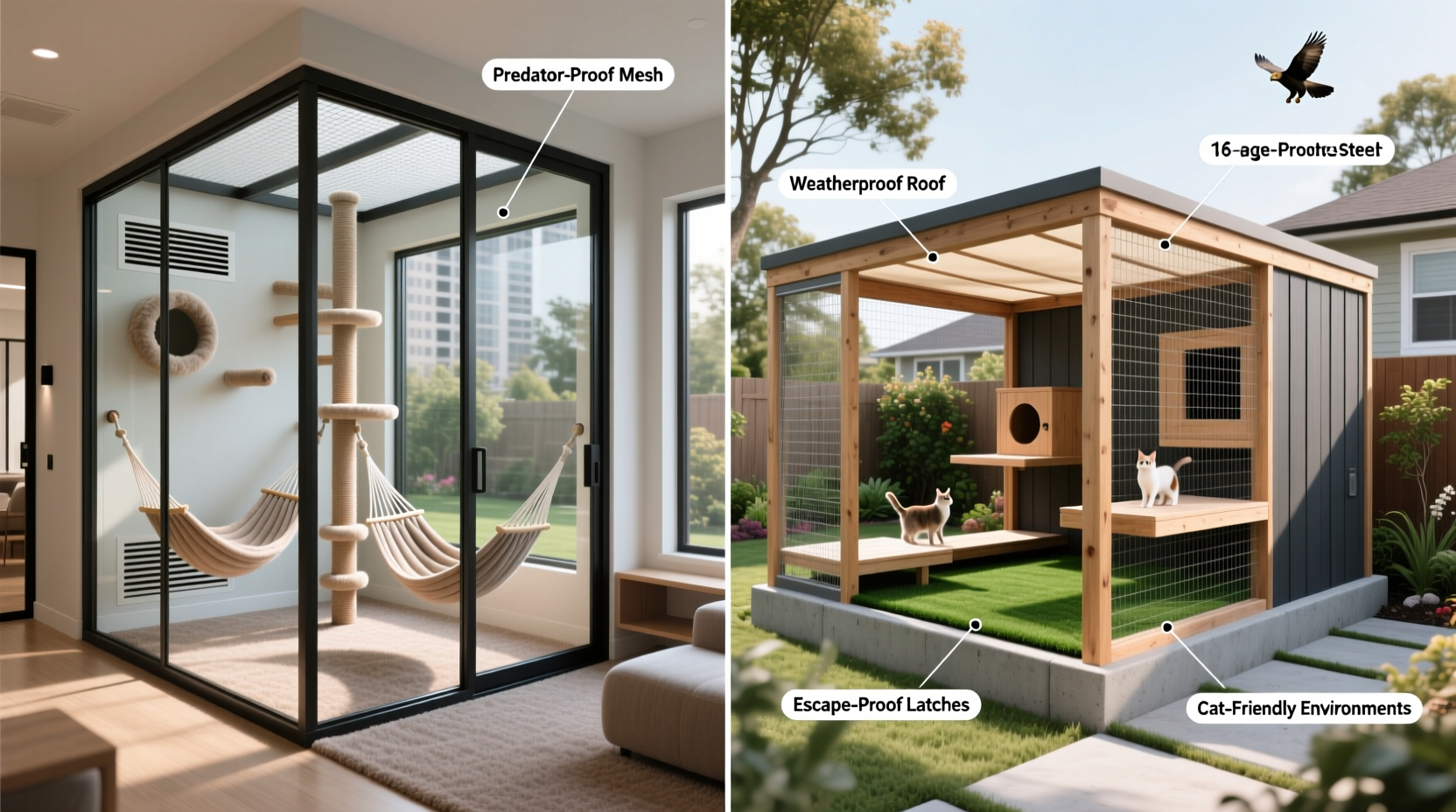
A cat enclosure—often called a \"catio\" when located outside—is a secure space where cats can experience the outdoors without the risks of roaming freely. These enclosures vary widely in size, materials, and placement, but generally fall into two categories: indoor and outdoor.
Indoor enclosures are typically built within a home, often attached to windows, patios, or balconies. They may consist of meshed-in sunrooms, screened porches, or modular cage systems placed near windows. Their primary advantage lies in integration with the home environment, offering temperature control, immediate access, and reduced exposure to external threats.
Outdoor enclosures, on the other hand, are freestanding structures built in backyards or gardens. Made from weather-resistant materials like powder-coated steel, heavy-duty mesh, and treated wood, they allow cats to explore grass, sunlight, and scents under supervision. While they provide more sensory stimulation, their exposure to the elements and wildlife increases potential risk factors.
Tip: Always anchor outdoor enclosures securely to the ground to prevent tipping during storms or animal tampering.Safety Comparison: Indoor vs Outdoor Enclosures
The core question isn't just about comfort or enrichment—it's about survival. Predators are a legitimate concern for outdoor cats, even those in enclosures. The key differences between indoor and outdoor setups become critical when assessing predator resistance.
Indoor enclosures are inherently safer because they are physically separated from the external environment. Walls, windows, and home structure create multiple barriers between the cat and any would-be predator. Even if a raccoon or fox approaches the house, it cannot reach a cat inside a properly sealed indoor enclosure unless there's a structural breach.
Outdoor enclosures, despite being enclosed, are directly accessible to wildlife. A determined predator can scratch, bite, or dig at the enclosure’s base. Smaller predators like weasels or snakes might squeeze through poorly sealed joints. Larger animals such as coyotes have been known to damage flimsy fencing or overturn lightweight structures.
Moreover, aerial predators—including hawks and owls—pose a unique threat to outdoor enclosures lacking solid roofs or overhead netting. An open-top catio may seem safe, but it leaves cats vulnerable to swooping birds, particularly smaller or young cats.
“Even a well-built outdoor enclosure isn’t immune to predator intrusion. I’ve seen cases where raccoons reached through mesh to swipe at cats, causing stress and injury.” — Dr. Lena Torres, DVM, Feline Behavior Specialist
Key Safety Features by Enclosure Type
To assess which option provides superior protection, consider the following features essential for predator defense.
| Feature | Indoor Enclosure | Outdoor Enclosure |
|---|---|---|
| Physical Barrier from Wildlife | High (walls, doors, windows) | Moderate to Low (depends on construction) |
| Roof Protection (aerial predators) | Full (ceiling included) | Variable (requires added netting or solid cover) |
| Floor Security (digging predators) | High (solid flooring) | Low (unless elevated or reinforced) |
| Access Control | High (entry only from inside home) | Moderate (may have external access points) |
| Weather Resistance | Not applicable (climate-controlled) | Depends on materials and sealing |
| Supervision Ease | High (visible from living areas) | Lower (requires active monitoring) |
The data shows that indoor enclosures consistently outperform outdoor ones in nearly every safety category. Their integration into the home eliminates many vulnerabilities inherent in standalone outdoor designs.
Real-World Scenario: A Close Call in the Backyard Catio
Sarah, a cat owner in upstate New York, installed a wooden-frame outdoor enclosure for her two cats, Milo and Luna. The structure had wire mesh on all sides and was anchored to concrete blocks. She believed it was secure. One evening, she noticed unusual noise outside. Rushing to the window, she saw a raccoon clinging to the side of the enclosure, its paws reaching through the mesh toward Luna, who was pressed against the far wall, hissing.
Though the raccoon didn’t break in, the incident left both cats stressed for days. Sarah upgraded to a fully roofed design with smaller mesh and added motion-sensor lighting. Still, she now limits access to daylight hours only and supervises closely. “I thought I was giving them freedom,” she said. “But I underestimated how bold local wildlife could be.”
This case illustrates a common misconception: that an enclosure alone is enough. Without comprehensive predator-proofing, outdoor setups remain high-risk environments.
How to Maximize Safety in Any Enclosure
Whether choosing indoor or outdoor, certain precautions dramatically reduce risk. The goal is not just containment, but proactive deterrence.
- Use predator-resistant mesh: Standard chicken wire is insufficient. Opt for galvanized steel mesh with openings no larger than 1 inch. Welded hardware cloth is ideal for floors and lower walls.
- Secure the foundation: Bury mesh at least 12 inches underground around outdoor enclosures to prevent digging predators from tunneling in.
- Add a solid or covered roof: For outdoor enclosures, install a rigid roof or tightly woven overhead netting to block birds of prey.
- Elevate the structure: Raising outdoor enclosures off the ground reduces contact with ground-based threats and improves drainage.
- Limit visibility from outside: Use opaque panels or plants strategically to prevent predators from spotting cats inside, reducing temptation to attack.
- Monitor regularly: Check for signs of wear, chew marks, or loosened fasteners weekly. Replace damaged sections immediately.
When Outdoor Enclosures Can Be Safe
While indoor enclosures are objectively safer, outdoor versions aren't inherently dangerous—if designed with caution. In urban or densely populated neighborhoods with fewer wildlife encounters, a well-built outdoor catio can be perfectly adequate.
The safest outdoor enclosures share these traits:
- Built with welded wire mesh (not plastic or vinyl-coated wire)
- Fully enclosed with a solid or netted roof
- Attached to the house via a secure cat door
- Located in a visible, frequently used part of the yard
- Used only during daylight hours with human supervision
In contrast, enclosures placed in wooded areas, near trails, or in regions with high coyote populations should be approached with extreme caution. Even then, indoor alternatives are strongly recommended.
Step-by-Step: Building a Predator-Safe Indoor Enclosure
If you're considering an indoor setup, follow this sequence to ensure maximum protection:
- Choose the location: Pick a sunlit room, bay window, or enclosed porch with easy access for your cat.
- Measure and plan: Determine the footprint. Allow at least 6 square feet per cat for movement.
- Select materials: Use shatter-resistant acrylic or tempered glass for viewing panels. Frame with durable wood or metal.
- Install secure mesh or panels: If using mesh (e.g., for ventilation), ensure it's fastened with screws, not staples, and uses small-gauge wire.
- Add enrichment safely: Include shelves, scratching posts, and hiding spots made from non-toxic materials.
- Connect via cat door: Install a locking cat flap in a nearby wall for controlled access.
- Test and monitor: Observe your cat’s behavior and check for weak points over time.
This approach ensures your indoor enclosure is both enriching and impervious to external threats.
Frequently Asked Questions
Can my cat get attacked in an outdoor enclosure?
Yes, especially if the enclosure lacks a roof, uses weak materials, or is located in an area with active wildlife. Predators like raccoons, coyotes, and hawks have been known to injure cats through mesh or by overturning flimsy structures.
Are indoor enclosures boring for cats?
Not if designed thoughtfully. Indoor enclosures can include perches, interactive toys, window views, and even indoor plants like catnip or wheatgrass. Many cats prefer the security of being inside while still enjoying outdoor sights and sounds.
Do I need planning permission for an outdoor cat enclosure?
It depends on your local regulations. In some municipalities, permanent outdoor structures require permits, especially if attached to the house. Always check zoning laws before building. Temporary or freestanding units may be exempt.
Final Recommendation: Prioritize Indoor Enclosures for Maximum Safety
While both indoor and outdoor cat enclosures offer benefits, the evidence clearly favors indoor setups when predator protection is the priority. Indoor enclosures eliminate direct exposure to wildlife, provide climate control, and allow constant supervision—all critical factors in keeping cats safe.
Outdoor enclosures can work in low-risk environments but demand rigorous construction standards, ongoing maintenance, and strict usage rules. For most cat owners, especially those in areas with known predator activity, the peace of mind offered by an indoor enclosure is unmatched.
Ultimately, a cat’s desire to explore nature doesn’t have to come at the cost of safety. With thoughtful design, either type of enclosure can enhance quality of life—but when lives are on the line, the secure, controlled environment of an indoor enclosure is the superior choice.
💬 Have experience with indoor or outdoor cat enclosures? Share your story or safety tips in the comments to help fellow cat lovers make safer choices!








