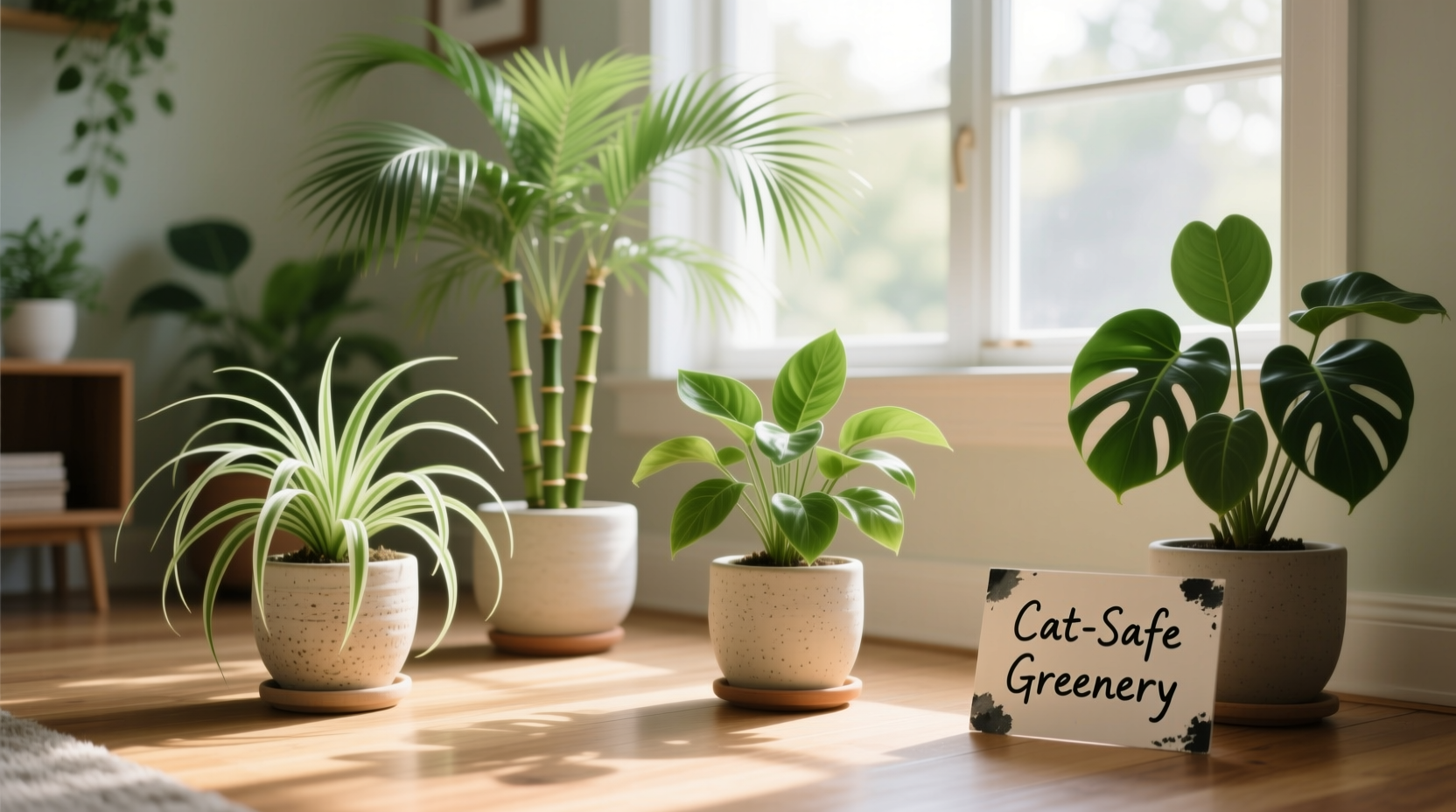
Bringing nature indoors enhances air quality, reduces stress, and adds life to your living spaces. For cat owners, however, the joy of houseplants comes with a concern: many common indoor greens are toxic to felines. Cats are naturally curious and often nibble on leaves, which can lead to vomiting, diarrhea, or even organ failure if the plant is poisonous. The good news is that numerous beautiful, low-maintenance indoor plants are completely safe for cats. Choosing non-toxic varieties allows you to enjoy lush greenery without compromising your pet’s safety.
This guide explores scientifically vetted, cat-safe indoor plants, explains why toxicity matters, and provides practical tips for integrating these plants into your home. Whether you're a seasoned plant parent or just starting out, this resource ensures your feline companions can coexist peacefully with your indoor garden.
Why Plant Toxicity Matters for Cat Owners
Cats explore their environment through scent, touch, and taste. Their instinct to chew on plants isn’t misbehavior—it’s natural curiosity. Unfortunately, many popular houseplants contain compounds that can be harmful or fatal to cats. Lilies, for example, are extremely toxic; even small ingestions can cause acute kidney failure. Other plants like pothos and dieffenbachia contain calcium oxalate crystals that irritate the mouth and digestive tract.
The American Society for the Prevention of Cruelty to Animals (ASPCA) maintains an extensive database of toxic and non-toxic plants for pets. According to veterinary toxicologists, accidental ingestion is one of the top causes of pet poisoning reported to animal poison control centers annually. By selecting only non-toxic species, cat owners eliminate a significant household risk.
“Even mild plant toxicity can result in dehydration, lethargy, and costly emergency vet visits. Proactive plant selection is a form of preventive care.” — Dr. Lena Patel, DVM, Veterinary Toxicology Specialist
Top 10 Indoor Plants Safe for Cats
The following plants have been verified as non-toxic to cats by the ASPCA and are well-suited for indoor environments. They vary in light requirements, growth habits, and care needs, making it easy to find options that match your lifestyle and home conditions.
- Spider Plant (Chlorophytum comosum) – Known for its arching green-and-white striped leaves and dangling plantlets, the spider plant is resilient, thrives in indirect light, and is completely safe for cats. Many cats are attracted to its movement, but ingestion causes no harm.
- Boston Fern (Nephrolepis exaltata) – This lush, feathery fern prefers humid environments and filtered light. It’s non-toxic and excellent for hanging baskets, keeping it slightly out of paw’s reach while still purifying the air.
- Areca Palm (Dypsis lutescens) – With its tropical, feather-like fronds, the areca palm adds height and elegance. It’s non-toxic and thrives in bright, indirect sunlight. Keep soil consistently moist but not soggy.
- Parlor Palm (Chamaedorea elegans) – A compact, slow-growing palm ideal for small spaces. It tolerates lower light and is completely safe for cats. Its delicate appearance belies its durability.
- Peperomia (various species) – Available in dozens of leaf shapes and textures, peperomias are small, drought-tolerant, and non-toxic. They prefer medium to bright indirect light and infrequent watering.
- Calathea (various species) – Known for their strikingly patterned leaves and “prayer plant” movement (leaves rise at night), calatheas are non-toxic and thrive in warm, humid conditions with indirect light.
- Phalaenopsis Orchid (Moth Orchid) – One of the few flowering plants safe for cats. These orchids bloom for months with proper care and prefer bright, indirect light and consistent moisture in their potting medium.
- Cast Iron Plant (Aspidistra elatior) – True to its name, this plant survives low light, irregular watering, and neglect. It’s non-toxic and features broad, dark green leaves that add a bold statement.
- Maranta (Prayer Plant) – Closely related to calathea, marantas have colorful foliage and are equally safe. They require higher humidity and regular misting but pose no danger to curious cats.
- Polka Dot Plant (Hypoestes phyllostachya) – With its pink, red, or white-speckled leaves, this plant adds playful color. It’s non-toxic and grows well in bright, indirect light with moist soil.
Choosing and Placing Cat-Safe Plants: A Practical Guide
Selecting non-toxic plants is only the first step. How and where you place them affects both plant health and cat safety. Follow this step-by-step approach to integrate greenery safely into your home.
Step 1: Assess Your Light Conditions
Determine the natural light in each room. North-facing windows offer low light; south-facing ones provide bright, direct sun. Match plants to your space—ferns and calatheas prefer north or east exposure, while spider plants and peperomias do well in moderate light.
Step 2: Consider Placement Height and Accessibility
Use hanging planters, wall-mounted shelves, or tall plant stands to keep foliage out of easy reach. Cats are agile, so ensure pots are stable and won’t topple if batted. Elevated placement also enhances visual impact.
Step 3: Use Barriers or Deterrents If Needed
If your cat persistently investigates plants, place citrus peels, double-sided tape on nearby surfaces, or use pet-safe deterrent sprays. Avoid physical punishment—redirect behavior with toys or cat grass instead.
Step 4: Introduce Plants Gradually
Add one plant at a time to observe your cat’s reaction. Some cats lose interest quickly; others may need redirection. Positive reinforcement when they ignore the plant helps establish boundaries.
Step 5: Maintain Healthy Plants
Healthy plants are less likely to attract pests and more resilient to minor damage. Water according to species needs, dust leaves regularly, and repot when root-bound. Well-cared-for plants also improve indoor air quality more effectively.
“Creating a cat-friendly home doesn’t mean sacrificing beauty. With thoughtful planning, you can have both a vibrant indoor garden and a safe environment for your pet.” — Sarah Kim, Urban Horticulturist and Pet Owner
Do’s and Don’ts: Cat-Safe Plant Care Checklist
To help you stay on track, here’s a concise checklist summarizing best practices for maintaining indoor plants in homes with cats.
| Do’s | Don’ts |
|---|---|
| ✔ Choose plants verified as non-toxic by ASPCA | ✘ Assume “natural” means safe—many natural plants are toxic |
| ✔ Place plants on high shelves or in hanging containers | ✘ Use chemical pesticides or fertilizers accessible to cats |
| ✔ Provide cat grass or catnip to redirect chewing behavior | ✘ Ignore signs of plant damage or frequent chewing |
| ✔ Check labels or consult databases before purchasing new plants | ✘ Rely solely on anecdotal advice—verify with trusted sources |
| ✔ Monitor your cat after introducing a new plant | ✘ Leave toxic cut flowers (like lilies) in vases within reach |
Real-Life Example: A Multi-Pet Household Success Story
In Portland, Oregon, interior designer Mia Thompson shares her home with two rescue cats and a collection of over 20 houseplants. Initially hesitant to bring greenery indoors, she once lost a beloved fern when her younger cat chewed through the stem and became ill—though the plant was later confirmed non-toxic, the experience prompted her to research thoroughly.
Mia now uses a strategic layout: tall areca palms flank her living room windows, spider plants hang above cat perches, and peperomias occupy high floating shelves. She also grows wheatgrass in a sunny kitchen corner, giving her cats a safe alternative. “My cats still bat at leaves sometimes,” she says, “but now I know everything in my home is harmless. My peace of mind has transformed how I decorate.”
Her approach demonstrates that with planning, even homes with active, playful cats can flourish with indoor greenery.
Frequently Asked Questions
Can I trust online plant sellers’ claims about pet safety?
Not always. While many reputable nurseries label pet-safe plants, some third-party sellers may mislabel or rely on incomplete data. Always cross-check with the ASPCA’s online database or consult a veterinarian before introducing a new plant.
What should I do if my cat eats a plant I’m unsure about?
Remain calm. Note the plant’s name and part ingested (leaf, stem, flower). Contact your vet or the ASPCA Animal Poison Control Center immediately. Have the plant’s scientific name ready if possible. Do not induce vomiting unless instructed.
Are there any non-toxic plants that also purify the air?
Yes. Several cat-safe plants contribute to improved indoor air quality. Spider plants remove formaldehyde and xylene. Areca palms act as natural humidifiers and filter benzene and toluene. Boston ferns are among the best at removing airborne pollutants, especially in bathrooms or kitchens.
Tip: Rotate plants seasonally to prevent overexposure and give each specimen optimal growing conditions throughout the year.Final Thoughts: Building a Harmonious, Green Home
Living with cats and houseplants isn’t a compromise—it’s an opportunity to create a balanced, nurturing environment for all inhabitants. By choosing non-toxic species, positioning them thoughtfully, and understanding your cat’s behavior, you can cultivate a home that’s both vibrant and safe.
The plants listed here are just the beginning. As breeders and horticulturists continue developing new varieties, the range of pet-safe options will expand. Stay informed, involve your veterinarian in decisions when in doubt, and remember that every leaf contributes to a healthier, happier household.
💬 Have a favorite cat-safe plant or a tip that worked in your home? Share your experience in the comments below—your insight could help another pet owner grow with confidence!








