Choosing the right dog food isn’t just about brand names—it’s about matching nutrition to your dog’s age, breed, activity level, and health needs. Two major players in the pet food market, Iams and Purina Pro Plan, often come up in conversations among pet owners evaluating a dietary upgrade. While both are widely available and backed by decades of research, they occupy different tiers in terms of formulation, ingredient quality, and price. So, is switching from Iams to Purina Pro Plan truly worth it for your dog? The answer depends on several factors, including your pet’s individual requirements and how each brand aligns with them.
Nutritional Philosophy and Brand Positioning
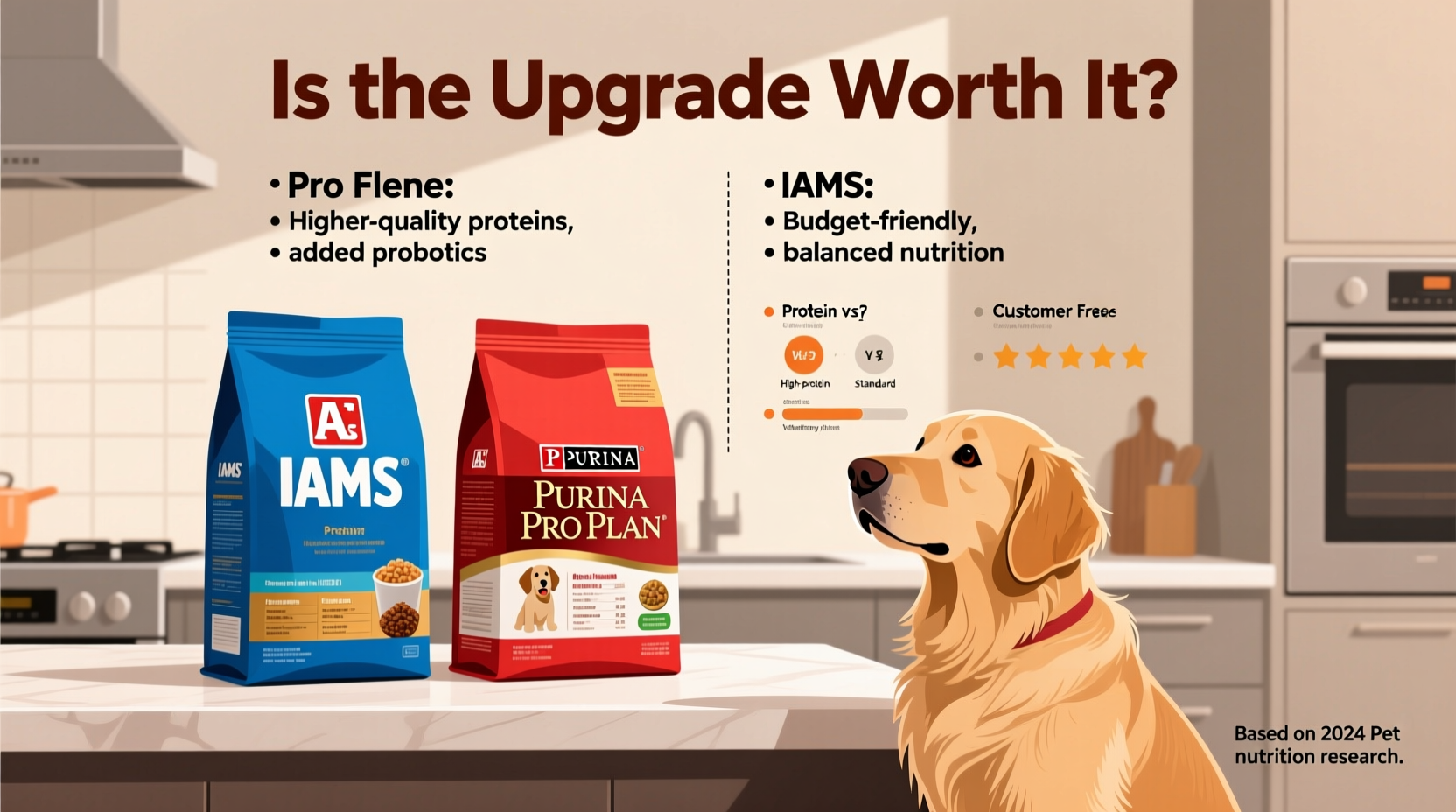
Iams has long been positioned as an affordable, science-based option for everyday feeding. It emphasizes balanced nutrition using real chicken or lamb as primary proteins and includes essential vitamins and minerals. The brand uses a mix of animal proteins, grains, and plant-based fillers to keep costs accessible for average pet owners.
Purina Pro Plan, on the other hand, operates as Nestlé Purina’s premium line. It targets dogs with higher nutritional demands—whether due to age, size, allergies, or medical conditions. Pro Plan formulates specialized diets: high-protein options for active breeds, grain-free variants for sensitive dogs, and even veterinary-recommended formulas for skin, joint, or digestive support.
“Not all commercial dog foods are created equal. A product like Purina Pro Plan offers more targeted nutrition than basic maintenance diets.” — Dr. Laura Bennett, DVM, Veterinary Nutritionist
The core difference lies in precision. While Iams provides general wellness nutrition, Pro Plan aims for condition-specific optimization. This doesn’t automatically make it “better,” but it does offer more customization.
Ingredient Quality and Protein Sources
One of the most critical distinctions between Iams and Purina Pro Plan is ingredient transparency and protein sourcing.
| Aspect | Iams | Purina Pro Plan |
|---|---|---|
| Primary Protein Source | Chicken, lamb, or beef (often listed first) | Deboned chicken, salmon, or turkey (clearly specified) |
| By-Products | Includes animal by-product meals | Limited; avoids poultry by-products in most formulas |
| Fillers | Uses corn, soy, wheat in some lines | Grain-inclusive and grain-free options; fewer common allergens |
| Artificial Additives | Sometimes contains artificial colors/flavors | No artificial colors, flavors, or preservatives |
| Fatty Acids & Probiotics | Basic inclusion of omega fatty acids | Enhanced DHA, EPA, probiotics in most adult and puppy formulas |
Purina Pro Plan generally uses higher-quality protein sources and avoids controversial ingredients like corn gluten meal or meat by-products in its core lines. Its focus on functional ingredients—such as live probiotics for gut health and fish oil for coat shine—adds measurable value for dogs with sensitivities or performance needs.
Tip: If your dog suffers from frequent gas, dull coat, or loose stools, upgrading to a formula with probiotics and digestible proteins may yield noticeable improvements within 4–6 weeks.Life Stage and Breed-Specific Formulations
Both brands offer products tailored to puppies, adults, and seniors. However, Purina Pro Plan goes further with breed-size-specific formulas—small breed, large breed, toy, and giant breed—each calibrated for metabolic rate, joint stress, and kibble size.
- Purina Pro Plan Small Breed Adult features smaller kibble and higher calorie density to match fast metabolisms.
- Pro Plan Large Breed Formula includes glucosamine and chondroitin to support hip and joint health—a crucial consideration for German Shepherds, Labradors, and similar breeds.
- Iams’ offerings are less granular. While they have puppy and senior blends, they don’t differentiate significantly between small and large breed adults beyond kibble size.
This level of specificity can be vital during developmental stages or when managing chronic conditions. For example, a Great Dane puppy fed a generic adult formula may not receive adequate joint support, increasing the risk of dysplasia later in life.
Real Example: Max the Beagle Mix
Max, a 3-year-old rescue beagle weighing 28 pounds, had persistent ear infections and intermittent diarrhea. His owner switched him from Iams ProActive Health Adult Chicken & Rice to Purina Pro Plan Sensitive Skin & Stomach (Salmon & Rice). Within five weeks, his coat became shinier, his energy improved, and vet visits for ear issues dropped significantly. The change wasn't just about protein source—it was the combination of highly digestible carbs, prebiotic fiber, and omega-3s that made the difference.
This case illustrates how a targeted upgrade can resolve ongoing issues that basic nutrition fails to address—even when the original food isn’t “bad.”
Cost-Benefit Analysis: Is the Price Jump Justified?
Purina Pro Plan typically costs 30–50% more than Iams. For a 30-pound bag:
- Iams ProActive Health Adult: ~$45
- Purina Pro Plan Sensitive Skin & Stomach: ~$65
At first glance, that’s a steep increase. But consider long-term savings:
- Veterinary bills: Dogs on poorly digestible diets may require more frequent treatment for skin allergies, gastrointestinal distress, or urinary issues.
- Food efficiency: Higher nutrient density means you feed less per day. Pro Plan’s caloric concentration often results in smaller serving sizes.
- Waste reduction: Better digestion leads to smaller, firmer stools—less cleanup and reduced environmental impact.
In many cases, the marginal cost difference is offset by improved health outcomes and lower ancillary expenses.
Step-by-Step Guide to Transitioning Your Dog Safely
If you decide to switch from Iams to Purina Pro Plan, do so gradually to avoid digestive upset. Follow this 7-day timeline:
- Day 1–2: Mix 75% Iams with 25% Pro Plan.
- Day 3–4: Use a 50/50 blend of both foods.
- Day 5–6: Shift to 75% Pro Plan, 25% Iams.
- Day 7: Feed 100% Purina Pro Plan.
Monitor your dog closely during the transition. Signs of intolerance include vomiting, excessive gas, or changes in stool consistency. If symptoms persist beyond 48 hours after full transition, consult your veterinarian and consider alternative formulas.
Tip: Store both foods in airtight containers away from heat and moisture to preserve freshness during the switch.Checklist: When an Upgrade Makes Sense
Consider switching to Purina Pro Plan if your dog:
- Has recurring skin irritations or a dull, flaky coat
- Suffers from soft stools or frequent gas
- Is highly active or works (e.g., hunting, agility, service duties)
- Is a large or giant breed needing joint support
- Is a senior dog showing signs of cognitive or mobility decline
- Requires a limited-ingredient or hypoallergenic diet
If your dog thrives on Iams—with consistent energy, healthy weight, and no digestive issues—an upgrade may not be necessary. Stability is a sign of success.
Frequently Asked Questions
Can I mix Iams and Purina Pro Plan during the transition?
Yes, mixing the two is recommended to ease your dog’s digestive system into the new food. Follow the 7-day gradual schedule to minimize discomfort.
Does Purina Pro Plan use real meat?
Most Pro Plan formulas list deboned chicken, salmon, or turkey as the first ingredient. Unlike some budget brands, it avoids generic “meat meal” without specifying the source.
Is Iams bad for dogs?
No, Iams is not inherently bad. It meets AAFCO standards for complete and balanced nutrition. However, it may not meet the needs of dogs with sensitivities, high energy demands, or medical conditions requiring advanced nutritional support.
Final Thoughts: Making the Right Choice for Your Dog
The decision to upgrade from Iams to Purina Pro Plan isn’t about chasing a premium label—it’s about aligning your dog’s diet with their actual needs. For healthy, average-energy dogs with no sensitivities, Iams remains a solid, budget-friendly choice. But if your pet struggles with digestion, skin issues, joint pain, or low vitality, the enhanced formulations in Purina Pro Plan could deliver meaningful improvements.
Nutrition is preventive medicine. Investing in higher-quality food today might reduce vet visits tomorrow. Before making any change, discuss your dog’s health history with your veterinarian, especially if they have existing conditions.
💬 Have you upgraded your dog’s food recently? Share your experience—what changed, and was it worth it? Your story could help another pet owner make a confident decision.








