If you've noticed an unsettling silence around your hummingbird feeder—no zipping wings, no iridescent flashes, no tiny beaks probing for nectar—you're not alone. Many backyard bird enthusiasts experience sudden drops in hummingbird visits, especially during peak seasons when activity should be high. While it's natural to worry that something is wrong, the truth is that hummingbird behavior is influenced by a complex mix of environmental cues, seasonal rhythms, and human habits. Understanding these factors can help you determine whether your feeder setup needs adjustment or if nature is simply following its course.
Seasonal Patterns and Migration Cycles
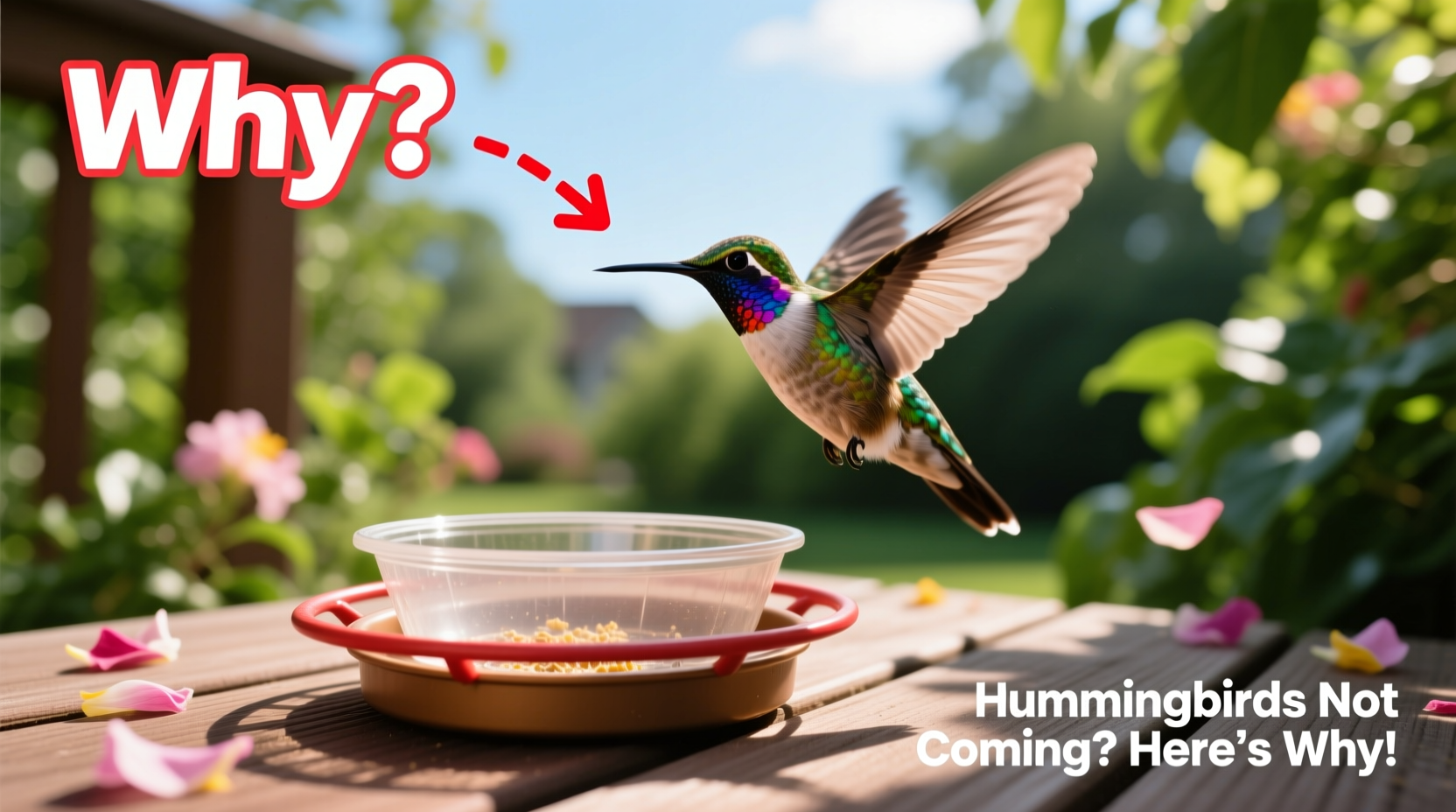
One of the most overlooked reasons for a lack of hummingbird activity is timing. Hummingbirds are highly migratory, and their presence varies significantly throughout the year depending on species and location. For example, Ruby-throated Hummingbirds begin arriving in the eastern U.S. as early as March but start departing for Central America by late August or September. If your feeders were bustling in June but silent in July or August, migration may already be underway.
During late summer, adult males often leave first, followed by females and juveniles. This staggered departure can create the illusion that hummingbirds have vanished entirely. In some regions, a second wave of migrants may pass through in early fall, making late-season feeding still worthwhile.
Tip: Research your local hummingbird species’ migration schedule. In many areas, peak migration occurs from mid-August to early October.Feeder Placement and Surrounding Environment
Even with fresh nectar, poor feeder placement can deter hummingbirds. These birds are cautious and rely on nearby perches to scout for threats before approaching a food source. If your feeder hangs in an open, exposed area with no trees or shrubs nearby, hummingbirds may avoid it altogether.
Additionally, excessive foot traffic, pets, wind chimes, or reflective surfaces near the feeder can create disturbances that make the area feel unsafe. Hummingbirds prefer quiet zones with partial shade—not only to reduce nectar spoilage but also to provide a comfortable microclimate.
“Hummingbirds need visual cover and resting spots. A feeder without nearby perches is like a gas station in the middle of a desert—with no place to rest.” — Dr. Laura Bies, Avian Ecologist, Cornell Lab of Ornithology
Optimal Feeder Placement Checklist
- Position within 10–15 feet of trees or shrubs for quick cover
- Avoid direct afternoon sun to slow fermentation
- Hang at eye level or slightly higher for visibility
- Keep away from windows to prevent collisions
- Limit exposure to strong winds and heavy rain
Nectar Quality and Maintenance Habits
No matter how perfectly placed your feeder is, spoiled or improperly mixed nectar will drive hummingbirds away. The ideal homemade nectar is simple: one part white granulated sugar to four parts water. Boil briefly to dissolve the sugar and kill microbes, then cool before filling. Avoid adding red dye, honey, or artificial sweeteners—these can be harmful.
In hot weather, nectar can ferment within two days. Cloudy liquid, mold growth, or a sour smell means it’s time to clean and refill. Even if the nectar looks fine, frequent cleaning is essential. Algae and bacteria buildup inside ports and reservoirs can deter birds and cause illness.
| Nectar Condition | Signs to Watch For | Action Required |
|---|---|---|
| Fresh (0–2 days) | Clear, odorless | Monitor daily |
| Fermenting (2–3 days) | Slight cloudiness, bubbles | Replace immediately |
| Contaminated | Mold, dark streaks, sour smell | Clean feeder thoroughly, replace nectar |
Competition and Natural Food Sources
Hummingbirds don’t rely solely on feeders. When native flowering plants such as bee balm, salvia, trumpet vine, and cardinal flower are in bloom, they often prefer natural nectar over artificial sources. A sudden drop in feeder visits during midsummer may simply mean your garden—or a neighbor’s—is offering abundant, preferred alternatives.
Additionally, dominant hummingbirds can monopolize feeders, chasing others away. You might see only one bird using your feeder regularly while others avoid it. This territorial behavior peaks during breeding season and migration when resources are contested.
To counter this, consider installing multiple feeders spaced at least 10–15 feet apart, ideally out of sight from each other. This reduces aggression and allows subordinate birds to feed safely.
Real Example: The Suburban Garden Shift
In central Texas, homeowner Maria noticed her once-busy feeder went unused in July. After ruling out spoilage and placement issues, she observed hummingbirds frequently visiting her newly bloomed Mexican oregano and Turk’s cap plants. Once she added a second feeder on the opposite side of the yard and began rotating nectar every 48 hours, visits increased again—especially from younger, less aggressive birds.
Step-by-Step Guide to Reviving Feeder Activity
If hummingbirds have disappeared from your yard, follow this timeline-based approach to diagnose and correct the issue:
- Day 1: Inspect and Clean – Remove the feeder and scrub all parts with warm vinegar solution. Replace with fresh, properly mixed nectar.
- Day 2: Evaluate Location – Ensure the feeder is near shrubs or trees, shaded from intense sun, and free from disturbances.
- Day 3: Add Visual Attractants – Tie a red ribbon or use a red saucer-style feeder. Red attracts hummingbirds but avoid dye in nectar.
- Day 4–7: Monitor and Record – Keep a log of temperature, nectar freshness, and any bird sightings. Note blooming plants nearby.
- Day 8: Expand Options – Install a second feeder or plant native nectar-rich flowers to supplement feeding.
- Day 10+: Reassess – If no hummingbirds appear after 10 days of optimal care, consider regional migration patterns or local habitat changes.
FAQ
Why did hummingbirds stop coming after visiting daily?
Sudden disappearance is often due to seasonal migration, spoiled nectar, or increased natural food availability. Check your nectar freshness and research local migration dates before assuming a problem.
Should I keep my feeder up in late summer?
Yes. Keeping feeders available supports migrating birds, especially juveniles building energy reserves. Continue maintaining clean nectar until at least two weeks after your last sighting.
Can too many feeders scare hummingbirds away?
No—but poorly spaced feeders can increase aggression. Space multiple feeders apart so dominant birds can’t guard them all. More feeders often lead to greater diversity and longer visits.
Conclusion
Hummingbirds not coming to your feeder isn't always a sign of failure—it's often a signal to pay closer attention to the rhythms of nature and the details of your setup. From seasonal shifts to subtle maintenance oversights, the reasons behind their absence are both varied and fixable. By optimizing nectar quality, improving placement, supporting natural habitats, and understanding migration timelines, you create a sanctuary that hummingbirds will return to year after year.
💬 Have you recently revived hummingbird activity in your yard? Share your story or tips below—your experience could help others welcome these dazzling visitors back.








