Traveling with a cat by car doesn’t have to be a chaotic or anxiety-inducing experience—for you or your feline companion. With thoughtful preparation, the right equipment, and an understanding of your cat’s behavior, car trips can become manageable, even routine. Whether you're heading to the vet, visiting family, or embarking on a road trip, ensuring your cat travels safely and comfortably is essential. Unlike dogs, cats are highly sensitive to changes in environment and routine, which makes planning critical. This guide breaks down practical, veterinarian-approved methods to reduce stress, maintain safety, and keep both you and your cat calm during car travel.
Understanding Your Cat’s Stress Triggers
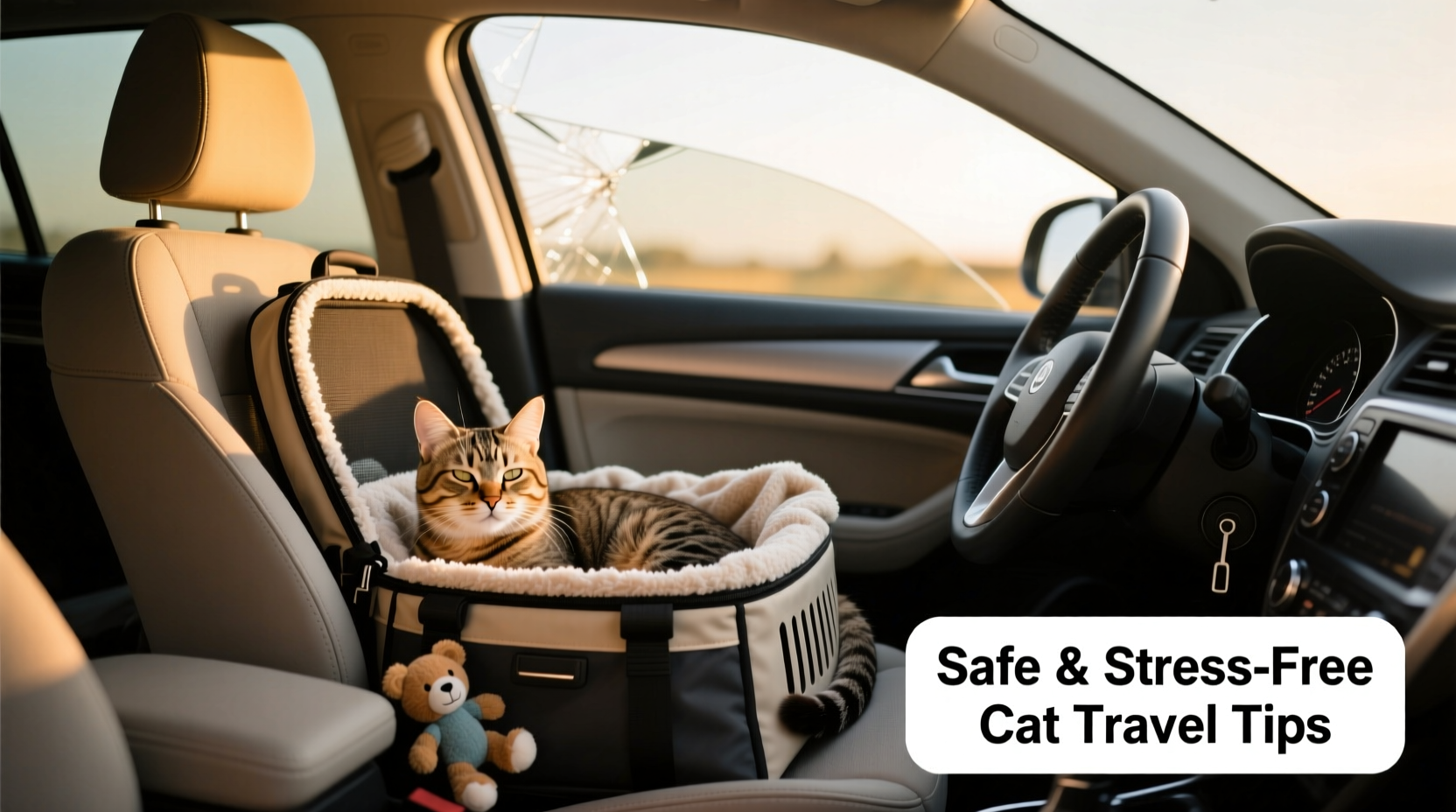
Cats are creatures of habit. Their sense of security comes from familiarity—familiar smells, sounds, routines, and spaces. A car introduces unfamiliar motion, noise, vibrations, and confinement, all of which can trigger fear responses. Common signs of travel stress in cats include excessive meowing, panting, hiding, drooling, urination, or aggression.
The key to minimizing stress isn’t just about the journey itself—it starts days before departure. Introducing your cat gradually to the carrier and car environment helps desensitize them. Rushing this process often leads to panic, making future trips more difficult.
Tip: Never force your cat into a carrier. Instead, leave it open in a quiet area of your home with soft bedding and treats inside to encourage voluntary exploration.Essential Equipment for Safe Cat Travel
Using the right gear is non-negotiable when traveling with a cat. Safety begins with secure containment, and comfort depends on thoughtful accessories.
- Hard-sided or airline-approved carriers: These provide better protection in case of sudden stops or accidents. Soft carriers offer less structural support and are not recommended for long trips.
- Seatbelt straps or harness attachments: Secure the carrier to a seat using a seatbelt or base anchor to prevent sliding or tipping.
- Absorbent liners or pads: Place disposable or washable pads inside the carrier to manage accidents.
- Familiar-smelling items: Include a piece of your clothing or a blanket that carries your scent to help your cat feel grounded.
- Water-resistant cover: Protect your car seats from potential messes with a waterproof pet cover or towel under the carrier.
“Cats should never roam freely in a moving vehicle. Even short trips require secure containment. A loose cat becomes a major distraction and safety hazard.” — Dr. Linda Wilson, Feline Behavior Specialist
Step-by-Step Guide to Preparing for Car Travel
Success lies in preparation. Follow this timeline to ensure your cat is ready well before the trip.
- 7–14 Days Before Travel: Begin acclimating your cat to the carrier. Leave it open with treats, toys, and cozy bedding inside. Feed meals near or inside the carrier to create positive associations.
- 3–5 Days Before: Practice short “mock trips.” Place your cat in the secured carrier and start the car, letting it idle in the driveway for 5–10 minutes. Gradually increase duration and distance over several sessions.
- 24 Hours Before: Avoid feeding a large meal the night before. Offer a light meal 3–4 hours before departure to minimize nausea. Trim claws slightly to prevent injury if panicked.
- Day of Travel: Use calming aids if needed (e.g., pheromone sprays like Feliway), but only if previously tested. Double-check carrier security, ventilation, and comfort items.
- During the Trip: Keep the car climate-controlled—avoid extreme heat or cold. Speak softly to your cat, but don’t open the carrier while driving. Pull over only in safe areas if reassurance is needed.
Do’s and Don’ts During the Journey
| Do’s | Don’ts |
|---|---|
| Secure the carrier with a seatbelt | Allow your cat to roam freely in the car |
| Maintain a quiet, calm atmosphere | Play loud music or shout |
| Stop every 2–3 hours for bathroom breaks (if safe) | Force your cat out of the carrier during stops |
| Offer water during long trips (via spill-proof bowl) | Feed during motion, which increases nausea risk |
| Use familiar scents and soft blankets | Introduce new toys or strong odors |
Managing Long-Distance Trips with Cats
For journeys exceeding four hours, additional planning is required. Break the trip into segments with scheduled rest stops. At each stop, assess your cat’s condition—check hydration, breathing, and behavior. Never leave your cat unattended in the car, even for a few minutes. Temperatures can rise rapidly, creating life-threatening conditions.
If overnight stays are necessary, book pet-friendly accommodations in advance. Not all hotels accept cats, and some may charge extra fees. Bring essentials: litter box, food, medications, leash, harness, and emergency contact info for local vets along your route.
Some owners consider sedation for extremely anxious cats. However, this should only be done under veterinary supervision. Over-the-counter remedies or incorrect dosages can lead to respiratory depression or overheating, especially in enclosed spaces.
Real Example: Emma and Luna’s First Road Trip
Emma planned a six-hour drive to visit her sister. Her cat, Luna, had never been outside the apartment. Starting two weeks early, Emma left the carrier open with Luna’s favorite blanket and treats inside. She fed Luna breakfast in the carrier daily. After a week, Luna entered voluntarily.
Next, Emma practiced short drives around the block, gradually increasing to 30-minute rides. On the day of the trip, she sprayed the carrier with Feliway, covered it with a thin sheet, and placed it behind the front passenger seat, secured with a seatbelt.
During the drive, Emma kept the music low and spoke calmly. She stopped twice—once for gas and once at a pet-safe rest area—where she offered water and let Luna stretch briefly in a closed-off restroom with a portable litter tray. Luna meowed initially but settled after the first hour. By the end of the trip, she was napping quietly.
Emma’s success came from patience and consistency—not rushing the process made all the difference.
Calming Techniques and Natural Aids
Not all cats respond the same way to stress. While some adapt quickly, others need extra support. Consider these science-backed calming methods:
- Feline facial pheromones (Feliway): Mimics natural calming hormones. Spray on the carrier 15–20 minutes before use.
- Thundershirt or anxiety wraps: Gentle pressure can soothe nervous systems, though effectiveness varies.
- Herbal supplements: Products containing L-theanine, chamomile, or valerian root may help, but consult your vet first.
- Background white noise or classical music: Studies show certain frequencies can reduce animal anxiety in transit.
“Never assume a quiet cat is a calm cat. Withdrawal or freezing can be signs of extreme stress. Monitor body language closely.” — Dr. Rafael Mendez, Veterinary EthologistTip: Test any calming product at home before relying on it during travel. Some cats react unpredictably to supplements or sprays.
Checklist: Pre-Trip Preparation for Cat Car Travel
Use this checklist to ensure nothing is overlooked before hitting the road:
- ✅ Carrier is clean, secure, and large enough for your cat to stand, turn, and lie down
- ✅ Carrier is properly fastened with a seatbelt or tether
- ✅ Absorbent pad or liner placed inside
- ✅ Familiar blanket or clothing item added for scent comfort
- ✅ Carrier cover or cloth available to reduce visual stimulation
- ✅ Water bottle and spill-proof bowl packed
- ✅ Portable litter box and small bag of litter included (for long trips)
- ✅ Food portioned and stored in sealed container (to be offered only during breaks)
- ✅ Calming aids (spray, supplement) tested and approved by vet
- ✅ ID tag, microchip info, and health records accessible
- ✅ Emergency vet contacts saved for your route
- ✅ Breaks scheduled every 2–3 hours
Frequently Asked Questions
Can I sedate my cat for car travel?
Only under veterinary guidance. Sedatives can interfere with balance, temperature regulation, and breathing, especially in a moving vehicle. Your vet may recommend mild anti-anxiety medication if your cat has a history of severe travel stress.
How do I prevent car sickness in my cat?
Limit food intake before travel—offer a small meal 3–4 hours prior. Keep the car well-ventilated and avoid急 turns or sudden braking. If vomiting occurs frequently, consult your vet; it could indicate motion sickness or underlying anxiety.
Where should I place the carrier in the car?
The safest spot is on the floor behind the front passenger seat, where it’s less likely to shift during braking. Alternatively, place it on a rear seat secured with a seatbelt. Never put a carrier in the trunk, passenger footwell, or on a seat without restraint.
Final Thoughts: Making Car Travel Safer and Less Stressful
Traveling with a cat doesn’t have to be a source of dread. The foundation of a successful trip is preparation—starting well before departure day. By understanding your cat’s needs, investing in the right equipment, and following a gradual acclimation process, you can transform car travel from a stressful ordeal into a manageable part of your cat’s life.
Safety is non-negotiable: always secure the carrier, never allow free roaming, and monitor your cat’s condition throughout the journey. Remember, what feels like a minor inconvenience to you can be deeply unsettling for your cat. Patience, empathy, and consistency go a long way.
🚀 Start today: Take five minutes to set up your carrier in a quiet corner of your home. Add a soft blanket and a treat. Small steps now can lead to stress-free travel later. Share your tips or experiences in the comments below—your insight might help another cat owner hit the road with confidence.








