Rabbits are naturally curious and instinctively driven to chew. Their teeth grow continuously throughout their lives, making gnawing essential for dental health. However, this behavior becomes dangerous when it's directed toward electrical cords—posing risks of electrocution, fire hazards, and serious injury. Protecting your rabbit while respecting its natural instincts requires a combination of environmental management, training techniques, and enrichment strategies. This guide provides a comprehensive, safe approach to redirect your rabbit’s chewing habits away from wires and toward appropriate outlets.
Understanding Why Rabbits Chew Wires
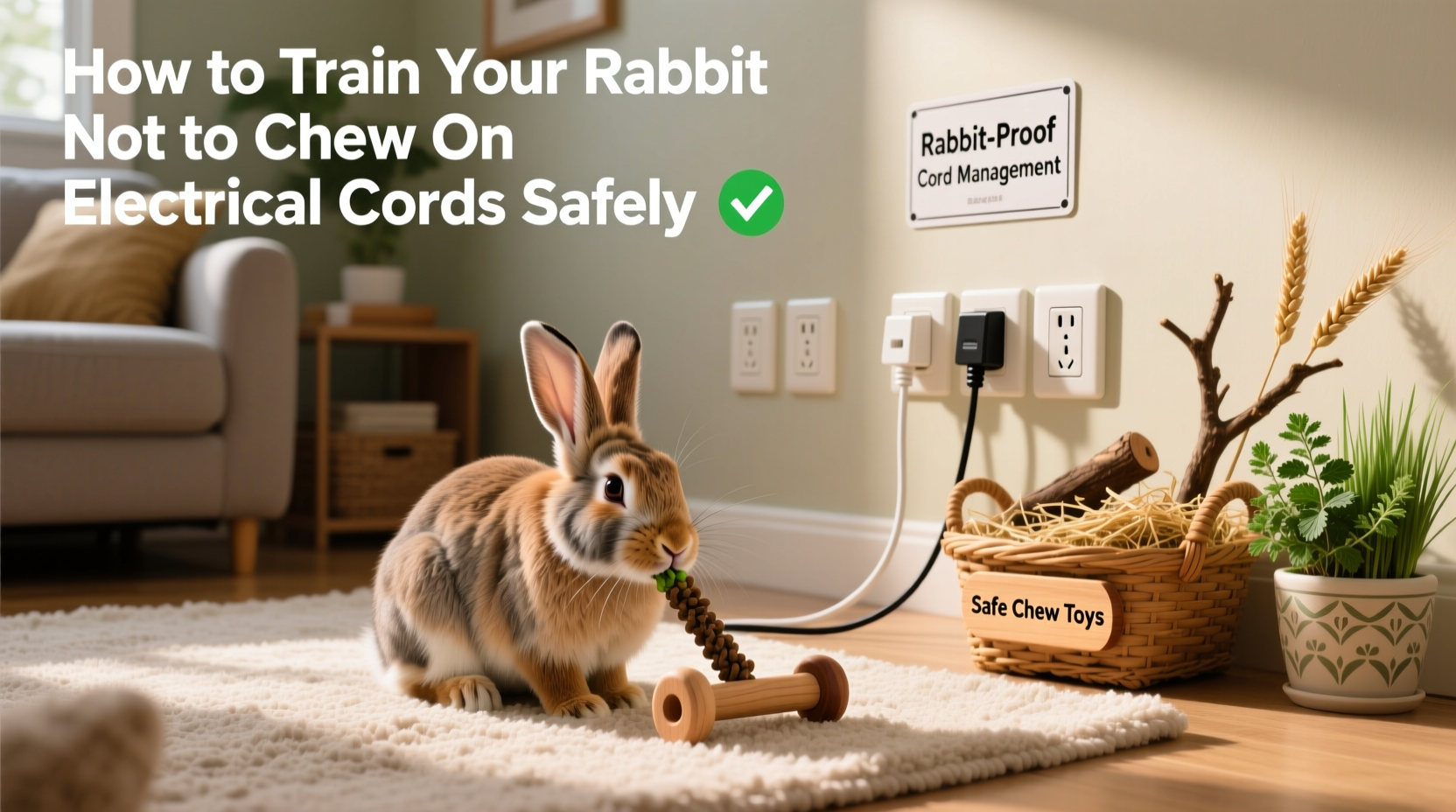
Chewing is not misbehavior—it's a biological necessity. A rabbit’s incisors grow about 3–5 inches per year. Without constant wear, overgrowth can lead to painful malocclusions, infections, and inability to eat. In the wild, rabbits chew fibrous plants and bark. Indoors, they seek similar textures: plastic-coated cords mimic plant stems in flexibility and resistance, making them an appealing (but deadly) substitute.
Additionally, young rabbits between 3–6 months old are especially prone to indiscriminate chewing as they explore their world through their mouths. Stress, boredom, or lack of stimulation can also increase destructive chewing. Recognizing these underlying causes is the first step in creating a long-term solution.
“Preventing wire chewing isn’t about stopping a bad habit—it’s about meeting your rabbit’s physical and psychological needs.” — Dr. Rebecca Sanderson, DVM, Exotic Animal Specialist
Immediate Safety Measures: Protecting Your Rabbit and Home
Before behavioral training takes effect, immediate action must be taken to eliminate access to electrical cords. Prevention is the most reliable form of protection.
Tip: Never rely solely on training to keep your rabbit safe around live wires. Physical barriers and cord concealment should always come first.1. Conceal and Route Cords Out of Reach
Use cord covers, cable management boxes, or PVC conduit pipes to encase wires. Run cords along baseboards behind furniture or use adhesive cord clips to secure them high up on walls—beyond your rabbit’s reach. Avoid placing cords across floors or under low furniture where rabbits commonly roam.
2. Use Bitter-Tasting Deterrents
Bitter apple sprays or commercial animal-safe deterrents can make cords unappealing. Spray lightly on the outer casing (avoid exposing metal or connectors). Reapply after cleaning or if the smell fades. Note: Some rabbits may ignore the taste, so this should never be the sole preventive method.
3. Unplug When Not in Use
If certain devices aren’t used frequently (e.g., lamps, chargers), unplug and store the cords when your rabbit is out of its enclosure. This reduces temptation and exposure.
4. Create a Rabbit-Safe Zone
Designate a secure area for your rabbit’s free-roam time, free of exposed electronics. Use baby gates or playpens to restrict access to high-risk rooms like home offices or entertainment centers.
Step-by-Step Training Plan to Redirect Chewing Behavior
Training a rabbit requires patience and consistency. Unlike dogs, rabbits don’t respond well to punishment—they learn best through positive reinforcement and environmental design. Follow this timeline to gradually reduce and eliminate wire chewing.
- Week 1: Assess and Secure the Environment
Identify all accessible cords. Install cord protectors, reroute wiring, and remove temptations. Set up a safe zone with rabbit-friendly toys and chewables. - Week 2: Introduce Alternatives
Place multiple chew toys near where cords were previously targeted. Use willow balls, cardboard tubes, untreated wood blocks, and hay mats to encourage exploration. - Week 3: Supervise and Redirect
Allow controlled access to higher-risk areas only when you’re present. If your rabbit approaches a cord, gently interrupt with a soft “no” or cluck, then immediately offer a chew toy. - Week 4: Reinforce Positive Choices
Reward your rabbit with treats or affection when it chooses appropriate chew items. Consistency strengthens the association between good choices and positive outcomes. - Ongoing: Monitor and Maintain
Continue to assess your rabbit’s environment weekly. Rotate toys to prevent boredom and replace worn chew items regularly.
Providing Appropriate Chew Alternatives
The key to stopping unwanted chewing is not suppression but redirection. A rabbit denied healthy chewing options will continue seeking alternatives, even after training.
Best Chew Toys for Rabbits
- Natural Wood Sticks: Apple, willow, or pear branches (untreated and pesticide-free).
- Cardboard: Toilet paper rolls, egg cartons, or flattened boxes—safe and inexpensive.
- Paper-Based Products: Shredded paper or compressed hay blocks.
- Woven Grass Toys: Seagrass mats or palm leaf weaves that satisfy shredding instincts.
- Hay-Filled Toys: Stuffed activity balls that dispense hay as your rabbit chews.
Rotate toys every few days to maintain interest. A bored rabbit is more likely to return to forbidden items like cords.
How Much Chewing Is Normal?
A healthy adult rabbit may spend 3–5 hours a day chewing. Juveniles and molting rabbits often chew more due to teething or stress. Ensure unlimited access to grass hay (timothy, orchard, or meadow), which supports digestion and satisfies the need to gnaw.
Do’s and Don’ts of Rabbit Wire-Chewing Prevention
| Do’s | Don’ts |
|---|---|
| Provide unlimited grass hay daily | Use physical punishment or yelling |
| Use hard plastic cord covers or metal conduits | Apply citrus or hot pepper sprays (can irritate eyes/nose) |
| Supervise during free-roam time | Leave cords dangling within reach |
| Offer a variety of chew toys | Assume one training session is enough |
| Redirect chewing with praise and treats | Use shock collars or aversive devices |
“Rabbits trained through fear may stop chewing wires temporarily, but they’ll develop anxiety or redirect aggression. Humane training builds trust and long-term safety.” — Lila Torres, Certified Rabbit Behavior Consultant
Mini Case Study: How Mia Saved Her Bunny from Cord Hazards
Mia adopted a 4-month-old Holland Lop named Poppy. Within days, Poppy chewed through a laptop charger, causing a small spark. Alarmed, Mia unplugged everything and confined Poppy to a bathroom. But Poppy became restless, chewing towels and scratching doors.
After consulting a rabbit-savvy vet, Mia redesigned her living room. She installed a PVC pipe system along the baseboards to hide cords, placed a large playpen near the sofa, and filled it with willow sticks and cardboard castles. She introduced a “chew station” with fresh hay and a seagrass mat. Whenever Poppy approached a cord, Mia gently said “ah-ah” and offered a treat-filled toilet roll.
Within three weeks, Poppy consistently chose her toys. Mia now allows supervised roaming daily. The once-dangerous phase became an opportunity to bond and enrich Poppy’s environment.
Frequently Asked Questions
Can I use bitter spray on all types of cords?
Yes, but test on a small area first to ensure the coating doesn’t degrade. Avoid spraying near plugs or exposed wires. Reapply after dusting or cleaning, as residue buildup can reduce effectiveness. Always choose pet-safe formulas—never use homemade chili or citrus sprays, which can cause respiratory irritation.
What if my rabbit still chews despite training?
Reevaluate enrichment levels. A rabbit that continues chewing wires may lack sufficient hay, toys, or mental stimulation. Consider underlying dental issues—schedule a vet check to rule out pain or malocclusion driving excessive gnawing. Also, ensure your rabbit gets at least 3–4 hours of daily exercise outside its enclosure.
Are wireless solutions safer for rabbits?
Wireless devices reduce cord clutter but aren’t foolproof. Charging pads, batteries, and backup power units can still pose risks if chewed. Treat all electronic components with the same caution. The safest setup combines minimal visible wiring with robust environmental management.
Checklist: Rabbit-Proofing Your Home from Electrical Cords
- ✅ Identify all exposed electrical cords in rabbit-accessible areas
- ✅ Install rigid cord protectors or PVC conduits
- ✅ Route cables along walls or behind furniture
- ✅ Use cable boxes or cord organizers to bundle and hide wires
- ✅ Apply pet-safe bitter spray as a secondary deterrent
- ✅ Provide at least 3 different types of chew toys in each room
- ✅ Stock unlimited grass hay to meet chewing and dietary needs
- ✅ Supervise all free-roam sessions until consistent behavior is established
- ✅ Rotate chew toys weekly to prevent boredom
- ✅ Schedule monthly checks for frayed wires or damaged insulation
Conclusion: Building a Safe and Enriching Life for Your Rabbit
Stopping a rabbit from chewing electrical cords isn’t about discipline—it’s about understanding. By addressing the root causes of chewing and providing safe, satisfying alternatives, you create an environment where your rabbit thrives without danger. The methods outlined here combine immediate safety, humane training, and long-term enrichment to protect both your pet and your home.
Every rabbit deserves a space where curiosity doesn’t come with risk. Start today by securing one cord, adding a new chew toy, or rearranging a room. Small changes lead to lasting results. Your commitment ensures a longer, healthier, and happier life for your furry companion.
💬 Have a success story or tip for keeping cords safe? Share your experience in the comments and help other rabbit owners create safer homes!








