Training your dog doesn’t require months of effort to see results. With focus, consistency, and the right approach, you can teach your dog essential commands—like sit, stay, come, down, and heel—in just seven days. This intensive but realistic plan combines behavioral science with practical techniques used by professional trainers. Whether you’re working with a puppy or an adult dog, this guide provides a structured daily routine that builds confidence, strengthens your bond, and sets the foundation for lifelong obedience.
Why One Week Is Enough (With the Right Strategy)
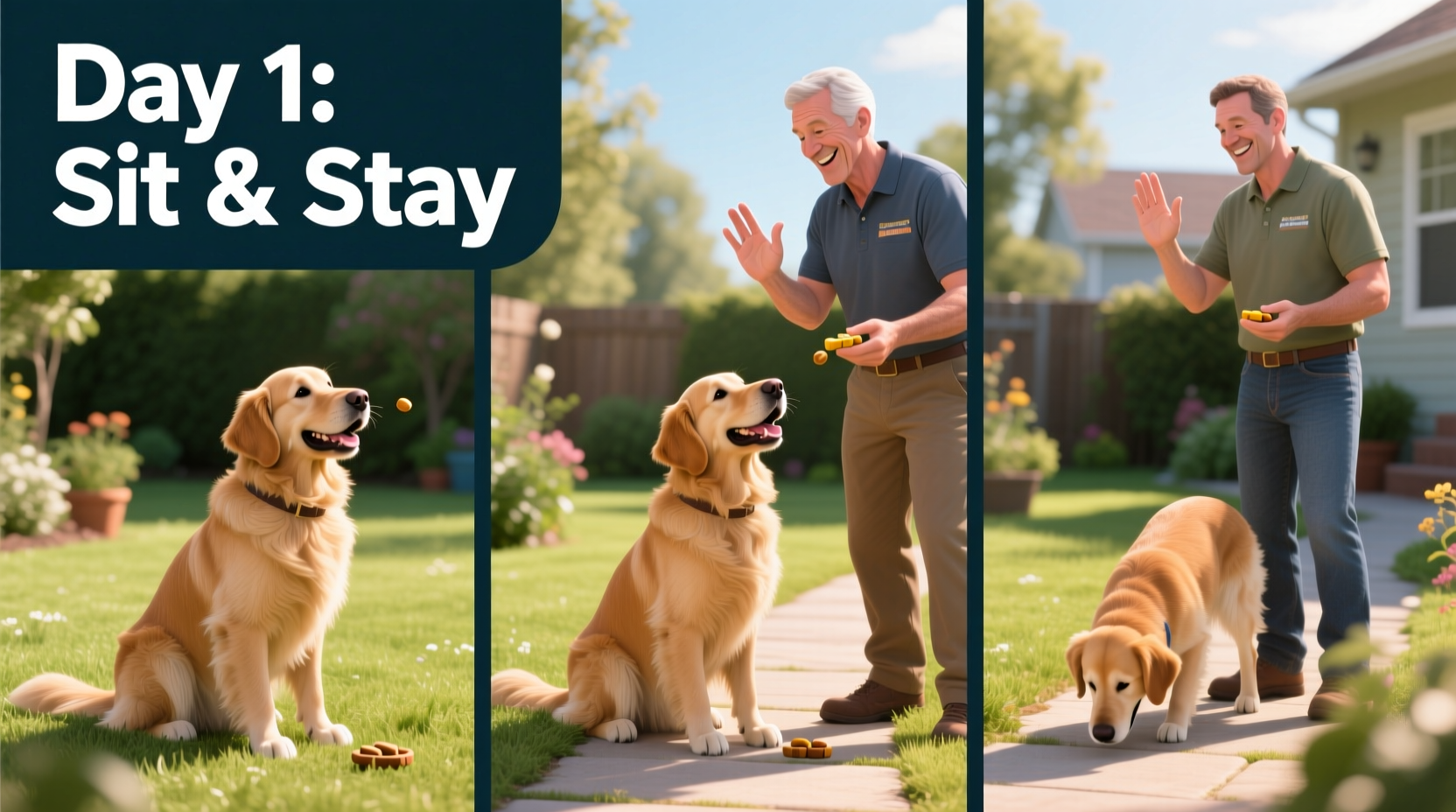
Many pet owners assume dog training is a slow process, but dogs are capable of learning quickly when instruction is clear and rewards are immediate. The key lies in repetition, timing, and consistency. Dogs thrive on routine and respond best to short, frequent training sessions that keep them engaged without causing fatigue.
A study published in *Applied Animal Behaviour Science* found that dogs trained with positive reinforcement for 10–15 minutes, five times per day, showed faster command retention than those trained less frequently but for longer durations. This supports the idea that micro-sessions throughout the day yield better results than marathon training weekends.
“Dogs don’t learn in hours—they learn in moments. A single well-timed reward can cement a behavior for life.” — Dr. Sophia Yin, Veterinary Behaviorist and Author of *The Small Animal Practical Training Guide*
The one-week timeline works because it creates an immersive learning environment. By isolating distractions, maintaining a consistent schedule, and reinforcing behaviors daily, your dog begins to associate actions with outcomes more efficiently.
Daily Training Timeline: A 7-Day Plan
Success hinges on structure. Follow this day-by-day breakdown to build from foundational commands to real-world application.
- Day 1: Master \"sit\" and introduce \"name recognition\"
- Day 2: Teach \"down\" and reinforce \"sit\" under mild distraction
- Day 3: Introduce \"stay\" with short duration and distance
- Day 4: Train \"come\" (recall) in a secure area
- Day 5: Begin loose-leash walking (\"heel\") indoors
- Day 6: Combine commands in sequences (e.g., sit → stay → come)
- Day 7: Practice all commands outdoors with environmental distractions
Each session should last 8–12 minutes and be repeated 4–5 times per day—at morning, midday, late afternoon, and before bedtime. Always end on a positive note, even if progress feels slow.
Tip: Train before meals—your dog will be more food-motivated and focused.Step-by-Step: Teaching Each Command
Sit (Day 1)
Hold a treat close to your dog’s nose. Slowly lift it upward so their head follows the bait, causing their bottom to lower naturally. As soon as they sit, say “sit,” give the treat, and offer verbal praise. Repeat 10–15 times per session. If your dog jumps, lower the treat slightly and try again.
Down (Day 2)
Start with your dog in a sitting position. Hold a treat in your hand and lower it straight to the floor in front of them. As they follow the treat, slide it forward along the ground so they stretch into a lying position. Once fully down, say “down,” reward immediately, and release with a word like “okay.” Avoid pulling the treat too fast—this can cause crawling instead of proper down.
Stay (Day 3)
Ask your dog to sit. Open your palm toward them and say “stay” clearly. Take one step back. If they remain still, return immediately and reward. Gradually increase distance and duration over multiple sessions. Never scold if they break the stay—just reset and try a shorter distance.
Come (Day 4)
In a fenced yard or with a long leash, crouch down, say “come” in an excited tone, and gently pull the leash if needed. When they reach you, reward generously. Practice this with varying distances. Never call your dog to come for something unpleasant (like a bath), or they’ll learn to avoid the cue.
Heel (Day 5)
Use a standard leash (not retractable). Start walking and hold a treat at your side, near your thigh. Say “heel” and let your dog sniff the treat while walking beside you. Reward every few steps if they stay aligned. If they surge ahead, stop walking and wait for them to return to your side before continuing.
Essential Training Checklist
Checklist: What You Need Before Starting- High-value treats (small, soft, and aromatic—like chicken or cheese)
- Standard 4–6 foot leash (no retractables during training)
- Quiet indoor space with minimal distractions
- Dedicated training time (5 sessions x 10 minutes daily)
- Pocket or pouch for easy treat access
- Patience and a calm demeanor—avoid frustration
Common Mistakes That Delay Progress
Even well-intentioned owners make errors that confuse dogs and slow learning. Avoid these pitfalls:
| Mistake | Why It’s Problematic | Better Approach |
|---|---|---|
| Inconsistent cues | Dog won’t know if “sit,” “sit down,” or “siiit” mean the same thing | Use the exact same word and tone every time |
| Long training sessions | Dogs lose focus after ~10 minutes | Train in short bursts with breaks |
| Rewarding too late | Dog may think they’re being rewarded for standing up, not sitting | Click or treat within 1 second of correct behavior |
| Practicing with high distractions early | Overwhelms the dog and weakens association | Master basics indoors first, then add complexity |
| Using punishment for mistakes | Creates fear and shuts down learning | Ignore errors and redirect; reward only correct actions |
Real Example: Training Luna, a 6-Month-Old Beagle
Luna was energetic and easily distracted, often ignoring her owner when outdoors. Her human, Mark, committed to the one-week command challenge. He began Day 1 in the living room, using small pieces of boiled chicken. By the end of the first day, Luna reliably sat 8 out of 10 times when prompted. On Day 3, she mastered “stay” for 10 seconds with Mark two feet away. By Day 6, she responded to “come” across the backyard—even when a squirrel ran past.
The turning point came on Day 7, when Mark took Luna to a quiet park. Despite birds and other dogs nearby, she performed “sit,” “down,” and “come” on cue. Mark credits success to consistency: he trained at the same times each day, used the same cues, and always ended with playtime as a bonus reward.
Luna isn’t perfect yet—but she now understands what’s expected. Mark continues practicing weekly to maintain and expand her skills.
Frequently Asked Questions
Can older dogs learn these commands in a week?
Yes. While puppies absorb information quickly, adult dogs can learn just as effectively—if they’re healthy and not dealing with anxiety or medical issues. Older dogs may take slightly longer to unlearn bad habits, but the core training method remains the same. Patience and repetition are key.
What if my dog ignores me during training?
First, ensure you’re using high-value rewards. Kibble may not be motivating enough. Try boiled meat, cheese, or commercial training treats. Second, reduce distractions—move to a quieter room. Third, check your timing: reward instantly when the behavior occurs. If your dog is stressed or fearful, pause and consult a trainer or veterinarian.
Do I need to use treats forever?
No. Once your dog reliably performs a command (about 8–10 successful reps in different locations), begin phasing out constant treats. Switch to a “variable reward schedule”—sometimes treat, sometimes praise, sometimes a toy. This makes the behavior more durable, as your dog won’t know which response will earn a reward.
Keys to Long-Term Success
One week gives you a strong start, but maintenance ensures lasting results. Integrate commands into daily routines: ask your dog to “sit” before meals, “stay” before opening doors, and “come” when called. This turns training into functional behavior, not just a parlor trick.
Continue exposing your dog to new environments—backyards, sidewalks, parks—but always set them up for success. Start with low-distraction areas and gradually increase difficulty. If your dog fails, go back a step and rebuild confidence.
Tip: Practice one command in three different locations (e.g., kitchen, backyard, driveway) to help your dog generalize the behavior.Conclusion: Your Dog Can Learn—And You Can Teach Them
Teaching your dog basic commands in one week is not a gimmick—it’s a disciplined, science-backed method that delivers real results. You don’t need expensive tools or professional certification. What matters most is your commitment to clarity, consistency, and kindness. Every dog, regardless of age or breed, responds to patient guidance and positive reinforcement.
By the end of seven days, you’ll have more than a dog who sits on cue—you’ll have a stronger relationship built on communication and trust. The commands are just the beginning. What follows is a lifetime of safer walks, calmer interactions, and mutual understanding.
🚀 Start today. Grab some treats, pick a quiet spot, and begin with “sit.” In one week, you’ll be amazed at how much you and your dog have achieved together. Share your progress in the comments—we’d love to hear your story!








