Puppies explore the world with their mouths, and while ankle biting might seem cute at first, it can quickly become a frustrating and even painful habit. This behavior isn’t malicious—it’s natural for young dogs to chew and nip during teething and play. However, without proper guidance, this instinctive action can develop into a persistent behavioral issue. The key lies not in punishment but in consistent, positive redirection and training. By understanding your puppy’s motivations and applying proven techniques, you can effectively stop ankle biting and foster a well-mannered companion.
Why Puppies Bite Ankles: Understanding the Behavior
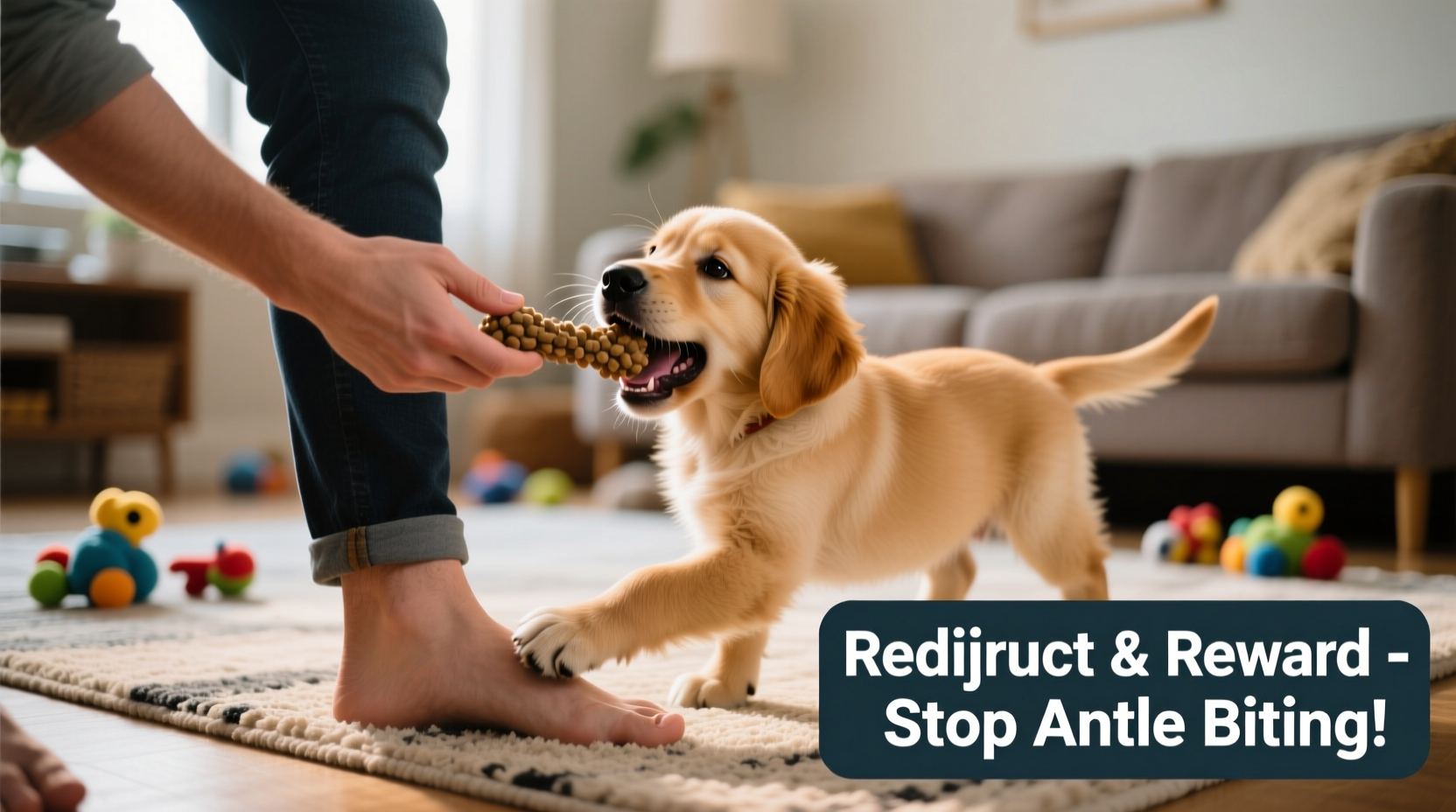
Ankle biting is rarely about aggression. Instead, it stems from several developmental and social factors common in puppies under six months old:
- Teething discomfort: Puppies begin losing baby teeth around 3–4 months. Chewing provides relief from sore gums, and moving objects—like feet or pant legs—are irresistible targets.
- Play instinct: In the wild, young dogs engage in mock fighting and chasing as part of social development. Your moving ankles trigger their prey drive, making them an exciting target.
- Attention-seeking: If biting gets a reaction—laughter, yelling, or even being chased—the puppy learns it’s an effective way to initiate interaction.
- Lack of bite inhibition: Puppies don’t naturally know how hard they can bite. They learn this through feedback from littermates and humans.
Recognizing these root causes allows owners to respond appropriately. Reacting with frustration or physical correction can damage trust and escalate the behavior. Instead, redirecting the puppy’s energy and teaching alternative behaviors creates lasting change.
Tip: Never yank your foot away when bitten—this triggers chase instincts and reinforces the game.Step-by-Step Guide to Redirect Biting Behavior
Stopping ankle biting requires consistency, timing, and proactive management. Follow this structured approach over several weeks to see real progress.
- Pause and disengage: When your puppy bites your ankle, immediately stop moving. Stand still like a tree. Avoid shouting or pulling away. Wait until the puppy releases on its own, then calmly walk away for 20–30 seconds. This teaches that biting ends playtime.
- Redirect to appropriate chew toys: Keep durable chew toys nearby. As soon as the puppy stops biting, offer a toy enthusiastically. Praise them when they take it. Rotate toys weekly to maintain interest.
- Preempt the behavior: Observe patterns. Does biting occur after naps or during high-energy moments? Anticipate these times and provide a chew toy before the puppy seeks one out.
- Use time-outs for persistence: If the puppy continues biting despite redirection, calmly place them in a short (30-second) time-out in a safe, boring area like a puppy-proofed bathroom. Reintroduce play only when calm.
- Reinforce calm behavior: Reward moments of self-control with treats, affection, or quiet praise. A puppy lying quietly beside you deserves recognition just as much as one performing a trick.
This method works because it replaces unwanted behavior with acceptable alternatives while maintaining emotional safety. Over time, the puppy learns that calmness and toy-chewing lead to continued attention and rewards.
Effective Redirection Tools and Techniques
Success depends not only on what you do but also on what tools you use. Choosing the right chew items and training aids makes redirection more effective.
| Tool/Technique | Best For | How to Use |
|---|---|---|
| Frozen chew toys (e.g., Kong filled with peanut butter) | Teething relief and solo play | Freeze overnight; offer during high-bite-risk periods like after waking |
| Interactive tug toys | Channeling play-biting into structured games | Use during scheduled play sessions; end game if teeth touch skin |
| Treat-dispensing puzzles | Mental stimulation and reducing boredom | Fill with kibble; use when unsupervised or during household tasks |
| Leash indoors | Managing impulse control | Attach a lightweight leash; gently guide puppy away from feet without scolding |
Consistency in using these tools ensures the puppy has clear boundaries and satisfying alternatives. Rotate between different textures—rubber, rope, soft plush—to discover preferences and prevent habituation.
Common Mistakes That Reinforce Biting
Even well-meaning owners can accidentally encourage ankle biting. Awareness of these pitfalls improves training outcomes.
- Letting kids run from the puppy: Running activates the chase instinct. Teach children to stand still and offer a toy instead.
- Inconsistent responses: One day ignoring the behavior, the next yelling, creates confusion. Choose a method and stick to it across all family members.
- Using hands as toys: Playing “fight” games with your hands teaches the puppy that human skin is acceptable to bite.
- Overstimulating the puppy: Excessive handling or rough play increases arousal, making self-control harder.
- Neglecting exercise needs: An under-exercised puppy has excess energy that often manifests as mouthing.
“Puppies don’t grow out of biting—they grow into whatever habits we allow. Early redirection shapes lifelong behavior.” — Dr. Sarah Langham, Certified Animal Behaviorist
Mini Case Study: Transforming Max, the Biter
Max, a 14-week-old Australian Shepherd, was adopted by a young couple eager to start hiking and outdoor adventures. Within days, they noticed he would lunge at their ankles during walks around the house, especially when excited. Attempts to distract him with verbal commands failed, and occasional knee bumps made them worry about future control.
They implemented a three-pronged strategy: First, they kept frozen Kongs in the freezer and offered one whenever Max showed signs of arousal. Second, they introduced a 5-foot indoor leash to gently interrupt biting without confrontation. Third, they replaced ankle-chasing with structured fetch sessions using a rubber disc.
Within two weeks, Max’s biting decreased by 80%. By week four, he would automatically look for his toy when excitement built. His owners reported feeling confident again, and Max began mastering basic obedience cues during calm intervals. The transformation wasn’t due to discipline—but redirection, predictability, and meeting his developmental needs.
Checklist: Daily Practices to Prevent Ankle Biting
Use this checklist each day to reinforce positive habits and reduce biting incidents:
- ✅ Offer a chew toy every time the puppy shows interest in feet or clothing
- ✅ Schedule three short training sessions (5 minutes each) focusing on “leave it” and “sit”
- ✅ Provide at least 30 minutes of physical exercise (walks, yard play, fetch)
- ✅ Rotate chew toys daily to maintain novelty
- ✅ Practice standing still when bitten, then walking away calmly
- ✅ Use a light indoor leash during high-risk times (e.g., after crate rest)
- ✅ End play immediately if teeth make contact with skin
- ✅ Reward quiet, independent play with praise or treats
Consistency across caregivers is essential. Ensure everyone in the household follows the same rules to avoid confusing the puppy.
FAQ: Common Questions About Puppy Biting
Will my puppy grow out of biting on its own?
Some reduction occurs as puppies mature, typically between 6–8 months. However, without intervention, many retain mouthing habits into adulthood, especially if the behavior was reinforced. Proactive training ensures a smoother transition to polite behavior.
Is it okay to say “no” when my puppy bites?
A calm, low-toned “ouch” or “ah-ah” can signal discomfort, mimicking the yelp littermates use. Loud or angry tones may scare the puppy or increase arousal. Pair the sound with disengagement—not punishment—for best results.
What if my puppy bites hard enough to break the skin?
If bites are aggressive or fear-based (ears back, growling), consult a veterinarian or certified dog behaviorist. True aggression is rare in young puppies, but pain, illness, or improper socialization can contribute. Rule out medical causes first.
Building Long-Term Bite Inhibition
Bite inhibition—the ability to control jaw pressure—is one of the most important skills a puppy can learn. It doesn’t mean eliminating mouthing entirely but teaching the dog to be gentle when interacting physically. This skill protects people, other animals, and the dog’s own future.
To strengthen bite inhibition:
- Allow gentle mouthing during calm interactions, but yelp and pause if pressure increases.
- Encourage play with other vaccinated, well-socialized dogs. Puppies learn bite thresholds from peer feedback.
- Use stuffed toys to simulate hand contact. If the puppy bites too hard, stop the game immediately.
Progress may feel slow, but small improvements compound over time. A puppy who once gnawed ankles relentlessly can learn to carry a toy instead when excited.
Tip: End each successful redirection session with a treat or affection to reinforce the desired behavior.Conclusion: Patience, Consistency, and Positive Change
Stopping a puppy from biting ankles isn’t about dominance or suppression—it’s about guidance and communication. Every interaction is an opportunity to shape your puppy’s understanding of acceptable behavior. With patience, structured redirection, and consistent reinforcement, what once felt like a relentless habit becomes a distant memory.
The foundation you build now determines the kind of adult dog you��ll share your life with. By choosing empathy over frustration and redirection over punishment, you’re not just solving a problem—you’re deepening trust and building a relationship rooted in mutual respect.
💬 Have a success story or challenge with puppy biting? Share your experience below—your insight could help another pet parent navigate this rite of passage.








