
The pet industry is booming. In the U.S. alone, pet owners spent over $136 billion in 2022, and e-commerce continues to capture a growing share of that spending. With rising demand for premium food, eco-friendly toys, and specialty accessories, launching an online pet supply store has never been more viable—especially for passionate entrepreneurs who understand both pets and digital commerce.
Starting from scratch doesn’t require deep pockets or technical expertise. What it does require is a clear plan, attention to customer needs, and consistent execution. This guide walks through every critical phase—from market research to launch and beyond—so you can build a profitable, sustainable business that serves pets and their people well.
Step 1: Validate Your Idea and Define Your Niche
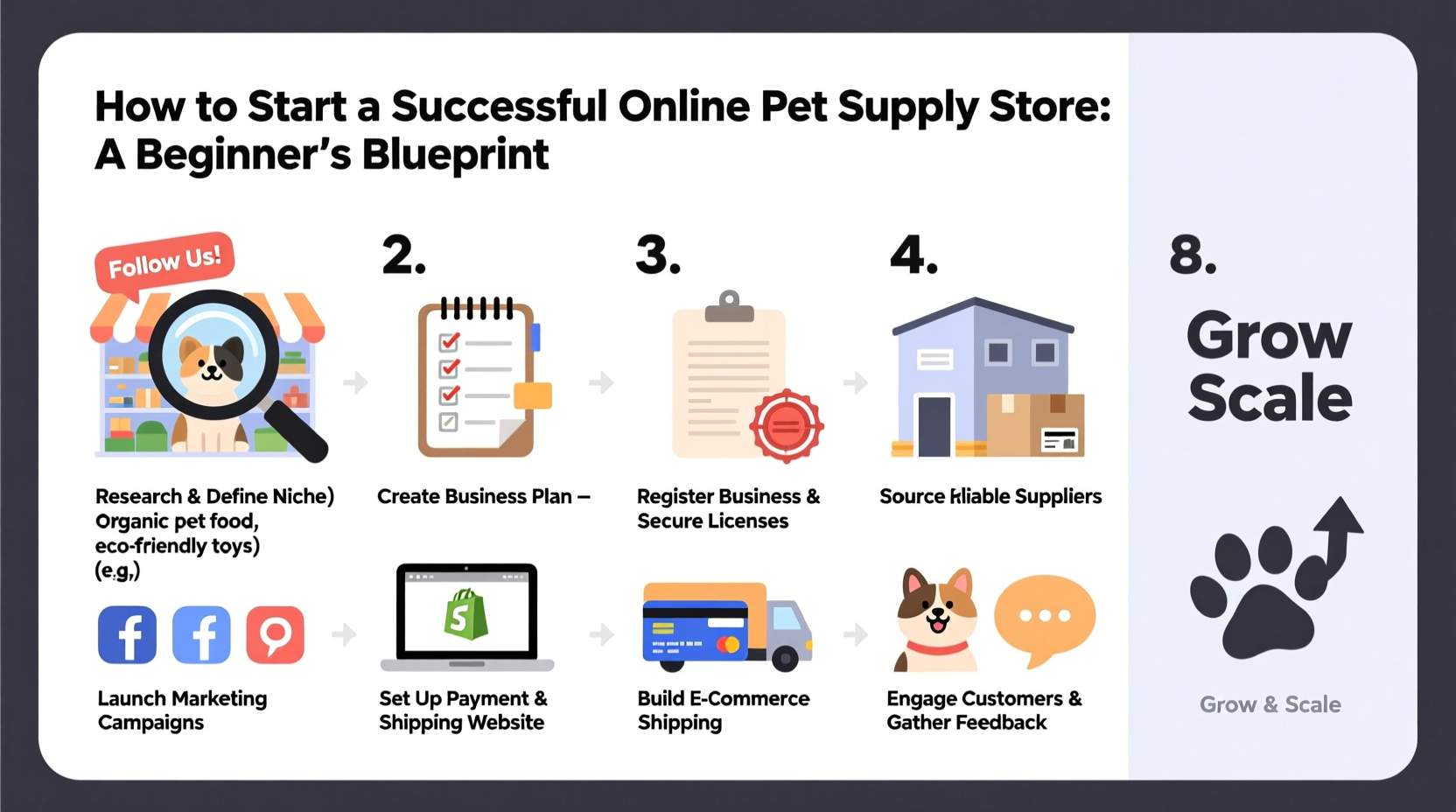
Before investing time or money, determine what kind of pet supply store will stand out. The market is crowded with generalists like Chewy and Amazon, so differentiation is key. Instead of trying to sell everything to everyone, focus on a specific niche where you can offer superior value.
Potential niches include:
- Organic, grain-free dog food for sensitive breeds
- Eco-friendly cat litter and biodegradable waste bags
- Custom collars and leashes for small dogs
- Supplements for senior pets
- Toys for anxious or high-energy animals
Conduct market research using tools like Google Trends, Amazon Best Sellers, and Reddit communities (e.g., r/dogs, r/cats) to identify unmet needs. Search volume, customer complaints, and product gaps reveal opportunities.
Tip: Look for products with high repeat purchase rates—like food, treats, or grooming supplies—to build predictable monthly revenue.Step 2: Create a Lean Business Plan
A formal business plan isn’t mandatory, but outlining your strategy keeps you focused. At minimum, define:
- Target Audience: Who are you serving? (e.g., urban millennials with rescue dogs)
- Unique Value Proposition: Why should customers choose you? (e.g., “Sustainable, vet-approved nutrition with subscription convenience”)
- Revenue Model: Will you sell directly, use dropshipping, or offer subscriptions?
- Startup Budget: Estimate costs for domain, hosting, inventory, marketing, and legal setup.
- Growth Goals: Set realistic targets for first-year sales and customer acquisition.
Your plan should also address logistics. Will you manage inventory yourself or partner with a fulfillment service? How will returns be handled? These decisions shape scalability.
Step 3: Choose a Reliable E-Commerce Platform
Your website is your storefront. It must be fast, mobile-friendly, and easy to navigate. For beginners, platforms like Shopify, BigCommerce, and WooCommerce (on WordPress) offer intuitive interfaces and built-in tools for payments, SEO, and shipping.
| Platform | Best For | Monthly Cost (Est.) | Key Advantage |
|---|---|---|---|
| Shopify | Beginners wanting all-in-one solutions | $29–$299 | Easy setup, 24/7 support, app ecosystem |
| BigCommerce | Scalable stores with complex needs | $29–$299 | Built-in multi-channel selling |
| WooCommerce | Users comfortable with WordPress | $0 (plus hosting ~$15) | Full customization and ownership |
Choose a clean, pet-themed template. Prioritize clear product images, detailed descriptions, and visible trust signals (secure checkout badges, return policy links). Include filters for species (dog, cat, bird), life stage, and dietary needs to improve user experience.
Step 4: Source Products Strategically
There are three main ways to source inventory:
- Dropshipping: Partner with suppliers who ship directly. Low upfront cost, but lower margins and less control.
- Wholesale: Buy in bulk from distributors. Higher initial investment, better profit potential.
- Private Label: Brand existing products under your name. Requires more capital but builds brand equity.
For beginners, starting with dropshipping via platforms like Spocket or SaleHoo reduces risk. Focus on suppliers with strong reputations, fast shipping, and packaging that doesn’t advertise third parties.
“New pet brands succeed when they solve a specific problem—like digestive health or anxiety—not just when they look cute.” — Dr. Lena Patel, Veterinary Nutrition Consultant
Step 5: Build Trust and Drive Traffic
No matter how good your store looks, you need visitors—and conversions. A multi-channel marketing approach works best.
Start with SEO: Optimize product pages with keywords like “grain-free wet cat food” or “durable chew toys for puppies.” Write blog posts answering common pet owner questions (e.g., “How to Transition Your Dog to Raw Food Safely”).
Leverage social media: Instagram and TikTok are ideal for pet content. Share behind-the-scenes clips, customer pet photos, and educational reels. Engage with pet influencers for affordable promotions.
Run targeted ads: Use Facebook and Google Ads to reach demographics actively searching for pet supplies. Retarget visitors who abandoned carts with discounts.
Email marketing is equally vital. Offer a 10% discount for sign-ups and send helpful content—feeding guides, training tips, seasonal safety advice—to keep subscribers engaged.
Tip: Personalize emails with the pet’s name (collected at checkout) to increase open rates and loyalty.Mini Case Study: Paws & Green
Jessica Thompson launched Paws & Green in 2021, focusing on eco-conscious dog owners. She started with a Shopify store offering bamboo leashes, compostable poop bags, and organic treats via dropshipping. Her differentiator? Every product page included a “Planet Impact” badge showing plastic saved or trees planted.
She grew her audience by partnering with micro-influencers who shared her values. Within six months, she was doing $12,000/month in sales and reinvested profits into private-label treats. Today, Paws & Green ships nationwide and donates 5% of profits to animal shelters.
Essential Launch Checklist
Before going live, ensure these items are complete:
- ✅ Business name registered and domain secured
- ✅ EIN obtained (for U.S. businesses) and sales tax permit acquired
- ✅ Website tested on mobile and desktop (check load speed and checkout flow)
- ✅ Product descriptions written with benefits, not just features
- ✅ Clear shipping, return, and privacy policies published
- ✅ Secure payment gateways enabled (Shopify Payments, PayPal, etc.)
- ✅ Customer service email and contact form active
- ✅ Initial social media profiles created and branded
- ✅ First 3 blog posts or guides published for SEO
- ✅ Backup system in place for site data
Frequently Asked Questions
Do I need a license to sell pet supplies online?
In most regions, yes. You’ll typically need a general business license and possibly a seller’s permit, especially if reselling taxable goods. If selling homemade pet food or supplements, additional regulations may apply—consult your local department of agriculture or health.
Can I run this business from home?
Absolutely. Many online pet stores begin as home-based operations. If dropshipping, no inventory storage is needed. If holding stock, ensure your space is clean, dry, and pest-free. Check local zoning laws to confirm home-based businesses are permitted.
How long does it take to become profitable?
With lean operations, some stores break even within 3–6 months. Success depends on marketing efficiency, product margins, and customer retention. Stores with subscription models often see faster ROI due to recurring revenue.
Final Thoughts: Start Small, Think Long-Term
Launching an online pet supply store isn’t about getting rich overnight. It’s about building trust with a community that deeply cares for their animals. Begin with a focused niche, deliver exceptional value, and listen closely to customer feedback. Over time, your reputation will grow—and so will your sales.
The barrier to entry has never been lower, but the winners are those who combine smart strategy with genuine passion. Whether you’re solving a personal frustration or tapping into an emerging trend, now is the time to act.
🚀 Ready to launch your dream? Pick one niche today, register your domain, and take your first step toward building a pet brand that makes a difference.








