For many animal lovers, the desire to help cats in need goes beyond adopting one or two into their homes. Opening a small-scale at-home cat sanctuary allows compassionate individuals to provide shelter, medical care, and love to cats who might otherwise face uncertain futures. While rewarding, running a sanctuary is not simply about opening your doors—it requires planning, resources, legal compliance, and emotional resilience. This guide walks you through every essential phase, from assessing readiness to managing daily operations, so you can build a sustainable, ethical sanctuary that truly makes a difference.
Step 1: Assess Your Readiness and Resources
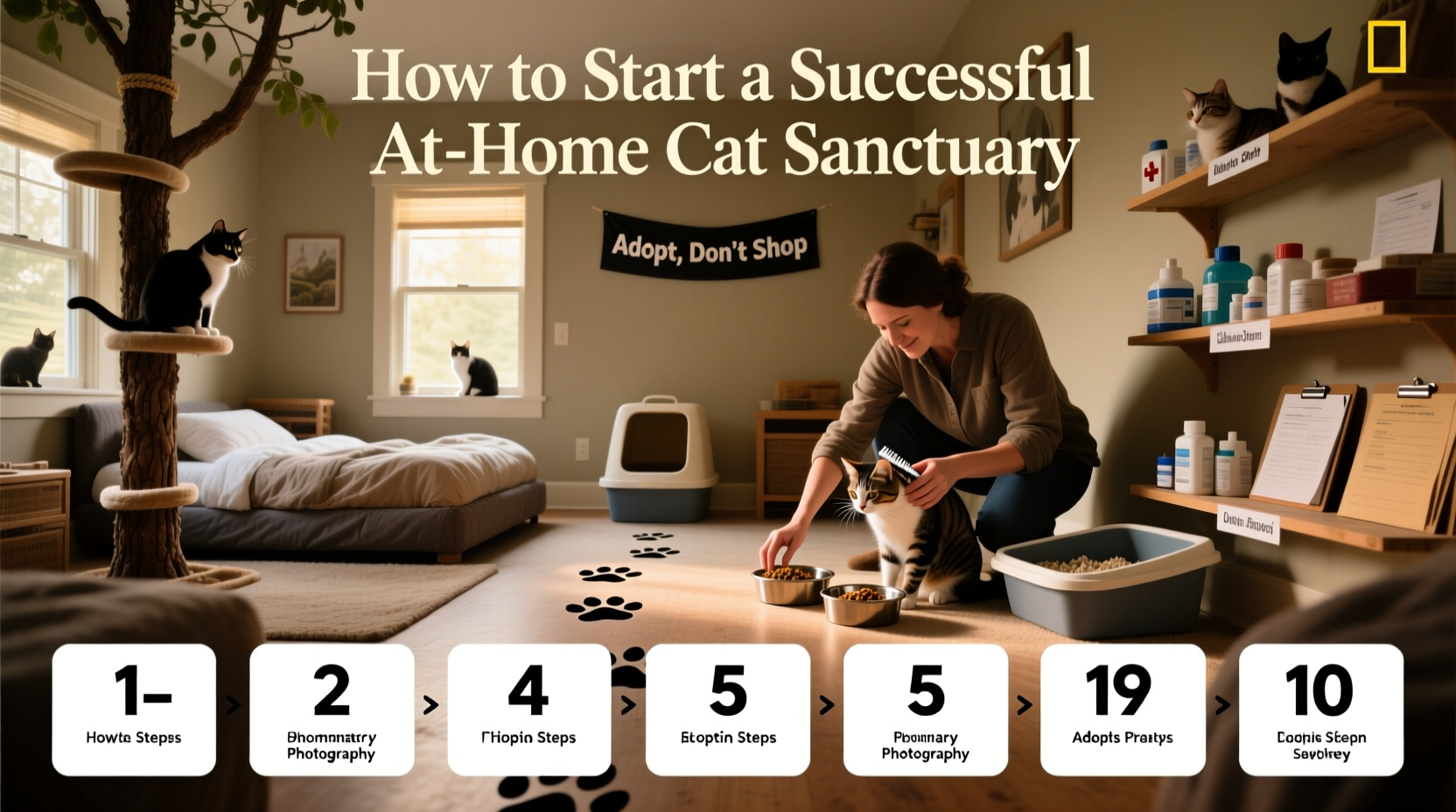
Before welcoming any cats, take an honest look at your personal, financial, and physical capacity. A home-based sanctuary isn’t a hobby—it’s a commitment that affects your time, space, and finances.
Consider:
- Living space: Do you have enough room to separate new arrivals, sick cats, and long-term residents?
- Time: Can you dedicate several hours daily to feeding, cleaning, socializing, and monitoring health?
- Finances: Are you prepared for ongoing costs like food, litter, vaccinations, spaying/neutering, and emergency vet bills?
- Household support: Does everyone in your home agree with the mission and understand the responsibilities?
“Sanctuaries succeed when passion meets practicality. The most effective caregivers plan for sustainability before taking in their first cat.” — Dr. Lena Torres, Veterinarian & Animal Welfare Advocate
Step 2: Understand Legal and Zoning Requirements
Operating a sanctuary—even informally—can trigger local regulations. Ignoring these could result in fines or forced closure.
Check with your city or county office for:
- Zoning laws (residential vs. commercial use)
- Animal occupancy limits
- Licensing requirements for animal care facilities
- Health and safety codes
If you plan to accept donations or operate as a nonprofit, you’ll need to register with your state and apply for 501(c)(3) status with the IRS. While not required for small sanctuaries, formal nonprofit status builds trust and enables tax-deductible contributions.
| Requirement | Action Needed | Where to Inquire |
|---|---|---|
| Zoning Compliance | Verify if multiple cats are allowed | Local city/county planning department |
| Business License | Determine if needed for rescue activity | Clerk’s office or secretary of state |
| Nonprofit Status | File Articles of Incorporation and IRS Form 1023-EZ | IRS.gov and state corporate registry |
| Liability Insurance | Purchase policy covering animal care | Specialty insurers (e.g., ASPCA Pet Health Insurance partners) |
Step 3: Prepare Your Home Environment
Your house must be both cat-safe and functionally organized. Cats need clean air, quiet spaces, and protection from hazards.
Key modifications include:
- Designating quarantine areas for new arrivals (minimum 2-week isolation)
- Installing secure window screens and escape-proof doors
- Removing toxic plants (lilies, philodendrons) and securing cords
- Setting up litter stations (one per cat plus one extra) in low-traffic zones
- Providing vertical space with cat trees and shelves
Ventilation is critical. Poor airflow increases the risk of upper respiratory infections, especially in multi-cat homes. Use HEPA air purifiers and ensure regular cleaning with pet-safe disinfectants.
Tip: Use baby gates with added mesh to create safe, visible boundaries without full-room closures.Step 4: Build a Care and Medical Protocol
Every sanctuary cat deserves consistent, high-quality care. Develop standard operating procedures for daily routines and health management.
- Intake Process: Screen incoming cats for illness, parasites, and temperament. Document age, condition, and history if known.
- Veterinary Partnerships: Establish a relationship with a local vet who offers discounted rates for rescues.
- Medical Records: Maintain digital or paper files for vaccines, treatments, and behavior notes.
- Feeding Schedule: Serve species-appropriate meals twice daily; adjust for seniors, kittens, or medical needs.
- Cleaning Routine: Scoop litter boxes daily, deep-clean weekly, wash bedding biweekly.
Emergency preparedness is non-negotiable. Keep a go-bag ready with carriers, leashes, medical records, food, and water in case of fire, flood, or evacuation orders.
Mini Case Study: Sarah’s Urban Sanctuary
Sarah, a teacher in Portland, converted her basement into a six-cat sanctuary after fostering two injured strays. She started by checking city ordinances and discovered she needed a special permit for more than four cats. After obtaining approval and installing HVAC filters, she partnered with a low-cost clinic for spay/neuter services. By documenting each cat’s progress and sharing updates online, she found adoptive homes for five within eight months. One special-needs cat, missing an eye, remained as a permanent resident. “I didn’t set out to run a sanctuary,” she says, “but once I saw how much they depended on me, I knew I had to do it right.”
Step 5: Create a Sustainable Support System
No sanctuary thrives in isolation. Building a network ensures long-term success and prevents caregiver burnout.
Volunteers and Help
Recruit trusted helpers for feeding, cleaning, or transport. Even a few hours a week from a neighbor can ease your load. Conduct background checks if volunteers will have unsupervised access.
Funding and Donations
Common funding sources include:
- Personal savings
- Crowdfunding campaigns (GoFundMe, PayPal Giving Fund)
- Local business sponsorships
- Selling handmade crafts or thrifted items
Transparency builds donor confidence. Share monthly expense reports and success stories via email newsletters or social media.
Adoption and Placement
While some cats may stay permanently due to age or disability, aim to rehome healthy, socialized cats when possible. Screen adopters thoroughly with questionnaires, home checks, and follow-up calls.
“The best sanctuaries don’t just save cats—they connect them with loving, responsible homes.” — Marcus Reed, Founder of Feline Future Rescue Network
Essential Checklist to Launch Your Sanctuary
- ✅ Research local laws and obtain necessary permits
- ✅ Designate quarantine and living zones in your home
- ✅ Secure a veterinary partner and emergency fund
- ✅ Purchase supplies: litter boxes, carriers, food, medical kit
- ✅ Set up record-keeping system for medical and behavioral logs
- ✅ Launch simple website or social media page for outreach
- ✅ Recruit at least one backup caregiver
- ✅ Join regional rescue networks for support and resources
FAQ
Can I run a sanctuary without nonprofit status?
Yes, especially if you’re helping only a few cats. However, formal status helps with fundraising, liability protection, and credibility.
How many cats can I safely care for at home?
Most experts recommend no more than 5–7 cats in a typical single-family home, depending on size and layout. Quality of care matters more than quantity.
What if a cat doesn’t get adopted?
Some cats—due to age, illness, or trauma—are lifelong residents. Budget and plan for their permanent care, including end-of-life decisions made with compassion and veterinary guidance.
Final Thoughts
Starting an at-home cat sanctuary is one of the most heartfelt acts of compassion an animal lover can undertake. It demands patience, organization, and unwavering dedication. But for every shy kitten that learns to trust again, or every senior cat that spends its final years curled in sunlight on a soft blanket, the effort is immeasurably worth it.
💬 Ready to make a difference? Start today: Assess your space, reach out to a local rescue group, and take the first step toward creating a safe haven where love and care heal—one purr at a time.








