
Creating a stable and healthy environment for a pet reptile begins with a well-designed terrarium that maintains appropriate humidity. Unlike mammals, reptiles rely heavily on their surroundings to regulate bodily functions, including hydration, shedding, and respiration. Humidity—often overlooked by new keepers—plays a critical role in preventing respiratory infections, aiding in successful shedding, and supporting overall vitality. Yet, achieving and sustaining the right moisture level isn’t just about spraying water; it involves understanding species-specific needs, selecting the right materials, and maintaining consistent monitoring. This guide walks through every essential aspect of setting up a reptile terrarium with precise humidity control.
Understanding Reptile Humidity Needs
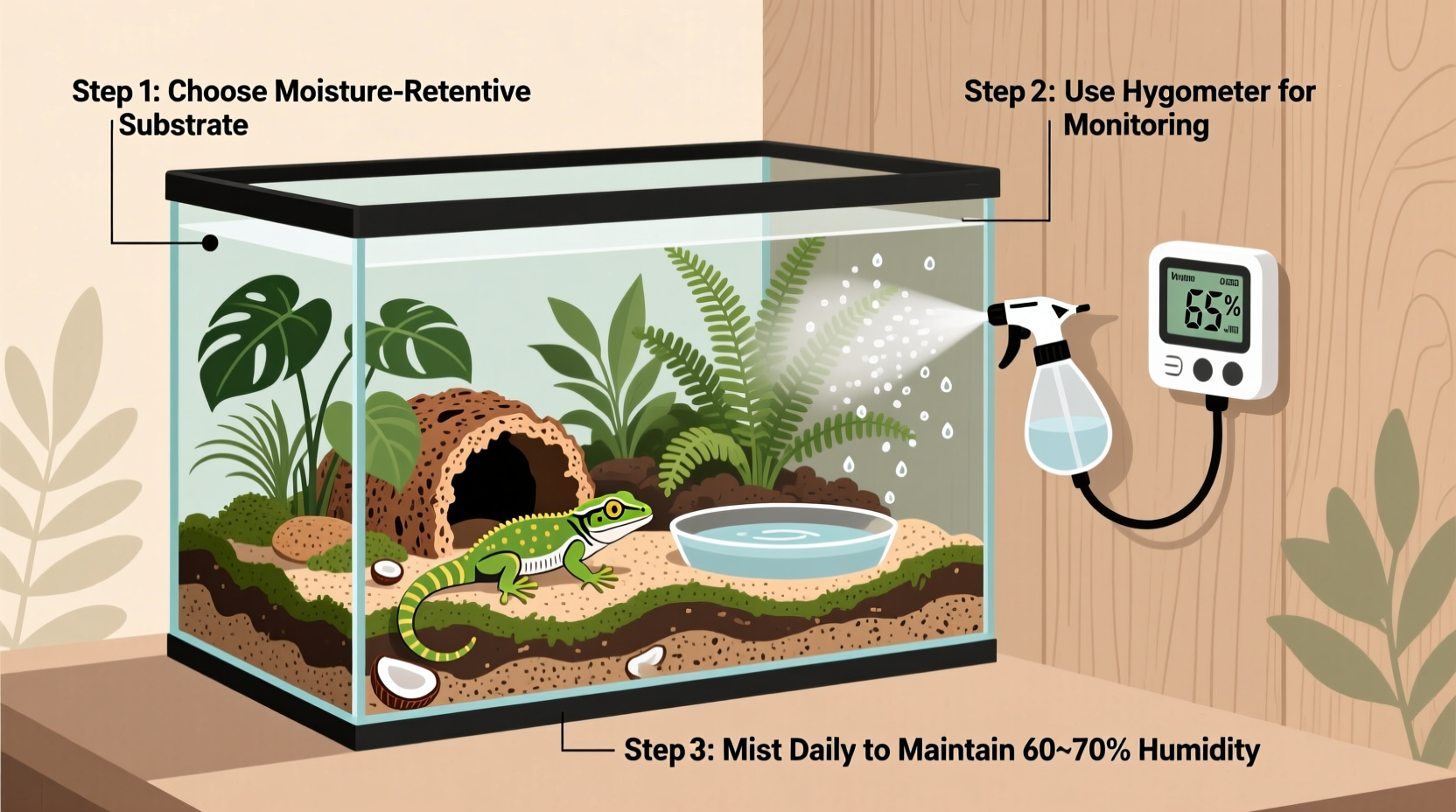
Humidity is the amount of moisture in the air, measured as relative humidity (RH) in percentages. Different reptile species have evolved to thrive in vastly different climates—from arid deserts to tropical rainforests. For example, a leopard gecko requires only 30–40% RH, while a green tree python may need sustained levels between 60–80%. Maintaining incorrect humidity can lead to dehydration, difficulty shedding (dysecdysis), or respiratory illness due to excessive dampness.
Before setting up any enclosure, research your reptile’s natural habitat. Species such as crested geckos, red-eyed tree frogs, and chameleons originate from humid environments and benefit from higher ambient moisture. In contrast, bearded dragons, uromastyx, and most tortoises come from dry regions and require low-humidity setups. Misalignment between a reptile’s biological needs and its enclosure conditions leads to chronic stress and shortened lifespan.
“Humidity isn’t a secondary factor—it’s part of the core environmental triad alongside temperature and lighting.” — Dr. Rebecca Thompson, Exotic Animal VeterinarianTip: Use a digital hygrometer placed at both ends of the terrarium to monitor humidity gradients accurately.
Step-by-Step Guide to Building a Humidity-Optimized Terrarium
A properly constructed terrarium balances moisture retention with adequate ventilation to prevent stagnant air and mold growth. Follow this sequence to create an effective setup tailored to your reptile’s needs.
- Determine the correct enclosure size and type. Glass aquariums with mesh lids are common, but PVC enclosures offer better humidity retention. Larger enclosures allow for microclimates—dry basking zones and moist hide areas.
- Select a suitable substrate. Moisture-retentive substrates like coconut fiber, sphagnum moss, or cypress mulch help maintain humidity. Avoid sand or paper towels for high-humidity species, as they don’t hold moisture well and may promote dry conditions.
- Install a reliable misting system. Manual misting works for small enclosures, but automated misters connected to a timer provide consistent moisture, especially beneficial for tropical species. Mist early morning and evening to mimic natural dew cycles.
- Add live plants. Plants such as pothos, bromeliads, and ferns increase ambient humidity through transpiration and provide cover. Ensure they are non-toxic and safe for reptiles.
- Create a humidity gradient. Position a warm basking lamp on one side and a moist hide on the cooler end. This allows reptiles to thermoregulate and hydrate as needed.
- Seal minor gaps if necessary. If humidity consistently drops too fast, use weather stripping around the lid edges—but never fully seal the enclosure, as airflow is essential.
- Monitor daily with calibrated tools. Digital hygrometers are more accurate than analog ones. Place one near the warm end and another near the cool, moist zone.
Do’s and Don’ts of Humidity Management
| Do’s | Don’ts |
|---|---|
| Mist regularly using dechlorinated water | Over-mist, leading to pooling water and bacterial growth |
| Use a hygrometer to track levels daily | Rely on guesswork or inconsistent measurement tools |
| Provide a moist hide filled with damp sphagnum moss | Allow the entire enclosure to remain constantly wet |
| Ventilate adequately to prevent mold | Block all airflow in attempts to raise humidity |
| Adjust humidity gradually when making changes | Suddenly shift from dry to saturated conditions |
Real Example: Setting Up for a Crested Gecko
Consider Mark, a first-time reptile owner who adopted a crested gecko. Native to the tropical forests of New Caledonia, these animals require 60–80% humidity. Initially, Mark used a standard glass tank with a mesh lid, paper towel substrate, and manual misting once per day. Within weeks, his gecko struggled to shed properly, leaving patches of retained skin around the toes and eyes—a sign of inadequate humidity.
After consulting a local herpetological society, Mark upgraded his setup. He replaced the substrate with a mix of coconut fiber and orchid bark, added a pair of live pothos plants, and installed a simple automatic misting system programmed for two 30-second bursts daily. He also placed a digital hygrometer inside and created a moist hide using a cork bark log lined with damp moss. Within ten days, shedding improved dramatically, and activity levels increased. The key was not just adding moisture, but creating a balanced, self-sustaining microclimate.
Tip: A moist hide is essential for many reptiles during shedding cycles—check and re-dampen the moss every 2–3 days.Essential Equipment Checklist
- Appropriate-sized terrarium with partial top ventilation
- Digital hygrometer (preferably with data logging)
- Moisture-retaining substrate (e.g., coconut coir, cypress mulch)
- Manual spray bottle or automated misting system
- Live or artificial plants to increase surface moisture retention
- Cork bark or commercial hides for shelter zones
- Dechlorinated or purified water for misting
- Optional: fogger or humidifier for large or demanding enclosures
- Thermometer to correlate temperature and humidity interactions
Advanced Tips for Consistent Humidity Control
While basic setups work for many hobbyists, advanced techniques can enhance stability and reduce daily maintenance. One method is using a “bioactive” terrarium, which incorporates a living soil layer with clean-up crews (isopods, springtails) that help break down waste and retain moisture naturally. These systems mimic natural ecosystems and often stabilize humidity more effectively than static substrates.
Foggers can add visual appeal and fine moisture but should be used cautiously. They produce tiny water particles that can settle on surfaces without increasing overall RH significantly. Overuse may lead to condensation buildup, promoting mold or respiratory issues. Pair foggers with timers and ensure they run only during designated periods, typically at night for nocturnal species.
Another strategy involves layering substrates: a drainage layer (hydro balls or gravel), a mesh barrier, then a mix of soil, peat, and leaf litter. This construction retains water below the surface while allowing the top layer to remain dry enough for movement and feeding, reducing the risk of bacterial or fungal overgrowth.
“The best reptile enclosures don’t just replicate nature—they function like it, with balanced inputs and outputs.” — Carlos Mendez, Herpetoculturalist & Enclosure Designer
Common Humidity Problems and Solutions
Problem: Humidity is too low despite daily misting.
This often occurs in dry climates or with overly ventilated enclosures. Solution: Switch to a more moisture-retentive substrate, partially cover ventilation panels, or install an automatic mister. Adding a water bowl under a heat source can also increase evaporation.
Problem: Constantly high humidity leading to mold.
Over-misting or poor airflow causes this. Solution: Reduce misting duration, increase ventilation slightly, remove any standing water, and clean affected areas with a diluted vinegar solution. Introduce springtails in bioactive setups to consume organic debris.
Problem: Fluctuating levels throughout the day.
Normal to some degree, but extreme swings are stressful. Use a data-logging hygrometer to identify patterns. Consider running a mister on a timer during morning and evening peaks when humidity typically drops.
Frequently Asked Questions
How often should I mist my reptile’s terrarium?
The frequency depends on the species and setup. Tropical reptiles often need misting twice daily—morning and evening. Desert species may only need light misting once a week or not at all. Always observe your hygrometer and adjust based on actual readings, not a fixed schedule.
Can I use tap water for misting?
It’s best to use dechlorinated or purified water. Tap water contains chlorine, chloramines, and minerals that can accumulate on glass, plants, and your reptile’s skin. Over time, these deposits may irritate sensitive tissues or disrupt hydration balance. A simple carbon filter or bottled spring water avoids these risks.
What should I do if my reptile isn’t shedding properly?
Incomplete shedding is often linked to low humidity. First, verify your hygrometer’s accuracy by testing it in a sealed bag with a damp sponge for a few hours—it should read above 90% RH. Then, increase moisture temporarily by placing a humid hide or soaking the reptile briefly in lukewarm water. Address underlying issues like nutrition and hydration concurrently.
Final Thoughts and Next Steps
Setting up a reptile terrarium with proper humidity levels is not a one-time task but an ongoing process of observation, adjustment, and refinement. The goal is to create a dynamic environment that supports natural behaviors and physiological needs. By combining accurate equipment, species-appropriate materials, and consistent monitoring, you lay the foundation for a thriving reptile companion.
Start by auditing your current setup: Is your hygrometer accurate? Does your substrate support moisture retention? Are there designated humid and dry zones? Small improvements can yield significant benefits in health and longevity.
💬 Have you successfully optimized humidity for your reptile? Share your experience, challenges, or questions in the comments—your insights could help fellow keepers build better homes for their scaly friends.








