Home bars are more than decor—they’re social hubs, personal sanctuaries, and expressions of taste. But for pet owners, they’re also potential hazard zones. A single spilled glass of wine, an open bottle of rubbing alcohol tucked behind the shaker, or a loose bottle cap swallowed during play can trigger emergencies ranging from mild gastrointestinal upset to life-threatening toxicity. According to the ASPCA Animal Poison Control Center, household liquids—including alcohol, essential oils, and cleaning agents commonly stored near bars—are among the top five categories of pet poisonings reported annually. Yet most home bar setups prioritize aesthetics over animal safety. This isn’t about sacrificing style or convenience—it’s about integrating thoughtful, evidence-based safeguards that protect curious paws, whiskers, and noses without compromising your ability to host, unwind, or enjoy a well-crafted drink.
Why Your Home Bar Needs Pet-Specific Safety Planning
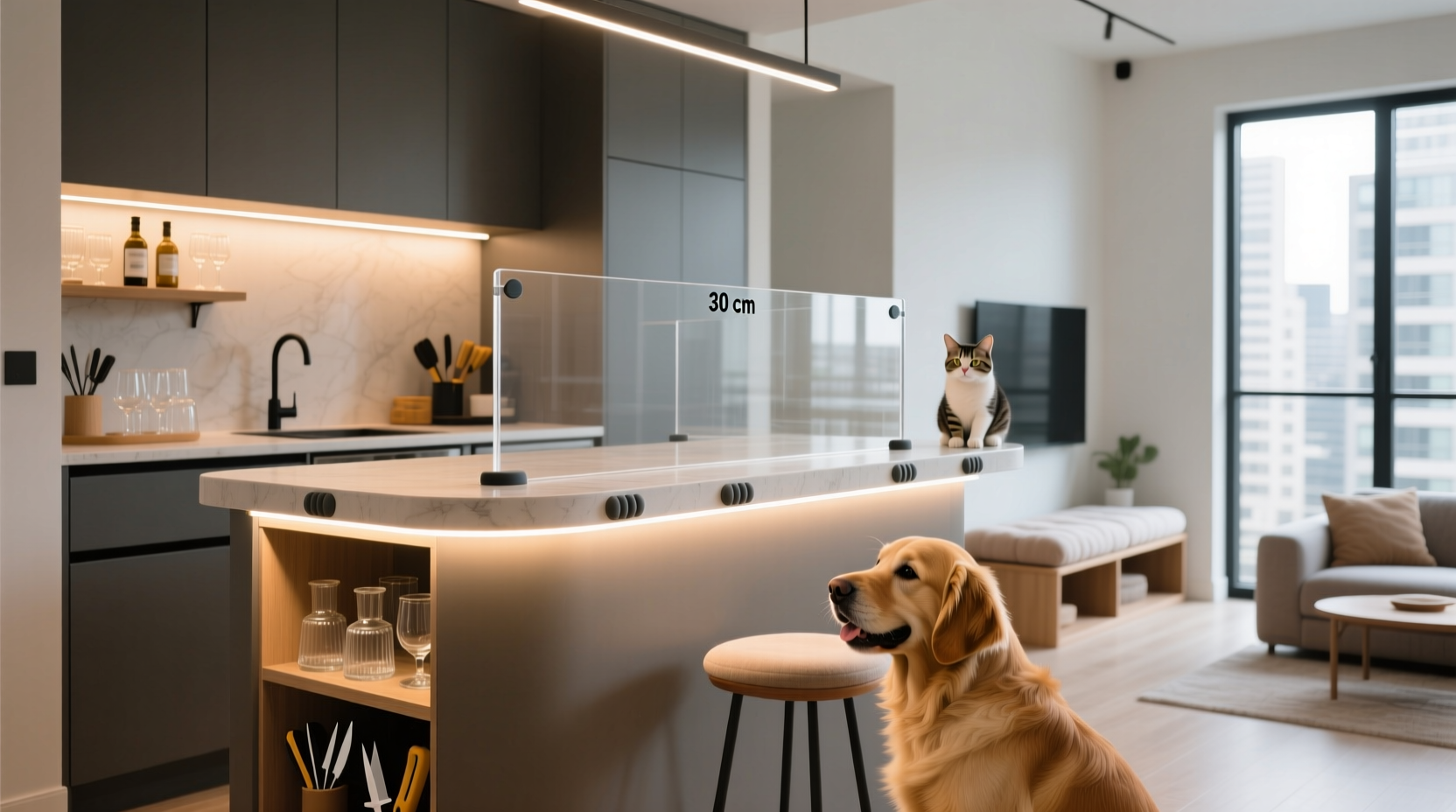
Unlike kitchens or bathrooms—spaces where pet-proofing is often instinctive—the home bar tends to fly under the radar in household safety audits. It’s typically compact, elevated, and visually appealing, which makes it inherently attractive to pets: cats leap onto countertops drawn by movement and scent; dogs investigate low cabinets when doors swing open; puppies chew anything within reach, especially objects with residual sweetness or saltiness (like dried citrus rinds or sugar cubes). More critically, many bar staples pose disproportionate risks due to concentration and bioavailability:
- Alcohol: As little as 0.5 ml/kg of pure ethanol can cause depression, vomiting, and respiratory distress in dogs. Even small sips of cocktails containing high-proof spirits (e.g., whiskey, rum, or liqueurs) may induce hypoglycemia or metabolic acidosis.
- Grapes & Raisins: Often used as garnishes or infused in syrups, these contain unknown nephrotoxic compounds that can trigger acute kidney failure in dogs—even in trace amounts.
- Xylitol: Found in many “sugar-free” mixers, gum, and certain cocktail bitters, this sweetener triggers rapid insulin release in dogs, leading to seizures and liver necrosis within 30 minutes.
- Essential Oils & Extracts: Highly concentrated citrus, tea tree, peppermint, and eucalyptus oils—common in homemade shrubs, tinctures, or diffusers placed near bars—can cause aspiration pneumonia, tremors, or liver damage if inhaled or ingested.
- Small Objects: Bottle caps, stirrers, skewers, and broken glass shards present choking, intestinal perforation, or laceration risks—especially for smaller breeds and kittens.
This isn’t hypothetical risk management. It’s clinical reality backed by veterinary toxicology data—and it’s entirely preventable with intentional design.
Step-by-Step: Building Your Pet-Safe Bar Zone (in Under 90 Minutes)
Creating a truly safe bar environment doesn’t require gutting your setup. Follow this actionable, room-by-room sequence—designed for real homes, not showrooms:
- Assess & Audit: Spend 10 minutes walking around your current bar area. Note every item within 48 inches of the floor (including under counters, inside open shelves, and on ledges). Circle anything ingestible, volatile, sharp, or easily knocked over.
- Elevate & Enclose: Move all bottles, decanters, syrups, garnish jars, and tools to shelves at least 54 inches above the floor—or install cabinet doors with childproof latches rated for pets (look for “pet-resistant” models tested against paw pressure and chewing).
- Secure Surfaces: Use non-slip silicone mats under glassware and shakers. Anchor freestanding bar carts to wall studs using furniture straps (not just brackets)—a 2023 study in Veterinary Emergency and Critical Care found tip-over injuries accounted for 12% of bar-related ER visits in multi-pet households.
- Redesign Storage Logic: Store high-risk items *behind* low-risk ones: place cocktail bitters (xylitol-containing) behind unopened soda water; keep infused vinegars behind ceramic mugs. Never store food-grade items (e.g., honey, maple syrup, fruit purées) next to cleaners or solvents—even if labeled “natural.”
- Install Visual Cues & Boundaries: Place a low-profile, textured rug (e.g., woven jute or rubber-backed cotton) directly in front of the bar to signal “off-limits” territory. Pair it with consistent verbal cues (“bar space”) and positive reinforcement when pets choose alternate resting spots nearby.
Pet-Safe vs. Unsafe Bar Essentials: A Practical Comparison
Not all bar ingredients are created equal—and substitution doesn’t mean compromise. This table identifies common items, their risks, and vet-vetted alternatives you can use immediately:
| Item | Pet Risk | Safer Alternative | Notes |
|---|---|---|---|
| Citrus peels (lemon/lime) | Photosensitization, GI upset in dogs/cats | Cucumber ribbons or edible orchid blossoms | Non-toxic, visually crisp, zero essential oil volatility |
| Xylitol-sweetened simple syrup | Rapid hypoglycemia, possible liver failure | Organic cane sugar syrup (1:1 ratio) | Avoid honey for puppies/kittens (botulism spore risk) |
| Tea tree–infused bitters | Neurological depression, ataxia, lethargy | Angostura or house-made gentian root bitters | Gentian is bitter but non-toxic and digestive-supportive |
| Glass stirrers / swizzle sticks | Choking, esophageal puncture | Maple wood or stainless steel reusable stirrers | Smooth, splinter-free finish; dishwasher-safe |
| Open bottle of isopropyl alcohol (for glass cleaning) | Severe CNS depression, coma | Vinegar-water (1:1) + microfiber cloth | Effective streak-free cleaning; non-toxic and biodegradable |
A Real Example: How Maya Prevented Two Emergencies in One Month
Maya, a veterinary technician in Portland and owner of two rescue terriers (Luna, 4 years; Pip, 10 months), redesigned her mid-century bar cart after back-to-back incidents. First, Pip snatched a discarded cherry from a Manhattan glass left on a low shelf—unaware it had been soaked in brandy and maraschino syrup laced with xylitol. He vomited twice, became disoriented, and required IV dextrose at her clinic. Two weeks later, Luna nudged the cart while chasing a dropped olive, tipping over a half-full bottle of lavender-infused gin. Though she didn’t drink it, she licked spilled liquid off her paws and developed tremors within the hour.
Maya didn’t remove the cart. Instead, she anchored it to the wall, installed magnetic cabinet locks on its lower drawer (where she’d stored bitters and garnishes), replaced all citrus garnishes with dehydrated apple chips (oven-baked, unsweetened), and began storing her cleaning spray in a locked utility closet—not behind the bar. She also trained both dogs using clicker-based “leave-it” drills centered on bar proximity, rewarding calm behavior 3 feet away from the cart. Within three weeks, both dogs consistently chose their designated dog bed beside the cart instead of investigating it. “It wasn’t about restricting my space,” she says. “It was about redesigning boundaries so our routines could coexist—safely and respectfully.”
Expert Insight: What Veterinarians Wish Every Pet Owner Knew
“People assume ‘low toxicity’ means ‘safe for pets.’ That’s dangerously misleading. A substance like ethanol has no safe threshold for dogs—it’s dose-dependent, yes, but metabolism varies wildly by breed, weight, and even gut microbiome. The safest bar is one where the only thing accessible to pets is clean water—and that includes what’s *under* the counter, not just on top.” — Dr. Lena Torres, DVM, DACVECC, Director of Toxicology Services at the University of Illinois Veterinary Teaching Hospital
Dr. Torres emphasizes that prevention isn’t just physical—it’s behavioral. “If your dog associates the bar with treats or attention, they’ll seek it out. Redirect that association: give them a frozen KONG *away* from the bar during cocktail hour. Make ‘no access’ predictable—not punitive.”
Pet-Safe Bar Setup Checklist
Use this before-and-after checklist to verify your bar zone meets minimum safety standards. Tick each box only when verified—not assumed:
- ✅ All bottles, decanters, and open containers are stored ≥54 inches above floor level OR secured behind latched cabinets
- ✅ No xylitol-containing products (bitters, syrups, gum, breath mints) are stored within 6 feet of pet-accessible zones
- ✅ All glassware, shakers, and tools rest on non-slip surfaces—and nothing overhangs cabinet edges
- ✅ Cleaning supplies (glass sprays, polish, sanitizers) are stored in a separate, locked location—not under the bar or in open baskets
- ✅ Garnish containers are sealed with child/pet-proof lids (tested: press down firmly and shake—no pop or leak)
- ✅ There is no standing water in sinks, buckets, or ice bins longer than 30 minutes (mosquito breeding + drowning risk)
- ✅ Electrical cords for blenders, lights, or coolers are fully enclosed in cord covers or routed behind furniture—not draped across floors
Frequently Asked Questions
Can I still use essential oil diffusers near my bar if my pet isn’t in the room?
No. Volatile organic compounds from diffused oils linger in carpets, upholstery, and air ducts for hours—even after the device is off. Cats, in particular, lack glucuronidation enzymes needed to metabolize phenols and terpenes, making them uniquely vulnerable to inhalational toxicity. If you wish to diffuse, do so in a separate, well-ventilated room with closed doors and HVAC dampers shut—and never in spaces sharing airflow with pet sleeping or eating areas.
My cat loves sitting on the bar top. Is that safe if everything’s put away?
Not necessarily. Even “empty” bar surfaces pose risks: residual ethanol from wiped glasses, microscopic citrus oil films, or static-charged dust that attracts grooming. More importantly, repeated jumping increases feline joint stress and fall risk—especially on polished wood or marble. Provide an equally elevated, cushioned perch (e.g., a wide windowsill platform with memory foam) directly adjacent to the bar, and reward use of that space exclusively.
What should I do if my pet ingests something from the bar?
Do not induce vomiting unless directed by a veterinarian or ASPCA Poison Control. Some substances (e.g., caustics, petroleum distillates, or sharp objects) cause more harm coming back up. Immediately remove your pet from the area, note the substance, amount, and time of ingestion—and call ASPCA Poison Control (888-426-4435) or your local emergency vet. Have your pet’s weight, species, and any pre-existing conditions ready. Keep the original container for identification.
Conclusion: Where Safety and Sophistication Meet
A pet-safe home bar isn’t a compromise—it’s a refinement. It reflects deeper intentionality: honoring your love for craft beverages while honoring the lives that share your home. You don’t need to eliminate your favorite amaro, stop hosting friends, or hide your collection behind opaque doors. You simply need to align design with biology, habit with vigilance, and aesthetics with accountability. Every secured cabinet, every swapped garnish, every anchored cart is a quiet act of care—not just for your pets, but for your peace of mind. Start tonight. Pick one step from the checklist. Test one safer alternative in your next cocktail. Notice how much calmer your evening feels when you’re not scanning the floor for stray bottle caps or holding your breath as your dog walks past the counter. That ease? That’s the real signature serve.
💬 Your experience matters. Did a pet-safe swap transform your bar routine? Share your best tip, biggest lesson, or favorite non-toxic garnish in the comments—we’ll feature reader-tested ideas in our next update.








