As temperatures drop, many dog owners face a growing concern: keeping their pets warm, dry, and comfortable during winter walks. While some dogs are built for cold climates, others—especially small breeds, short-haired dogs, or senior animals—can struggle in chilly weather. The right dog clothing isn’t just about fashion; it’s a functional necessity that provides insulation, wind resistance, and moisture protection. Choosing the perfect warm dog clothes requires more than picking a cute design—it demands attention to fit, fabric, climate conditions, and your dog’s behavior. This guide breaks down every critical factor so you can make an informed, practical decision that keeps your dog safe and cozy all winter long.
Understand Your Dog’s Cold Weather Needs
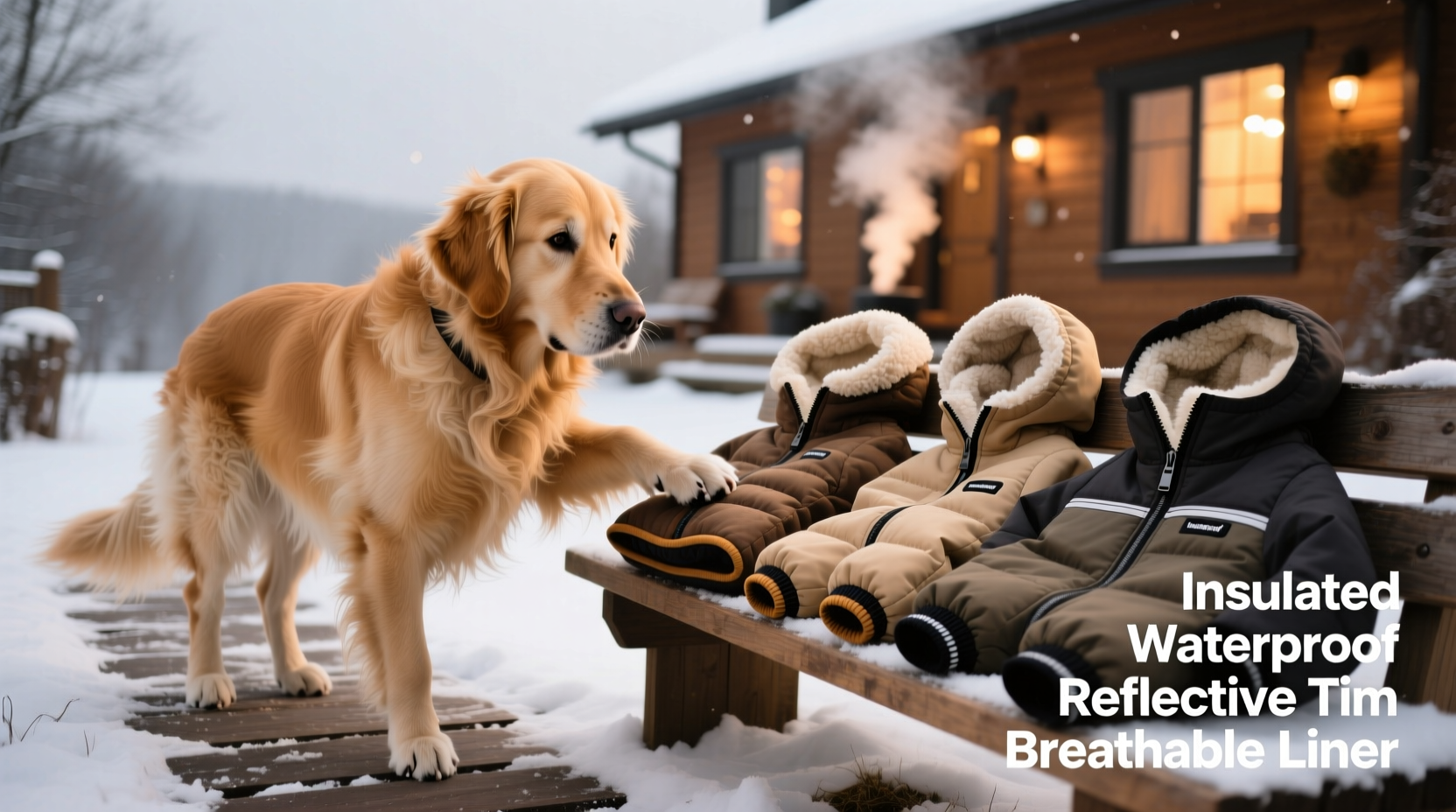
Dogs vary widely in their tolerance to cold. Breeds like Huskies or Malamutes have thick double coats designed for subzero temperatures, while Chihuahuas, Greyhounds, or Dachshunds lose body heat quickly. Age, health, and activity level also play major roles. Older dogs with arthritis often feel cold more acutely, and puppies may not regulate temperature as efficiently.
The general rule: if you're wearing a coat, your dog likely needs one too—especially if they spend more than 10–15 minutes outdoors. Signs your dog is cold include shivering, lifting paws, reluctance to walk, or hunching their back. These cues should prompt immediate action, including bringing them inside and evaluating their winter gear.
“Not every dog needs a sweater, but for those that do, proper insulation can prevent hypothermia and reduce strain on the cardiovascular system.” — Dr. Lena Torres, Veterinary Behaviorist
Key Features of Effective Winter Dog Clothing
The best dog clothes combine warmth, mobility, and durability. Look for these essential features when shopping:
- Insulating materials: Fleece, wool blends, and thermal synthetics trap heat without adding bulk.
- Water resistance: A waterproof or water-repellent outer layer prevents snow and slush from soaking through.
- Full coverage: Jackets that extend from neck to tail offer better protection than vests or partial garments.
- Secure fit: Adjustable straps or Velcro closures ensure the garment stays in place without restricting movement.
- Easy on/off design: Look for front-loading or side-zip styles that don’t require pulling over the head, which can stress anxious dogs.
Step-by-Step Guide to Choosing the Right Fit
Finding the correct size is crucial. Ill-fitting clothes can chafe, slip off, or restrict motion. Follow this five-step process to get it right:
- Measure your dog accurately: Use a soft tape measure to record three key dimensions:
- Neck girth: Around the base of the neck where the collar sits.
- Chest girth: Behind the front legs at the widest part of the ribcage.
- Back length: From the base of the neck (where the collar starts) to the base of the tail.
- Check brand-specific sizing charts: Sizes vary significantly between manufacturers. Always refer to the exact chart for the product you’re considering.
- Account for breed shape: Long-backed dogs (like Corgis) need longer cuts, while deep-chested breeds (like Boxers) may need wider chest measurements.
- Allow room for layering: If your dog wears a harness underneath, size up slightly to avoid tightness.
- Test before extended use: Let your dog wear the garment indoors first. Watch for signs of discomfort, such as scratching, biting at seams, or reluctance to move.
Material Comparison: What Works Best in Winter?
Not all fabrics perform equally in cold, wet conditions. Here’s a breakdown of common materials used in dog winter wear:
| Material | Warmth Level | Water Resistance | Breathability | Best For |
|---|---|---|---|---|
| Polar Fleece | High | Moderate (absorbs moisture) | Excellent | Indoor/outdoor layering |
| Wool Blend | High | Good (naturally water-resistant) | Very Good | Dogs with sensitive skin |
| Thinsulate™ | Very High | Excellent (synthetic insulation) | Good | Extreme cold or snowy areas |
| Nylon Shell + Fleece Lining | High | Excellent | Moderate | Rainy/snowy climates |
| Cotton | Low | Poor (retains water) | Excellent | Indoor use only |
For most urban or suburban environments with mixed weather, a nylon-shell jacket with fleece lining offers the best balance of warmth, protection, and ease of cleaning.
Real-World Example: Keeping a Senior Dachshund Warm in Chicago Winters
Maggie, a 12-year-old Dachshund from Chicago, began showing stiffness and hesitation during winter walks. Her owner noticed her shivering after just five minutes outside, even with a light sweater. After consulting her vet, they learned Maggie’s low body fat and age-related joint issues made her vulnerable to cold stress.
The solution? A waterproof, full-length jacket with Thinsulate™ insulation and a high neck. The jacket fastened with side Velcro straps, allowing Maggie to wear her harness underneath. Within days, her mobility improved, and she resumed her regular walking routine. The owner also added indoor heated bedding, creating a complete thermal support system.
This case highlights how targeted clothing choices can dramatically improve quality of life for at-risk dogs during winter months.
Checklist: How to Select the Perfect Winter Dog Coat
Before purchasing, go through this checklist to ensure you’re making the best choice:
- ✅ Measured your dog’s neck, chest, and back length
- ✅ Checked the brand’s size chart (not relying on generic S/M/L)
- ✅ Confirmed the material provides both warmth and water resistance
- ✅ Ensured full coverage from shoulders to tail base
- ✅ Verified compatibility with your dog’s harness or leash setup
- ✅ Selected a style that allows easy bathroom breaks (openings for rear legs)
- ✅ Opted for machine-washable fabric for easy maintenance
- ✅ Tested the garment indoors before outdoor use
Frequently Asked Questions
Can dogs overheat in winter clothes?
Yes. Overdressing is a real risk, especially during active walks or in heated homes. If your dog is panting, restless, or avoiding lying down, remove the garment. Monitor closely and adjust based on activity level and indoor temperatures.
Should I dress my dog in layers?
Layering can work, but only if each piece is thin and non-restrictive. A base layer of soft thermal fabric under a lightweight shell jacket is effective in extreme cold. Avoid bulky combinations that hinder movement or cause overheating.
How do I clean dog winter clothes?
Most quality dog jackets are machine washable on a gentle cycle with mild detergent. Always air dry—avoid dryers, as heat can damage elastic bands, zippers, and insulation. Check care labels carefully, especially for wool or specialty fabrics.
Final Thoughts: Comfort, Safety, and Confidence Go Hand-in-Paw
Selecting the perfect warm dog clothes isn’t about following trends—it’s about understanding your pet’s individual needs and the environmental challenges they face. The right garment provides more than warmth; it supports joint health, reduces anxiety, and enables continued outdoor activity during the coldest months. By focusing on accurate sizing, high-performance materials, and real-world usability, you give your dog the gift of comfort and freedom, even in freezing weather.
💬 Have a favorite winter dog jacket brand or tip? Share your experience in the comments to help fellow pet owners keep their furry friends warm and happy!








