Dressing up dogs has become increasingly popular, from seasonal sweaters to Halloween costumes. While pet fashion can be fun and functional, not all outfits are created equal. Ill-fitting or poorly designed clothing can restrict movement, cause discomfort, or even pose health risks. Selecting the right outfit involves more than just aesthetics—it requires careful consideration of fit, fabric, purpose, and your dog’s temperament. This guide provides actionable insights to help you make informed choices that prioritize your dog’s comfort and safety without sacrificing style.
Understanding Why Pet Clothing Matters
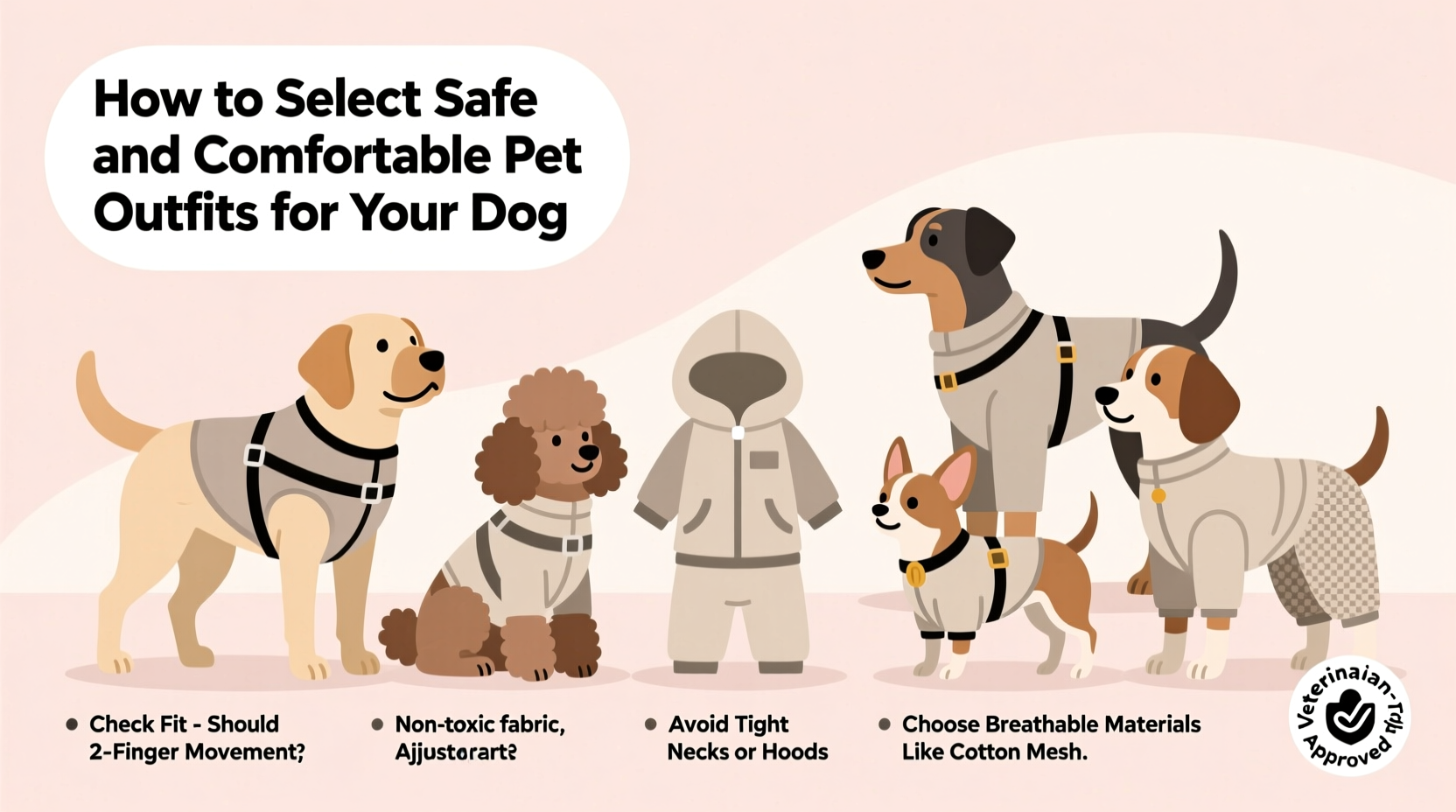
Dogs don’t need clothes for warmth or protection in most cases, but certain breeds and situations benefit from appropriate apparel. Small breeds, short-haired dogs, and senior pets often struggle with temperature regulation in cold weather. Similarly, dogs with medical conditions such as arthritis may benefit from supportive garments. Outdoor activities in extreme climates, whether snowy winters or scorching summers, also justify thoughtful use of pet attire.
The key is ensuring that any clothing serves a clear purpose—be it thermal regulation, UV protection, post-surgery recovery support, or allergy management—and doesn’t compromise mobility or behavior.
Tip: If your dog shivers, lifts paws frequently, or seeks shelter in cold weather, a coat may be necessary. Watch for signs of overheating in summer—excessive panting, lethargy, reluctance to move.Key Factors in Choosing Safe and Comfortable Dog Outfits
Selecting the right outfit goes beyond size charts and cute designs. Consider these critical factors before making a purchase:
- Fabric Quality: Opt for breathable, hypoallergenic materials like cotton, fleece, or bamboo blends. Avoid synthetic fabrics that trap heat or cause irritation.
- Fit and Mobility: The garment should allow full range of motion. Your dog must be able to sit, lie down, run, and relieve themselves without restriction.
- Closure Type: Velcro, snaps, and elastic bands vary in security and comfort. Ensure closures don’t pinch skin or catch fur. Adjustable straps offer better customization.
- Design Simplicity: Overly decorative pieces with dangling elements increase choking hazards. Avoid loose ribbons, buttons, or sequins that can be chewed or swallowed.
- Purpose Alignment: Match the outfit to its intended use—thermal insulation, rain protection, sun shielding, or modesty during recovery.
“Clothing should enhance a dog’s quality of life, not create stress. If your pet shows anxiety or tries to remove the garment repeatedly, it’s likely not suitable.” — Dr. Lena Torres, Veterinary Behaviorist
Step-by-Step Guide to Fitting Your Dog Properly
A well-fitted outfit prevents chafing, slipping, and restricted breathing. Follow this process to ensure accuracy:
- Measure Your Dog: Use a soft tape measure to record:
- Neck girth – where the collar sits
- Chest girth – behind front legs, at widest point
- Back length – base of neck to base of tail
- Check Brand Sizing Charts: Sizes vary widely between manufacturers. Always refer to specific brand guidelines rather than assuming small/medium/large standards.
- Try It On at Home: Allow your dog time to adjust. Observe movement, posture, and behavior over 10–15 minutes.
- Assess Fit Indicators:
- You should fit two fingers comfortably under neck and chest openings.
- No pulling on shoulders or hips.
- Seams do not rub against armpits or groin.
- Monitor During Use: Remove the outfit after 2–3 hours initially. Check for redness, sweating, or agitation.
Do’s and Don’ts When Dressing Your Dog
| Do’s | Don’ts |
|---|---|
| Choose machine-washable fabrics for easy cleaning | Leave clothing on overnight or unsupervised |
| Introduce garments gradually using positive reinforcement | Force a nervous dog to wear something they resist |
| Trim excess hair around leg holes to prevent bunching | Use human clothing not designed for canine anatomy |
| Inspect seams and stitching monthly for wear | Ignore signs of discomfort like scratching or biting at fabric |
| Select reflective strips for visibility during evening walks | Allow outdoor wear in hot, humid conditions unless specifically cooling |
Real-Life Example: Managing Winter Exposure in a Chihuahua
Sophie, a 4-year-old Chihuahua living in Chicago, struggled during winter walks. Despite her owner bundling her in a hand-knitted sweater, Sophie would tremble, refuse to walk, and tuck her tail tightly. A vet visit ruled out medical issues, but the veterinarian suggested evaluating the sweater’s fit and material.
Upon closer inspection, the sweater was too tight across the chest and made of coarse wool that irritated her skin. Switching to a lightweight, high-neck fleece jacket with adjustable Velcro straps significantly improved Sophie’s comfort. Within days, she resumed normal walking behavior, even pausing to sniff and socialize. The change wasn’t about adding more layers—it was about selecting one well-designed, properly fitted garment.
Essential Checklist Before Buying Any Dog Outfit
Checklist: Use this before every purchase:- ✅ Measured my dog’s neck, chest, and back length
- ✅ Confirmed sizing with brand-specific chart
- ✅ Verified fabric is breathable and non-irritating
- ✅ Checked for secure but gentle closures
- ✅ Ensured unrestricted movement when worn
- ✅ Inspected for loose parts or choking hazards
- ✅ Introduced slowly with treats and praise
Frequently Asked Questions
Can dogs overheat in winter coats?
Yes. Even in cold weather, active dogs generate body heat. A thick coat on a healthy medium-to-large breed during brisk exercise can lead to overheating. Remove the garment indoors immediately and monitor for excessive panting or fatigue.
How long should my dog wear clothes?
Limit continuous wear to 2–4 hours, especially for first-time use. Never leave clothing on while sleeping or unattended. Extended use can cause pressure sores, moisture buildup, or behavioral stress.
Are there dog breeds that should never wear clothes?
Dogs with brachycephalic syndrome (e.g., Bulldogs, Pugs) are at higher risk of respiratory distress when wearing restrictive garments. Thick-necked or anxious breeds may also find clothing intolerable. Always consult your vet if unsure.
Final Thoughts: Prioritize Comfort Over Cuteness
Fashion trends come and go, but your dog’s well-being is constant. The safest and most comfortable pet outfits are those that disappear into daily life—so well-fitted and familiar that your dog forgets they’re wearing anything at all. Whether you're preparing for winter walks, managing a medical condition, or simply enjoying a themed photo session, always anchor your choices in function, safety, and respect for your pet’s natural behavior.
💬 Your dog’s comfort starts with informed choices. Share your experiences, ask questions, or recommend trusted brands in the comments below—help fellow pet owners dress their dogs wisely!








