
Matte phone cases are prized for their sleek, non-reflective finish and soft-touch feel. However, when stickers or decals are removed, they often leave behind a stubborn film of adhesive that dulls the surface or creates an uneven texture. The challenge lies in removing this residue without compromising the delicate matte coating—a task that requires precision, patience, and the right tools. Unlike glossy cases, matte finishes are more prone to scratching and chemical damage, making aggressive cleaning methods risky. This guide provides a comprehensive approach to safely lifting adhesive residue while preserving the integrity of your case’s surface.
Why Matte Finishes Are Sensitive
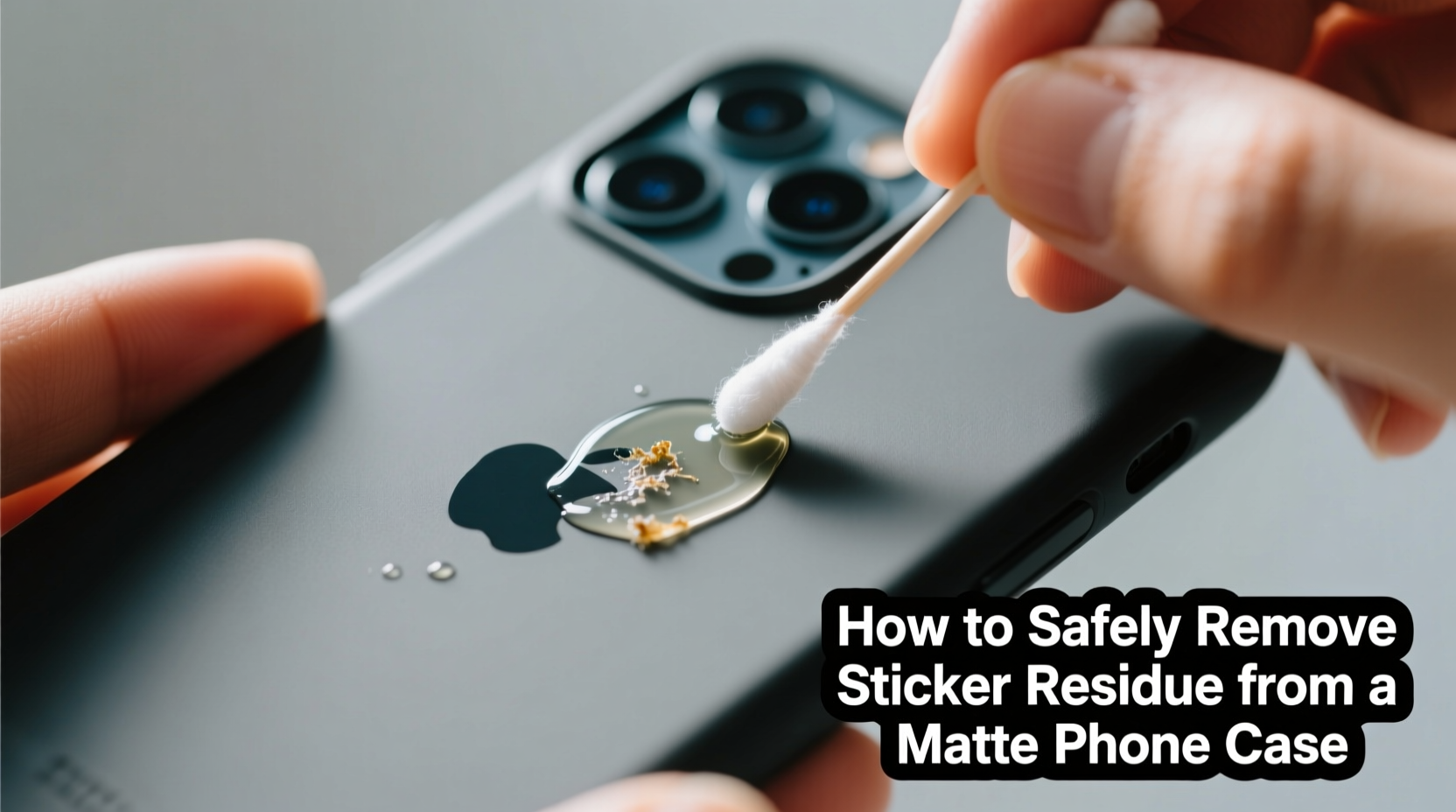
The appeal of a matte phone case comes from its micro-textured surface, which diffuses light and resists fingerprints. This texture is typically achieved through a specialized coating applied during manufacturing. While durable under normal use, this coating can be degraded by abrasive materials, solvents like acetone, or excessive friction. Once damaged, the matte finish may develop shiny spots, become sticky again, or peel—issues that are irreversible. Residue left behind by stickers contains oils and polymers that bond with both the sticker backing and the case surface. Over time, exposure to heat, sunlight, or pressure can make this bond stronger, increasing the difficulty of removal.
Understanding the chemistry involved helps in choosing the safest method. Most sticker adhesives are pressure-sensitive, meaning they adhere strongly upon contact but can be softened with mild solvents or heat. The goal is to dissolve or loosen the adhesive just enough to wipe it away without affecting the underlying material.
Tip: Always test any cleaning solution on a small, inconspicuous area of the case first to ensure it doesn’t alter the finish.Step-by-Step Guide to Safe Residue Removal
Removing sticker residue from a matte phone case doesn’t require harsh chemicals or scrubbing. A methodical, gentle process yields the best results. Follow these steps carefully to avoid damage:
- Remove the Sticker Gently: If the sticker is still partially attached, slowly peel it back at a 180-degree angle (flat against the surface). Pulling upward increases the chance of tearing and leaving more residue.
- Wipe with Isopropyl Alcohol (70%): Dampen a microfiber cloth with 70% isopropyl alcohol—never apply directly to the case. Gently rub the sticky area in small circular motions. The alcohol breaks down many common adhesives without harming most plastic coatings.
- Use a Plastic Scraper if Needed: For thicker residue, use a clean credit card edge or a dedicated plastic phone tool to lightly lift the film. Apply minimal pressure and move in one direction only.
- Apply Heat with Caution: Use a hairdryer on low heat, held 6–8 inches away, for 10–15 seconds. Warm adhesive becomes easier to wipe. Do not overheat, as this can warp thin cases or blister coatings.
- Clean and Dry Thoroughly: After residue removal, wipe the entire case with a dry microfiber cloth to restore even texture. Let it air-dry completely before reattaching to your phone.
This sequence minimizes risk while maximizing effectiveness. Skipping steps or rushing the process can lead to smearing residue over a larger area or introducing fine scratches.
Do’s and Don’ts: What Works and What Doesn’t
Not all household cleaners are safe for matte surfaces. Some popular remedies can do more harm than good. The table below outlines recommended practices versus those to avoid.
| Do’s | Don’ts |
|---|---|
| Use 70% isopropyl alcohol on a cloth | Use acetone, nail polish remover, or paint thinner |
| Apply gentle pressure with a plastic tool | Scrub with paper towels or rough sponges |
| Test solutions on hidden areas first | Soak the case in liquid for extended periods |
| Use warm (not hot) water for rinsing | Expose to direct sunlight or high heat |
| Dry with a lint-free microfiber cloth | Use adhesive tapes to “lift” residue (can strip coating) |
Adhering to the “Do’s” column significantly reduces the risk of permanent surface damage. Acetone, for example, is known to dissolve many plastics and will almost certainly ruin a matte finish by creating glossy patches.
Alternative Methods for Stubborn Residue
If standard alcohol wipes don’t fully remove the residue, consider these alternative approaches—each suited to different levels of stickiness and user comfort with DIY solutions.
- Olive Oil or Coconut Oil: Apply a tiny drop to a cotton swab and dab onto the residue. Let sit for 2–3 minutes. The oil penetrates and softens the adhesive. Wipe clean with a dry cloth afterward. Be cautious—excess oil can attract dust.
- Commercial Adhesive Removers (Safe Formulas): Products like Goo Gone Original (not the spray gel variant) can work, but must be diluted and used sparingly. Apply to a cloth, not the case, and wipe immediately after residue lifts.
- Baking Soda Paste: Mix a small amount of baking soda with water to form a thick paste. Gently rub with a soft cloth using minimal pressure. Rinse thoroughly. Avoid if the case has textured grooves where paste can lodge.
- WD-40 (Extreme Caution): Not recommended for most users, but some report success with a barely dampened cloth. Must be followed by immediate cleaning with soapy water and alcohol to remove oily residue. Risk of discoloration is high.
These alternatives should be considered only after simpler methods fail. Each introduces new variables—oil can leave a sheen, abrasives may scratch—and none are universally safe across all matte case brands.
Tip: Work in a well-lit area to monitor progress and detect any changes in surface texture early.Real Example: Removing a Gym Sticker from a Matte Black Case
Sophie, a fitness instructor in Portland, regularly wore her matte black silicone phone case to the gym. She placed a motivational vinyl sticker on the back, but after three months, decided to remove it. Upon peeling, she noticed a cloudy, sticky patch where the sticker had been. Using a YouTube tutorial, she initially tried rubbing alcohol on a paper towel. The residue smeared, and the area developed a slightly shiny spot—likely from fibers in the towel.
She paused, researched further, and switched tactics. She dampened a microfiber cloth with 70% isopropyl alcohol and gently rubbed in one direction. After two minutes, the film began to ball up. She used the edge of an old gift card to nudge the clumps off. Finally, she wiped the entire back with a dry portion of the cloth. The finish wasn’t perfectly uniform, but the shine diminished after 24 hours as the oils settled. Sophie now keeps a small cleaning kit with alcohol wipes and a microfiber square specifically for her electronics.
This scenario illustrates how easily mistakes happen—even with seemingly safe products—and why technique matters as much as the cleaner itself.
Expert Insight on Surface Preservation
“Many consumers don’t realize that matte coatings are often sacrificial layers designed to wear over time. Aggressive cleaning accelerates that wear. The key is using agents that target adhesive chemistry without attacking polymer surfaces.” — Dr. Alan Reyes, Materials Scientist at TechGuard Coatings Lab
Dr. Reyes emphasizes that consumer-grade phone cases use cost-effective coatings that aren’t lab-grade durable. His team has tested over 40 cleaning agents on matte polycarbonate and TPU surfaces. Their findings confirm that isopropyl alcohol at concentrations between 60% and 80% removes most residues with minimal degradation—provided application is indirect and wiping is gentle. Solvents like ethanol or methanol showed higher rates of surface gloss increase, indicating coating breakdown.
Checklist: Safe Residue Removal Process
Before starting, gather these items and follow this checklist to ensure a safe and effective cleanup:
- ✅ Microfiber cleaning cloth (lint-free)
- ✅ 70% isopropyl alcohol
- ✅ Cotton swabs or soft-bristled toothbrush (optional)
- ✅ Plastic scraper or old credit card
- ✅ Hairdryer (low heat setting)
- ✅ Mild dish soap and water (for final rinse if needed)
- ✅ Well-ventilated workspace with good lighting
- ✅ Test area on case edge or inside corner
Following this checklist ensures you’re prepared to act efficiently and minimize trial-and-error, which reduces the chance of accidental damage.
Frequently Asked Questions
Can I use baby wipes to remove sticker residue?
No. Most baby wipes contain moisturizers, fragrances, and mild surfactants that can leave behind a waxy film or degrade matte coatings over time. They also often include citric acid or alcohol at unknown concentrations, increasing the risk of finish damage. Stick to controlled applications of 70% isopropyl alcohol instead.
Will vinegar harm my matte phone case?
Vinegar is mildly acidic and can be too harsh for coated surfaces. While it may break down some adhesives, it risks etching or dulling the matte layer, especially with repeated use. It’s also slower-acting than alcohol and leaves a strong odor. It’s not recommended for modern phone accessories.
What if the residue turns the case sticky again after cleaning?
If the case feels tacky after cleaning, it likely means residual oils or incomplete adhesive removal. Reapply isopropyl alcohol with a fresh microfiber cloth. If stickiness persists, the coating may already be compromised. In such cases, consider replacing the case to avoid attracting dirt and bacteria.
Final Tips for Long-Term Case Care
Once the residue is gone, maintain your matte case’s appearance with regular care. Wipe it weekly with a dry microfiber cloth to remove oils from hands. Avoid placing it face-down on desks where adhesives from tape or labels might transfer. Store it in a fabric-lined pouch when not in use, especially in hot environments like car dashboards, where heat can reactivate old adhesive traces.
Prevention is equally important. If you plan to decorate your case, use removable vinyl decals designed for electronics or opt for skins that cover the entire back uniformly, reducing edge peeling. These are engineered to leave minimal residue and come off cleanly.
💬 Have a matte case rescue story or a method that worked for you? Share your experience in the comments to help others keep their devices looking pristine.








