
For decades, commercial kibble has dominated the pet food market. But growing awareness of canine nutrition has led many pet owners to explore raw diets as a way to support their dogs’ energy, coat quality, digestion, and overall vitality. A well-balanced raw diet can mirror what dogs evolved to eat—meat, bones, organs, and small amounts of vegetation. However, transitioning improperly or maintaining an unbalanced regimen can lead to nutritional deficiencies, digestive upset, or bacterial exposure. The key lies in doing it safely, gradually, and with veterinary guidance.
Understanding the Raw Diet: Benefits and Risks
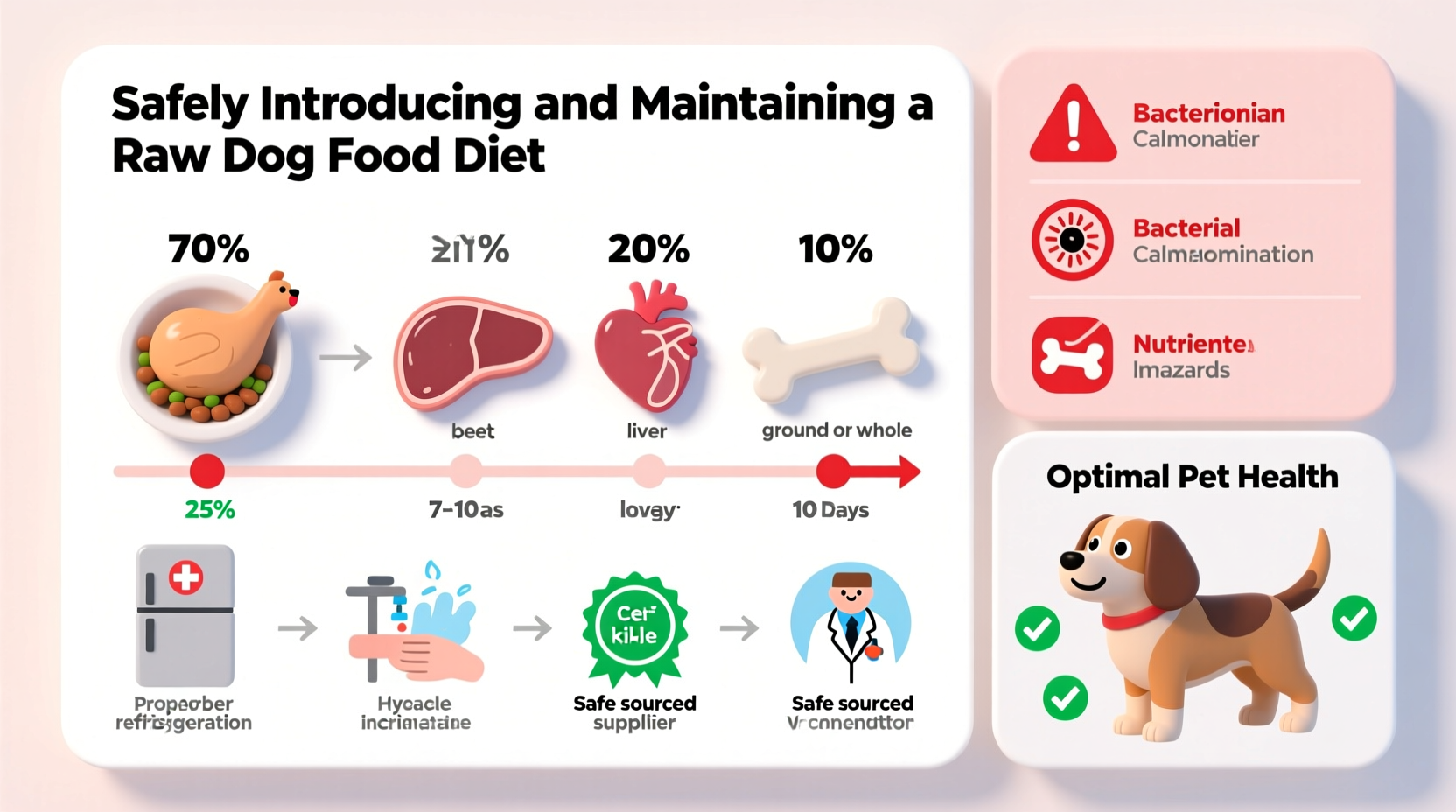
A raw dog food diet typically includes muscle meat, edible bones, organ meats (like liver and kidney), raw eggs, and small portions of vegetables or fruits. Proponents argue that raw feeding aligns more closely with a dog’s ancestral biology, potentially improving dental health, reducing shedding, increasing energy levels, and minimizing allergic reactions linked to processed ingredients.
However, risks exist. The FDA and CDC caution about pathogens like Salmonella and Listeria, which can affect both pets and humans. Additionally, improperly balanced meals may lack essential nutrients such as calcium, phosphorus, or vitamins, leading to long-term health issues—especially in growing puppies or senior dogs.
“Raw diets can be beneficial when properly formulated and handled, but they are not one-size-fits-all. Each dog has unique needs based on breed, age, activity level, and health status.” — Dr. Karen Becker, DVM, Integrative Veterinary Medicine Specialist
Step-by-Step Guide to Transitioning Your Dog to Raw Food
Moving from kibble to raw should never be abrupt. Sudden changes can cause diarrhea, vomiting, or refusal to eat. Follow this 7–10 day timeline to ensure a smooth transition:
- Day 1–2: Introduce 25% raw + 75% current food – Start with easily digestible proteins like ground turkey or chicken mixed into your dog’s usual meal.
- Day 3–4: 50% raw + 50% current food – Observe stool consistency and appetite. Adjust portion size if needed.
- Day 5–7: 75% raw + 25% current food – Begin introducing variety: add beef, lamb, or organ meat (limit liver to 5–10% of total meat).
- Day 8–10: 100% raw diet – Monitor energy levels, coat condition, and bathroom habits. If digestive issues arise, slow the process and consult your vet.
Essential Components of a Balanced Raw Diet
A complete raw diet isn’t just steak and chicken necks. It requires careful proportioning to meet AAFCO (Association of American Feed Control Officials) nutrient standards. Here's what a balanced daily meal should include:
| Component | Percentage | Purpose |
|---|---|---|
| Muscle Meat | 60–70% | Protein and amino acids |
| Edible Bones | 10–15% | Calcium source; aids dental health |
| Organ Meats | 10% | Liver (5%), other organs (5%) for vitamins A, B, D, and minerals |
| Fruits & Vegetables | 5–10% | Fiber, antioxidants, phytonutrients (e.g., carrots, spinach, apples) |
| Supplements (if needed) | As required | Fish oil (omega-3), eggshell calcium, vitamin E |
Commercially prepared raw diets often pre-balance these ratios. Homemade versions require meticulous planning. Use a trusted recipe from a veterinary nutritionist or software like BalanceIT to verify nutrient adequacy.
Real Example: Max, the Itchy Labrador
Max, a 4-year-old yellow Lab, suffered from chronic ear infections and skin irritation despite multiple kibble switches and medications. His owner, Sarah, consulted a holistic veterinarian who suggested a limited-ingredient raw diet to eliminate potential allergens.
She began with a simple rotation: ground turkey with crushed bone, beef heart, and steamed pumpkin. Within three weeks, Max’s itching decreased significantly. By week six, his coat was shinier and his energy improved. Blood work at nine weeks showed better liver enzymes and no nutrient deficiencies.
Sarah now rotates proteins weekly and uses frozen raw patties for convenience. She sanitizes feeding bowls after each use and stores food separately from human groceries. Max hasn’t had an ear infection in over a year.
Critical Safety Practices for Handling Raw Dog Food
Raw meat carries bacteria. Protecting your family and your pet means treating raw dog food with the same care as raw chicken for human consumption.
- Thaw food in the refrigerator or sealed bag in cold water—never at room temperature.
- Use stainless steel or ceramic bowls; avoid plastic, which harbors bacteria in scratches.
- Wash hands, surfaces, and utensils with hot, soapy water immediately after handling raw food.
- Discard uneaten raw food after 30 minutes to prevent bacterial growth.
- Keep raw food frozen until ready to use and label containers clearly.
Checklist: Preparing for a Raw Diet Transition
Before making the switch, ensure you’re fully prepared. Use this checklist to avoid common pitfalls:
- ✔ Consult your veterinarian or a board-certified veterinary nutritionist
- ✔ Research reputable raw food brands or obtain balanced homemade recipes
- ✔ Purchase necessary supplies: storage containers, stainless steel bowls, gloves
- ✔ Schedule baseline bloodwork to assess current health
- ✔ Plan protein rotation to prevent sensitivities
- ✔ Establish a cleaning routine for feeding areas
- ✔ Educate all household members on safe handling practices
Frequently Asked Questions
Can I mix raw food with kibble?
While possible, it’s not ideal. Kibble digests more slowly than raw meat, which can lead to fermentation and bloating in the stomach. If you must combine them, feed raw in the morning and kibble at night—or consider a fully raw or fully cooked diet for consistency.
Are bones safe in a raw diet?
Yes, but only raw, edible bones like chicken necks, wings, or marrow bones. Never feed cooked bones—they splinter and can cause intestinal blockages or perforations. Always supervise chewing sessions.
How do I know if my dog is thriving on raw food?
Positive signs include firm, smaller stools; clean teeth; shiny coat; stable weight; and consistent energy. Regular vet checkups and annual blood panels help confirm internal health markers are within normal ranges.
Conclusion: Commitment to Long-Term Canine Wellness
Adopting a raw diet is not a quick trend—it’s a commitment to thoughtful, informed pet care. When done correctly, it can transform your dog’s health and strengthen the bond between you through active involvement in their nutrition. Success hinges on balance, hygiene, and ongoing observation. Work closely with professionals, stay vigilant about safety, and remain flexible to adjust based on your dog’s response.
💬 Have experience with raw feeding? Share your journey, tips, or questions below—your insights could help another pet parent make a safer, smarter choice for their dog.








