Bringing a new kitten into a home with older cats can be both joyful and challenging. While kittens are naturally playful and energetic, senior cats often prefer quiet routines and familiar environments. A poorly managed introduction can lead to lasting tension, anxiety, or even aggression between pets. However, with patience, planning, and a structured approach, it’s entirely possible for young and old felines to coexist peacefully—sometimes even forming strong bonds. The key lies in respecting each cat’s temperament, reducing stress through gradual exposure, and maintaining consistency throughout the process.
Understanding Feline Behavior and Social Dynamics
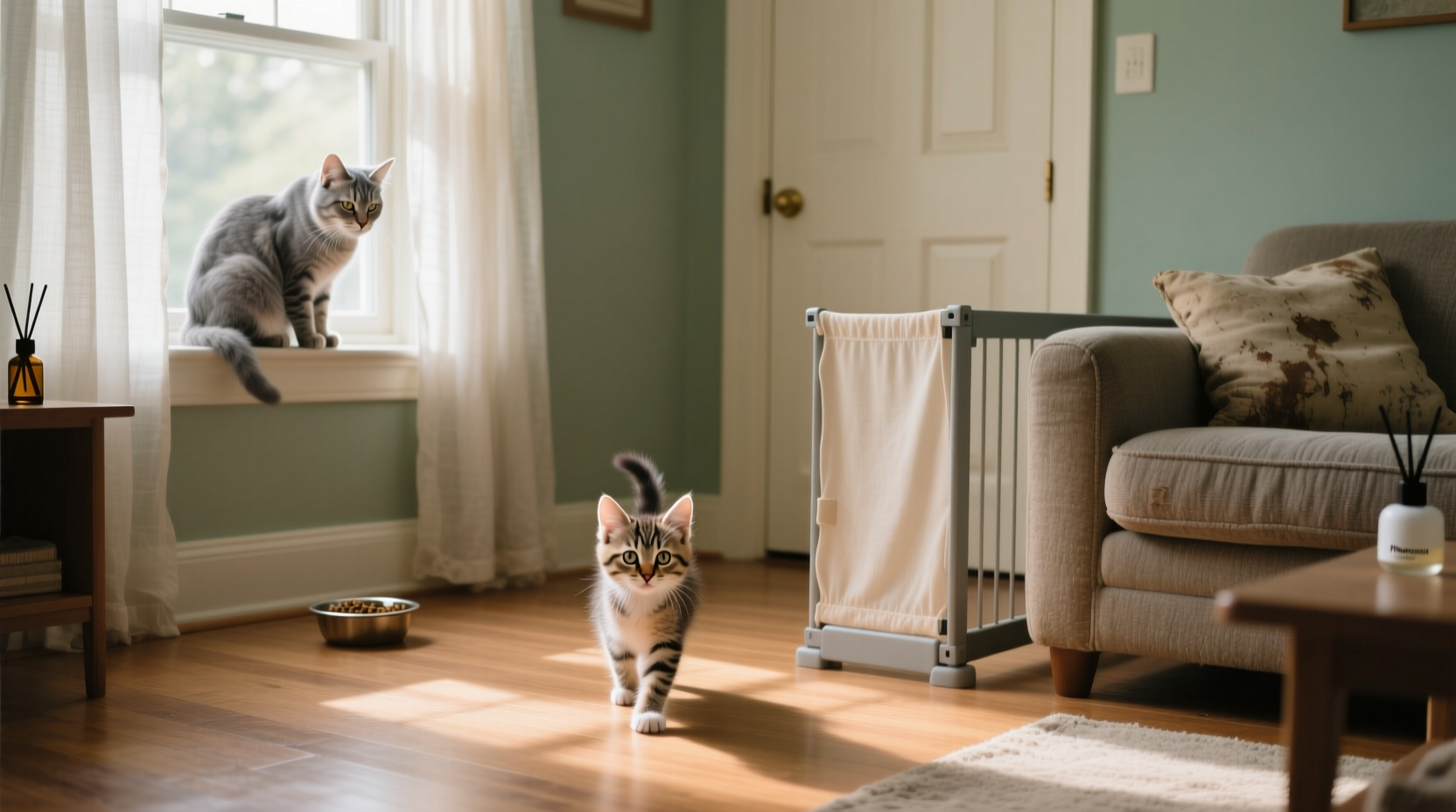
Cats are territorial animals by nature. Unlike dogs, they don’t automatically accept newcomers into their space. Senior cats, in particular, may have established routines and defined areas of comfort within the home. Disrupting this stability too quickly can trigger defensive behaviors such as hissing, swatting, or avoidance. Kittens, on the other hand, are curious and bold, often unaware of social boundaries. Their instinctive playfulness—pouncing, chasing, vocalizing—can be perceived as threatening by an older cat who values peace and predictability.
Stress is a major concern during transitions. Elevated stress levels in cats can manifest in behavioral issues like inappropriate urination, excessive grooming, or loss of appetite. In senior cats, chronic stress may exacerbate existing health conditions such as hyperthyroidism or kidney disease. Therefore, the introduction process must prioritize emotional safety over speed.
“Cats communicate primarily through scent and body language. Rushing face-to-face meetings ignores these subtle cues and increases the risk of conflict.” — Dr. Lena Torres, DVM, Feline Behavior Specialist
Step-by-Step Introduction Timeline
A successful integration typically takes two to four weeks, though some cases may require longer. The following timeline provides a structured framework to minimize friction and build familiarity gradually.
- Preparation (Days 1–2): Set up a separate room for the kitten with food, water, litter box, toys, and a cozy bed. This becomes their safe zone. Ensure the senior cat cannot access the room initially.
- Scent Exchange (Days 3–5): Swap bedding or gently rub a soft cloth on each cat and place it near the other’s resting area. This allows them to become accustomed to each other’s scent without direct contact.
- Controlled Visual Exposure (Days 6–9): Use a baby gate or cracked door so the cats can see each other while remaining physically separated. Supervise interactions closely. End sessions if either cat shows signs of distress.
- Supervised Face-to-Face Meetings (Days 10–14): Allow brief, monitored interactions in a neutral space (not the senior cat’s favorite spot). Keep sessions short (5–10 minutes) and end on a positive note with treats or play.
- Gradual Freedom (Weeks 3–4): Slowly increase interaction time. Allow the kitten limited access to shared spaces when the senior cat is present but calm. Continue monitoring body language.
- Full Integration (After Week 4): Once both cats appear relaxed around each other—eating, sleeping, and grooming normally—allow unsupervised coexistence. Maintain multiple resources to prevent competition.
Essential Supplies and Environmental Setup
The physical environment plays a critical role in reducing conflict. Cats need clear boundaries and individual access to essential resources. Overlapping or shared spaces for food, water, and litter boxes are common triggers for tension.
| Resource | Recommendation | Rationale |
|---|---|---|
| Litter Boxes | One per cat + one extra, placed in separate locations | Prevents guarding behavior and gives each cat privacy |
| Feeding Stations | Separate bowls in different rooms or distant corners | Reduces competition and stress during meal times |
| Resting Areas | Elevated perches, covered beds, and quiet zones | Senior cats benefit from secure, undisturbed spots |
| Toys & Play Zones | Duplicate interactive toys; rotate regularly | Minimizes possessiveness and keeps both cats engaged |
In multi-level homes, consider designating different floors for each cat during early stages. This spatial separation reduces pressure while still allowing indirect awareness through sound and scent.
Recognizing Stress and Preventing Conflict
Understanding feline body language is crucial. Subtle cues often precede overt aggression. Watch for flattened ears, tail flicking, dilated pupils, crouching low to the ground, or prolonged staring. Hissing and growling are clear signs of discomfort and should not be ignored.
- Avoid forcing interaction. Never hold a cat down to “meet” the other.
- Interrupt conflicts calmly. Use a loud clap or spray bottle (aimed at the floor, not the cat) to break up fights without physical intervention.
- Provide escape routes. Install cat trees, shelves, or baby gates with cat doors so the senior cat can retreat if needed.
- Maintain routines. Feed, clean litter boxes, and interact at consistent times to reduce overall household stress.
Real-Life Example: Introducing Luna to Mr. Whiskers
Sarah adopted a 10-week-old kitten named Luna while living with Mr. Whiskers, a 14-year-old domestic shorthair with mild arthritis. Initially, Mr. Whiskers hid under the bed whenever he heard Luna’s meows. Sarah followed a strict introduction protocol: she confined Luna to a spare bedroom for the first week, swapped scents daily, and played calming music near Mr. Whiskers’ resting area.
By day 7, she placed a baby gate at the bedroom door. Mr. Whiskers observed Luna cautiously but remained seated upright—a neutral posture. Sarah rewarded both with treats during these visual sessions. After two weeks of supervised floor time, Luna began grooming near Mr. Whiskers’ chair. By week five, they were napping within three feet of each other. Today, they share a sunlit windowsill every afternoon.
Sarah credits success to patience and refusing to rush milestones. “I thought it would take a week,” she said. “It took a month. But now they’re family.”
Checklist: Safe Introduction Protocol
Use this checklist to ensure no step is overlooked during the integration process:
- ✅ Prepare a dedicated quarantine room for the kitten with all essentials
- ✅ Schedule veterinary checkups for both cats to rule out illness or parasites
- ✅ Begin scent-swapping using blankets or towels
- ✅ Use visual barriers (baby gates, cracked doors) for controlled viewing
- ✅ Conduct short, supervised interactions in neutral territory
- ✅ Monitor body language for signs of stress or aggression
- ✅ Provide multiple litter boxes, feeding stations, and resting areas
- ✅ Reinforce positive behavior with treats and praise
- ✅ Gradually increase shared time only when both cats appear relaxed
- ✅ Consult a veterinarian or certified animal behaviorist if aggression persists
Frequently Asked Questions
How long does it usually take for a senior cat to accept a kitten?
There is no fixed timeline. Some cats begin tolerating each other within two weeks, while others may take several months. The average integration period ranges from 3 to 6 weeks. Factors such as prior socialization, personality, and household layout influence the pace.
What if my senior cat hisses or swats at the kitten?
Occasional hissing or swatting during early interactions is normal and part of feline communication. It becomes concerning if it escalates to sustained aggression, stalking, or prevents either cat from accessing food or litter. In such cases, return to earlier stages of the process and slow down the pace.
Can I let them sleep together before the process is complete?
Not intentionally. If cats choose to nap near each other spontaneously, it’s a positive sign. However, never force co-sleeping or confine them together unsupervised until you’ve observed consistent calm behavior over several days.
Conclusion: Building Harmony One Step at a Time
Introducing a new kitten to a household with senior cats isn’t about immediate friendship—it’s about creating conditions where peaceful coexistence can grow naturally. Success doesn’t require the cats to cuddle or play together; mutual respect and tolerance are more realistic and valuable goals. By honoring each cat’s needs, managing the environment thoughtfully, and progressing at a comfortable pace, you lay the foundation for a stable, enriched multi-cat home.
💬 Have you introduced a kitten to an older cat? Share your experience or ask questions in the comments—your story could help another pet owner navigate this delicate transition.








