
Bathing a dog might seem like a straightforward task—wet the fur, apply shampoo, rinse, dry—but for many pet owners, it quickly turns into a chaotic ordeal. Dogs can become anxious, slippery, or even defensive when introduced to water and handling, leading to bites, scratches, or drenched clothes and floors. The key to a successful bath isn’t just about cleaning your dog—it’s about managing their emotions, minimizing stress, and using smart techniques that keep both you and your pet safe. With the right preparation and approach, you can turn bath time into a calm, efficient routine rather than a wrestling match.
Understanding Your Dog’s Bath-Time Behavior
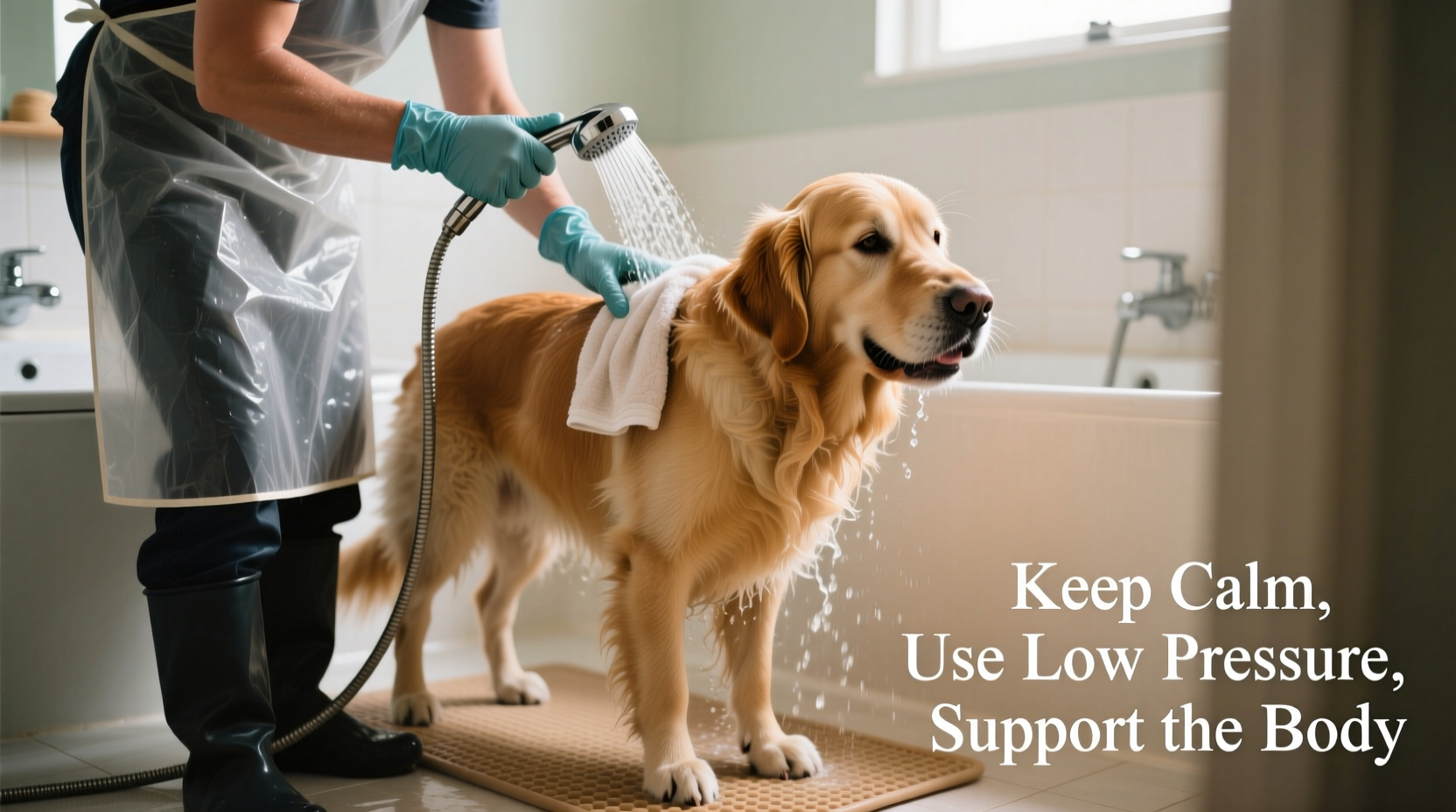
Dogs react to bathing in different ways depending on breed, temperament, past experiences, and level of socialization. Some dogs leap into the tub with excitement; others cower at the sight of a hose. Fear-based aggression is one of the most common reasons for biting during baths. A dog may bite not out of malice, but because they feel trapped, startled, or overwhelmed. Recognizing signs of stress—such as pinned ears, lip licking, yawning, growling, or attempts to escape—is crucial before water even touches their coat.
It's important to remember that dogs don't naturally associate water with cleanliness the way humans do. For them, being restrained and wet can mimic vulnerability. This is especially true for rescue dogs or those with limited prior handling. Building trust through gradual desensitization can significantly reduce resistance over time.
Tip: Never punish a dog for showing fear during bath time. This will only increase anxiety and make future baths more difficult.Essential Pre-Bath Preparation
The foundation of a safe and smooth bath starts long before the water runs. Proper preparation reduces surprises and keeps the process predictable for your dog.
- Gather supplies beforehand: Shampoo (dog-specific), towels, non-slip mat, brush, cotton balls (for ears), treats, and a handheld sprayer if available.
- Brush thoroughly: Remove tangles and loose fur. A matted coat traps water and becomes uncomfortable when wet.
- Trim nails if needed: Long nails increase slipping risk and may lead to panic. Trim them a day before to avoid sensitivity.
- Choose the right location: A bathtub, utility sink, or outdoor enclosure with warm temperatures works best. Avoid cold tile floors or windy patios.
- Pick a calm time: Bathe your dog after a walk or play session when they’re tired and less reactive.
Using cotton balls in your dog’s ears helps prevent water from entering the ear canal, which can cause discomfort or infections. However, do not push them deep—just enough to cover the opening.
Checklist: What You’ll Need Before Starting
- ✔ Non-slip surface (rubber mat or towel)
- ✔ Dog-formulated shampoo
- ✔ Towels (microfiber preferred)
- ✔ Brush or comb
- ✔ Cotton balls
- ✔ Treats (high-value rewards)
- ✔ Handheld shower nozzle (optional but helpful)
- ✔ Leash or harness (for added control if necessary)
Step-by-Step Guide to a Safe, Dry Bath Experience
Follow this structured sequence to minimize risks and maximize cooperation:
- Introduce the space calmly: Let your dog sniff the tub or bathing area while offering treats. Do not force entry.
- Secure footing: Place a non-slip mat on the floor of the tub. Slipping triggers panic.
- Use gentle restraint: If your dog tends to jump or bolt, use a no-slip harness or loop leash attached to a fixed point. This gives control without direct grabbing.
- Wet gradually: Start by dampening the legs and back, avoiding the head initially. Use lukewarm water—too hot or cold increases discomfort.
- Apply shampoo carefully: Lather from neck to tail, working around sensitive areas like armpits and groin slowly. Avoid eyes, ears, and mouth.
- Rinse thoroughly: Residue causes itching and irritation. Use a cup or sprayer to flush all soap away, again keeping water from directly hitting the face.
- Clean the face separately: Use a damp washcloth with a tiny amount of shampoo or plain water to wipe the muzzle and around the eyes.
- Remove excess water: Squeeze or blot fur with towels before blow-drying. Microfiber absorbs better than cotton.
- Dry patiently: Use a low-heat dryer on a calm setting, keeping it moving and away from skin. Offer treats throughout.
- Release with praise: Once dry, reward generously and allow freedom. This reinforces positive association.
Preventing Bites: Managing Stress and Aggression
Biting during a bath is rarely about dominance—it's usually a fear response. A dog who feels cornered or unable to escape may resort to snapping as a last-ditch effort to create distance. To prevent this:
- Avoid direct eye contact, which some dogs interpret as threatening.
- Never pin or hold down a struggling dog unless medically necessary.
- Pause if signs of stress escalate: Growling, stiff body, or air snapping are warnings. Step back, let your dog catch their breath, then resume slowly.
- Break the process into stages: One day: enter tub + get treats. Next day: touch with wet cloth. Gradually build up.
For dogs with a history of aggression, consider enlisting a professional groomer or trainer. They can assess whether underlying anxiety or pain (e.g., sore joints) contributes to reactivity.
“Dogs don’t resist baths because they’re stubborn—they resist because they’re scared. Respect their fear, and you’ll earn their trust.” — Dr. Karen Becker, DVM, Integrative Veterinary Advocate
Minimizing Water Splash and Soaking
Getting soaked during a dog bath is almost expected—but it’s preventable. Water dispersion happens mainly during shaking, spraying, and poor containment strategies.
| Problem | Solution |
|---|---|
| Dog shakes mid-bath | Keep hands low and avoid sudden movements. Pause rinsing until calm. |
| High-pressure spray scares dog | Use a low-flow nozzle or pour water gently with a cup. |
| Water splashes outside tub | Use a shower curtain, splash guard, or foldable pet tub walls. |
| Owner stands too close | Position yourself slightly behind or to the side, not directly in front. |
| Dog jumps out mid-bath | Use a tether or have a second person assist gently. |
Another effective trick: Wrap your dog in a large towel immediately after turning off the water. This soaks up initial moisture and prevents the infamous “wet dog shake” from drenching the room.
Real Example: Transforming a Fearful Bather
Max, a 3-year-old Border Collie mix adopted from a shelter, would tremble and growl whenever someone turned on the bathroom faucet. His owner, Sarah, tried several baths, each ending in soaked clothes and a stressed dog. After consulting a trainer, she shifted her approach.
Instead of rushing into full baths, she spent two weeks doing short sessions: entering the bathroom, placing paws on the tub, sitting inside with treats, and eventually allowing a damp cloth to touch his back. Each success was rewarded. By week three, Max allowed a quick rinse using a cup. Within six weeks, he entered the tub willingly and stood calmly for a full bath—with no bites, no panic, and minimal mess.
The change wasn’t due to stronger control, but patience and consistency. Max learned that the tub meant treats and affection—not danger.
Frequently Asked Questions
How often should I bathe my dog?
Most dogs only need a bath every 4–8 weeks. Over-bathing strips natural oils and can cause dry, itchy skin. Dogs with oily coats or skin conditions may require more frequent washing—consult your vet for a tailored schedule.
What should I do if my dog bites me during a bath?
Stop the bath immediately. Do not yell or punish. Assess what triggered the bite—was the water too hot? Was pressure applied to a sore spot? Clean any wound and seek medical advice if needed. Consider professional help to address fear or pain-related behavior.
Can I sedate my dog for baths?
Over-the-counter sedatives should never be used without veterinary guidance. Some products can interact dangerously with health conditions. If your dog is severely anxious, talk to your vet about safe calming aids or prescription options.
Final Tips for Long-Term Success
Safe dog bathing isn’t a one-time event—it’s part of ongoing care and relationship-building. The more consistently you create a positive experience, the easier each bath becomes. Over time, many dogs learn to tolerate, and even enjoy, the routine.
- Always end with a reward—treats, play, or cuddles.
- Keep baths brief, especially at first. Five minutes is better than thirty if it ends calmly.
- Monitor body language closely. Prevention is always better than reaction.
- Involve family members gradually so your dog remains comfortable with different handlers.
Conclusion
Bathing your dog safely doesn’t require strength or speed—it requires empathy, preparation, and technique. By understanding your dog’s fears, setting up the environment for success, and moving at their pace, you can eliminate bites, reduce mess, and protect your bond. Whether you’re dealing with a nervous puppy or a seasoned dog resistant to water, small, consistent improvements lead to lasting results. Start today: gather your supplies, observe your dog’s signals, and take one calm step at a time. Your efforts won’t just result in a clean coat—they’ll build trust that lasts far beyond bath day.
💬 Have a bath-time tip that worked for your dog? Share your story in the comments and help other pet owners stay dry and bite-free!








