Encountering a stray cat can stir deep emotions—sympathy, concern, and the desire to help. Many people instinctively want to bring the animal indoors, but doing so requires careful planning, patience, and respect for both the cat’s well-being and your household’s safety. A sudden transition from street life to domestic comfort can be overwhelming for a feral or semi-feral cat. Without proper steps, you risk spreading disease, creating behavioral issues, or losing the cat’s trust permanently.
This guide outlines a humane, structured approach to integrating a stray cat into your home. From initial assessment to full integration, each phase prioritizes safety, health, and emotional bonding. Whether the cat is injured, wary, or seemingly friendly, these methods ensure a compassionate journey toward a stable, loving environment.
Step 1: Assess the Situation from a Distance
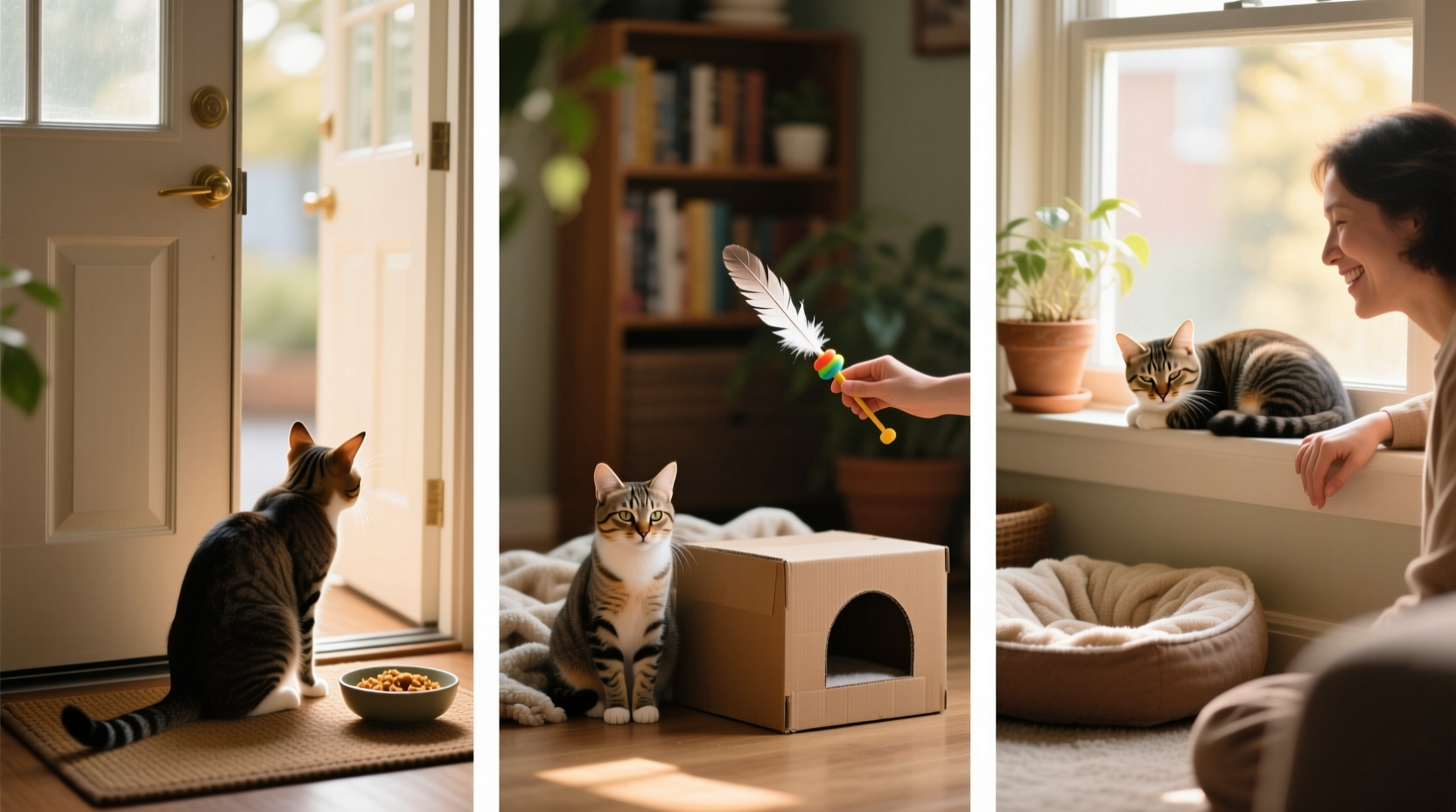
Before making any moves, observe the cat for several days. Note its behavior, physical condition, and whether it appears to have an owner. Some cats may be lost pets rather than true strays. Look for:
- Collars or identification tags
- Regular visits from other people (could indicate feeding by a neighbor)
- Signs of injury, illness, or malnutrition (limping, matted fur, coughing)
- Friendliness or fearfulness around humans
If the cat approaches you, allow it to initiate contact. Avoid chasing or grabbing, as this increases stress and may lead to defensive aggression. Offer food and water in a quiet area to build trust gradually.
Tip: Use a smartphone to take clear photos of the cat and post them on local lost-and-found groups or apps like Nextdoor or PawBoost.Step 2: Secure Veterinary Care and Health Screening
Bringing a stray indoors without a vet check poses serious risks. Stray cats can carry parasites, upper respiratory infections, feline leukemia (FeLV), or feline immunodeficiency virus (FIV). Even if the cat seems healthy, these conditions may not be immediately visible.
Contact a local veterinarian or low-cost clinic to schedule an exam. If the cat is skittish, use a humane trap or sturdy carrier to transport it safely. Most clinics will perform:
- Fecal exam for worms and parasites
- Blood test for FeLV and FIV
- Vaccinations (rabies, distemper)
- Flea and tick treatment
- Microchip scan to check for ownership
“Every stray cat should be considered a potential carrier of disease until proven otherwise. Quarantine and testing are non-negotiable for responsible rescue.” — Dr. Lena Reyes, DVM, Feline Medicine Specialist
Do’s and Don’ts During Initial Health Management
| Action | Do | Don't |
|---|---|---|
| Handling | Use gloves and soft towels; move slowly | Grab or corner the cat abruptly |
| Transport | Use a secure carrier with ventilation | Carry loosely in arms or open boxes |
| Indoor Entry | Quarantine in a separate room first | Allow free roam of the house immediately |
| Other Pets | Keep isolated for 2–4 weeks | Introduce faces or shared items early |
Step 3: Create a Safe Transition Space
Once cleared by the vet, introduce the cat to a confined, quiet space in your home—such as a spare bedroom, bathroom, or large closet. This “safe room” reduces sensory overload and helps the cat acclimate at its own pace.
Equip the room with:
- A litter box placed away from food and water
- A hiding spot (cardboard box, covered bed)
- Soft bedding and toys (avoid strings or small parts initially)
- A scratching post or pad
Spend time near the room daily, talking softly or reading aloud. Gradually sit inside the room, avoiding direct eye contact or movement toward the cat. Let it decide when to approach.
Tip: Use pheromone diffusers like Feliway to reduce anxiety and promote a sense of safety.Step 4: Build Trust Through Routine and Patience
Trust develops through consistency. Feed the cat at the same times every day. Over time, sit closer during meals, eventually placing food near you. When the cat eats comfortably in your presence, begin offering treats by hand.
Never force interaction. Signs of progress include:
- Approaching you voluntarily
- Purring or kneading
- Grooming in your presence
- Sleeping openly (not hidden)
This stage can take days or weeks, especially for feral cats. Respect the timeline. Rushing leads to setbacks.
Real Example: Bella’s Journey from Alley to Companion
A woman in Portland found a thin, scarred tabby cat living behind a diner. She left food nightly for two weeks before the cat allowed her to come within five feet. After trapping and vet clearance (Bella tested negative for major diseases), she set up a guest bathroom with bedding, a litter box, and calming music.
For the first three days, Bella hid under the sink. By day seven, she ate while the woman sat nearby. In three weeks, she climbed onto the woman’s lap. Today, Bella sleeps on the bed and greets visitors at the door. The key was patience and predictability—no forced affection, only steady kindness.
Step 5: Gradual Integration into the Home
Only after the cat uses the litter box reliably, eats in your presence, and shows curiosity about surroundings should you consider expanding its access. Open one additional room at a time, supervising closely.
If you have other pets:
- Begin scent-swapping (rubbing towels on each animal and placing them near the other)
- Use baby gates or cracked doors for visual exposure
- Supervise all face-to-face interactions
Dogs should be leashed and trained to remain calm. Multiple short, positive sessions work better than prolonged forced meetings.
Comprehensive Checklist: Bringing a Stray Cat Indoors
- Observe the cat for signs of ownership or injury
- Provide food and water to build trust
- Trap humanely and transport to a vet
- Complete health screening and vaccinations
- Quarantine in a quiet, dedicated room
- Supply essentials: litter, food, water, hiding place
- Establish a feeding and interaction routine
- Monitor behavior and health daily
- Gradually increase space and social exposure
- Integrate with other pets only after full acclimation
Frequently Asked Questions
What if the cat won’t come out of hiding?
It’s normal for a stray to hide for days. Continue feeding, speaking gently, and leave familiar scents (like a worn T-shirt). Avoid reaching in or pulling the cat out. Most begin exploring once they feel secure.
Should I let the cat outside after bringing it indoors?
No. Once a stray is part of your household, allowing outdoor access puts it at risk of injury, disease, or getting lost. Consider supervised outdoor time via a harness or enclosed catio instead.
Can a feral adult cat ever become friendly?
Some never fully bond with humans, but many improve significantly with time. Even cats that remain shy often grow comfortable in a quiet home. Focus on quality of life over affectionate behavior.
Final Thoughts
Welcoming a stray cat is an act of profound compassion. It demands time, resources, and emotional resilience—but the reward is immeasurable. You’re not just offering shelter; you’re restoring dignity to a creature that likely endured hardship and fear.
By following a thoughtful, step-by-step process, you protect your home, ensure the cat’s health, and lay the foundation for a trusting relationship. Every small gesture—consistent meals, gentle words, a warm bed—adds up to a new beginning.
💬 Have experience rescuing or rehabilitating a stray cat? Share your story in the comments to inspire others on the same journey.