Sticky residue on a phone case is more than just an eyesore—it can attract dust, harbor bacteria, and degrade the material over time. Whether it’s from a removed screen protector, adhesive-backed accessories, or leftover glue from packaging, that gummy film can be frustrating to eliminate. The challenge lies in removing it effectively without damaging the delicate surface of your case, especially if it’s made from soft silicone, glossy plastic, or textured TPU. Many people resort to scraping or harsh chemicals, only to end up with scratches or discoloration. The good news is that there are safe, proven methods using common household items that dissolve residue gently while preserving the integrity of your case.
Understanding Sticky Residue and Phone Case Materials
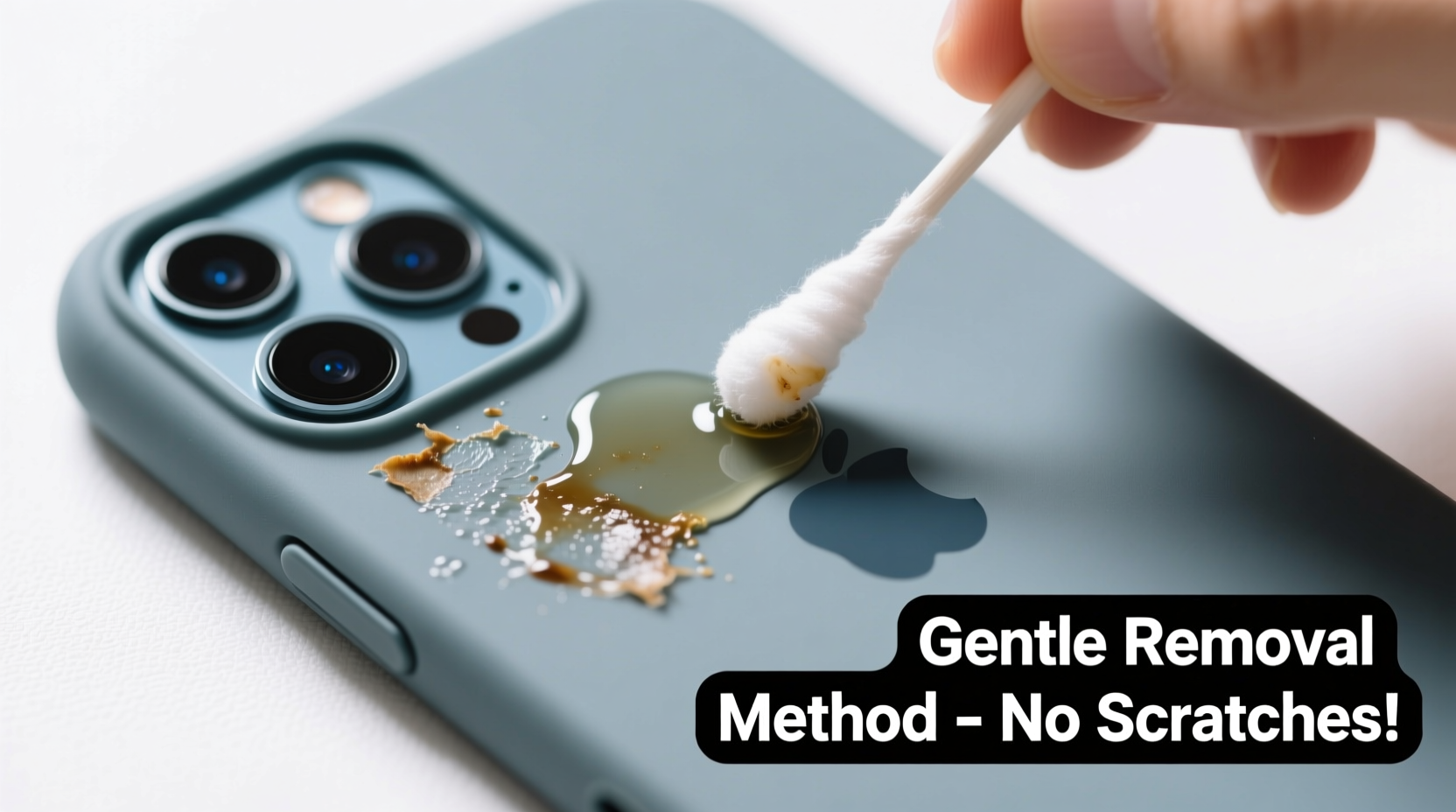
Before attempting removal, it helps to understand what you’re dealing with. Sticky residue typically consists of pressure-sensitive adhesives (PSAs), which are designed to bond temporarily but can leave behind a tacky film when peeled off. These adhesives are commonly found in tape, stickers, screen protectors, and even some packaging materials.
Phone cases come in various materials, each reacting differently to cleaning agents:
- Silicone: Soft and flexible, prone to scratching with abrasive tools.
- Thermoplastic Polyurethane (TPU): Durable and slightly rubbery; resists oils but may yellow over time.
- Polycarbonate (hard plastic): Rigid and scratch-resistant, but coatings can degrade with harsh solvents.
- Leather or fabric-covered cases: Require gentler treatment to avoid staining or texture damage.
Using the wrong method—like rubbing alcohol on a matte-finish case or scrubbing with a metal tool—can permanently mar the surface. The goal is to dissolve the adhesive chemically rather than mechanically, minimizing friction and abrasion.
“Adhesive residues respond best to mild solvents that break molecular bonds without attacking the substrate. Gentle application is key.” — Dr. Lena Park, Materials Scientist at Consumer Product Safety Lab
Step-by-Step Guide to Safe Residue Removal
Follow this detailed process to remove sticky residue without scratching your phone case. This method prioritizes safety, effectiveness, and minimal risk to your device’s protection.
- Remove the phone from the case. Always start by taking out your device to prevent accidental exposure to liquids or cleaners.
- Dust and wipe the surface. Use a dry microfiber cloth to remove loose dirt or debris. This prevents particles from grinding into the surface during cleaning.
- Test in an inconspicuous area. Apply any cleaner to a small, hidden part of the case (like the inside edge) and wait 30 seconds to check for discoloration or texture changes.
- Apply a safe solvent. Choose one of the recommended options below based on your case material.
- Let it sit for 1–2 minutes. Allow the solution to penetrate and soften the adhesive.
- Gently rub with a soft cloth. Use circular motions with a lint-free microfiber or cotton pad. Do not press hard.
- Rinse or wipe clean. If using water-based solutions, dampen a clean cloth with water and wipe off the residue.
- Dry thoroughly. Air-dry the case completely before reattaching your phone.
Best Household Solutions for Residue Removal
You don’t need specialty products to tackle sticky messes. Common household items work effectively and are often safer than commercial degreasers. Below are the top five options, ranked by safety and efficiency.
| Solution | How to Use | Suitable For | Caution |
|---|---|---|---|
| Isopropyl Alcohol (70%) | Dampen cloth, apply, wait 60 sec, wipe gently | Hard plastic, glass-backed cases | Avoid on matte finishes or silicone—can cause clouding |
| White Vinegar | Mix 1:1 with water, apply, wait 2 min, wipe | Silicone, TPU, eco-friendly cases | Mild odor; less effective on heavy residue |
| Dish Soap (e.g., Dawn) | Drop on damp cloth, rub gently | All non-porous materials | Rinse well to avoid soapy film |
| Oil (olive, coconut, baby oil) | Apply sparingly, let sit 2 min, wipe with dry cloth | Silicone, rubber, textured surfaces | May leave oily residue—follow with soap wash |
| Commercial Adhesive Remover (e.g., Goo Gone) | Apply small amount, wait 1 min, wipe immediately | Tough residues on durable cases | Use sparingly; avoid near buttons or ports |
Oils work by breaking down adhesive polymers through solvation. A few drops of olive oil left on residue for 1–2 minutes can loosen the bond significantly. Afterward, wash the area with dish soap to remove the oil, which otherwise attracts dust.
Real Example: Removing Screen Protector Glue from a Silicone Case
Jamie, a graphic designer in Portland, noticed a stubborn ring of sticky residue along the camera cutout of her silicone phone case. It had transferred from a poorly removed tempered glass screen protector. She initially tried wiping it with hand sanitizer, which contained alcohol, but it only smeared the goo and dulled the finish around the edges.
Instead, she switched tactics. She applied two drops of coconut oil to a cotton swab and dabbed it onto the affected area. After letting it sit for 90 seconds, she used a soft corner of a microfiber cloth to gently buff the spot in small circles. The residue lifted cleanly. She then washed the entire case under lukewarm water with a drop of dish soap, rinsed thoroughly, and air-dried it overnight. The case looked nearly new, with no scratches or haze.
This example illustrates the importance of choosing the right solvent and avoiding aggressive rubbing. Jamie’s first attempt failed because alcohol dried too quickly and didn’t fully dissolve the adhesive, while oil provided sustained penetration.
Do’s and Don’ts When Cleaning Your Phone Case
To maintain both cleanliness and longevity, follow these essential guidelines:
| Do’s | Don’ts |
|---|---|
| Use a microfiber or cotton cloth | Use paper towels or rough sponges |
| Test cleaners on a small area first | Apply full-strength solvents directly |
| Let solutions dwell to break down residue | Scrub aggressively or use fingernails |
| Clean your case every 1–2 weeks | Soak the case for hours |
| Wash with mild soap and water regularly | Use bleach or acetone-based nail polish remover |
Checklist: How to Remove Sticky Residue Safely
Follow this quick-reference checklist the next time your phone case gets sticky:
- ✅ Remove phone from case
- ✅ Wipe surface with dry microfiber cloth
- ✅ Select appropriate solvent based on case material
- ✅ Test cleaner on a small, hidden area
- ✅ Apply solution with soft cloth or cotton swab
- ✅ Wait 1–2 minutes for adhesive to soften
- ✅ Gently rub in circular motion—no pressing
- ✅ Clean off residue with damp cloth
- ✅ Wash with mild soap if using oil
- ✅ Dry completely before reuse
Frequently Asked Questions
Can I use rubbing alcohol on all phone cases?
No. While 70% isopropyl alcohol is effective for disinfecting and removing light residue, it can damage matte-finished, silicone, or rubber cases by causing cloudiness or cracking over time. Use it only on hard plastic or glass-backed cases, and always dilute or limit exposure.
Why does residue keep coming back after cleaning?
If the adhesive isn’t fully dissolved or removed, it can re-emerge as a tacky layer. This often happens when people wipe too soon or use ineffective solvents. Ensure the cleaning agent has enough dwell time and follow up with a thorough rinse or secondary wipe with soapy water to lift residual oils or polymers.
Is it safe to put my phone case in the dishwasher?
Not recommended. Dishwashers expose cases to high heat, strong detergents, and mechanical agitation, which can warp, discolor, or degrade materials. Hand washing with warm water and mild soap is far safer and more effective for regular maintenance.
Preventing Future Residue Buildup
Prevention is easier than cleanup. To minimize sticky residue formation:
- Peel off stickers, labels, or screen protectors slowly and close to the surface to reduce adhesive transfer.
- Wipe your case weekly with a dry microfiber cloth to prevent grime accumulation.
- After removing any adhesive product, immediately clean the area with a drop of dish soap to catch lingering stickiness.
- Avoid placing your phone on surfaces treated with adhesives, such as freshly taped packages or sticky mats.
Regular maintenance extends the life of your case and keeps it looking clean and professional. A well-cared-for case not only protects your investment but also reflects attention to detail in your daily habits.
Final Thoughts and Action Steps
Removing sticky residue from a phone case doesn’t require expensive tools or risky techniques. With the right combination of gentle solvents, soft cloths, and patience, you can restore your case to a like-new condition—without a single scratch. The key is understanding your case’s material and choosing a compatible cleaning method. Whether you opt for kitchen staples like vinegar or oil, or reach for isopropyl alcohol with caution, always prioritize slow, chemical breakdown over physical force.
Your phone case takes daily abuse—from pockets to bags to tabletops. Giving it a few minutes of care every few weeks pays off in appearance, hygiene, and durability. Start today: take off your case, inspect for buildup, and treat any sticky spots using the safest method for your material. You’ll be surprised how much better your phone feels in hand when the case is clean and smooth again.
💬 Have a favorite residue-removal hack? Share your experience in the comments and help others keep their devices looking pristine!








