Urinary tract infections (UTIs) are among the most common bacterial infections, especially in women. Nearly half of all women will experience at least one UTI in their lifetime. While often treatable with antibiotics, delaying care can lead to more serious complications like kidney infections. Recognizing the early signs is crucial for timely intervention and faster recovery. Understanding what to watch for—and when to act—can make the difference between a minor inconvenience and a health crisis.
Understanding the Urinary Tract and How Infections Develop
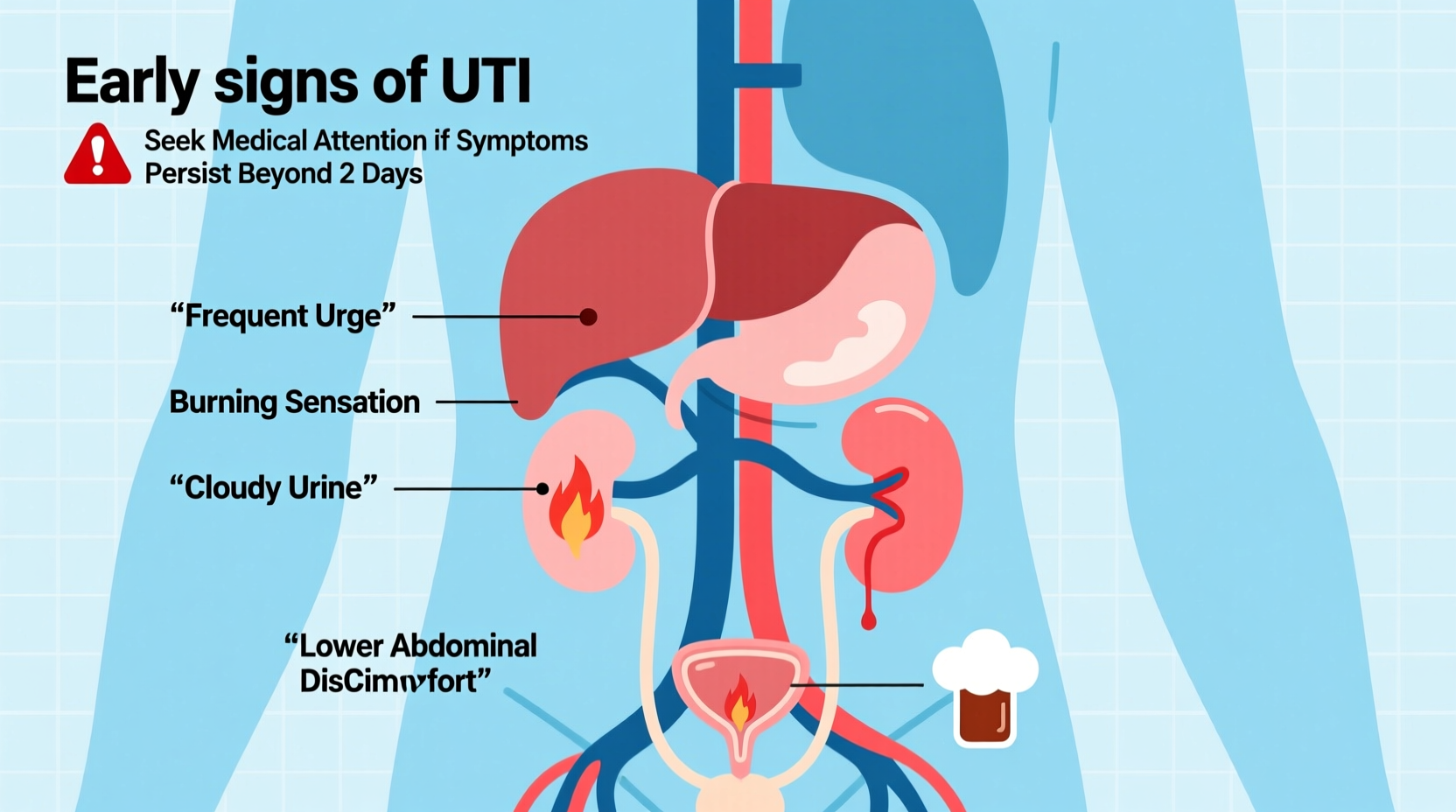
The urinary tract includes the kidneys, ureters, bladder, and urethra. Most UTIs occur when bacteria—typically Escherichia coli (E. coli)—enter the urethra and travel upward into the bladder, causing cystitis (bladder infection). If left untreated, the infection can spread to the kidneys, resulting in pyelonephritis, a more severe condition requiring prompt medical attention.
Women are at higher risk due to anatomical differences: the female urethra is shorter and closer to the anus, making it easier for bacteria to enter. Other risk factors include sexual activity, use of certain contraceptives (like diaphragms), menopause, urinary retention, and conditions like diabetes.
Early Warning Signs of a UTI
Not all UTIs present with dramatic symptoms. Some begin subtly, which is why awareness of early indicators is essential. Common early symptoms include:
- Frequent urge to urinate, even when the bladder is nearly empty
- Burning sensation or pain during urination
- Passing small amounts of urine frequently
- Cloudy, dark, bloody, or strong-smelling urine
- Lower abdominal or pelvic discomfort
- Feeling of incomplete bladder emptying
In older adults, UTIs may not follow typical patterns. Symptoms can be atypical, such as confusion, fatigue, or loss of appetite, particularly in elderly individuals with cognitive impairments. This makes vigilance critical for caregivers.
Tip: Keep a symptom journal if you’re prone to UTIs. Tracking frequency, severity, and triggers can help your doctor identify patterns and recommend preventive strategies.When Symptoms Worsen: Red Flags That Require Immediate Care
While mild UTIs may resolve with early treatment, certain symptoms indicate the infection has progressed. These are red flags that require urgent medical evaluation:
- Fever or chills
- Pain in the lower back or side (flank pain)
- Nausea or vomiting
- Mental confusion (especially in older adults)
- High fever with shaking (signs of sepsis)
Flank pain typically signals kidney involvement. Left untreated, a kidney infection can cause permanent damage or spread bacteria into the bloodstream, leading to life-threatening sepsis. Anyone experiencing these symptoms should seek medical care immediately.
“UTIs are easily treatable when caught early, but delaying care can turn a simple bladder infection into a hospitalization. Don’t wait days hoping it will go away.” — Dr. Lena Patel, Urologist and Infectious Disease Specialist
Step-by-Step: What to Do If You Suspect a UTI
Acting quickly improves outcomes and reduces the risk of complications. Follow this timeline if you suspect a UTI:
- Day 1 – Notice Symptoms: Pay attention to changes in urination habits, discomfort, or unusual urine appearance.
- Day 1–2 – Hydrate and Monitor: Drink plenty of water to flush bacteria. Avoid caffeine and alcohol, which can irritate the bladder.
- Day 2 – Consider Over-the-Counter Relief: Products like phenazopyridine can temporarily relieve burning, but they don’t treat the infection.
- Day 2–3 – Seek Medical Evaluation: Contact a healthcare provider for a urine test. A dipstick test or culture confirms diagnosis.
- Day 3+ – Begin Prescribed Treatment: Start antibiotics as directed. Most patients feel relief within 24–48 hours.
- Follow-Up: Complete the full course of antibiotics, even if symptoms improve.
Do’s and Don’ts When Managing a Suspected UTI
| Do’s | Don’ts |
|---|---|
| Drink plenty of water to flush bacteria | Delay seeing a doctor if symptoms persist beyond 2 days |
| Wipe front to back after using the toilet | Use scented feminine hygiene products (sprays, douches) |
| Urinate soon after sexual intercourse | Hold in urine for long periods |
| Take prescribed antibiotics fully and on schedule | Self-medicate with leftover antibiotics |
| Wear cotton underwear and loose-fitting clothes | Use tight synthetic underwear or pants that trap moisture |
Real-Life Example: Catching a UTI Before It Escalated
Sarah, a 34-year-old teacher, noticed she was going to the bathroom every hour, despite drinking little. She felt a slight burn each time and her urine looked cloudy. Remembering a previous UTI, she didn’t dismiss it as dehydration. She called her clinic the same day and was seen within 24 hours. A rapid urine test confirmed a UTI. She started antibiotics immediately and felt better within a day. By acting fast, she avoided missing work and prevented the infection from spreading.
Had Sarah waited, her symptoms could have worsened. Instead, her awareness and prompt action kept the issue manageable.
Prevention Checklist: Reduce Your Risk of Future UTIs
For those prone to recurrent infections, prevention is key. Use this checklist to minimize risk:
- ✅ Drink at least 6–8 glasses of water daily
- ✅ Urinate before and after sexual activity
- ✅ Avoid using douches, powders, or sprays in the genital area
- ✅ Choose cotton-lined underwear and change out of wet swimwear promptly
- ✅ Consider alternative birth control if using spermicides or diaphragms
- ✅ For postmenopausal women, discuss vaginal estrogen therapy with your doctor
- ✅ Take cranberry supplements (evidence is mixed, but some studies suggest benefit)
Frequently Asked Questions
Can men get UTIs?
Yes, though less commonly than women. When men develop UTIs, it’s often linked to an underlying issue like an enlarged prostate, urinary stones, or catheter use. Symptoms are similar but may also include rectal pain or discharge.
Are home tests for UTIs reliable?
Over-the-counter UTI test strips can detect nitrites and leukocytes in urine, which suggest infection. They’re useful for initial screening but aren’t foolproof. A negative result doesn’t rule out infection, especially if symptoms persist. Always follow up with a healthcare provider for confirmation.
What if I get frequent UTIs?
Experiencing two or more UTIs in six months or three in a year is considered recurrent. Your doctor may recommend low-dose antibiotics for several months, post-intercourse prophylaxis, or further testing to rule out anatomical or functional issues.
Final Thoughts: Early Action Protects Your Health
Recognizing the early signs of a UTI isn’t about hypervigilance—it’s about informed self-care. The urinary tract is resilient, but it needs support when under bacterial attack. Painful urination, urgency, and cloudy urine are not normal, and they shouldn’t be ignored. With timely hydration, symptom tracking, and medical consultation, most UTIs are short-lived and uncomplicated.
More importantly, knowing when to seek help—especially with fever, back pain, or mental changes—can prevent hospitalization and protect long-term kidney function. Your body sends signals for a reason. Listen to them.
💬 If you’ve experienced a UTI, what helped you recover faster? Share your tips to support others navigating this common but uncomfortable condition.








