Cat owners love their feline companions, but few enjoy the fine trail of litter that follows them from the box to the living room rug. Litter tracking—the scattering of granules outside the litter box—is one of the most common complaints among indoor cat caregivers. While no solution is 100% foolproof, thousands of Reddit users in communities like r/CatAdvice, r/LifeProTips, and r/Cats have shared tested strategies that significantly reduce or even eliminate litter tracking. This guide compiles the most effective, real-world methods backed by actual cat owners who’ve been there.
Why Cat Litter Tracking Happens
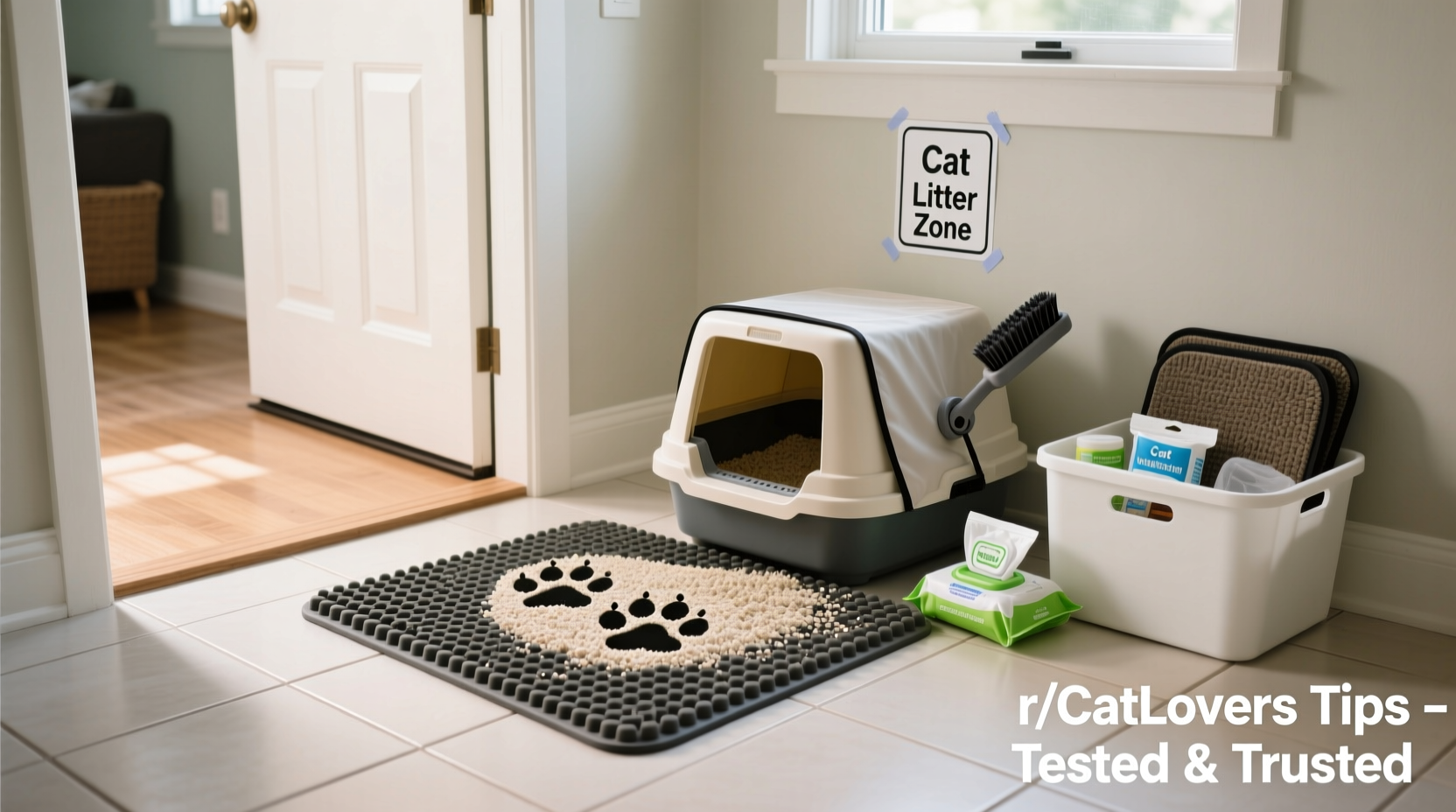
Cats naturally dig and cover their waste, which means they kick litter vigorously during use. Their paws then pick up loose granules, especially if the litter is lightweight or dusty. As they exit the box, those particles fall off with each step, spreading across floors and carpets. Some cats are worse offenders than others—long-haired breeds tend to carry more litter between their toes, and energetic jumpers may fling it farther.
Environmental factors also play a role. A litter box placed on hardwood or tile without a mat can turn into a minefield of scattered pellets. Overfilled boxes increase the chance of litter sticking to fur and paws. Even box design matters: open-top models allow more escape routes for kicked-out litter.
Tip: Long-haired cats benefit from a paw trim every few weeks to minimize litter clinging between their pads.Top 5 Solutions Backed by Reddit Cat Owners
After reviewing hundreds of threads, comments, and user testimonials, five strategies consistently rise to the top as the most effective ways to combat litter tracking. These aren’t theoretical ideas—they’re tactics used daily by cat parents who’ve reclaimed their clean floors.
1. Use a High-Quality Litter Mat
A thick, ridged litter mat placed under or around the litter box traps granules before they spread. Reddit users overwhelmingly recommend textured rubber or silicone mats with deep grooves. These act like sieves, scraping litter off paws as cats step away.
Popular choices include:
- The “Litter Trap” mat (often praised for durability)
- Silicone mats with grid patterns (easy to clean)
- DIY alternatives like coir doormats (budget-friendly but require frequent shaking)
Size matters—many users stress that the mat should extend at least 2–3 feet beyond the box in all directions. One Redditor noted: “I went from sweeping daily to once a week just by adding a full-size mat.”
2. Switch to Low-Tracking Litter
Not all litters are created equal. Lightweight clay and silica crystals are notorious for sticking to paws and flying everywhere. Reddit discussions frequently highlight brands like Purina Tidy Cats LightWeight, Dr. Elsey’s Ultra, and World's Best Multiple Cat Litter as lower-tracking options due to larger granule size and reduced dust.
“Switching to World’s Best completely changed the game. My Maine Coon used to leave footprints all over the house. Now it’s maybe two or three pellets a day.” — u/FuzzySocks22, r/CatAdvice
Clumping corn or wheat-based litters tend to be heavier and less likely to scatter. However, some cats dislike the texture, so gradual transition is key.
3. Install a Litter Box Hood or Top-Entry Model
Enclosed boxes limit the radius of litter fling. Top-entry designs, like the Litter-Robot or Genie Litter Box, force cats to enter from above, reducing side-kicking. Many Reddit users report a dramatic drop in tracking after switching.
However, not all cats adapt well. Some feel trapped or dislike climbing in. The consensus? Try it, but monitor your cat’s behavior. If they avoid the box, revert and try other methods.
4. Create a Litter Zone with Containment
Reddit veterans often suggest dedicating a specific area for the litter box—ideally a corner with walls on two sides. Adding a fabric skirt (homemade from shower curtains) or commercial box enclosure helps contain stray litter.
One popular DIY method involves placing the box inside a large plastic storage bin with the front cut out. The higher walls catch flying litter. Bonus: it doubles as a privacy space for shy cats.
5. Wipe Paws or Use Cat Socks (With Caution)
A controversial but occasionally effective tactic: wiping paws post-litter use. Some owners use pet-safe wipes on a designated cloth near the box. Others swear by soft “cat socks,” though most Reddit users caution against prolonged sock use due to stress or chewing hazards.
Use this method sparingly and only if your cat tolerates it. Never force it.
Step-by-Step Guide to Minimize Litter Tracking
Follow this sequence to systematically reduce litter mess:
- Assess your current setup: Is the box on carpet? Is the litter lightweight? Are there walls nearby?
- Invest in a high-traction mat: Place a large, grooved mat under and around the box.
- Switch litter type: Try a heavier, low-dust formula for 2–3 weeks.
- Elevate containment: Use a covered box or build a simple barrier with a storage bin.
- Maintain routine cleaning: Vacuum the mat weekly and scoop clumps daily to prevent compaction that increases tracking.
This approach, used by u/LitterFreeLife in a detailed r/Cats post, reportedly reduced tracked litter by 90% within a month.
Do’s and Don’ts: What Works (and What Doesn’t)
| Do | Don’t |
|---|---|
| Use a deep-groove rubber mat | Use thin, flat fabric mats that trap dust but not litter |
| Choose larger-grain, heavier litter | Use ultra-lightweight crystal litter on hard floors |
| Place the box in a contained corner | Put the box in an open area with no barriers |
| Trim fur between paw pads monthly | Shave paws or over-bathe your cat to remove litter |
| Empty and shake out mats weekly | Ignore clumped litter stuck in mat grooves |
Mini Case Study: From Daily Sweeping to Spotless Floors
Sarah, a cat owner from Portland, shared her journey on r/LifeProTips after adopting a playful Bengal mix. Within days, her apartment was speckled with blue crystal litter. She tried cheap foam mats, which failed. Then she read a thread suggesting a layered approach.
She implemented four changes:
- Bought a 3' x 4' rubber litter trap mat
- Switched from silica crystals to Dr. Elsey’s Clumping Clay
- Placed the box in a bathroom corner with a shower curtain half-wall
- Added a monthly paw trim to her grooming routine
Result? “It’s been six months, and I vacuum the litter zone once a week. No more finding litter in my bed. It feels like magic.”
Frequently Asked Questions
Does the size of the litter box affect tracking?
Yes. Boxes that are too small encourage cats to kick litter over the edges. The general rule is: the box should be 1.5 times the length of your cat. Larger space reduces aggressive digging near walls.
Can I use a regular doormat instead of a specialized litter mat?
You can, but effectiveness varies. Coir (coconut fiber) mats work moderately well due to their rough texture. However, rubber or silicone mats with deep channels are far superior at trapping and holding litter granules.
How often should I replace my litter mat?
High-quality mats last 1–2 years with proper care. Replace when grooves flatten or cracks appear. Clean monthly with soap and water to prevent odor buildup.
Final Thoughts: Small Changes, Big Results
Preventing cat litter tracking isn’t about finding a single miracle fix—it’s about layering practical, proven strategies. Reddit’s cat community has shown that combining the right mat, litter, and placement can transform a messy routine into a nearly track-free experience. While no method eliminates 100% of litter scatter, consistent application of these tips leads to visibly cleaner homes and less frustration.
💬 Have a tracking solution that works for you? Share your experience in the comments—your tip might help another cat owner finally win the war on litter!








