
Potty training a puppy doesn’t have to be a months-long struggle filled with accidents and frustration. With the right approach—backed by animal behavior science and decades of hands-on experience from certified dog trainers—most puppies can be reliably housebroken in as little as two to four weeks. The key isn’t patience alone; it’s consistency, timing, and understanding your puppy’s natural instincts. This guide reveals the exact strategies top trainers use to accelerate potty training success, reduce indoor messes, and build lifelong bathroom habits.
The Science Behind Puppy Bladder Control
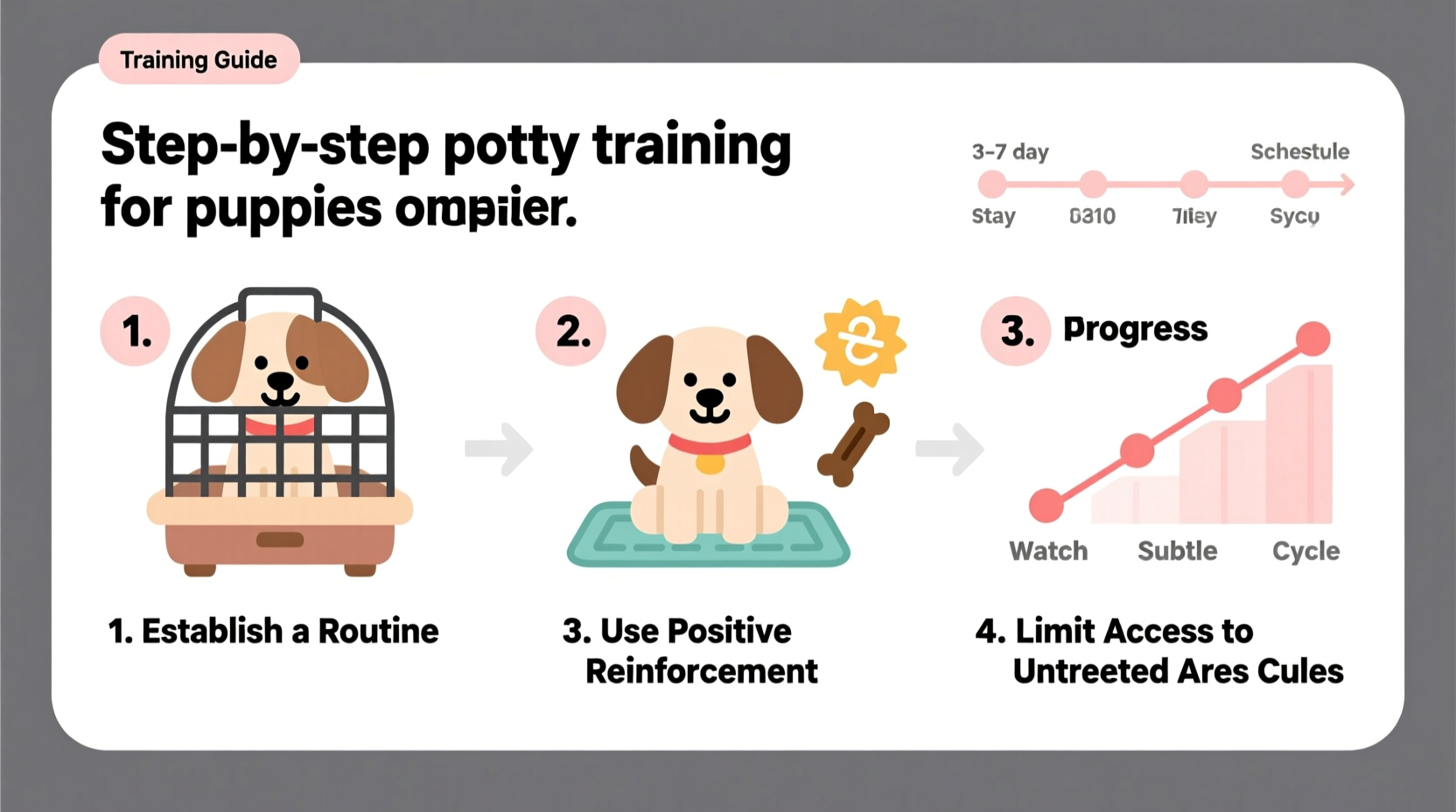
Puppies lack full bladder and bowel control until they are about 6 to 8 months old. However, their ability to learn where and when to eliminate begins as early as 8 weeks. A young puppy’s bladder capacity is roughly one hour per month of age, plus one. For example, a 10-week-old (2.5-month-old) puppy can typically hold it for about 3.5 hours. Exceeding this window dramatically increases the likelihood of accidents.
Professional trainers emphasize that success hinges on managing the puppy’s environment during this developmental stage. Instead of waiting for the puppy to “figure it out,” owners must proactively guide them using predictable routines and positive reinforcement. According to Dr. Ian Dunbar, a veterinarian and internationally recognized dog trainer, “You cannot teach a puppy to ‘hold it’ if you don’t give them the opportunity to succeed by taking them out frequently.”
“Success in potty training comes not from scolding mistakes, but from setting up a schedule so structured that mistakes become rare.” — Sarah Whitehead, Certified Professional Dog Trainer (CPDT-KA)
Step-by-Step Potty Training Timeline (First 14 Days)
Consistency in the first two weeks establishes the foundation for long-term success. Follow this daily timeline closely:
- Day 1–3: Establish a Routine
Take your puppy outside every 30–60 minutes during waking hours. Always go to the same designated potty spot. Use a consistent verbal cue like “Go potty” while they eliminate. Immediately reward with treats and praise upon completion. - Day 4–7: Introduce Crate Training
Use a properly sized crate (just enough room to stand, turn, and lie down). Puppies naturally avoid soiling their sleeping area. Begin crating during naps and overnight. Take the puppy out the moment they wake up—even if it’s 3 a.m. - Day 8–10: Add Post-Meal and Post-Play Potty Breaks
Elimination often follows eating, drinking, or playing. Take your puppy out within 5–10 minutes after each of these activities. Most puppies will go within 15 minutes of finishing a meal. - Day 11–14: Extend Intervals Gradually
If your puppy has had no accidents for three consecutive days, begin stretching the time between breaks by 15–30 minute increments. Never exceed their age-in-months-plus-one rule.
Essential Tools and Environment Setup
Professional trainers rely on specific tools to minimize confusion and maximize learning. These aren't optional extras—they're foundational to fast results.
- Crate with Divider: Ensures the space is only as big as necessary. Too large a crate defeats the purpose.
- Leash: Even in your yard, use a leash to guide the puppy directly to the potty zone and prevent distractions.
- Enzymatic Cleaner: Use on all accidents to remove odor traces. Regular cleaners leave behind scents that attract repeat soiling.
- Treat Pouch: Have high-value treats (like boiled chicken or freeze-dried liver) ready immediately after elimination.
- Bell System (Optional): Hang a bell near the door. Tap it each time you go out. Eventually, the puppy will paw or nose it to signal.
| Action | Do | Avoid |
|---|---|---|
| After Eating | Take puppy out within 10 minutes | Allow free roam indoors unsupervised |
| During Sleep | Use a crate; take out upon waking | Let sleep longer than bladder capacity |
| When Accidents Happen | Clean thoroughly with enzymatic cleaner | Yell, rub nose in mess, or punish |
| Training Rewards | Treat within 3 seconds of elimination | Reward minutes later—timing is critical |
Proven Methods from Top Trainers
Leading dog training academies, including the Association of Professional Dog Trainers (APDT) and Karen Pryor Academy, advocate for positive reinforcement-based protocols. Here are the three most effective techniques used in professional programs:
1. The 5-Minute Rule
Whenever your puppy is loose in the house, stay within arm’s reach. Watch for subtle signs: sniffing, circling, whining, or sudden stillness. The moment you see any of these, calmly pick up the puppy or leash them and go outside. Wait at the potty spot for up to 5 minutes. If they go, reward heavily. If not, return inside and confine them to the crate or a pen for 20 minutes before trying again.
2. Scheduled Freedom
Instead of giving unlimited access to the home, use baby gates or exercise pens to create a “safe zone” around your living area. The puppy earns freedom only after successfully eliminating outside. This teaches cause and effect: good behavior leads to privileges.
3. The “Set Up for Success” Feeding Schedule
Feed your puppy at the same times every day—typically morning and evening. Remove water 2 hours before bedtime. This creates predictable elimination windows. Most puppies eliminate 15–30 minutes after eating and 10–20 minutes after drinking.
Tip: Avoid feeding table scraps or irregular snacks—they disrupt digestion timing and make potty prediction harder.Real-Life Case Study: Bella the Beagle Mix
Bella, a 10-week-old beagle mix adopted from a shelter, was having 5–6 indoor accidents per day. Her owners were frustrated and considering returning her. A certified trainer implemented the following plan:
- Introduced a 30-minute potty break schedule during waking hours.
- Used a crate at night and during work hours.
- Installed a bell system on the back door.
- Switched to scheduled meals (7 AM and 5 PM) and removed water after 7 PM.
- Replaced carpeted areas near doors with washable rugs treated with enzymatic deterrent.
Within 72 hours, indoor accidents dropped to one per day. By day 10, Bella was ringing the bell to go out and had zero indoor eliminations. At 16 days, she was fully reliable. The owner reported, “We thought she was stubborn, but she just needed clear rules. Now she’s our best-behaved dog ever.”
Common Mistakes That Delay Progress
Even well-meaning owners unknowingly sabotage training. Here are the top errors professionals see:
- Inconsistent Scheduling: Letting the puppy sleep in or feeding at random times disrupts biological rhythms.
- Overlooking Subtle Cues: Not recognizing early signs like sniffing or pacing leads to missed opportunities.
- Punishing Accidents: Scolding creates fear and may cause the puppy to hide when needing to go.
- Too Much Unsupervised Freedom: Allowing free roam before reliability breeds bad habits.
- Using Pee Pads Indoors: While convenient, pads teach the puppy it’s acceptable to eliminate inside, making outdoor training harder.
“Pee pads are a convenience for owners, not a training tool. If your goal is an outdoor-only dog, start that way from day one.” — Michael Ellis, Director of the Michael Ellis School for Dog Trainers
Checklist: 10 Daily Actions for Faster Potty Training
Follow this checklist every single day for optimal results:
- Feed at the same times daily (morning and evening).
- Take puppy out immediately upon waking.
- Take puppy out after every meal and drink.
- Take puppy out after play sessions or excitement.
- Take puppy out every 30–60 minutes during active hours.
- Use a consistent verbal cue (“Go potty”) at the same spot.
- Reward with treats and praise within 3 seconds of elimination.
- Supervise constantly or confine to crate/pen when unattended.
- Clean all accidents with enzymatic cleaner—never ammonia-based products.
- Maintain the routine even on weekends or busy days—consistency is non-negotiable.
Frequently Asked Questions
How long does it usually take to potty train a puppy?
With consistent training, most puppies show significant improvement within 2 weeks and are reliably housebroken by 12 to 16 weeks. Larger breeds may mature slightly faster than smaller ones, but individual temperament and consistency matter more than breed.
What should I do if my puppy keeps peeing in the same indoor spot?
This indicates residual odor is attracting repeat accidents. Clean the area thoroughly with an enzymatic cleaner designed for pet stains. Avoid steam cleaning, which can set odors. Consider blocking off the area temporarily or placing food or toys there to change its association.
Is it normal for a 4-month-old puppy to still have accidents?
Occasional accidents are normal, especially during growth spurts or changes in routine. However, frequent indoor elimination after 14 weeks may indicate inconsistent training, medical issues (like UTIs), or anxiety. Consult your vet if accidents persist beyond 16 weeks despite proper training.
Conclusion: Build Habits, Not Just Hope
Potty training a puppy faster isn’t about shortcuts—it’s about strategy, observation, and unwavering consistency. The methods used by professional trainers aren’t secret techniques, but disciplined applications of behavioral science. When you align your routine with your puppy’s biological needs and reinforce desired behaviors instantly and positively, progress accelerates dramatically.
Every puppy has the potential to learn quickly. The difference between success and struggle often comes down to the human’s commitment in the first few weeks. Start today: set your alarm, prep your crate, stock up on treats, and commit to the schedule. In less than a month, you’ll have a well-trained companion who knows exactly where to go—and you’ll wonder why you ever doubted it was possible.
💬 Have a potty training win or challenge? Share your story in the comments—your experience could help another new puppy parent succeed!








