
Choosing a dog leash often feels like a minor decision—until you're fumbling in dim light, struggling to spot your pet during an evening walk, or realizing the bright blue strap has faded into a dull, sun-bleached mess after just a few months. The color of your dog’s leash isn’t just about matching accessories or personal taste. It plays a crucial role in safety, functionality, and long-term satisfaction. With so many options—from neon orange to classic black—it's time to treat leash color selection as seriously as collar fit or harness design.
A well-chosen leash color can enhance visibility, resist dirt, reflect your dog’s personality, and even influence how other dogs and people react during walks. This guide breaks down the key factors that should shape your choice, helping you find a leash color that works universally across environments, seasons, and lifestyles.
Why Leash Color Matters More Than You Think
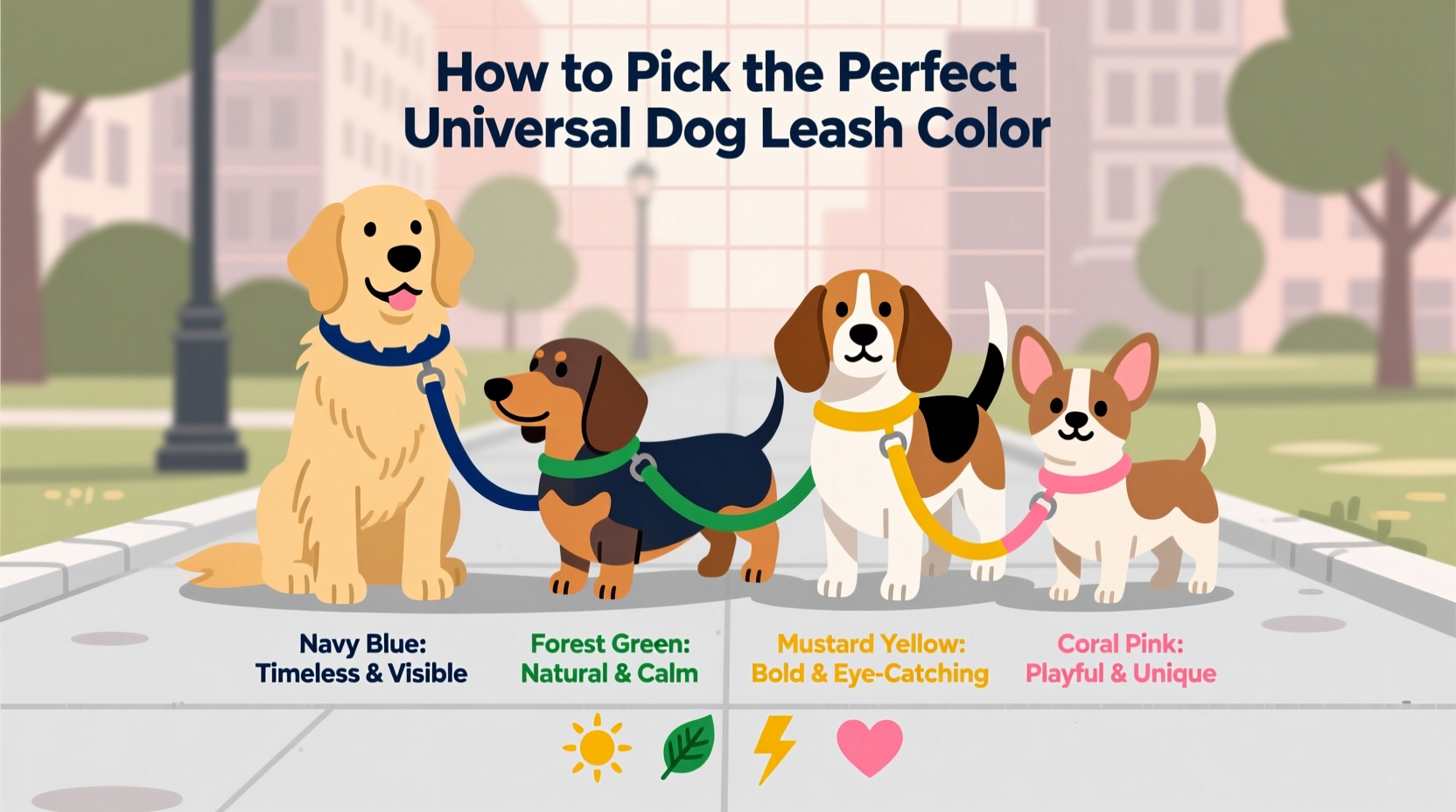
At first glance, leash color may seem purely aesthetic. But dig deeper, and it becomes clear that color impacts real-world usability. A high-visibility yellow leash stands out against grass and shadows, reducing the risk of tripping or losing control in low-light conditions. Darker colors like charcoal or navy hide dirt better but may absorb more heat in direct sunlight. Reflective weaves are often integrated into specific hues, making some colors inherently safer for dusk or dawn walks.
Color psychology also comes into play. Bright tones like red or orange can signal confidence and alertness, potentially deterring overly aggressive dogs. Muted earth tones may project calmness, which can be beneficial for anxious pets. Even durability is influenced by dye type and fabric treatment—some pigments fade faster under UV exposure, especially on polyester webbing.
Tip: Always test a leash’s colorfastness by checking reviews for reports of fading after outdoor use.Key Factors to Consider When Choosing a Leash Color
Selecting the ideal leash color involves balancing several practical concerns. Here are the most important criteria to evaluate before making your choice:
- Visibility: Can you easily see the leash in various lighting conditions?
- Dirt Resistance: Does the color mask mud, grass stains, or paw prints?
- Weather Performance: How does the hue respond to sun exposure, rain, or snow?
- Safety Features: Is the color paired with reflective stitching or retroreflective materials?
- Style & Personal Preference: Does it complement your dog’s coat or your own walking gear?
Urban dwellers navigating crowded sidewalks benefit from high-contrast colors, while rural owners might prefer camouflage tones that blend with nature. If you walk at dawn or dusk, prioritize colors engineered for low-light detection.
The Visibility Spectrum: Ranking Leash Colors by Safety
Not all colors perform equally when it comes to being seen. Researchers in traffic safety have long known that certain wavelengths attract human attention faster. These principles apply to pet gear too. Below is a comparison of common leash colors based on visibility, UV resistance, and cleanliness retention.
| Color | Visibility (Day/Night) | Fade Resistance | Dirt Hiding Ability | Best For |
|---|---|---|---|---|
| Bright Yellow | Excellent / Good (with reflectivity) | Moderate | Poor | Early morning/urban walks |
| Neon Orange | Outstanding / Very Good | Low | Fair | Trail hiking, winter months |
| Red | Good / Fair | High | Good | All-purpose, medium-light areas |
| Navy Blue | Fair / Poor | Very High | Excellent | Dog parks, muddy regions |
| Black | Poor / Very Poor | High | Excellent | Formal settings, short daytime walks |
| White/Cream | Good / Fair | Low | Very Poor | Summer fashion, clean environments |
“High-visibility leashes reduce off-leash incidents by up to 30% in mixed-use trails.” — Dr. Lena Torres, Urban Animal Behavior Specialist
Step-by-Step Guide to Picking Your Ideal Leash Color
Follow this five-step process to ensure your leash color serves both form and function:
- Assess Your Walking Environment: Do you walk mostly in cities, forests, suburbs, or parks? Concrete-heavy areas call for contrast; natural trails favor earthy tones.
- Evaluate Your Schedule: If most walks occur before sunrise or after sunset, prioritize colors with built-in reflectivity or pair darker leashes with LED tags.
- Consider Your Dog’s Coat: Avoid leash colors too similar to your dog’s fur. A black leash on a black Labrador blends in, increasing tripping hazards.
- Test Cleanability: Lighter shades show stains quickly. If frequent washing isn’t convenient, opt for mid-tone grays or deep greens.
- Match to Existing Gear: While not essential, coordinating with your harness or collar simplifies organization and enhances visual cohesion.
Real-World Example: Sarah’s Switch to a Neon Leash
Sarah, a dog owner in Portland, Oregon, used a sleek black nylon leash for her Australian Shepherd, Max. After moving near a wooded trail popular for early-morning runners, she noticed several close calls where cyclists didn’t see them until the last second. One rainy November morning, Max lunged toward a squirrel, and Sarah nearly dropped the leash—it had blended into the wet asphalt.
She switched to a neon orange leash with silver reflective threading. Within weeks, multiple neighbors commented on how easy it was to spot her and Max from a distance. “It’s not just about being seen,” she said. “I feel more confident now, knowing that if Max darts forward, someone will notice the leash before it’s too late.”
Checklist: Finalizing Your Universal Leash Choice
Before purchasing, run through this checklist to confirm your selected color meets all critical needs:
- ✅ Highly visible in low-light conditions (dawn, dusk, overcast days)
- ✅ Contrasts clearly with your dog’s coat color
- ✅ Includes reflective elements if used regularly outside daylight hours
- ✅ Resists fading after prolonged sun exposure
- ✅ Hides everyday grime without requiring constant cleaning
- ✅ Matches the typical terrain and urban/rural setting of your walks
- ✅ Feels comfortable in hand—color coatings shouldn’t make the leash slippery
Frequently Asked Questions
Does leash color affect dog behavior?
While there’s no strong evidence that dogs react directly to leash color, humans do. Bright colors may signal assertiveness to other dog owners, subtly influencing interactions. Additionally, a highly visible leash helps prevent accidental entanglements, reducing stress for both pet and owner.
Can I use a patterned leash instead of a solid color?
Yes, but only if the pattern incorporates high-visibility elements. Camouflage designs, for example, may look stylish but reduce detectability. Opt for patterns with bold contrasts—like black-and-yellow stripes—or those explicitly labeled “high-visibility” by manufacturers.
Are there eco-friendly leash colors?
The environmental impact lies more in dye processes than hue itself. Some brands use low-impact, AZO-free dyes regardless of color. Look for certifications like OEKO-TEX or GOTS when sustainability is a priority.
Conclusion: Make Every Walk Safer and Smarter
Picking the perfect universal dog leash color isn’t about chasing trends or matching outfits. It’s about making a thoughtful, safety-driven decision that supports responsible pet ownership. Whether you choose radiant coral for winter visibility or deep burgundy for its balance of elegance and practicality, let function lead form. The right color doesn’t just look good—it keeps you and your dog safe, seen, and secure with every step.
💬 Have a favorite leash color that’s worked wonders for your walks? Share your experience below and help fellow dog owners make smarter, safer choices!








