Journaling is more than just recording events—it’s a form of self-expression, reflection, and creativity. When you personalize your journal with stickers and thoughtful layouts, you transform blank pages into visual stories. Whether you're documenting daily life, tracking habits, or sketching ideas, the right aesthetic choices can deepen your connection to the process. The key isn’t perfection; it’s authenticity. By combining functional design with artistic flair, you create a space that feels uniquely yours—one that invites you back again and again.
Why Personalization Matters in Journaling
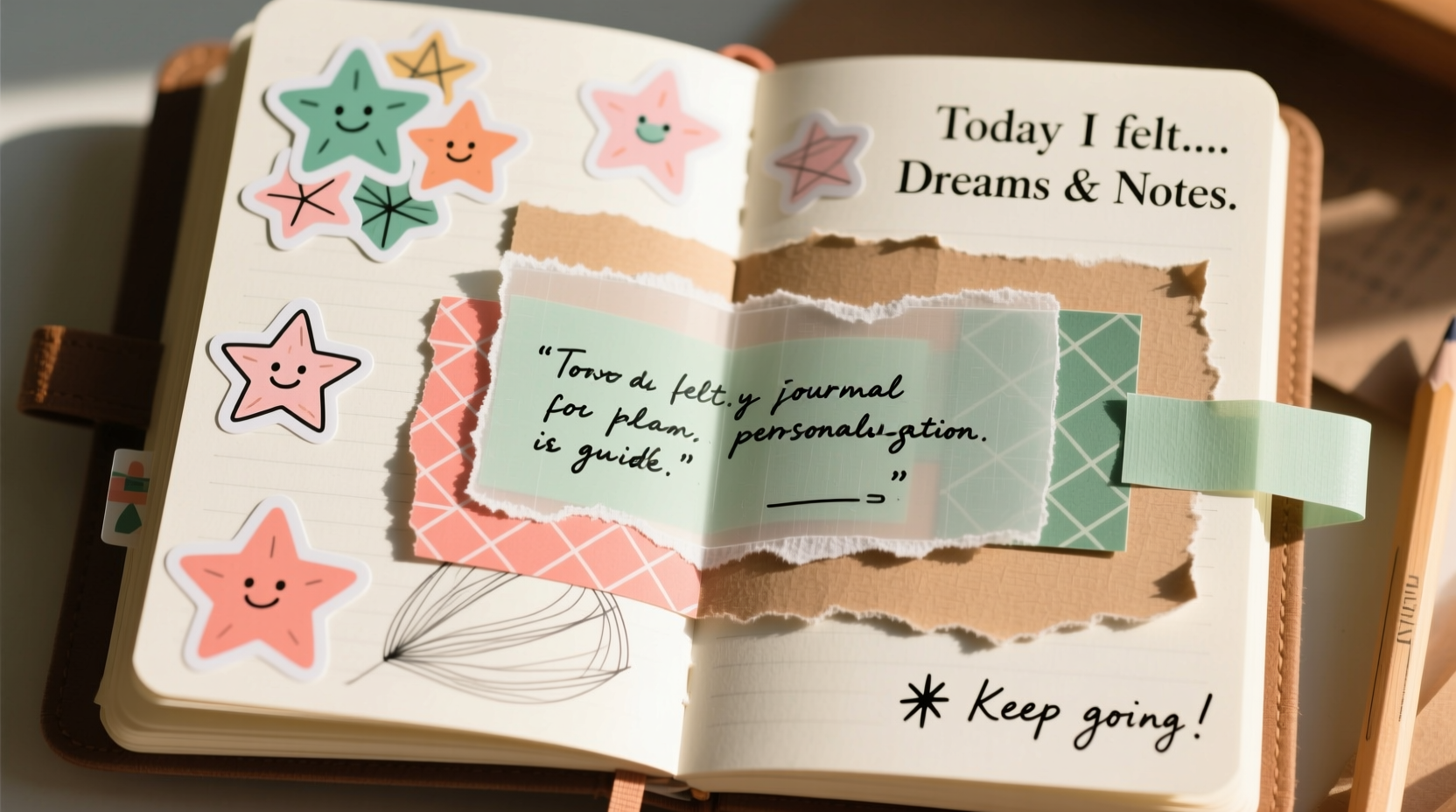
A personalized journal becomes an extension of your identity. Unlike digital notes or generic planners, a hand-decorated notebook holds emotional weight. It reflects your moods through color choices, your priorities through layout structure, and your personality through decorative details like stickers, washi tape, and doodles.
Research in expressive writing shows that engaging creatively with journaling increases consistency and emotional processing. When you enjoy opening your journal—not just for the content but for the experience—you're more likely to maintain the habit. Aesthetics aren't superficial; they're motivational tools.
“Personalization turns routine writing into ritual. The act of decorating becomes part of the mindfulness.” — Dr. Lena Torres, Creative Therapist and Journaling Researcher
Choosing the Right Stickers for Your Theme
Stickers are one of the most accessible and versatile tools for journal customization. They come in countless styles: holographic, matte, seasonal, minimalist, kawaii, vintage, and even 3D foam varieties. But selecting the right ones goes beyond aesthetics—it’s about alignment with purpose.
For example, bullet journalers might prefer functional icon stickers (arrows, checkboxes, priority flags), while mood trackers benefit from emoji-style emotion stickers. Travel diaries shine with destination-themed decals—airplane silhouettes, passport stamps, or landmark illustrations.
Tip: Use acid-free, non-bleed stickers to prevent damage to paper over time, especially if your journal includes sketches or watercolor.| Journal Type | Recommended Sticker Style | Best For |
|---|---|---|
| Bullet Journal | Minimalist icons, monochrome sets | Task tracking, habit logs |
| Gratitude Journal | Floral, suns, hearts, affirmations | Daily positivity prompts |
| Travel Diary | Maps, landmarks, transportation motifs | Memory anchoring |
| Creative Sketchbook | Abstract shapes, frames, borders | Composing artwork |
| Mood Tracker | Emoji faces, weather symbols, color-coded dots | Emotional patterns |
Designing Functional and Aesthetic Layouts
A great layout balances beauty and usability. It guides the eye, organizes information, and leaves room for spontaneity. Start by defining the journal’s primary function: Is it for planning? Reflection? Art? Once clear, build a structure that supports that goal without sacrificing flexibility.
Consider using modular sections. For instance, a weekly spread could include a small calendar block, a task list on one side, and a free-form doodle or quote corner on the other. This mix prevents monotony and keeps each page feeling fresh.
Step-by-Step Guide: Creating a Monthly Spread
- Sketch a light pencil grid dividing the two-page spread into seven columns (days) and five to six rows (weeks).
- Add headers using hand-lettered titles or sticker labels for “Month” and “Year.”
- Mark important dates with colored highlighters or themed stickers (birthdays, appointments).
- Incorporate a habit tracker as a sidebar using small boxes or circles filled in daily.
- Decorate margins with washi tape borders or tiny accent stickers (e.g., stars for weekends).
- Leave breathing room—avoid overcrowding so future entries don’t feel constrained.
Real Example: Maya’s Mental Health Journal Makeover
Maya, a graphic designer in Portland, struggled to stay consistent with her mental health journal. She found traditional lined notebooks too rigid and intimidating. After attending a creative wellness workshop, she redesigned her journal using soft pastel stickers and intuitive layouts.
She began with a simple weekly spread: each day had a small box for mood rating (using emoji stickers), a line for one sentence about how she felt, and a mini art corner where she’d draw whatever came to mind—a leaf, a teacup, a scribble. On Sundays, she added a full-page reflection bordered with floral stickers in calming colors.
The change wasn’t just visual. Within three weeks, Maya reported higher engagement and deeper insights. “Putting a sad face sticker down feels less heavy than writing ‘I’m depressed today,’” she shared. “It’s gentle. And seeing the pattern of green stickers (for good days) building up gave me hope.”
Combining Stickers and Layouts Creatively
The magic happens when stickers aren’t just add-ons but integrated elements of the design. Think of them as punctuation marks in a visual language. A red exclamation point sticker can mark urgent tasks. A tiny coffee cup signals morning routines. A butterfly near a breakthrough insight adds symbolic weight.
- Create sticker keys: Assign meanings to specific stickers so they serve as quick references (e.g., a moon = late night, a book = reading time).
- Use layered compositions: Combine flat stickers with foam-backed ones for depth. Add handwritten captions over sticker backgrounds.
- Frame entries: Use border stickers or washi tape to enclose special moments—first day at a new job, a heartfelt conversation.
- Rotate seasonal themes: Swap out sticker packs monthly—cozy sweaters in winter, citrus fruits in summer—to keep the journal feeling current.
“Stickers lower the barrier to creativity. You don’t need to draw well to make something beautiful.” — Javier Lin, Journal Artist and Workshop Facilitator
Checklist: Building Your Personalized Journal System
Follow this checklist to set up a sustainable, expressive journaling practice:
- Choose a notebook with paper suitable for pens and adhesives (e.g., dotted or blank pages, medium weight)
- Select 2–3 sticker themes that match your journal’s purpose (functional, decorative, emotional)
- Plan one recurring layout (weekly or monthly spread) using pencil first
- Include at least one creative element per page (sticker, doodle, colored text)
- Store stickers in labeled pouches by theme or color for easy access
- Review your journal monthly to assess what’s working and adjust layouts accordingly
- Allow imperfection—crooked lines and mismatched stickers add character
Common Pitfalls and How to Avoid Them
Even passionate journalers fall into traps that diminish enjoyment. Recognizing these early helps maintain momentum.
| Pitfall | Why It Happens | How to Fix It |
|---|---|---|
| Over-decorating | Trying to make every page “Instagram-worthy” | Focus on function first. Save elaborate designs for milestone entries. |
| Sticker clutter | Using too many types or sizes at once | Limit to 2–3 sticker styles per spread. Use repetition for cohesion. |
| Inconsistent layout | Changing formats too frequently | Stick to one core layout for 4–6 weeks before experimenting. |
| Fear of blank pages | Perfectionism blocking entry | Start with a single sticker and one sentence. Momentum builds from small actions. |
Frequently Asked Questions
Can I use regular stickers on any journal?
Not all stickers are created equal. Standard craft stickers may bleed adhesive or lift paper fibers. Opt for planner-specific or scrapbooking stickers designed for paper crafts. If using non-specialty stickers, apply gently and avoid rubbing aggressively.
How do I keep my journal from looking messy?
Establish a loose design system: choose a color palette (2–3 main colors), stick to similar sticker sizes, and align elements along invisible grids. Consistency—even imperfect—creates visual harmony. Less can be more.
What if I run out of sticker ideas?
Draw inspiration from everyday life: packaging, nature, fashion, or social media (with caution against comparison). Create DIY stickers using printed images, washi tape scraps, or hand-drawn icons. Sometimes limitations spark innovation.
Conclusion: Make It Yours, Keep It Going
Your journal doesn’t need to look like anyone else’s. In fact, it shouldn’t. The most powerful journals aren’t flawless—they’re honest, evolving, and alive with personal symbolism. Stickers and layouts are not mere decorations; they’re tools for meaning-making. Each sticker placed, each margin drawn, becomes a quiet act of self-awareness.
Start where you are. Use what you have. Express what you feel. Over time, you’ll develop a visual language that speaks directly to you—one that turns routine writing into a cherished ritual. Don’t wait for the perfect moment or the ideal supplies. Open your journal today, place one sticker, write one line, and begin.
💬 Ready to start? Pick up your journal and add one creative touch today—then share your favorite sticker hack in the comments!








